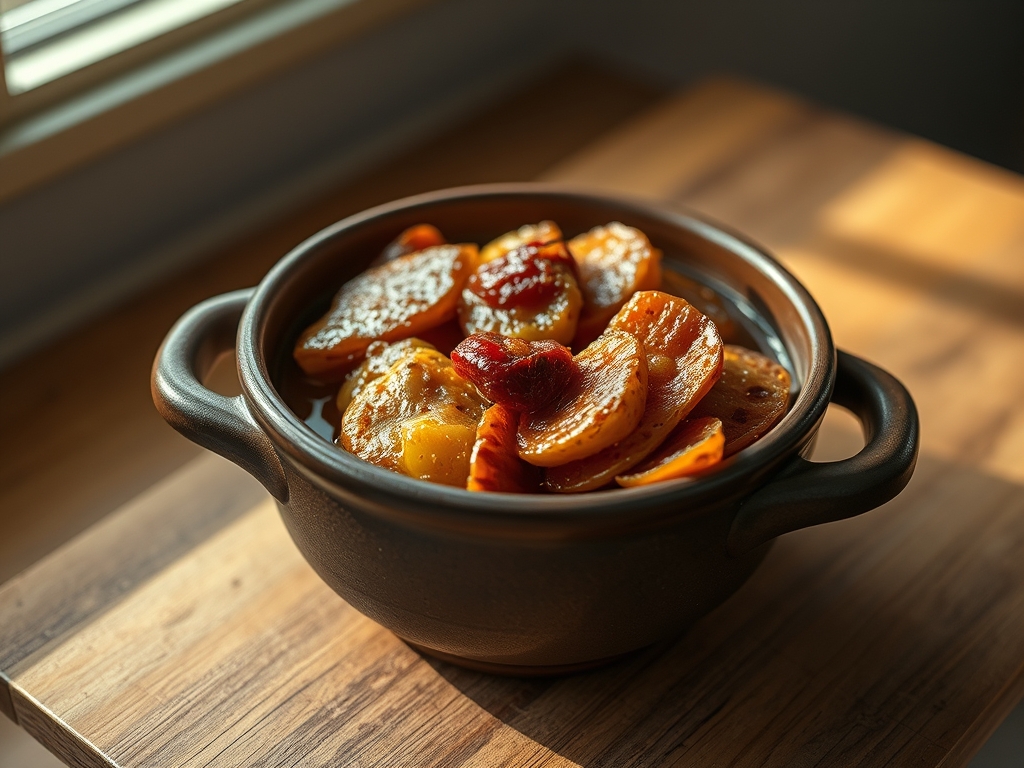
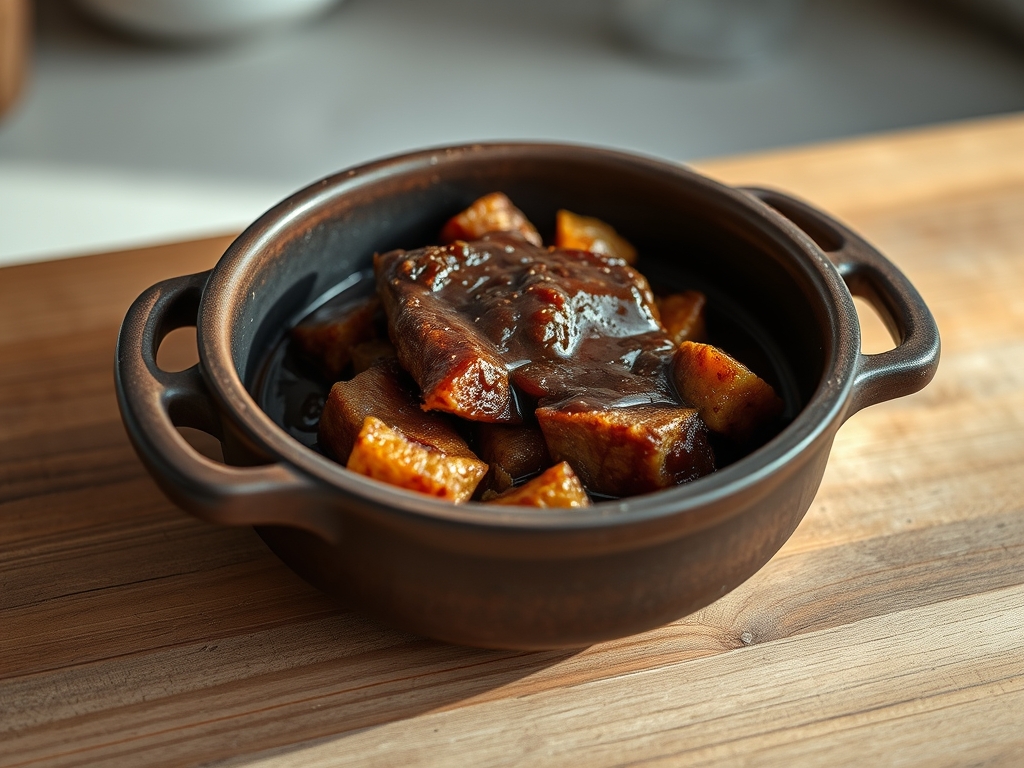
Imagine a substance so calorie-dense and structurally sound that it can survive a decade in a leather pouch without losing its nutritional integrity. This is not a lab-grown survival ration; it is the pinnacle of historical food engineering. Pemmican Preparation is less about cooking and more about the architectural stabilization of lipids and proteins. We are talking about a high-velocity fuel source that fueled fur traders and arctic explorers through sub-zero temperatures. The scent is primal: the deep, earthy musk of dehydrated lean muscle fused with the clean, neutral scent of rendered suet. When executed correctly, the texture is a precise balance between a crumbly protein matrix and a smooth, viscous lipid binder. It is the ultimate logistical solution for the human body in extreme environments. Forget your modern protein bars with their synthetic stabilizers and corn syrups. We are returning to the bedrock of culinary infrastructure where heat, time, and fat-to-protein ratios dictate survival. Prepare your workstation; we are about to build a caloric fortress.
THE DATA MATRIX
| Metric | Specification |
|---|---|
| Prep Time | 12 Hours (Dehydration Phase) |
| Execution Time | 45 Minutes (Assembly Phase) |
| Yield | 1.5 kg / 3.3 lbs |
| Complexity (1-10) | 4 |
| Estimated Cost per Serving | $1.85 |
THE GATHERS
Ingredient Protocol:
- 900g / 2 lbs Lean Grass-fed Beef or Bison (Eye of Round or London Broil).
- 450g / 1 lb High-Quality Beef Suet (Kidney Fat).
- 125g / 1 cup Dried Acidic Berries (Saskatoon, Chokecherries, or Tart Cherries).
- 15g / 1 tbsp Coarse Sea Salt (Non-iodized).
Section A: Ingredient Quality Audit:
The most common failure in Pemmican Preparation is the use of sub-par lipids. If your suet contains high moisture content or residual connective tissue, the final product will go rancid within weeks. Technical Fix: Always source "kidney fat" specifically. It has a higher melting point and superior stability. If your lean meat has visible marbling, you must trim it aggressively. Intramuscular fat does not dehydrate; it putrefies. Use a digital scale to ensure your 2:1 protein-to-fat ratio is exact. If the berries are too moist, they will introduce water activity into the matrix, causing mold. Ensure they are "crack-dry" before integration.
THE MASTERCLASS
Step 1: Desiccation of the Protein Matrix
Slice the lean beef into paper-thin strips against the grain. Place them on a dehydrator rack or a cooling rack set over a baking sheet. Dehydrate at 65C / 150F until the meat is brittle enough to snap like a cracker. This usually requires 8 to 12 hours.
Pro Tip: The goal is total moisture removal. Use a digital scale to weigh the meat before and after. You should see a 60 to 70 percent reduction in mass. This ensures the water activity level is low enough to prevent microbial growth.
Step 2: Pulverization and Aeration
Once the meat is brittle, break it into shards. Use a high-powered blender or a heavy-duty food processor to grind the meat into a coarse, fibrous powder. It should look like shredded wood or wool, not a fine dust.
Pro Tip: Use a bench scraper to clear the sides of your processor. The fibrous texture is essential because it creates the "scaffolding" that the liquid fat will cling to during the cooling phase.
Step 3: Precise Lipid Rendering
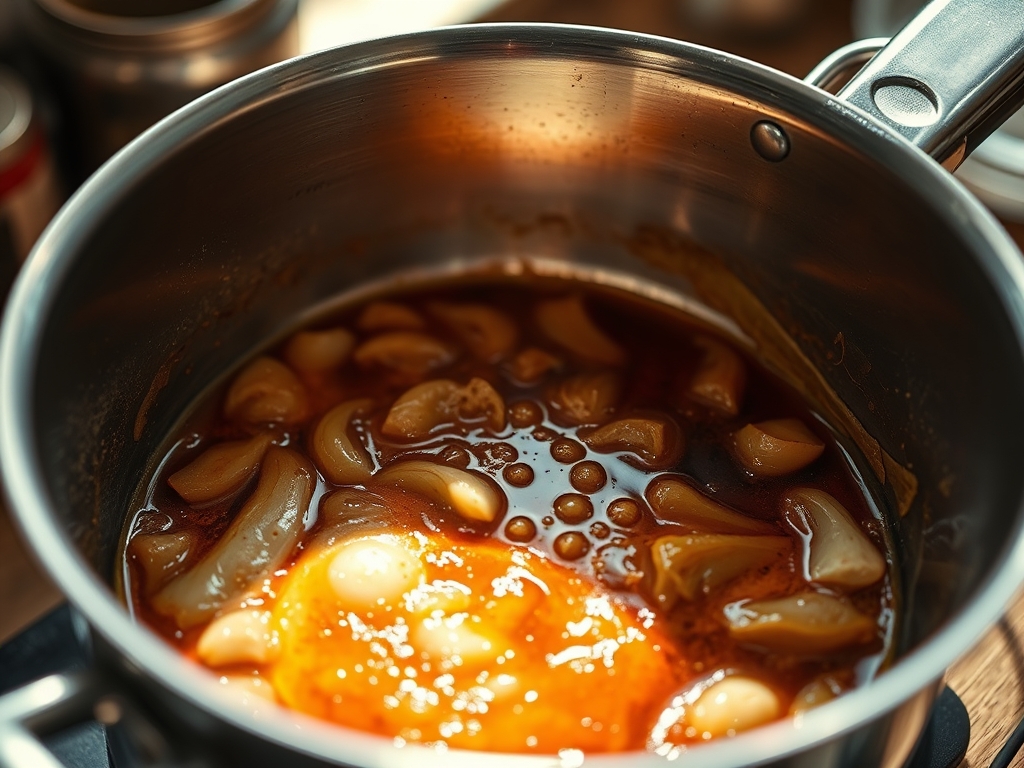
Cut the suet into small cubes and place them in a heavy-bottomed saucier or cast-iron skillet over the lowest possible heat. Render the fat slowly until it turns into a clear, golden liquid and the solid bits (cracklings) turn brown and sink.
Pro Tip: Do not let the fat smoke. If the temperature exceeds 120C / 250F, the chemical structure of the fat changes, resulting in an acrid taste. Strain the liquid through a fine-mesh sieve lined with cheesecloth to remove all impurities.
Step 4: The Molecular Fusion
In a large stainless steel mixing bowl, combine the powdered protein and crushed dried berries. Slowly pour the hot, liquid tallow over the dry mixture. Use a sturdy spatula to fold the ingredients together until every fiber is saturated with fat.
Pro Tip: The mixture should be viscous and heavy. If it looks like a soup, you have too much fat; if it is crumbly and dry, you need more. The ideal consistency is that of wet sand that holds its shape when squeezed.
Step 5: Compression and Setting
Line a shallow baking dish with parchment paper. Press the mixture into the dish, smoothing the top with a bench scraper to ensure a uniform thickness of about 1 inch. Allow it to firm up at room temperature before transferring it to a cool, dark place.
Pro Tip: Compression is key to longevity. By pressing the mixture firmly, you eliminate air pockets where oxidation can occur. This structural density is what allows the pemmican to remain shelf-stable for years.
Section B: Prep & Timing Fault-Lines:
Timing is everything when the fat begins to cool. If you wait too long to mix the tallow into the protein, the fat will begin to solidify, preventing it from deeply infusing the meat fibers. Conversely, if the meat is still warm from the processor, it may not absorb the fat correctly. Ensure your protein is at room temperature and your fat is hot but not scorching. If the mixture fails to set after two hours, your fat-to-protein ratio was likely skewed toward the fat; you can remedy this by folding in more protein powder if available.
THE VISUAL SPECTRUM
Section C: Thermal & Visual Troubleshooting:
Referencing the Masterclass photo, your final product should exhibit a deep, mahogany hue with visible flecks of dark crimson from the berries. If the color is grey or pale, your meat was likely steamed rather than dehydrated. If the surface shows white, waxy bloom, this is normal; it is simply the saturated fats solidifying. However, if you see "weeping" fat at the edges, the emulsion has failed. This usually happens if the tallow was not rendered long enough to remove all water. The texture should be firm and matte, not shiny or oily.
THE DEEP DIVE
Macro Nutrition Profile:
Pemmican is a ketogenic powerhouse. A standard 100g serving contains approximately 570 calories, 45g of fat, 40g of protein, and 0g of fiber (unless berries are added). It provides a sustained energy release without the insulin spikes associated with carbohydrates.
Dietary Swaps:
- Vegan: There is no traditional vegan equivalent that offers the same shelf-life, but a mix of coconut oil, pea protein isolate, and dried fruit can mimic the texture for short-term use.
- Keto/GF: Standard pemmican is naturally Keto and Gluten-Free. To lower carbs further, omit the berries entirely.
Meal Prep & Reheating Science:
Pemmican is designed to be eaten cold or at room temperature. If you must reheat it, do so gently in a saucier to avoid scorching the protein. Heating it will turn it into a thick stew; you can deglaze the pan with a little water or bone broth to create a savory "hoosh."
THE KITCHEN TABLE
How long does pemmican actually last?
When stored in a cool, dark, and dry environment, properly prepared pemmican can last 10 to 20 years. The key is the total absence of moisture and the use of highly stable saturated fats like beef tallow.
Can I use pork fat instead of beef suet?
No. Pork fat (lard) is unsaturated and much softer at room temperature. It will go rancid far faster than beef or bison suet. For long-term stability, always stick to ruminant fats.
Why are my berries making the pemmican soft?
Your berries likely retained internal moisture. Even a small amount of water will compromise the lipid-protein bond. Ensure berries are dehydrated until they are brittle and can be shattered into a powder.
Is it safe to eat raw?
Yes. The "raw" meat has been fully desiccated, which is a form of preservation similar to curing. The high temperature of the rendered fat also acts as a thermal kill step for surface bacteria during the mixing process.