Forget the lukewarm mush of amateur basecamps; we are here to engineer a masterpiece of logistical defiance. The Campsite Tuna Pasta is not merely a meal; it is a tactical strike against the limitations of the wilderness. Imagine the scene: the sun dips below the jagged horizon, the air turns crisp, and your appetite demands a high-octane infusion of protein and starch. You reach for the dry goods, bypassing the need for heavy coolers or temperamental ice packs. Within minutes, the scent of toasted garlic and briny ocean air begins to infuse the campsite. This is about the alchemy of shelf-stable components. We are leveraging the piquant punch of capers, the oily richness of premium canned fish, and the structural integrity of durum wheat. It is a dish that feels like a coastal Italian bistro but functions with the ruthless efficiency of a military ration. We do not settle for "good enough for the woods." We demand culinary excellence that survives the trek and thrives in the pot.
THE DATA MATRIX
| Metric | Specification |
|---|---|
| Prep Time | 5 Minutes |
| Execution Time | 12 Minutes |
| Yield | 2 Servings |
| Complexity (1-10) | 3 |
| Estimated Cost per Serving | $3.50 USD |
THE GATHERS
Ingredient Protocol:
- 225g / 8oz Dried Penne or Fusilli
- 160g / 5.6oz Premium Canned Tuna in Olive Oil (Do not drain)
- 30ml / 2 tbsp Extra Virgin Olive Oil
- 3 cloves Fresh Garlic (Minced)
- 5g / 1 tsp Red Pepper Flakes
- 30g / 2 tbsp Capers (Drained)
- 15ml / 1 tbsp Lemon Juice (or 2 packets of crystallized lemon)
- 5g / 1 tsp Dried Parsley
- Salt and Black Pepper to taste
Section A: Ingredient Quality Audit:
The primary failure point in Campsite Tuna Pasta is the tuna itself. If you utilize water-packed tuna, the texture becomes grainy and the flavor profile turns metallic. Technical Fix: Always specify tuna packed in olive oil; the oil acts as a secondary flavoring agent and a lubricant for the pasta. If you are stuck with water-packed fish, you must render a larger amount of supplemental fat (butter or oil) to compensate for the lack of lipid-based mouthfeel. Another common issue is stale garlic. If your cloves are sprouting, the bitterness will dominate the dish. Technical Fix: Remove the green germ from the center of the clove before mincing to ensure a clean, sweet aromatic base.
THE MASTERCLASS
Step-by-Step Execution:
1. Hydration and Starch Gelatinization
Bring a large pot of salted water to a rolling boil. Use a digital scale to ensure your pasta-to-water ratio is precise. Add the pasta and cook until it is two minutes shy of al dente.
Pro Tip: This "par-cooking" allows the pasta to finish its hydration cycle directly in the sauce. This ensures the noodles absorb the flavored liquids rather than just plain water, creating a more cohesive flavor profile.
2. The Aromatic Infusion
While the pasta boils, place a saucier or deep skillet over medium heat. Add the olive oil and the oil from the tuna tin. Add the minced garlic and red pepper flakes. Sauté until the garlic is fragrant but not browned.
Pro Tip: Use a bench scraper to efficiently transfer finely minced garlic from your cutting board to the pan. This prevents the loss of essential oils and ensures a consistent flavor density across the entire batch.
3. Emulsifying the Base
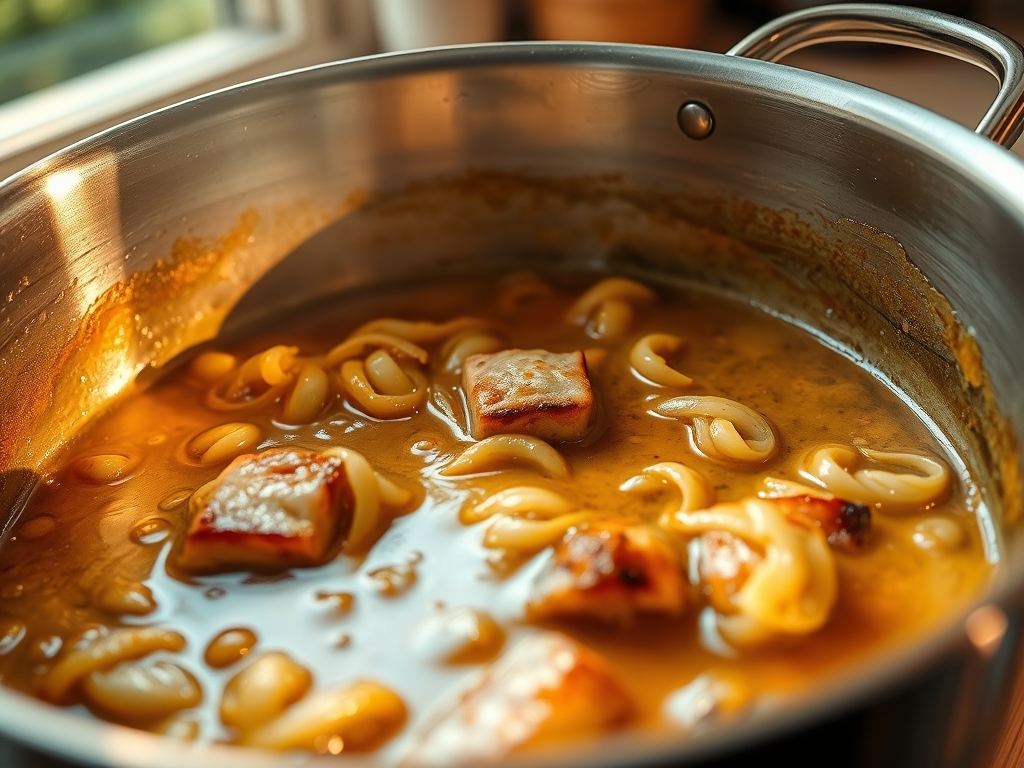
Add the tuna and capers to the skillet. Use a fork or spatula to break the tuna into large, meaty chunks. Add a small ladle of the starchy pasta water to the pan and whisk vigorously to aerate and create a light emulsion.
Pro Tip: The starch in the pasta water acts as a natural emulsifier. It binds the oil and the lemon juice together, creating a viscous sauce that clings to the pasta rather than pooling at the bottom of the bowl.
4. The Final Integration
Transfer the undercooked pasta directly into the saucier using a slotted spoon. Toss the mixture over medium-high heat for the final 120 seconds of cooking. Add the lemon juice and dried parsley at the very end to preserve their volatile aromatic compounds.
Pro Tip: Finishing the pasta in the sauce allows for the "mantecatura" effect. The friction of tossing the pasta releases more starch, which thickens the sauce into a silky coating that mimics the quality of high-end restaurant fare.
Section B: Prep & Timing Fault-Lines:
The most frequent human error is the "Dry Noodle Syndrome," caused by over-draining the pasta. If you dump all the pasta water down the drain, you lose your primary tool for sauce adjustment. Technical Fix: Always reserve at least 120ml / 0.5 cup of pasta water before draining. Another fault-line is temperature control. If the skillet is too hot when the tuna is added, the fish will seize and become tough. Technical Fix: Lower the heat significantly before adding the protein to maintain a tender, flakey texture.
THE VISUAL SPECTRUM
Section C: Thermal & Visual Troubleshooting:
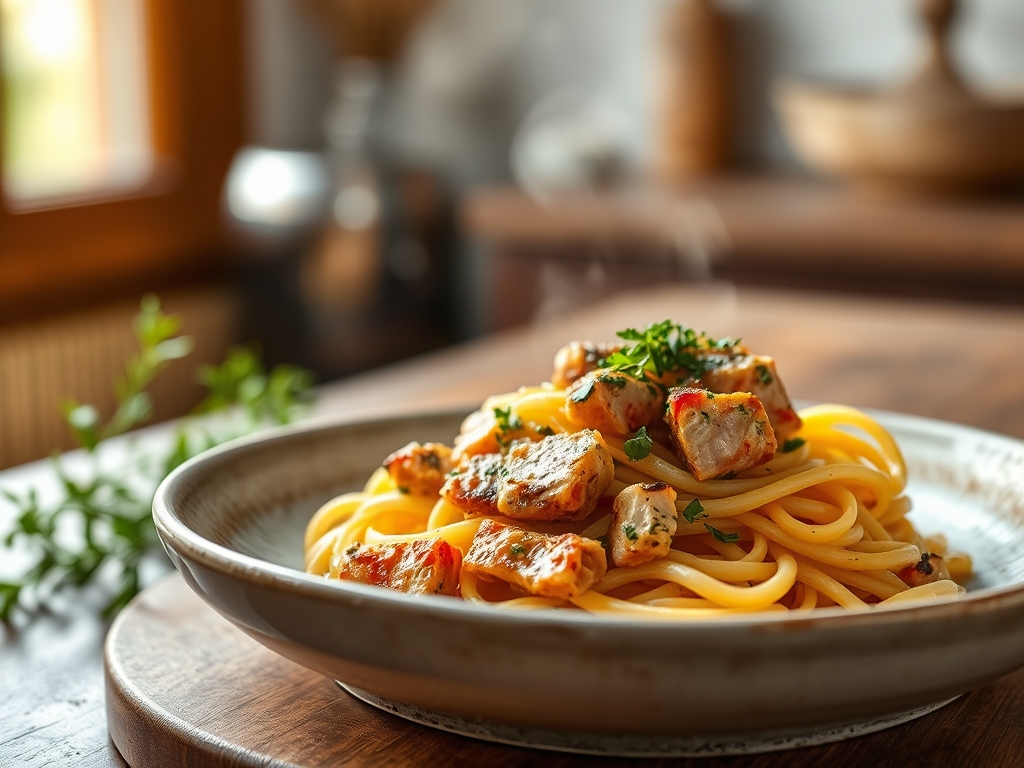
Referencing the Masterclass photo, your Campsite Tuna Pasta should exhibit a vibrant, glistening sheen. If the dish looks dull or matte, the emulsion has broken. Solution: Add a tablespoon of hot water and toss vigorously to re-emulsify. If the tuna appears shredded rather than in distinct flakes, you have over-worked the protein. Solution: Fold the fish in gently at the end next time. If the pasta lacks the golden-hued glow seen in the image, you likely skimped on the oil or failed to properly deglaze the pan with the pasta water. The visual cues of success are the bright green flecks of parsley and the translucent, softened garlic bits scattered throughout the golden noodles.
THE DEEP DIVE
Macro Nutrition Profile:
This dish is a powerhouse of sustained energy. A single serving provides approximately 450 calories, 25g of protein, 55g of carbohydrates, and 15g of healthy fats. It is heavy on Omega-3 fatty acids, which are essential for reducing inflammation after a long day of hiking.
Dietary Swaps:
- Vegan: Replace tuna with mashed chickpeas and a sheet of crumbled nori for a "sea-like" flavor. Use a high-quality seaweed-infused oil.
- Keto: Swap the wheat pasta for hearts of palm noodles or konjac flour pasta. Reduce the pasta water and increase the olive oil to maintain the fat ratios.
- Gluten-Free: Use brown rice or quinoa-based pasta. Be aware that GF pasta releases more starch, so you may need extra water to prevent the sauce from becoming gummy.
Meal Prep & Reheating Science:
If preparing this ahead of time, undercook the pasta by four minutes. When reheating, add a splash of water to the container before microwaving or heating over a stove. This creates steam that re-hydrates the starch molecules, preventing the pasta from becoming brittle and maintaining its original molecular structure.
THE KITCHEN TABLE
Can I use flavored tuna pouches?
Absolutely. Lemon pepper or sundried tomato pouches add an extra layer of complexity. However, ensure you still add a fat source like olive oil, as pouches lack the liquid volume of canned varieties to create a proper emulsion.
How do I prevent the garlic from burning?
Start the garlic in cold oil and bring the heat up slowly. This allows the flavor to infuse the oil without the risk of the exterior of the garlic browning too quickly and becoming bitter or acrid.
What if I don't have fresh lemons?
Crystallized lemon powder is a campsite essential. It provides the necessary acidity to cut through the fat of the tuna without the weight of fresh fruit. Use approximately half a teaspoon per serving to achieve the desired piquant finish.
Is it safe to eat the oil from the can?
It is not only safe; it is recommended. That oil is packed with the flavor of the fish. Using it ensures that every strand of pasta is coated in the essence of the tuna, maximizing the efficiency of your ingredients.