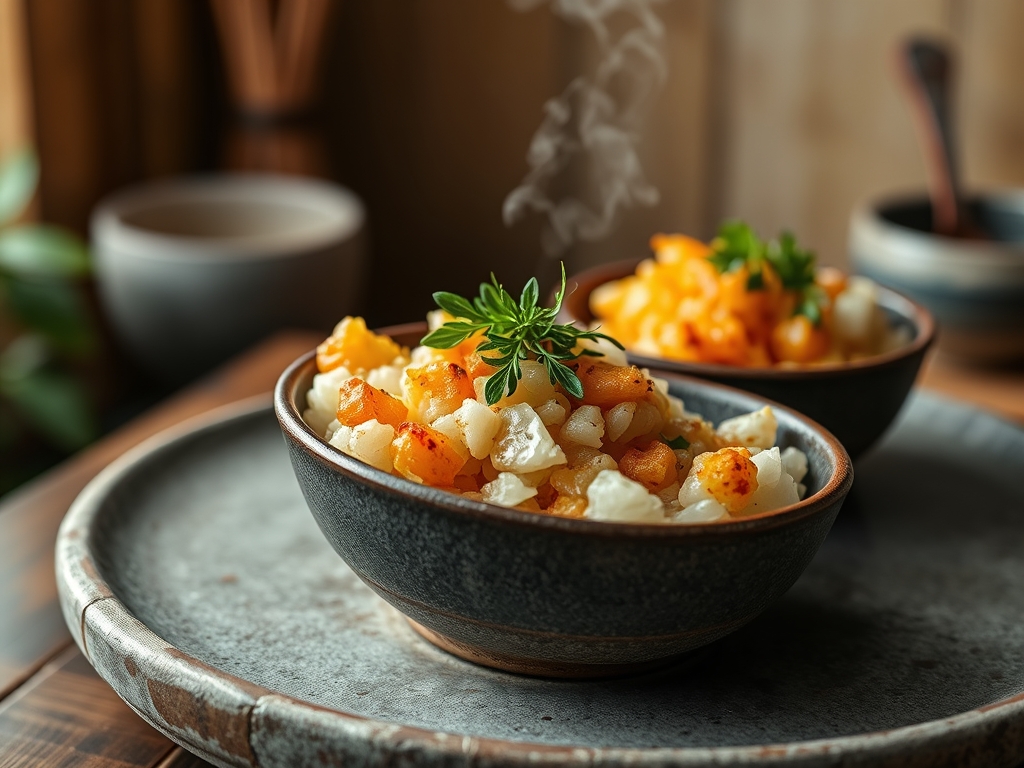
Imagine the cacophony of a high-pressure commercial kitchen condensed into a single, sleek vessel. We are talking about the absolute peak of nomadic gastronomy: Portable Rice Bowls. This is not your grandmother's soggy leftover tupperware. This is a precision-engineered delivery system designed to maintain the structural integrity of every single grain of long-grain jasmine or short-grain arborio while under intense thermal duress. When you peel back that foil or pop the vent on a high-grade retort pouch, you should be met with a cloud of aromatic steam that carries the piquant scent of toasted sesame and the deep, savory bass notes of fermented soy. The texture must be impeccable; each kernel needs to stand independent, boasting a slight resistance to the tooth before yielding to a creamy center. We are auditing the very infrastructure of convenience. If the starch has retrograded into a chalky mess, the system has failed. If the proteins have not been properly rendered to coat the grains, the palate will reject the experience. We demand excellence in every cubic centimeter of this bowl.
THE DATA MATRIX
| Metric | Specification |
|---|---|
| Prep Time | 20 Minutes |
| Execution Time | 15 Minutes |
| Yield | 4 Units |
| Complexity (1-10) | 4 |
| Estimated Cost per Serving | $3.75 |
THE GATHERS
Ingredient Protocol:
- Pre-cooked parboiled or jasmine rice: 500g / 4 cups
- Toasted sesame oil: 30ml / 2 tbsp
- Low-sodium tamari or soy sauce: 45ml / 3 tbsp
- Freshly grated ginger root: 15g / 1 tbsp
- Dehydrated shiitake mushrooms: 20g / 0.7 oz
- Thinly sliced scallions (whites and greens): 50g / 0.5 cup
- Sous-vide chicken breast or firm tofu: 400g / 14 oz
- Rice wine vinegar: 15ml / 1 tbsp
- Furikake seasoning: 10g / 2 tsp
Section A: Ingredient Quality Audit:
Sub-par raw materials are the primary cause of systemic failure in Portable Rice Bowls. If your rice feels gritty or brittle, it indicates a failure in the initial hydration phase; fix this by adding 15ml of water and a tight seal during the reheating process to re-gelatinize the starches. If your sesame oil smells acrid or metallic, it has oxidized. Always store oils in cool, dark environments and perform a sensory sniff-test before integration. For proteins that appear dry or stringy, the culprit is usually over-coagulation of fibers. To salvage this, toss the protein in a viscous glaze made of honey and soy sauce to provide a moisture barrier and improve mouthfeel.
THE MASTERCLASS
1. Grain Hydration and Separation
Begin by weighing your pre-cooked rice on a digital scale to ensure portion consistency across all bowls. If the grains are clumped together from refrigeration, do not mash them with a spoon. Instead, use a bench scraper to gently break the mass into individual kernels without fracturing the bran.
Pro Tip: This step prevents the release of excess amylose, which would otherwise turn your bowl into a gummy, monolithic block. Maintaining grain individuality is the hallmark of a professional-grade grain system.
2. Infusing the Aromatics
Place a heavy-bottomed saucier over medium heat and add the sesame oil. Once the oil begins to shimmer, introduce the ginger and the white parts of the scallions. You are looking to infuse the oil with these volatile compounds without inducing a full Maillard reaction that might turn the ginger bitter.
Pro Tip: Using a saucier with its rounded bottom allows for constant movement of the aromatics, ensuring even heat distribution and preventing localized scorching of the delicate ginger fibers.
3. Emulsifying the Base Sauce
Whisk the tamari, rice wine vinegar, and a splash of the mushroom soaking liquid into the saucier. Use a high-frequency whisking motion to aerate the mixture slightly and create a temporary emulsion with the oil. This ensures that every grain of rice will be coated in a thin, flavorful film rather than sitting in a pool of separated fat.
Pro Tip: The acidity in the vinegar acts as a surfactant, helping the oil and water-based soy sauce play nice. This molecular bridge is essential for a consistent flavor profile in every bite.
4. Integration and Final Assembly
Fold the rice and your chosen protein into the saucier using a silicone spatula. Turn the heat to low and toss gently until the rice has absorbed the liquid and reached an internal temperature of 74 degrees Celsius (165 degrees Fahrenheit). This is the safety threshold for retorted or pre-cooked systems.
Pro Tip: Monitoring the temperature with an instant-read thermometer ensures you have reached the "kill zone" for any potential pathogens while avoiding the over-extraction of moisture from the protein.
Section B: Prep & Timing Fault-Lines:
The most common human error is the "Thermal Lag." If you add cold rice to a lukewarm pan, the rice will absorb the oil before the sauce can emulsify, resulting in a greasy texture. Ensure your pan is at the correct temperature before the rice makes contact. Furthermore, if you are prepping these for later consumption, the "Cooling Curve" is vital. Spread the finished mixture on a chilled sheet pan to drop the temperature rapidly before sealing. This prevents the "Sweat Effect," where trapped steam continues to cook the rice inside the container, leading to structural collapse.
THE VISUAL SPECTRUM
Section C: Thermal & Visual Troubleshooting:
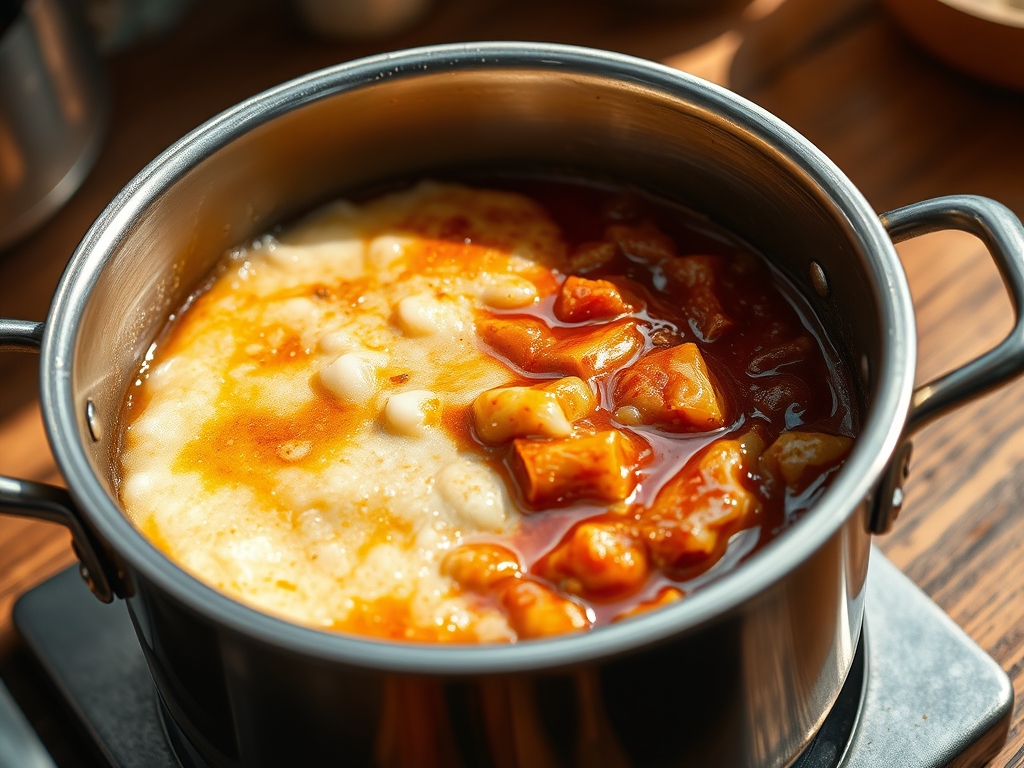
Look closely at the Masterclass photo. Notice the distinct separation of the grains and the vibrant, translucent green of the scallions. If your bowl looks muddy or monochromatic, you have likely overcooked the aromatics or used a soy sauce with too much caramel coloring. If the rice appears dull and matte rather than glossy, you lack sufficient lipids; a final drizzle of oil can restore that professional sheen. Uneven browning usually indicates that the rice was not distributed evenly in the pan or that the heat source was poorly calibrated. Ensure a level layer for consistent thermal contact.
THE DEEP DIVE
Macro Nutrition Profile
A standard 350g serving of these Portable Rice Bowls provides a balanced macro-nutrient split. Expect approximately 45g of complex carbohydrates for sustained energy; 30g of protein for muscle synthesis; and 12g of healthy fats, primarily from the sesame oil. The inclusion of shiitake mushrooms adds a significant dose of selenium and vitamin D, while the ginger provides anti-inflammatory benefits.
Dietary Swaps
- Vegan: Swap the chicken for extra-firm tofu or tempeh. Ensure the tamari is certified vegan.
- Keto: Replace the rice with riced cauliflower. Note that cauliflower requires less liquid, so reduce the soy sauce and vinegar by 30 percent to avoid a "soupy" consistency.
- Gluten-Free: Use certified gluten-free tamari instead of standard soy sauce, as many commercial soy sauces contain wheat as a filler.
Meal Prep & Reheating Science
When reheating, the goal is to reverse starch retrogradation without evaporating all internal moisture. If using a microwave, place a damp paper towel over the bowl. This creates a localized steam chamber that forces water molecules back into the crystalline starch structures, restoring the original "al dente" texture. Avoid high-power settings; 70 percent power for a longer duration provides a more even thermal distribution.
THE KITCHEN TABLE
How do I prevent my rice from getting mushy?
Start with slightly undercooked rice if you plan to reheat it later. This allows the grain to absorb the sauce during the second heating phase without losing its structural integrity or becoming over-saturated.
Can I use brown rice for this system?
Absolutely. Brown rice has a higher fiber content and a tougher bran layer, making it even more resilient to the retort process. Increase the steaming time by five minutes to ensure the core is fully hydrated.
Why does my ginger taste soapy?
This is often a result of using ginger that is too old or has been stored improperly. Fresh ginger should have a tight, shiny skin. If it is shriveled, the essential oils have degraded into less pleasant compounds.
Is it safe to eat these bowls cold?
As long as the rice was cooled rapidly and stored below 4 degrees Celsius (40 degrees Fahrenheit), it is safe. However, the fats will be solid, and the starches will be firm, which significantly alters the intended sensory experience.