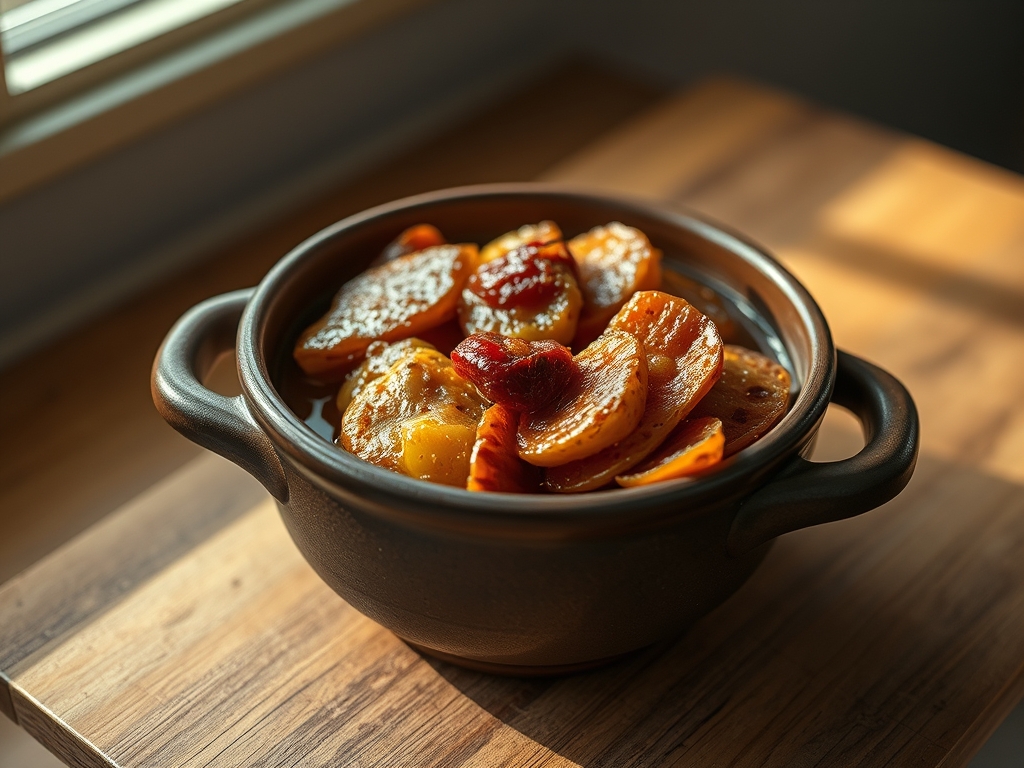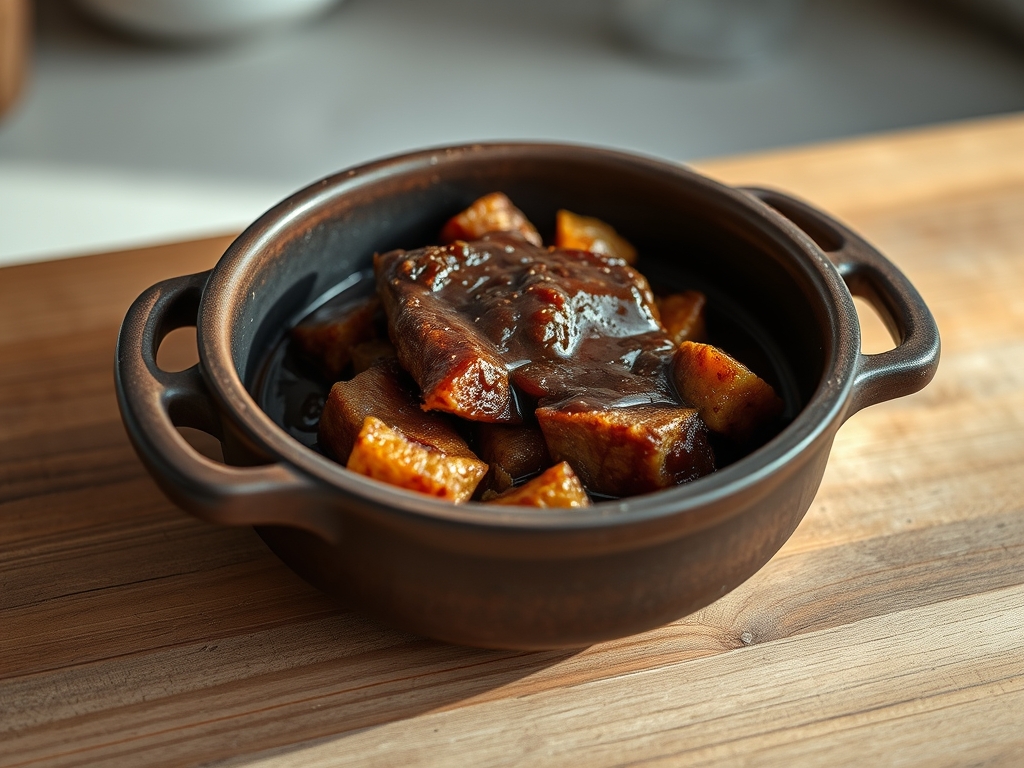
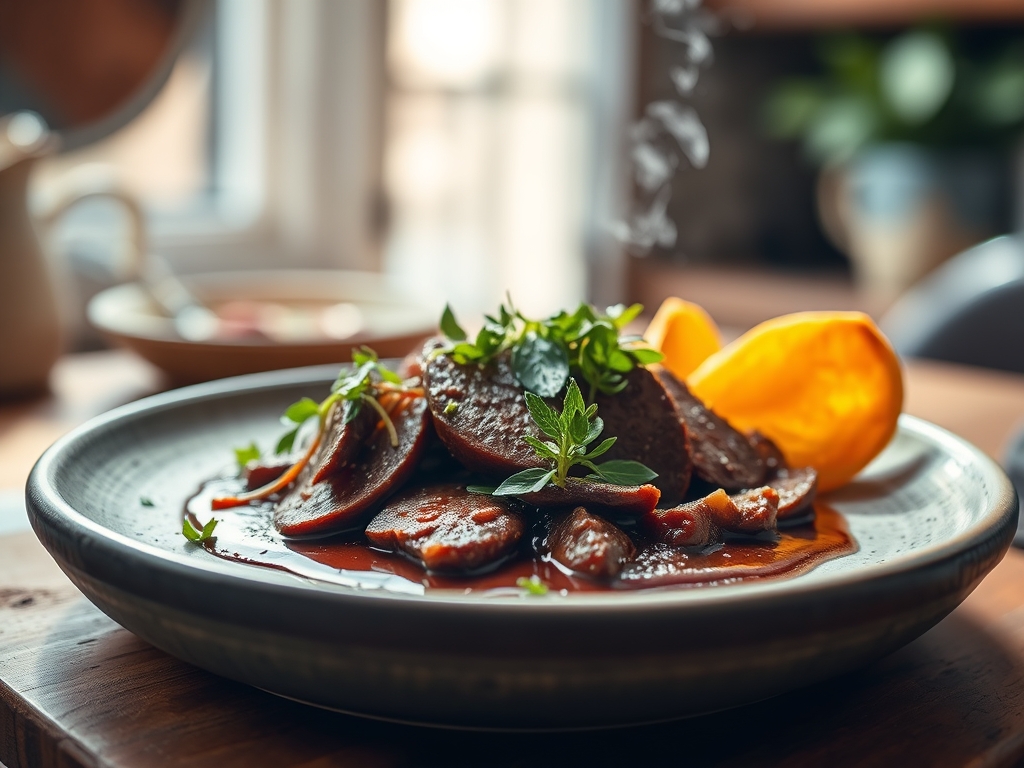
The scent of searing iron and caramelized shallots is the olfactory equivalent of a high-voltage power surge. We are not merely cooking; we are engaging in a biological upgrade of the highest order. When you handle organ meats, you are managing the most dense concentration of Beef Liver Nutrients available to the human metabolism. This is the gold standard of culinary infrastructure. Forget the flaccid, overcooked grey slabs of school cafeteria nightmares. We are targeting a precise medium-rare finish where the exterior displays a mahogany crust while the interior remains a blushing, buttery velvet. This requires tactical precision and an understanding of cellular heat transfer. We are here to harness the power of heme iron and Vitamin A through a process of rapid Maillard reactions and delicate temperature control. Strap in, sharpen your carbon steel blades, and prepare to execute a dish that functions as both a gourmet masterpiece and a physiological recharge. This is the definitive protocol for saturating your system with pure, unadulterated energy.
THE DATA MATRIX
| Metric | Specification |
|---|---|
| Prep Time | 20 Minutes |
| Execution Time | 8 Minutes |
| Yield | 2 Servings |
| Complexity (1-10) | 6 |
| Estimated Cost per Serving | $4.50 |
THE GATHERS
Ingredient Protocol:
- 500g / 1.1 lbs Grass-fed Beef Liver (sliced 1.5cm thick)
- 250ml / 1 cup Whole Milk (for the enzymatic soak)
- 60g / 4 tbsp Unsalted Grass-fed Butter
- 2 Large Shallots (finely minced)
- 15ml / 1 tbsp Extra Virgin Olive Oil
- 5g / 1 tsp Smoked Paprika
- 3g / 0.5 tsp Fine Sea Salt
- 2g / 0.5 tsp Freshly Cracked Black Pepper
- 30ml / 2 tbsp Aged Balsamic Vinegar (to deglaze)
- 10g / 1 bunch Fresh Parsley (chiffonade)
Section A: Ingredient Quality Audit:
The primary failure point in liver preparation is the presence of the outer membrane and internal vascular structures. If your liver looks "tight" or curls aggressively when it hits the heat, you failed to score or remove the silverskin. Use a sharp paring knife to peel back the connective tissue before slicing. If the liver smells overly metallic or "funky" before cooking, a 20-minute soak in milk or lemon water is non-negotiable. The calcium and lactic acid in the milk act as a buffer; they neutralize surface impurities and mellow the intensity of the Beef Liver Nutrients without compromising the structural integrity of the protein. Ensure your butter is high-fat European style. Low-quality butter contains too much water, which will cause your sear to fail as the liver steams rather than browns.
THE MASTERCLASS
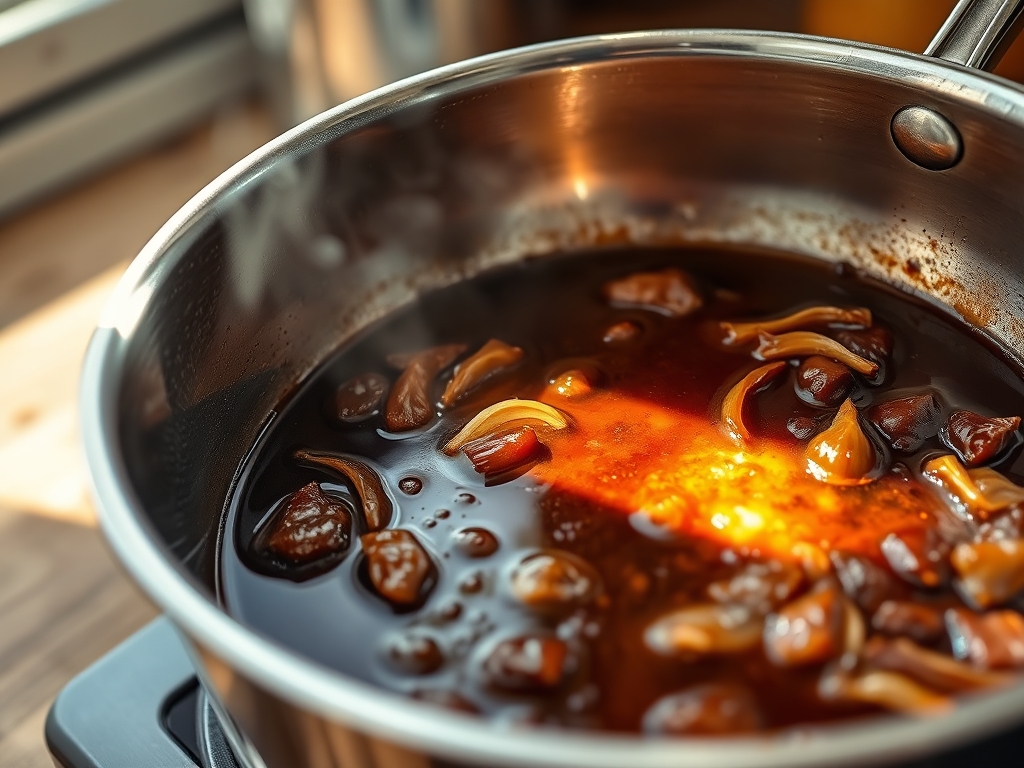
1. The Pre-Searing Desiccation
Pat the liver slices bone-dry using heavy-duty paper towels. Any surface moisture will immediately turn to steam, dropping the pan temperature and preventing the Maillard reaction. Place your slices on a wire rack over a baking sheet and season with salt and paprika from a height to ensure even distribution.
Pro Tip: Use a digital scale to measure your salt precisely at 1% of the meat's weight. This ensures the seasoning penetrates the cellular walls without drawing out excessive moisture before the sear.
2. Thermal Calibration
Place a heavy-bottomed stainless steel saucier or cast-iron skillet over medium-high heat. Add the olive oil first to raise the smoke point, then drop in half of the butter. Wait for the butter to foam and then subside; this indicates the water has evaporated and you are ready for high-heat contact.
Pro Tip: Use an infrared thermometer to verify the pan surface is between 200C and 220C (400F to 425F). This is the "Goldilocks" zone for rapid browning without scorching the delicate fats.
3. The High-Velocity Sear
Lay the liver slices into the pan, moving away from your body to avoid oil splatter. Do not crowd the pan; work in batches if necessary to maintain thermal mass. Sear for exactly 90 seconds per side. Use a flexible fish spatula or a bench scraper to flip the slices gently to avoid tearing the softened tissue.
Pro Tip: As the liver cooks, the proteins denature and contract. Pressing down lightly with a weight ensures maximum surface contact, leading to a more uniform crust and better retention of internal juices.
4. The Aromatic Infusion and Deglaze
Reduce heat to medium. Toss in the minced shallots and the remaining butter. As the shallots soften and turn translucent, they will infuse the butter with a piquant sweetness. Pour in the balsamic vinegar to deglaze the pan, scraping up the "fond" (the browned bits) with a wooden spoon.
Pro Tip: The acetic acid in the vinegar reacts with the rendered fats to create a viscous emulsion. This sauce coats the liver, providing a sharp contrast to the rich, earthy profile of the Beef Liver Nutrients.
Section B: Prep & Timing Fault-Lines:
The most common human error is the "Carryover Cook." Liver continues to cook for several minutes after being removed from the heat. If you pull it out when it looks "done," it will be overcooked and grainy by the time it hits the plate. Aim for an internal temperature of 52C (125F) for a perfect medium-rare. Another timing trap is the shallot addition. If added too early, the high heat required for the liver sear will incinerate the shallots, turning your sauce bitter. Always wait until the primary sear is complete before introducing aromatics.
THE VISUAL SPECTRUM
Section C: Thermal & Visual Troubleshooting:
Look closely at the reference image. The liver should exhibit a deep, mahogany-brown exterior with no visible grey "steam zones." If your liver looks grey or pale, your pan was not hot enough or was overcrowded. If the edges are charred but the center is raw, your heat was too high; move the pan off the burner periodically to manage the energy. The sauce should be a glossy, dark amber that clings to the meat. If the sauce is "broken" (oil separating from the solids), whisk in a teaspoon of cold water or stock to re-emulsify the fats. The final texture should be "springy" to the touch, similar to the firmness of your thumb pad when pressed against your index finger.
THE DEEP DIVE
Macro Nutrition Profile:
Per serving, this dish delivers approximately 35g of high-quality protein, 12g of healthy fats, and a staggering 600% of your RDA for Vitamin B12. The Beef Liver Nutrients are bioavailable, meaning your body absorbs the heme iron far more efficiently than the non-heme iron found in spinach or supplements.
Dietary Swaps:
- Keto: This recipe is naturally keto-compliant. Ensure the balsamic vinegar is aged and has no added sugars.
- Vegan: There is no direct substitute for the nutrient density of liver. However, for the flavor profile, use thick-sliced King Oyster mushrooms seared in vegan butter with a dash of liquid smoke.
- GF: This recipe is naturally gluten-free.
Meal Prep & Reheating Science:
Liver does not reheat well in a microwave; the radiation vibrates water molecules so violently it toughens the protein fibers instantly. To maintain the molecular structure, reheat gently in a pan with a splash of broth over low heat, or slice it thin and consume cold over a salad. Cold liver retains its creamy texture and avoids the "metallic" aftertaste that sometimes develops during secondary heating.
THE KITCHEN TABLE
How do I remove the bitter taste?
The milk soak is your best friend here. The casein in milk binds to the compounds responsible for bitterness. For an extra kick, add a squeeze of lemon to the soak to further brighten the flavor profile.
Can I use frozen liver?
Yes, but thaw it completely in the refrigerator. Use a heavy weight to press out excess moisture during the thawing process. Frozen liver has more cell damage, so it may release more liquid during cooking.
What is the best side dish?
Balance the richness of Beef Liver Nutrients with acidity or starch. Creamy mashed cauliflower, sautéed kale with lemon, or a crisp arugula salad provides the necessary contrast to the dense, iron-rich profile of the organ meat.
Why is my liver tough?
You likely overcooked it. Liver transitions from tender to "shoe leather" in a matter of 30 seconds. Use a digital thermometer and pull the meat at 52C (125F). Rest for three minutes before slicing to allow juices to redistribute.