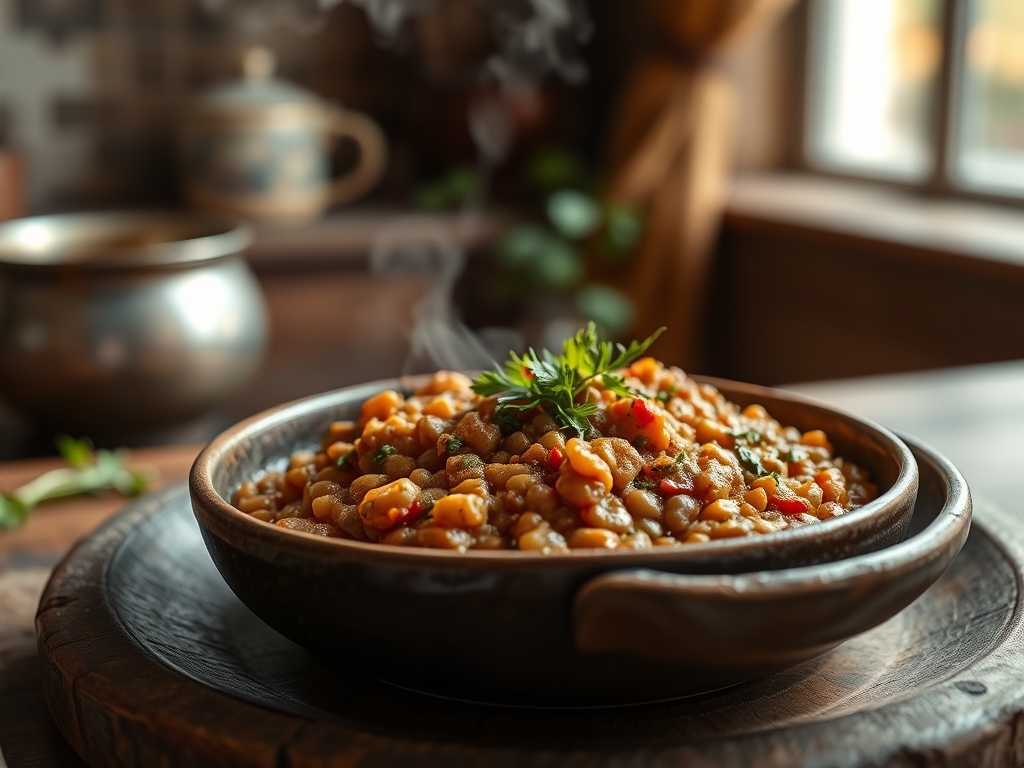
The wind howls across the ridgeline while your core temperature begins its inevitable descent. In this high stakes environment, your camp stove is not just a tool; it is a life support system. Forget the dehydrated sawdust masquerading as dinner. We are here to talk about the One Pot Lentil Dal. This is the ultimate thermal battery for the human engine. It is a dense, viscous masterpiece of legume engineering that stores heat long after the flame dies. Imagine the smell of blooming cumin seeds hitting hot fat; it is a piquant siren song that cuts through the mountain air. We are optimizing for maximum caloric density and minimal cleanup. Every gram of red lentil is a tiny vessel for aromatic infusion. As the starches gelatinize, they create a thermal mass that keeps your blood pumping and your spirits high. This is not just a meal; it is an infrastructural necessity for any high efficiency campsite pulse. We are building a foundation of flavor that stands up to the harshest elements.
THE DATA MATRIX
| Metric | Specification |
|---|---|
| Prep Time | 10 Minutes |
| Execution Time | 25 Minutes |
| Yield | 4 Robust Servings |
| Complexity (1-10) | 3 |
| Estimated Cost per Serving | $1.15 USD |
THE GATHERS
Ingredient Protocol:
- 200g / 1 cup Red Split Lentils (rinsed until clear)
- 15ml / 1 tbsp Ghee or Neutral Oil
- 1 medium Yellow Onion (finely diced)
- 3 cloves Garlic (minced)
- 15g / 1 tbsp Fresh Ginger (grated)
- 5g / 1 tsp Ground Turmeric
- 5g / 1 tsp Cumin Seeds
- 2g / 0.5 tsp Chili Flakes
- 400ml / 1.5 cups Coconut Milk (full fat)
- 500ml / 2 cups Vegetable Stock or Water
- 10ml / 2 tsp Fresh Lemon Juice
- 5g / 1 tsp Sea Salt
Section A: Ingredient Quality Audit:
Sub-par raw materials are the silent killers of the One Pot Lentil Dal. If your lentils are ancient, they will refuse to soften, remaining like gravel even after an hour of boiling. The fix is a pinch of baking soda to increase the pH and break down the hemicellulose in the cell walls. If your spices are dull and dusty, do not just toss them in. You must temper them in hot fat to awaken the volatile oils. If your ginger is fibrous and woody, use a microplane to pulverize it into a paste rather than dicing it. This ensures the flavor is distributed evenly through the matrix rather than leaving you with a mouthful of splinters.
THE MASTERCLASS
1. The Aromatic Ignition
Begin by heating your ghee in a heavy bottomed saucier or camping pot over medium heat. Drop in the cumin seeds. When they begin to dance and pop, they are releasing their essential oils. Add the diced onions immediately to stop the seeds from scorching.
Pro Tip: This process is known as tadka. Using a heavy pot ensures even heat distribution, preventing hot spots that lead to carbonization. A digital scale is your best friend here to ensure the ratio of fat to aromatics is precise for optimal flavor extraction.
2. The Maillard Foundation
Sauté the onions until they are translucent and just beginning to caramelize at the edges. Add the garlic and ginger. Stir constantly for 60 seconds. You are looking for the point where the raw sulfurous bite of the garlic transforms into a mellow, nutty sweetness.
Pro Tip: Use a bench scraper to transfer your finely diced aromatics from the cutting board to the pot. This prevents the loss of precious juices and ensures your prep area remains a high efficiency zone.
3. The Spice Infusion
Add the turmeric and chili flakes. Stir for 30 seconds to infuse the fat with color and heat. The turmeric must be toasted slightly to remove its raw, earthy bitterness. Do not let it burn; the high surface area of ground spices makes them prone to rapid oxidation.
Pro Tip: The fat acts as a solvent for the curcumin in the turmeric. Without this step, the spice remains hydrophobic and will not integrate properly into the final aqueous solution of the dal.
4. The Hydration Phase
Pour in the rinsed lentils, coconut milk, and stock. Use a wooden spoon to deglaze the bottom of the pot, scraping up any browned bits of onion. Bring the mixture to a vigorous boil, then immediately drop the heat to a low simmer.
Pro Tip: Rinsing lentils removes excess surface starch. If you skip this, the dal will become overly gummy rather than creamy. A digital thermometer can help you monitor the simmer; you are looking for a steady 190 degrees Fahrenheit to soften the legumes without disintegrating them.
5. The Molecular Finish
Simmer for 15 to 20 minutes until the lentils have absorbed the liquid and reached a viscous, porridge-like consistency. Stir in the salt and lemon juice at the very end. The acid provides a bright counterpoint to the heavy fats of the coconut milk.
Pro Tip: Adding salt too early can toughen the skins of some legumes. By adding it at the finish, you ensure the interior of the lentil is perfectly tender while the salt remains on the surface of the palate for maximum impact.
Section B: Prep & Timing Fault-Lines:
The most common failure in camp cooking is the "flash boil." If you apply too much heat too fast, the liquid evaporates before the lentils can hydrate, leaving you with a burnt crust at the bottom of your pot. If your timing is off and the dal is ready before your party is seated, cover the pot tightly. The thermal mass of the lentils will hold the temperature for up to 30 minutes. If the mixture becomes too thick, do not just add cold water; use a splash of hot tea or stock to maintain the internal temperature of the dish.
THE VISUAL SPECTRUM
Section C: Thermal & Visual Troubleshooting:
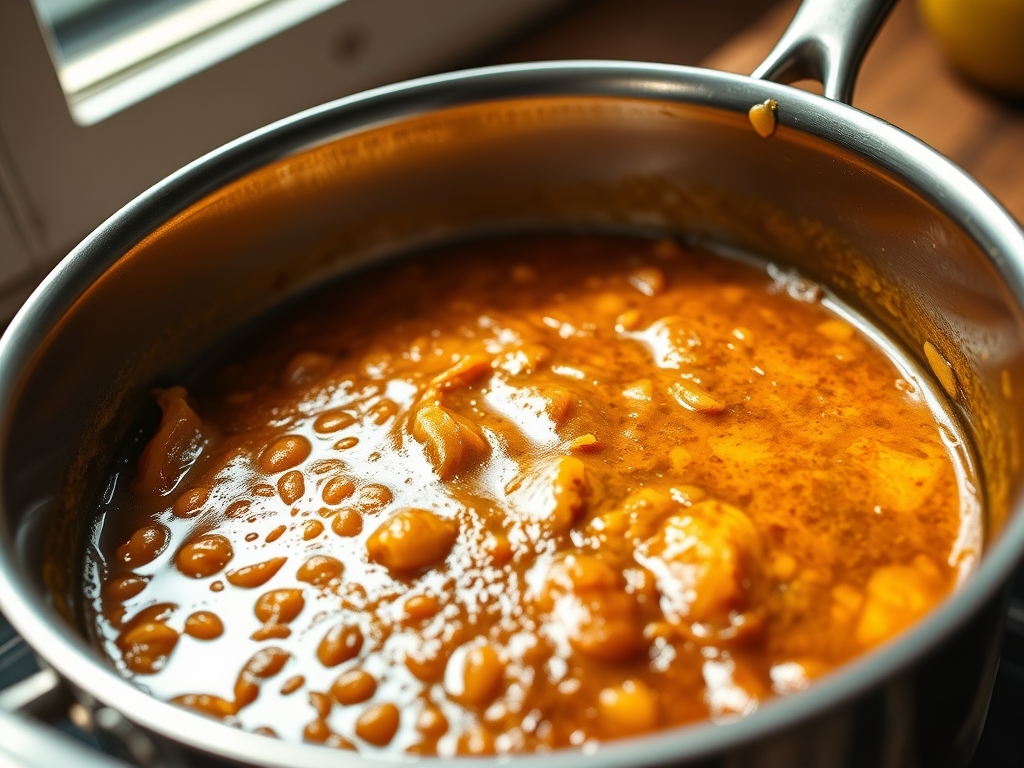
Look at the Masterclass photo. Note the vibrant, sunset orange hue. If your dal looks gray or muddy, you likely skimped on the turmeric or overcooked the garlic. If the texture looks watery rather than creamy, you need to aerate the mixture. Take a whisk or spoon and vigorously stir a small portion of the lentils against the side of the pot to release their starches. This creates a natural emulsion with the coconut milk. If you see oil pooling on top, your emulsion has broken. The fix is a tablespoon of water and a quick, aggressive stir to re-incorporate the fats into the starch matrix.
THE DEEP DIVE
Macro Nutrition Profile:
This One Pot Lentil Dal is a macronutrient powerhouse. Per serving, you are looking at approximately 350 calories, 18g of protein, 42g of complex carbohydrates, and 12g of healthy fats. It is a slow burn fuel source designed for sustained physical output.
Dietary Swaps:
- Vegan: This recipe is naturally vegan if you use oil instead of ghee.
- Keto: Replace half the lentils with cauliflower rice to lower the carb count, though the texture will be less viscous.
- GF: Naturally gluten free. Ensure your vegetable stock is certified.
Meal Prep & Reheating Science:
Lentils are notorious for absorbing liquid as they sit. If reheating the next day, the dal will have solidified into a thick paste. To restore the molecular structure, add a splash of water and heat slowly while stirring. This prevents the starches from scorching and helps the fats render back into a silky sauce.
THE KITCHEN TABLE
How do I make this even more caloric for winter treks?
Double the ghee and add a dollop of full fat Greek yogurt or extra coconut cream on top. Increasing the lipid content provides more long term energy for cold weather thermogenesis.
Can I use green lentils instead of red?
Green lentils hold their shape and take longer to cook. They will not produce the same creamy, integrated texture as red lentils. If using green, increase cook time by 15 minutes.
My dal is too spicy; how do I fix it?
Increase the fat. Add more coconut milk or a spoonful of sugar. The fats encapsulate the capsaicin molecules, preventing them from binding as aggressively to your pain receptors.
What is the best way to store leftovers in the bush?
Transfer to a leak proof silicone bag and keep it near the bottom of your pack where it is coolest. Consume within 24 hours to ensure food safety and optimal texture.