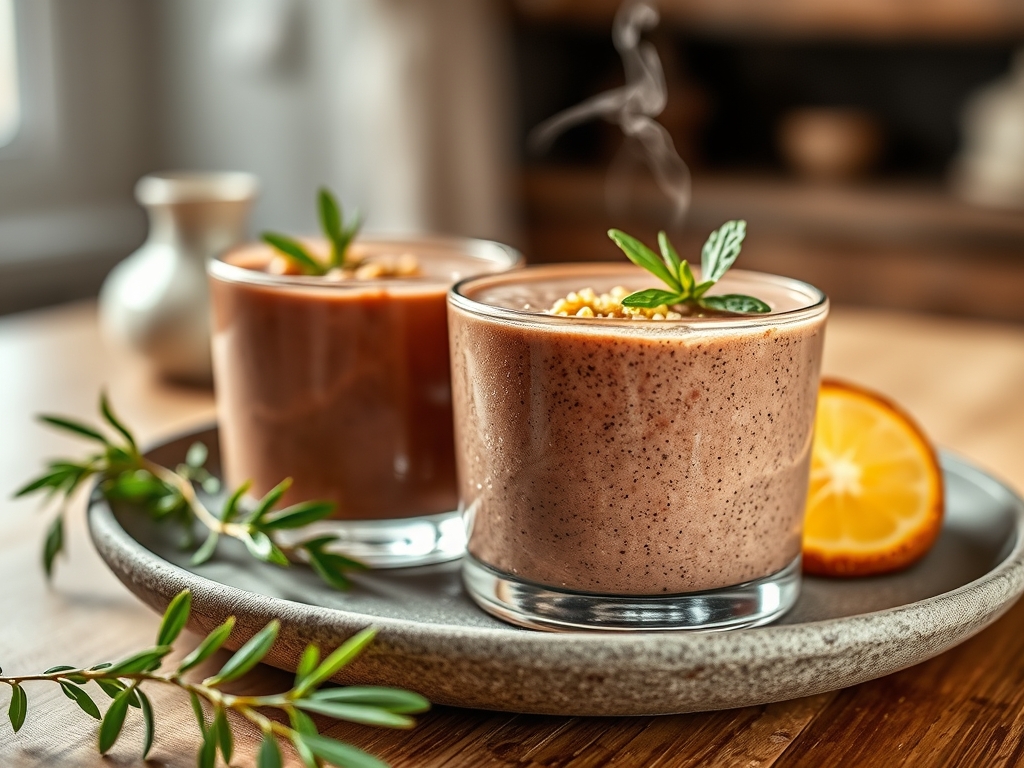
Imagine a world where the difference between a lackluster broth and a three-star culinary masterpiece is exactly 12 grams of precision-engineered powder. This is the realm of the Dry Soup Base; the unsung skeletal structure of the modern kitchen. We are moving past the era of salt-heavy cubes and entering a space defined by concentration ratios and flavor density. When you crack open a professional-grade base, you are not just looking at seasoning. You are looking at a dehydrated symphony of umami, lipids, and aromatics designed to hydrate into a viscous, mouth-coating experience. The air fills with a piquant aroma of roasted mirepoix and concentrated proteins. It is high-octane fuel for the palate. As an auditor of culinary infrastructure, I demand more than just "salty water." I demand a matrix of flavor that can withstand the rigors of high-volume service while maintaining the delicate nuances of a slow-simmered stock. Let us dismantle the myths of instant liquids and rebuild your pantry with technical superiority.
THE DATA MATRIX
| Metric | Specification |
|---|---|
| Prep Time | 10 Minutes |
| Execution Time | 5 Minutes |
| Yield | 2 Liters / 8.5 Cups |
| Complexity (1-10) | 2 |
| Estimated Cost per Serving | $0.42 |
THE GATHERS
Ingredient Protocol:
- 120g / 1 cup High-Density Chicken or Vegetable Powder (The Core Dry Soup Base)
- 30g / 4 tbsp Nutritional Yeast (For Umami Depth)
- 15g / 2 tbsp Dehydrated Allium Blend (Shallot and Garlic)
- 5g / 1 tsp Xanthan Gum (The Viscosity Stabilizer)
- 2g / 0.5 tsp Ground White Pepper (For Heat without Visual Impurity)
- 10ml / 2 tsp Toasted Sesame Oil (Optional Lipid Infusion)
- 2L / 8.5 cups Filtered Water (The Solvent)
Section A: Ingredient Quality Audit:
The primary failure point in any Dry Soup Base is oxidative rancidity. If your base smells like old cardboard instead of roasted poultry, the lipids have oxidized. To fix this, always store your base in vacuum-sealed containers away from UV light. If the powder has clumped into a solid brick, the moisture content has breached the 5 percent threshold. You can rescue this by processing the clumps in a high-speed blender to aerate the mixture, but the flavor profile may already be compromised. Another common issue is "salt-spike." If the base is too aggressive, counteract it by introducing a pinch of citric acid or a splash of rice vinegar to brighten the top notes and mask the sodium density.
THE MASTERCLASS
1. The Dry Phase Integration
Begin by weighing all dry components on a digital scale. Precision is non-negotiable here. Use a stainless steel whisk to combine the powder base, nutritional yeast, and stabilizers in a large glass bowl. You are looking for a homogenous color distribution.
Pro Tip: Use a fine-mesh sieve to sift the ingredients together. This prevents "clumping zones" where the xanthan gum might aggregate, ensuring that the final broth reaches a perfectly viscous consistency without gelatinous streaks.
2. The Solvent Activation
Bring your filtered water to a rolling boil in a heavy-bottomed saucier. The geometry of the saucier allows for better whisking coverage in the corners, preventing scorched sediment. Once the water reaches 100 degrees Celsius, reduce the heat to a simmer.
Pro Tip: Thermal energy is the catalyst for hydration. By maintaining a simmer, you ensure the starches and proteins in the Dry Soup Base fully denature and bond with the water molecules, creating a more robust mouthfeel.
3. Emulsification and Shearing
Slowly rain the dry mixture into the simmering liquid while whisking vigorously. If you are preparing a large batch, use an immersion blender to create a high-shear environment. This step is where the powder transforms into a silk-like broth.
Pro Tip: A bench scraper can be used to ensure no dry pockets remain on your workstation. The goal is to aerate the liquid slightly, which lightens the texture and allows the piquant aromatics to hit the olfactory receptors more effectively.
4. The Lipid Finish
Once the base is fully hydrated, whisk in your toasted sesame oil or a small knob of cold butter. This creates a lipid suspension that carries flavor across the tongue and provides a glossy sheen to the surface of the soup.
Pro Tip: This is known as "mounting" the soup. The fats act as a vehicle for fat-soluble flavor compounds that would otherwise remain trapped in the dry particles, resulting in a more complex and lingering finish.
Section B: Prep & Timing Fault-Lines:
Timing is the silent killer of quality. If you hydrate the Dry Soup Base too early and leave it on a high simmer, you risk "flavor fatigue" where the volatile aromatics evaporate, leaving behind only salt. Conversely, under-heating results in a grainy texture because the stabilizers haven't reached their activation temperature. Use a digital thermometer to ensure the liquid stays between 85 and 90 degrees Celsius for service. If the soup sits for more than four hours, the molecular bonds may begin to break down, requiring a "refresh" with a small amount of fresh water and a quick whisk to re-emulsify the fats.
THE VISUAL SPECTRUM
Section C: Thermal & Visual Troubleshooting:
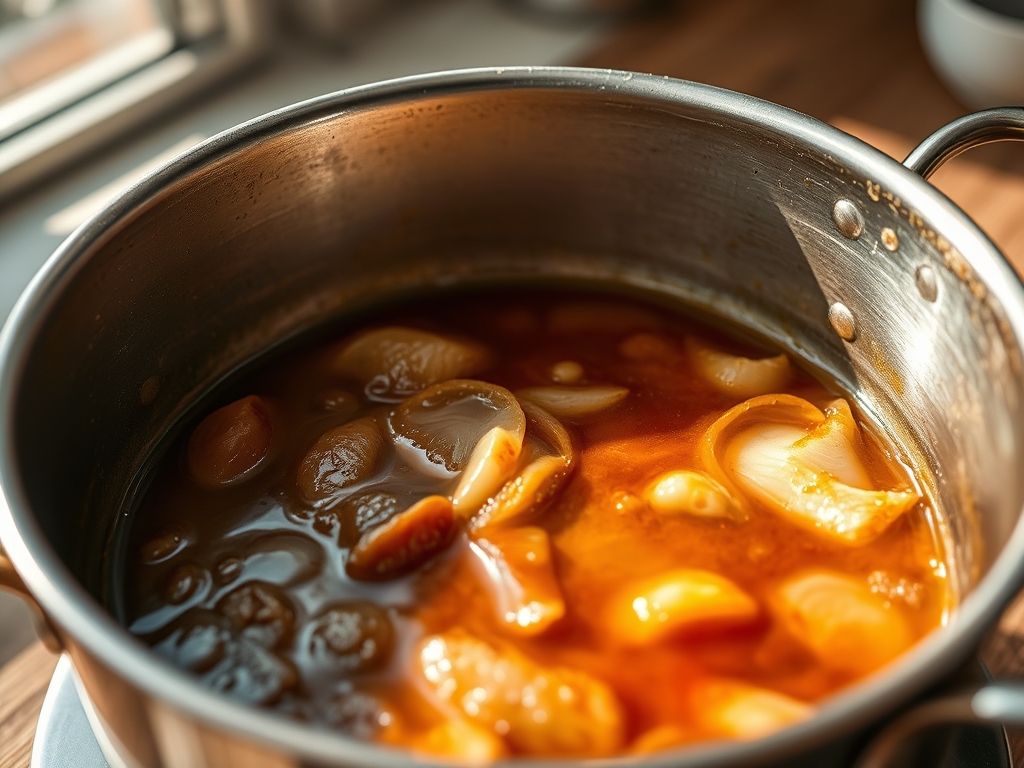
Look at the Masterclass photo above. Notice the deep, golden clarity and the lack of visible sediment. If your broth looks "muddy," you likely over-whisked and introduced too much air, or your heat was too high, causing the proteins to coagulate into unsightly foam. Use a slotted spoon to skim any impurities from the surface. If the color is dull, a micro-dose of turmeric can restore that vibrant, "liquid gold" aesthetic. Uneven browning at the edges of the pot suggests a "hot spot" in your burner; switch to a heavy-gauge copper or tri-ply saucier to ensure even thermal distribution. The final product should be translucent yet rich, reflecting light with a slight oily shimmer on the surface.
THE DEEP DIVE
Macro Nutrition Profile:
A standard 250ml serving of this reconstituted base contains approximately 45 calories, 2g of protein, 1g of fat, and 6g of carbohydrates. The sodium content is the primary variable; using a low-sodium Dry Soup Base allows for greater control over the final electrolyte balance.
Dietary Swaps:
For a Vegan protocol, ensure the base is mushroom or seaweed-derived. For Keto enthusiasts, replace the xanthan gum with heavy cream or collagen peptides to boost healthy fats and proteins. For a Gluten-Free (GF) certification, verify that the anti-caking agents in the dry powder are corn or potato-based rather than wheat-derived.
Meal Prep & Reheating Science:
When freezing this base, the water molecules form ice crystals that can puncture the emulsified fat globules. To reheat, do not microwave on high. Instead, use a gentle stovetop thaw. Once the liquid reaches 70 degrees Celsius, give it a "hard whisk" to re-incorporate the lipids and restore the molecular structure to its original viscous state.
THE KITCHEN TABLE
Why is my soup base always too salty?
Most commercial bases are 40 percent sodium by weight. To fix this, treat the base as a "concentrate" rather than a finished seasoning. Always dilute further than the packaging suggests and build flavor with fresh herbs or acids instead.
Can I use cold water to start?
Negative. Cold water allows the starches to settle at the bottom of the pot before they can hydrate, leading to scorching. Always introduce the Dry Soup Base to hot, moving liquid to ensure immediate and even dispersion.
How long does the dry powder actually last?
In a cool, dark environment, a high-quality base is shelf-stable for 12 to 18 months. However, once the seal is broken, oxygen begins to degrade the aromatic oils. For peak performance, consume within six months of opening.
What is the best way to add "body" to a thin base?
If the mouthfeel is watery, the concentration ratio is off. Instead of adding more salt-heavy powder, whisk in a slurry of cornstarch or a pinch of xanthan gum to increase the viscosity without altering the flavor profile.