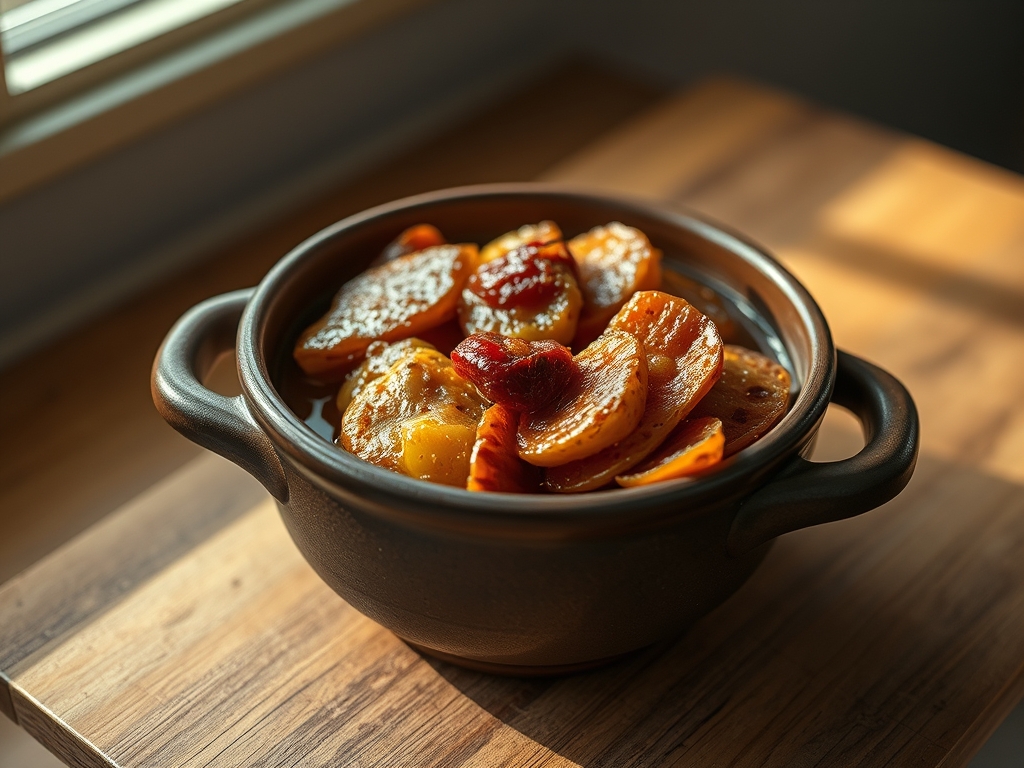
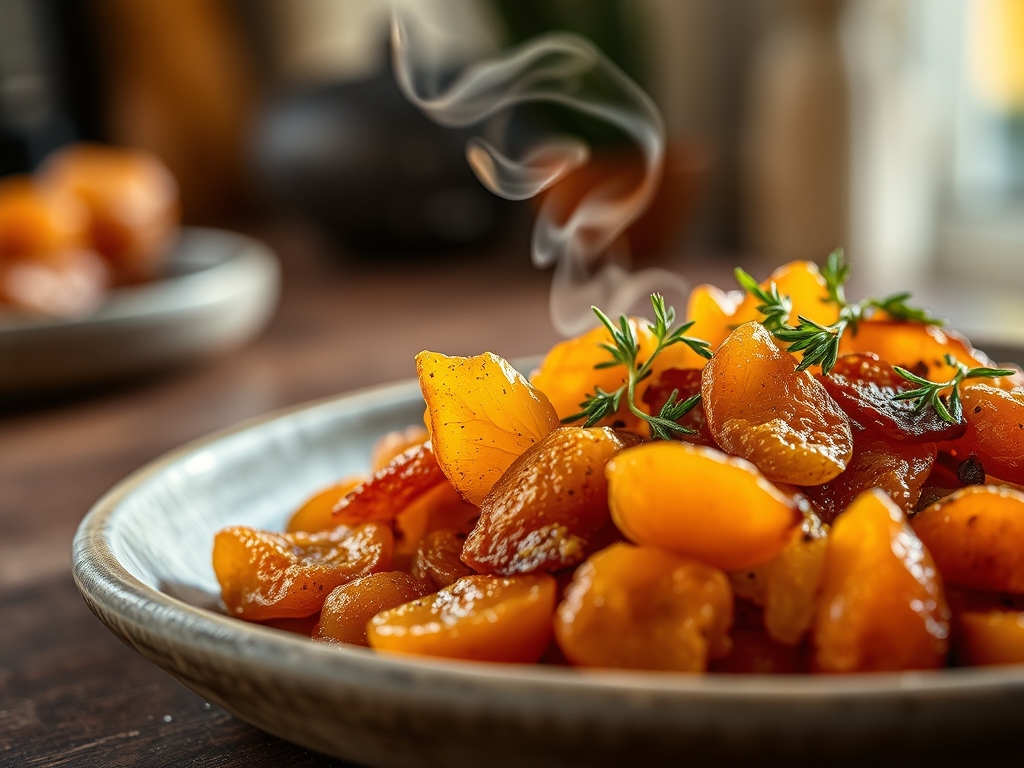
Strap into your carbon-fiber apron and calibrate your digital scales because we are about to re-engineer the concept of the snack. Forget those chalky, mass-produced protein bars that taste like recycled cardboard and unfulfilled promises. We are diving into the high-octane world of Dried Apricot Fuel; a molecularly dense, fructose-charged energy matrix designed for peak human performance. This is not a recipe for a casual afternoon tea. This is a technical audit of flavor and function. We are harnessing the concentrated sugars of sun-dried stone fruit and fusing them with healthy fats to create a portable power source that triggers a sustained insulin response without the crash. Imagine the piquant snap of a perfectly dehydrated apricot meeting the earthy, nutty crunch of toasted seeds. It is a sensory overload that demands precision. We are looking for the perfect balance of moisture and rigidity; a texture that is pliable yet structurally sound enough to survive a thousand-meter ascent or a grueling double-shift in a professional kitchen. Let us begin the assembly.
THE DATA MATRIX
| Metric | Specification |
|---|---|
| Prep Time | 15 Minutes |
| Execution Time | 25 Minutes |
| Yield | 16 High-Density Cubes |
| Complexity (1-10) | 4 |
| Estimated Cost per Serving | $0.85 USD |
THE GATHERS
Ingredient Protocol:
- 340g / 2 cups Dried Turkish Apricots (Sulphur-free preferred for depth)
- 125ml / 0.5 cup Raw Honey or Agave Nectar
- 250g / 1 cup Old Fashioned Rolled Oats
- 120ml / 0.5 cup Almond Butter (Smooth and emulsified)
- 60g / 0.5 cup Shelled Pistachios (Roughly chopped)
- 30g / 0.25 cup Hemp Hearts
- 5ml / 1 tsp Pure Vanilla Extract
- 2g / 0.5 tsp Flaky Sea Salt
Section A: Ingredient Quality Audit:
The primary failure point in Dried Apricot Fuel is the moisture content of the fruit. If your apricots are brittle and desiccated, they will not properly infuse with the binders. To fix this, flash-steam the fruit for 120 seconds to rehydrate the exterior before processing. Conversely, if your almond butter has undergone oil separation, do not simply pour it in. You must vigorously whisk the jar to re-establish the emulsion; otherwise, the bars will suffer from lipid leakage, resulting in a greasy finish. Finally, ensure your oats are not "quick-cook" variants. The structural integrity of the bar relies on the large surface area of rolled oats to create a stable fiber lattice.
THE MASTERCLASS
Step-by-Step Execution:
1. Thermal Activation of Aromatics
Place your rolled oats on a heavy-gauge baking sheet. Toast them at 175C (350F) for approximately 8 minutes until they emit a nutty aroma. This process utilizes the Maillard reaction to transform simple starches into complex flavor compounds.
Pro Tip: Use a digital kitchen timer and rotate the tray halfway through. Even heating ensures that the oats render their moisture without scorching, which provides a crispier texture in the final product.
2. The Fructose Reduction
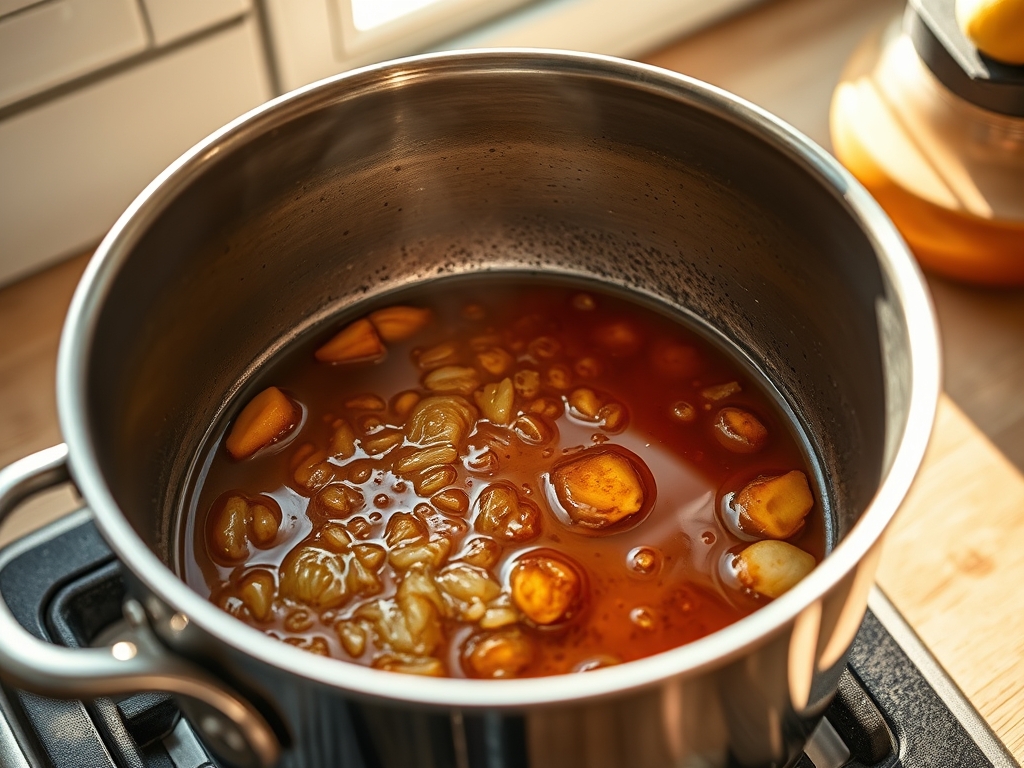
In a small stainless steel saucier, combine the honey and almond butter over low heat. Whisk constantly until the mixture becomes viscous and begins to simmer at the edges. Do not boil, as this will over-crystallize the sugars and make the bars brittle.
Pro Tip: Use a silicone spatula to scrape the sides of the pan. Professional chefs use this tool to ensure every gram of the binding agent is utilized, maintaining the precise ratios required for structural stability.
3. Molecular Fragmentation
Place the dried apricots in a high-speed food processor. Pulse until the fruit is broken down into a sticky, uniform paste. You are looking for a consistency that resembles thick jam but retains some visible fiber.
Pro Tip: If the paste is too thick, add 15ml of warm water. This reduces the viscosity just enough for the blades to move, ensuring a more uniform distribution of fruit throughout the energy matrix.
4. Integration and Emulsification
Transfer the apricot paste to a large stainless steel mixing bowl. Add the toasted oats, pistachios, hemp hearts, and the warm honey-almond mixture. Use a heavy-duty bench scraper or a stiff wooden spoon to fold the ingredients together until a homogenous mass forms.
Pro Tip: Speed is essential here. As the honey mixture cools, it begins to set. You must aerate and mix the ingredients while the binders are still fluid to ensure every oat is coated in the apricot-honey suspension.
5. Compression and Setting
Line an 8×8 inch pan with parchment paper. Transfer the mixture into the pan and use the flat side of a metal bench scraper to press the mass into a dense, flat layer. Apply significant pressure to eliminate air pockets.
Pro Tip: Place a second sheet of parchment on top and use a heavy flat-bottomed glass to compress the mixture. Higher density leads to better portability and a more satisfying "snap" when consumed.
Section B: Prep & Timing Fault-Lines:
The most common human error is premature slicing. If you attempt to cut the bars before the thermal energy has fully dissipated, the sugars will remain in a semi-liquid state, causing the bars to crumble. Allow the pan to rest in a refrigerator for at least 60 minutes. This allows the lipids in the almond butter to solidify, creating a "cold-set" bond that holds the fiber together. If the mixture feels tacky to the touch after an hour, your honey-to-oat ratio was likely skewed toward the liquid side; fix this by dusting the surface with a light coating of oat flour before slicing.
THE VISUAL SPECTRUM
Section C: Thermal & Visual Troubleshooting:
Referencing the Masterclass photo, your Dried Apricot Fuel should exhibit a vibrant, sunset-orange hue interspersed with the forest-green of the pistachios. If your bars appear dull or brownish, your apricots may have oxidized; next time, add 5ml of lemon juice to the processing stage to preserve the color. If the surface looks "sweaty," the honey was not heated sufficiently to drive off excess moisture. The texture should be matte and slightly textured, not shiny. Look for the distinct "flecking" of the hemp hearts, which indicates a successful distribution of micro-nutrients throughout the slab.
THE DEEP DIVE
Macro Nutrition Profile:
Each serving (one 2-inch square) delivers approximately 180 calories, 8g of healthy fats, 24g of complex carbohydrates, and 5g of plant-based protein. The high fiber content from the apricots and oats ensures a low glycemic index, providing sustained energy release rather than a sharp spike.
Dietary Swaps:
- Vegan: Ensure the use of agave nectar or brown rice syrup instead of honey.
- Keto: This recipe is inherently high-carb; however, you can reduce the apricot volume by 50% and replace it with crushed macadamia nuts and erythritol syrup.
- GF: Always verify that your oats are certified gluten-free to avoid cross-contamination.
Meal Prep & Reheating Science:
These bars are shelf-stable for up to 7 days in an airtight container, but for maximum molecular integrity, store them in the refrigerator. Cold storage prevents the natural oils in the nuts from going rancid. Do not reheat in a microwave; if you prefer a softer texture, let the bar sit at room temperature for 15 minutes to allow the sugars to soften naturally.
THE KITCHEN TABLE
Why are my energy bars falling apart?
Usually, this is a compression failure. If you do not pack the mixture firmly into the pan using a flat tool, the internal air pockets will cause structural collapse during transport. Press harder than you think is necessary.
Can I substitute peanut butter for almond butter?
Yes, but be aware that peanut butter has a more dominant flavor profile. Almond butter is chosen for its neutral palate, which allows the piquant notes of the Dried Apricot Fuel to remain the primary sensory focus.
How do I prevent the mixture from sticking to my hands?
Lightly dampen your hands with cold water or a thin film of neutral oil before pressing the mixture into the pan. This creates a temporary barrier that prevents the honey from bonding to your skin.
Is it necessary to toast the oats?
Absolutely. Raw oats have a "dusty" mouthfeel and lack structural rigidity. Toasting them not only improves flavor via the Maillard reaction but also hardens the outer shell, providing a superior crunch against the soft apricot paste.