Forget everything you know about beige mush sitting in a plastic tub at the back of your refrigerator. We are not just making a snack; we are engineering a high-performance fuel cell designed for maximum bioavailability. This is the Hummus Energy Dip, a culinary infrastructure project that demands the precision of a structural engineer and the soul of a piquant artisan. Imagine a texture so viscous it clings to a vegetable baton with gravitational defiance, yet remains light enough to aerate on the palate. We are talking about a molecular triumph where the earthy grounding of chickpeas meets the sharp, electric zip of fresh citrus and cold-pressed lipids. This dip is the kinetic engine of your workday. It is the dense, creamy foundation upon which your productivity is built. We do not settle for grainy pastes or separated oils. We demand an emulsion so stable it could withstand a centrifugal test. Prepare your workstation; we are about to render raw legumes into a masterpiece of complex carbohydrate architecture that will redefine your sensory expectations.
THE DATA MATRIX
| Metric | Specification |
|---|---|
| Prep Time | 15 Minutes |
| Execution Time | 10 Minutes |
| Yield | 750ml / 3 Cups |
| Complexity (1-10) | 4 |
| Estimated Cost per Serving | $0.85 USD |
THE GATHERS
Ingredient Protocol:
- 425g / 15oz Cooked Chickpeas (Skins removed for maximum smoothness)
- 120ml / 0.5 Cup Premium Tahini (Stone-ground, pourable consistency)
- 60ml / 4 Tbsp Fresh Lemon Juice (Filtered to remove pulp)
- 45ml / 3 Tbsp Extra Virgin Olive Oil (Cold-pressed, high polyphenol count)
- 2 Large Garlic Cloves (Microplaned into a fine paste)
- 5g / 1 Tsp Sea Salt (Fine grain for rapid dissolution)
- 3g / 0.5 Tsp Ground Cumin (Toasted for aromatic depth)
- 60ml to 90ml / 0.25 to 0.33 Cup Ice-Cold Water (The secret to aeration)
Section A: Ingredient Quality Audit:
The primary failure point in any Hummus Energy Dip is the quality of the tahini. If your sesame paste has separated into a concrete-like brick at the bottom of the jar, you must reintegrate it using a high-speed immersion blender before measurement. Sub-par tahini introduces a bitter, acrid note that no amount of lemon can mask. Furthermore, if using canned legumes, the "tinny" metallic aftertaste is a result of leaching. To fix this, rinse the chickpeas in a 2% saline solution and then simmer them for five minutes with a pinch of baking soda. This alkaline environment weakens the pectin in the skins, allowing them to slip off easily and ensuring your final product is not a gritty disappointment but a silky marvel.
THE MASTERCLASS
1. The Garlic-Lemon Infusion
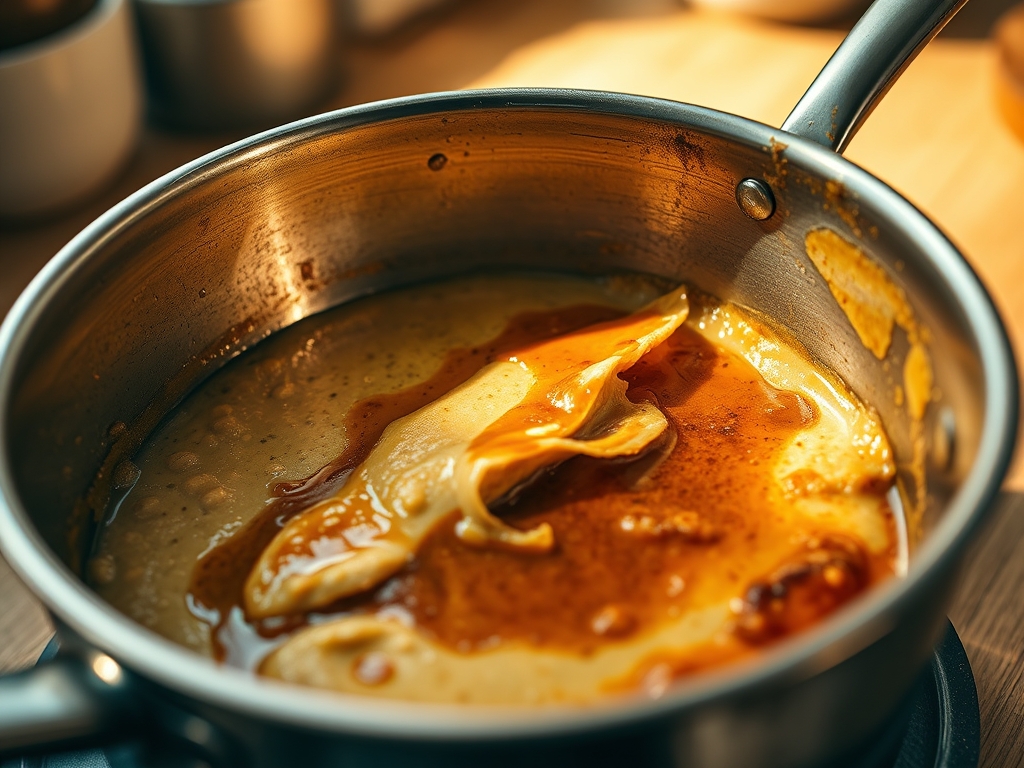
Place your microplaned garlic paste into a small bowl and drench it with the filtered lemon juice. Let this mixture sit for at least ten minutes. This process allows the citric acid to neutralize the harsh allicin compounds in the garlic, preventing that lingering, aggressive "garlic breath" while maintaining the piquant depth of the root.
Pro Tip: Use a digital scale to measure your liquids in grams rather than milliliters for 100% repeatability. The science of flavor balance relies on precise ratios of acid to fat.
2. The Tahini Emulsification
In your high-speed food processor, combine the tahini and the lemon-garlic mixture. Process for a full sixty seconds until the mixture turns into a thick, pale, whipped paste. This is the foundation of your lipid structure. You are looking for a physical change where the oils and acids bond into a uniform matrix.
Pro Tip: Use a silicone spatula to scrape the sides of the bowl twice during this stage. Any un-emulsified tahini will create streaks of bitterness in the final dip.
3. The Legume Integration
Add the chickpeas, cumin, and sea salt to the processor. Pulse until the mixture is broken down, then run the motor continuously for three minutes. The friction of the blades will slightly warm the proteins, allowing them to bond more effectively with the fats.
Pro Tip: If the mixture feels too heavy for the motor, use a bench scraper to move the mass toward the center. A heavy-duty processor is the professional tool of choice here to ensure the particle size is reduced to sub-micron levels.
4. The Ice-Water Aeration
While the motor is running, slowly drizzle in the ice-cold water one tablespoon at a time. Watch as the color shifts from a dull tan to a bright, creamy ivory. The cold water shocks the fats, causing them to fluff up and aerate, resulting in a texture that is light, mousse-like, and ethereal.
Pro Tip: The water must be "ice-cold." Room temperature water will not provide the necessary thermal shock to achieve that specific "cloud-like" Hummus Energy Dip consistency found in high-end Mediterranean kitchens.
Section B: Prep & Timing Fault-Lines:
Temperature control is your greatest ally and your fiercest enemy. If you process the chickpeas while they are boiling hot, the emulsion will break, and you will end up with a greasy slick on top of your dip. Conversely, if the chickpeas are too cold, the starches will remain locked and "chalky." The sweet spot is room temperature. If you find your dip is too thick after refrigeration, do not add more oil; add a teaspoon of warm water and whisk vigorously. This restores the molecular tension without diluting the flavor profile with excess lipids.
THE VISUAL SPECTRUM
Section C: Thermal & Visual Troubleshooting:
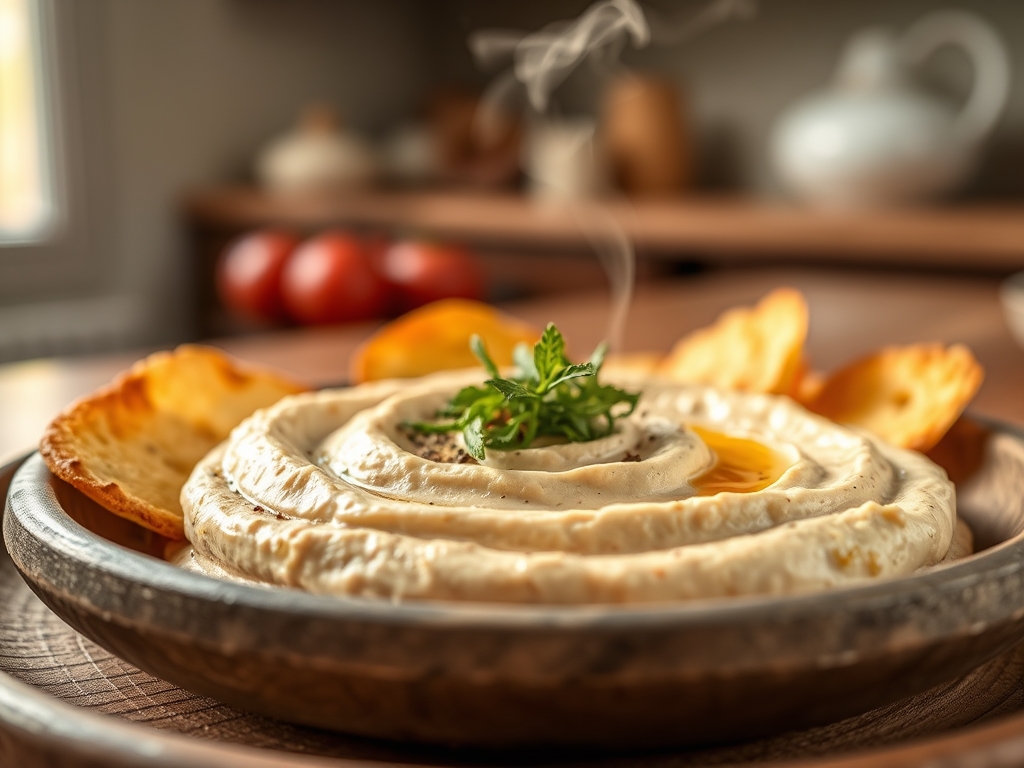
Look at the Masterclass photo above. Notice the "crater" effect in the center; this is achieved by using the back of a heavy spoon to create a circular well while rotating the bowl. If your dip looks dull or grey, it likely lacks sufficient acid or has oxidized. A fresh squeeze of lemon or a light dusting of sumac can restore the visual vibrance. If you see "beading" of oil on the surface, your emulsion has failed. To fix this, remove a small portion of the dip, whisk it with a teaspoon of boiling water, and then slowly fold it back into the main batch. The goal is a matte finish with a slight sheen that catches the light without looking "wet."
THE DEEP DIVE
Macro Nutrition Profile
A standard 50g serving of Hummus Energy Dip provides approximately 120 calories, 8g of healthy fats, 10g of complex carbohydrates, and 4g of plant-based protein. It is a low-glycemic index powerhouse that prevents the dreaded afternoon insulin spike.
Dietary Swaps
- Vegan: Naturally compliant. Ensure your tahini is processed in a nut-free facility if allergies are a concern.
- Keto: Replace 50% of the chickpeas with steamed cauliflower florets to reduce the net carb count while maintaining the viscous texture.
- GF: Naturally gluten-free. Ensure your cumin is certified gluten-free to avoid cross-contamination.
Meal Prep & Reheating Science
Hummus should never be heated in a microwave; the high heat denatures the proteins and causes the oils to separate, ruining the molecular structure. For meal prep, store in an airtight glass container with a thin layer of olive oil on top to prevent oxidation. It will maintain its structural integrity for up to five days at 4 degrees Celsius.
THE KITCHEN TABLE
Why is my hummus grainy?
You likely skipped the chickpea skin removal or didn't process long enough. The "energy" in Hummus Energy Dip comes from the smooth surface area of the legumes. Simmer canned peas with baking soda for five minutes to dissolve those stubborn skins.
Can I use bottled lemon juice?
Absolutely not. Bottled juice contains preservatives and has a flat, metallic flavor profile. Fresh lemon juice provides the necessary volatile oils and citric acid to brighten the heavy fats in the tahini.
How do I make it spicier?
Infuse your topping oil with red pepper flakes or fold in a teaspoon of harissa paste at the very end. Do not add raw chili to the processor, as it can turn the entire batch a muddy orange color.
What is the best way to serve this?
Serve at room temperature. Cold temperatures mute the piquant notes of the garlic and lemon. Garnish with whole chickpeas, a dusting of paprika, and a generous swirl of high-quality olive oil.