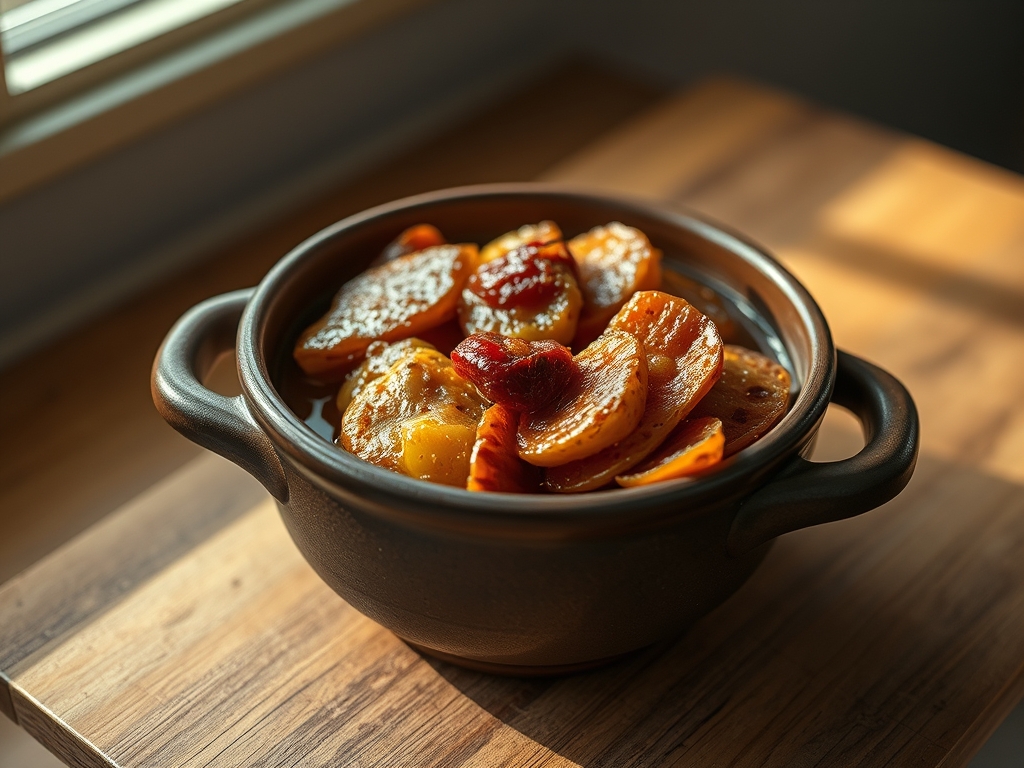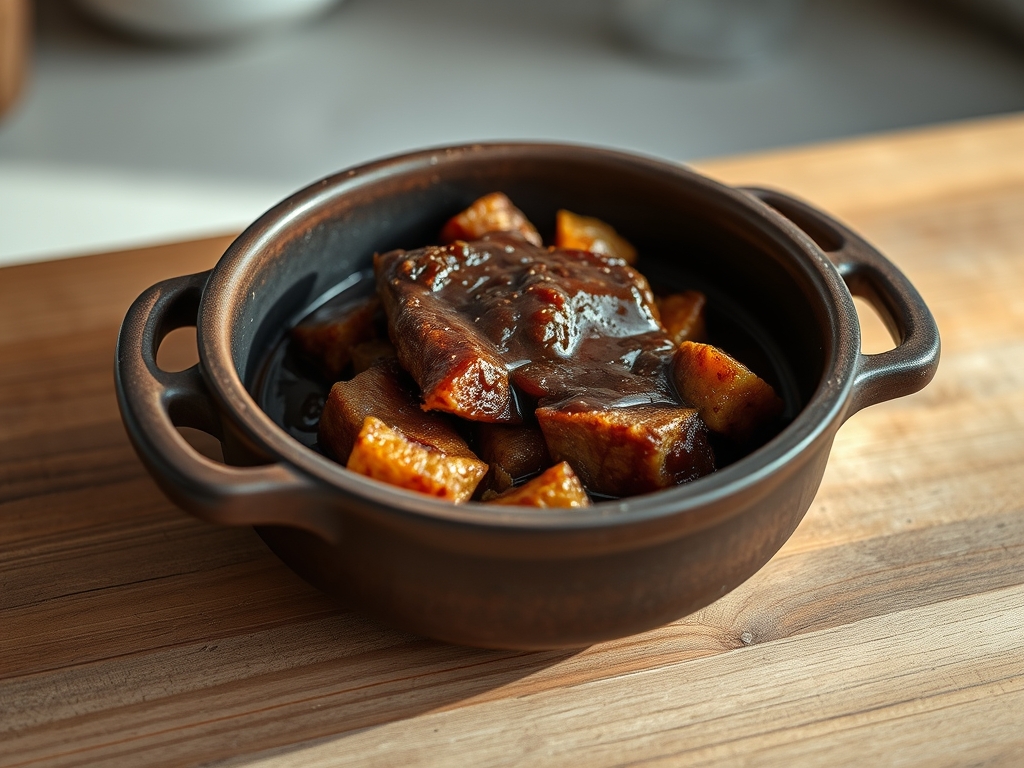
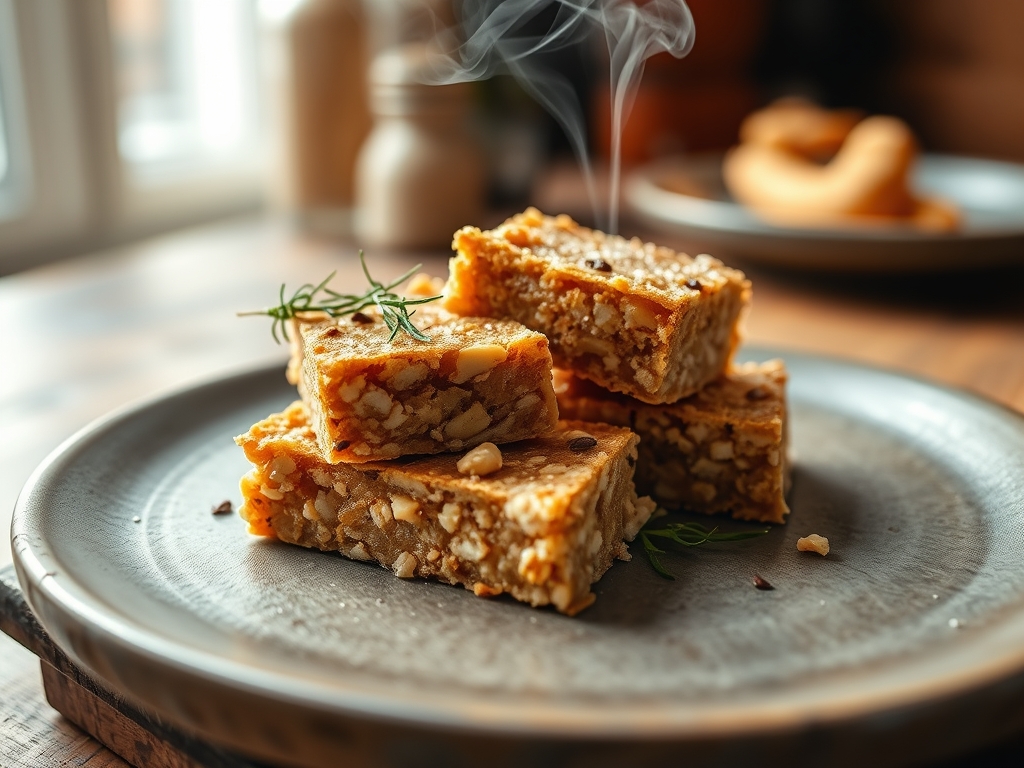
Imagine a dense, high-octane fuel cell that tastes like a decadent indulgence but performs like a precision-engineered kinetic battery. We are not talking about chalky, mass-produced rectangles wrapped in crinkling plastic; we are discussing the architectural marvel known as Peanut Power Bars. When you bite into a properly calibrated bar, you are experiencing the structural integrity of roasted legumes suspended in a viscous matrix of natural sugars and complex lipids. The aroma is a frontal assault of toasted earthiness and caramelization. The texture is a calculated balance between the snap of a cold-pressed oil and the chewy resistance of fiber-rich oats. This is culinary infrastructure at its most efficient. Every gram is accounted for; every calorie is a unit of potential energy waiting to be unleashed during your next high-altitude trek or deep-focus work session. We are moving beyond simple snacking and entering the realm of mechanical compression. It is time to audit your pantry and prepare for a high-density deployment of flavor and function that will redefine your metabolic expectations.
THE DATA MATRIX
| Metric | Specification |
|---|---|
| Prep Time | 15 Minutes |
| Execution Time | 25 Minutes (plus cooling) |
| Yield | 12 High-Density Bars |
| Complexity | 3 / 10 |
| Estimated Cost per Serving | $0.85 USD |
THE GATHERS
Ingredient Protocol:
- 500ml / 2 cups Old Fashioned Rolled Oats (The structural chassis)
- 250ml / 1 cup Natural Creamy Peanut Butter (The primary adhesive)
- 125ml / 0.5 cup Honey or Maple Syrup (The glycemic binder)
- 60ml / 0.25 cup Ground Flaxseed (The fiber reinforcement)
- 5ml / 1 tsp Vanilla Extract (The aromatic volatile)
- 2.5ml / 0.5 tsp Sea Salt (The electrolyte enhancer)
- 125ml / 0.5 cup Dark Chocolate Chips (The antioxidant payload)
- 60ml / 0.25 cup Roasted Peanuts, crushed (The textural variance)
Section A: Ingredient Quality Audit:
If your peanut butter is separated into a dry, chalky mass and a pool of oil, do not attempt to use it as-is. This lack of emulsification will lead to structural failure in your Peanut Power Bars. The fix: Use a high-speed immersion blender to reintegrate the oils before measuring. If your oats feel soft or "stale," they have likely absorbed ambient moisture. To rectify this, toast them in a dry pan for three minutes to render out the humidity and restore their structural rigidity. Finally, ensure your honey is fluid; if it has crystallized, gently warm the jar in a water bath to return it to a clear, liquid state.
THE MASTERCLASS
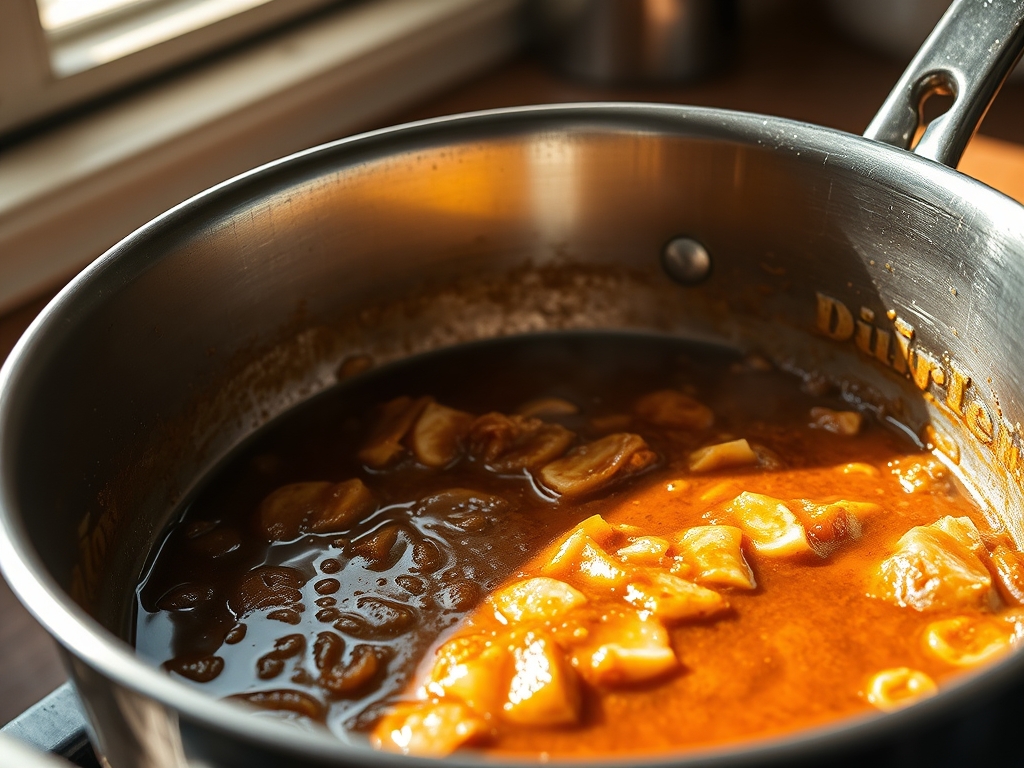
1. Thermal Priming of the Binder
Place your peanut butter and honey into a heavy-bottomed saucier over low heat. Stir constantly until the mixture becomes viscous and flows like molten lava. Do not allow it to boil; we are merely seeking to reduce the surface tension for better integration.
Pro Tip: Warming the liquids lowers their viscosity, allowing them to coat the dry particles more evenly at a microscopic level. This ensures every oat flake is chemically bonded to the protein source.
2. The Dry Component Integration
In a large stainless steel mixing bowl, combine the oats, flaxseed, and salt. Use a digital scale to ensure your ratios are exact. Pour the warm liquid binder over the dry assembly and fold vigorously using a silicone spatula.
Pro Tip: Use the spatula to "mash" the mixture against the sides of the bowl. This mechanical pressure forces the oils into the porous structure of the oats, creating a more stable final product.
3. Textural Reinforcement
Once the base is slightly cooled but still tacky, fold in the chocolate chips and crushed peanuts. If the mixture is too hot, the chocolate will melt and infuse the entire bar with a muddy brown hue rather than distinct pockets of flavor.
Pro Tip: Timing is critical here. Waiting for the temperature to drop below 35 degrees Celsius (95 degrees Fahrenheit) prevents the chocolate from losing its tempered snap.
4. Mechanical Compression
Transfer the mass to an 8×8 inch pan lined with parchment paper. Use a bench scraper or the bottom of a heavy glass to press the mixture into the corners with significant force. The goal is to eliminate air pockets.
Pro Tip: High-density compression is what separates a "crumbly snack" from a "power bar." The more force you apply, the more the lipids act as a structural grout, preventing the bar from shattering upon impact.
5. Cryogenic Stabilization
Place the pan in the refrigerator for at least two hours. Once set, lift the parchment paper out and place the block on a cutting board. Use a sharp chef knife to slice into twelve uniform rectangles.
Pro Tip: Chilling allows the saturated fats in the peanut butter to solidify, creating a crystalline lattice that holds the oats in a rigid, transportable form.
Section B: Prep & Timing Fault-Lines:
The most common failure in Peanut Power Bars is "The Great Crumble." This occurs when the bars are sliced before they have reached thermal equilibrium. If you cut them while warm, the sugars are still in a semi-liquid state. If your bars are too sticky, your honey-to-oat ratio is likely skewed. Always use a digital scale for the most accurate results; volume measurements for peanut butter are notoriously unreliable due to air gaps in the measuring cup.
THE VISUAL SPECTRUM
Section C: Thermal & Visual Troubleshooting:
Referencing our masterclass photo, notice the distinct "geological layers" of the bar. You should see individual oat grains held in a golden-brown suspension. If your bars look dull or grey, your oats were likely under-toasted or your flaxseed was oxidized. If the chocolate has streaks of white, it has undergone "fat bloom" due to improper cooling speeds. A perfect bar should have a slight sheen on the surface, indicating that the oils have settled into a smooth, protective coating. If the edges are ragged, your bench scraper technique was insufficient; ensure you apply even downward pressure across the entire surface area during the compression phase.
THE DEEP DIVE
Macro Nutrition Profile
Each bar is a concentrated source of energy, typically yielding 280 calories, 12g of protein, 22g of complex carbohydrates, and 16g of healthy fats. The inclusion of flaxseed provides essential Omega-3 fatty acids, while the oats offer a slow-release beta-glucan fiber that prevents insulin spikes.
Dietary Swaps (Vegan/Keto/GF)
To make these bars vegan, simply utilize maple syrup instead of honey. For a Keto-compliant version, replace the oats with a mix of hemp hearts and shredded coconut, and use a sugar-free sweetener. For those with gluten sensitivities, ensure your oats are certified GF to avoid cross-contamination during the milling process.
Meal Prep & Reheating Science
These bars are designed for stability. They can be stored in an airtight container at room temperature for seven days or refrigerated for three weeks. To maintain the molecular structure, do not reheat them in a microwave; the localized heat will melt the lipid bonds and turn your bar into a puddle of granola. If you prefer a softer texture, let them sit at room temperature for ten minutes before consumption.
THE KITCHEN TABLE
Why are my bars falling apart when I pick them up?
This is a compression failure. You likely did not pack the mixture firmly enough into the pan. Use a flat-bottomed object to apply more "mechanical load" during the pressing stage to ensure the ingredients fuse properly.
Can I use almond butter instead of peanut butter?
Absolutely. Almond butter provides a more piquant, nutty profile. However, almond butter is often more fluid than peanut butter, so you may need to add an extra 30ml of oats to maintain the correct structural density.
My bars are extremely hard and difficult to bite. What happened?
You likely overheated the honey. When honey is boiled, it reaches the "hard ball" stage of candy making. Keep the heat low and only warm the binder until it is just fluid enough to pour.
How do I get those perfectly clean edges seen in the photo?
The secret is a hot knife and a bench scraper. Wipe your knife blade with a warm, damp cloth between every single cut. This prevents the sugars from dragging and tearing the edges of the bars.