The steam hits your face like a humid slap from a tropical storm. It carries the scent of toasted grain and the promise of survival. When the grid falters or the supply chain snaps; you are left with a five-pound bag of long-grain white and a finite supply of potable water. This is not the time for culinary whimsy or guessing games. This is a high-stakes audit of your pantry infrastructure. To master Emergency Rice Ratios is to understand the precise point where starch granules transition from brittle crystals to tender, life-sustaining fuel. We are talking about the molecular threshold of gelatinization. If you overshoot the water, you produce a viscous, unappealing slurry. If you undershoot, you risk dental damage and wasted fuel. We are calibrating for the absolute margin of error. In a crisis, efficiency is the only metric that matters. You need a repeatable, foolproof protocol that turns a humble grain into a caloric powerhouse. Let us strip away the fluff and look at the hard data of starch saturation.
THE DATA MATRIX
| Metric | Specification |
|---|---|
| Prep Time | 5 Minutes |
| Execution Time | 18 Minutes |
| Yield | 3 Servings (Cooked) |
| Complexity (1-10) | 2 |
| Estimated Cost per Serving | $0.14 |
THE GATHERS
Ingredient Protocol:
- 250ml / 1 cup Long-grain white rice (unwashed for maximum starch retention in survival scenarios).
- 375ml / 1.5 cups Filtered water (The Golden Ratio).
- 5ml / 1 tsp Sea salt (to infuse the core of the grain).
- 15ml / 1 tbsp Neutral oil or rendered fat (to prevent surface adhesion).
Section A: Ingredient Quality Audit:
If your rice smells musty or like old cardboard, the lipids have oxidized. To salvage this, you must infuse the cooking water with a high-acid component like vinegar or lemon juice to neutralize the off-flavors. If your water is "hard" or mineral-heavy, the rice may take longer to soften. In this case, increase your water ratio by 5 percent to account for the slower hydration rate. If you are dealing with broken grains (common in budget emergency bags), reduce your agitation during the cooking process to avoid creating a gummy, viscous texture.
THE MASTERCLASS
1. The Desiccation Toast
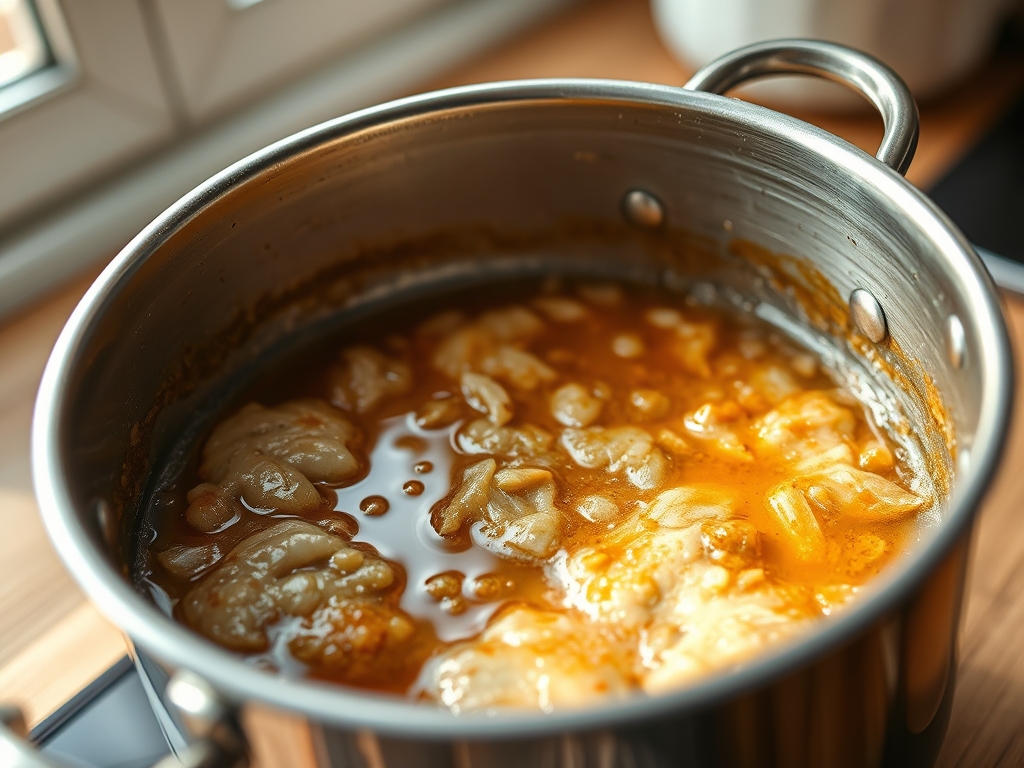
Place your dry rice into a cold saucier or heavy-bottomed pot. Turn the heat to medium and toast the grains for three minutes until they smell nutty. This initiates a mild Maillard reaction on the surface.
Pro Tip: Use a bench scraper to move the grains efficiently. Toasting creates a protective coating of dextrin, which prevents the grains from bursting and becoming mushy during the hydration phase.
2. The Hydraulic Injection
Pour the measured water and oil into the pot. The water should be at room temperature to ensure a gradual climb to the boiling point. Add the salt now to ensure it penetrates the grain before the starch sets.
Pro Tip: Use a digital scale to measure your water by weight (1ml = 1g) for absolute precision. Volumetric cups can vary by up to 10 percent depending on the manufacturer, which ruins your Emergency Rice Ratios.
3. The Hermetic Seal
Bring the liquid to a violent boil, then immediately drop the heat to the lowest possible setting. Cover the pot with a tight-fitting lid. If the lid is loose, place a clean kitchen towel between the pot and the lid to create a gasket.
Pro Tip: Do not lift the lid. Every time you peek, you lose the pressurized steam required to render the starch pliable. Use a heavy lid to maintain internal thermal stability.
4. The Residual Cure
After 15 minutes, remove the pot from the heat source but do not open it. Let it sit undisturbed for five minutes. This allows the moisture gradient to equalize across the entire batch.
Pro Tip: Use a silicone spatula to fluff the rice afterward. This allows you to aerate the grains without shearing the delicate starch structures you just built.
Section B: Prep & Timing Fault-Lines:
The most common failure is the "Early Peek." If you vent the steam too early, the top layer of rice will remain chalky while the bottom burns. If your heat source is too high, the water will evaporate before the grain centers hydrate. Always use a flame tamer or a heavy-bottomed pan to distribute heat evenly. If you are cooking over an open fire, move the pot to the edge of the embers rather than sitting it directly on the flame.
THE VISUAL SPECTRUM
Section C: Thermal & Visual Troubleshooting:
Referencing the Masterclass photo, your rice should appear as distinct, individual cylinders with a matte finish. If the rice looks translucent or "wet," the water ratio was too high; you must cook it uncovered for two minutes to evaporate the excess. If the grains are curled or split at the ends, you have over-agitated the pot. If the color is greyish rather than bright white, your water source may have high iron content. To fix a dull appearance, deglaze the bottom of the pot with a tiny splash of lime juice at the very end to brighten the aesthetic and the flavor profile.
THE DEEP DIVE
Macro Nutrition Profile:
A single serving (approx. 150g cooked) provides 205 calories, 4g of protein, 45g of carbohydrates, and 0.5g of fat. In an emergency, this is your primary glucose engine. It is low in micronutrients, so it should be paired with preserved proteins or fats whenever possible.
Dietary Swaps:
- Vegan: Use coconut oil or olive oil for the fat component.
- Keto: This is a high-carb staple; there is no direct swap for rice in a starch-heavy emergency protocol, but you can reduce the portion and increase the added fats.
- GF: Pure white rice is naturally gluten-free; ensure your salt or additives are not cross-contaminated.
Meal Prep & Reheating Science:
Rice undergoes "starch retrogradation" when cooled, turning the amylose into a resistant starch. This makes it firmer. To reheat, add 15ml of water per cup of rice and cover tightly. This recreates the steam chamber, forcing moisture back into the crystalline structure to restore its original suppleness.
THE KITCHEN TABLE
Why is my rice always crunchy in the middle?
You likely skipped the "Residual Cure" phase. That five-minute rest allows the steam to penetrate the core of the grain. Without it, the outside is overcooked while the center remains a desiccated starch brick.
Can I use sea water for the salt content?
Absolutely not. The salt concentration in sea water is far too high and contains impurities that will ruin the texture and cause dehydration. Always use fresh water and add measured salt for controlled Emergency Rice Ratios.
What if I do not have a lid?
Use a flat baking sheet or a piece of heavy-duty foil crimped tightly around the edges. The goal is to prevent steam escape. If steam escapes, the ratio fails, and the rice will fail to gelatinize properly.
Does rinsing the rice change the ratio?
Yes. Rinsing adds "surface moisture" which can throw off your measurements. If you must rinse, reduce the cooking water by two tablespoons to compensate for the liquid clinging to the grains after draining.