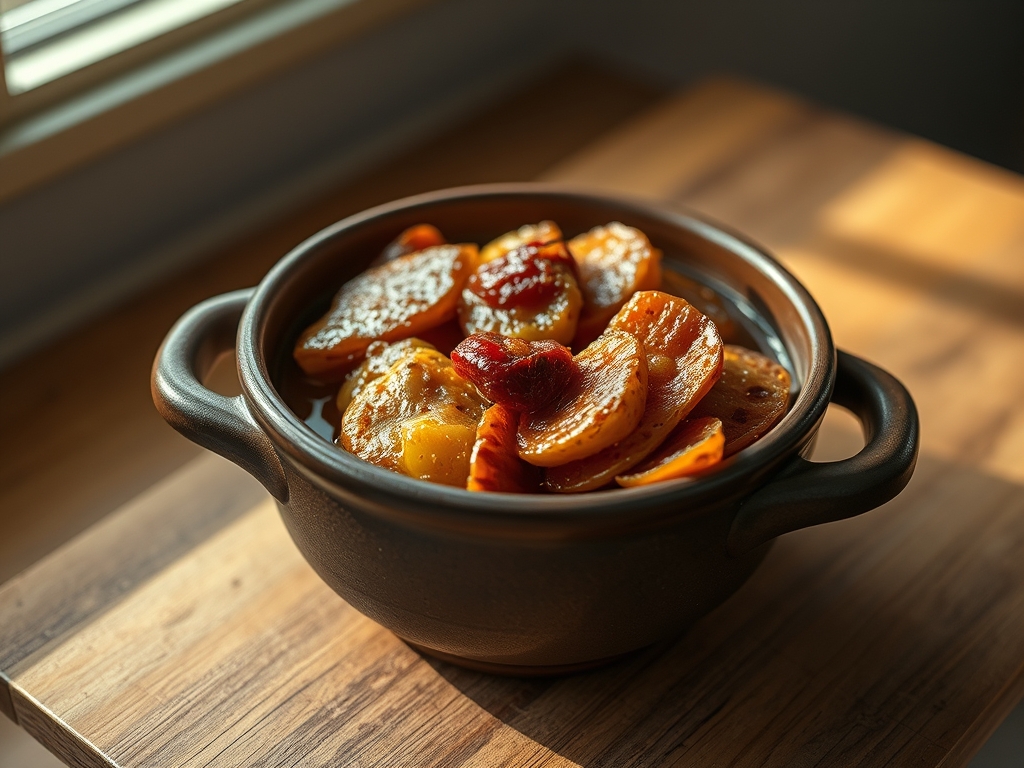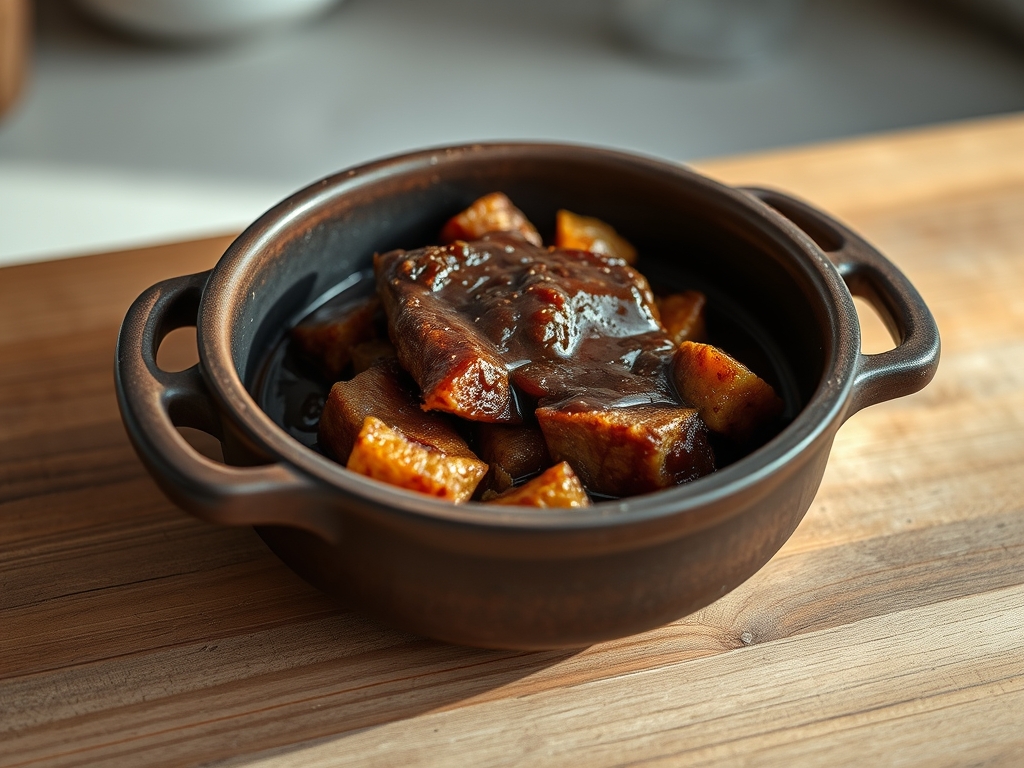
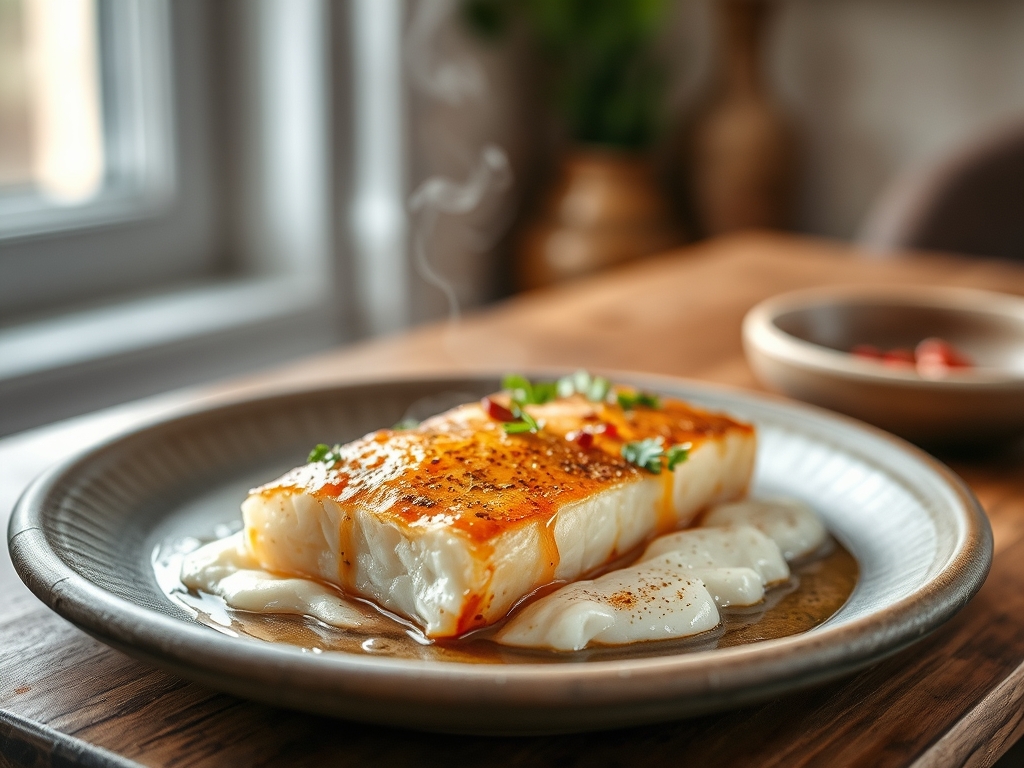
Imagine a slab of North Atlantic protein so densely packed with crystalline minerals that it feels more like a geological specimen than a culinary staple. This is the starting point for our Salted Cod Audit. We are dealing with a legacy of preservation that predates refrigeration; a process where osmotic pressure has systematically evacuated moisture to create a shelf-stable masterpiece. When you first handle a high-quality salt-cured fillet, the texture should be rigid and the surface should shimmer with a fine, snowy dust of sodium chloride. The aroma is not fishy in the traditional sense. Instead, it carries a clean, briny scent reminiscent of a cold ocean gale. This audit is not for the faint of heart or the impatient cook. We are here to reverse-engineer the curing process through controlled rehydration, transforming a desiccated plank into succulent, translucent flakes of pure oceanic gold. Prepare your stations and calibrate your scales. We are about to execute a technical reclamation of flavor that balances the aggressive bite of salt with the delicate sweetness of whitefish.
THE DATA MATRIX
| Metric | Specification |
|---|---|
| Prep Time | 24 to 48 Hours (Rehydration Phase) |
| Execution Time | 45 Minutes |
| Yield | 4 Standard Servings |
| Complexity (1-10) | 7 (Requires precision timing) |
| Estimated Cost per Serving | $8.50 – $12.00 |
THE GATHERS
Ingredient Protocol:
- 500g / 1.1 lbs Bone-in, skin-on salted cod (Bacalao)
- 500ml / 2 cups Whole milk (3.5% milkfat)
- 300ml / 1.25 cups Extra virgin olive oil
- 4 Large cloves of garlic, thinly sliced
- 2 Bay leaves, fresh preferred
- 5g / 1 tsp White peppercorns, whole
- 10g / 2 tsp Lemon zest, microplaned
- 250g / 0.5 lbs Yukon Gold potatoes, peeled and cubed
Section A: Ingredient Quality Audit:
If your salted cod arrives with a yellowish or brownish hue, it indicates lipid oxidation. This occurs when the fats in the fish have been exposed to oxygen for too long, leading to a rancid aftertaste that no amount of soaking can fix. To mitigate minor oxidation, perform a 2 hour soak in a 5 percent acidity vinegar solution before beginning the standard rehydration. If the fish is "woody" or excessively tough after a 24 hour soak, your water temperature was likely too high. Osmosis works best in near-freezing environments. Always use filtered water to ensure no chlorine interference with the delicate protein structure. For the olive oil, avoid anything labeled "light." You need the high polyphenolic content of a robust extra virgin oil to properly emulsify the fish proteins later in the process.
THE MASTERCLASS
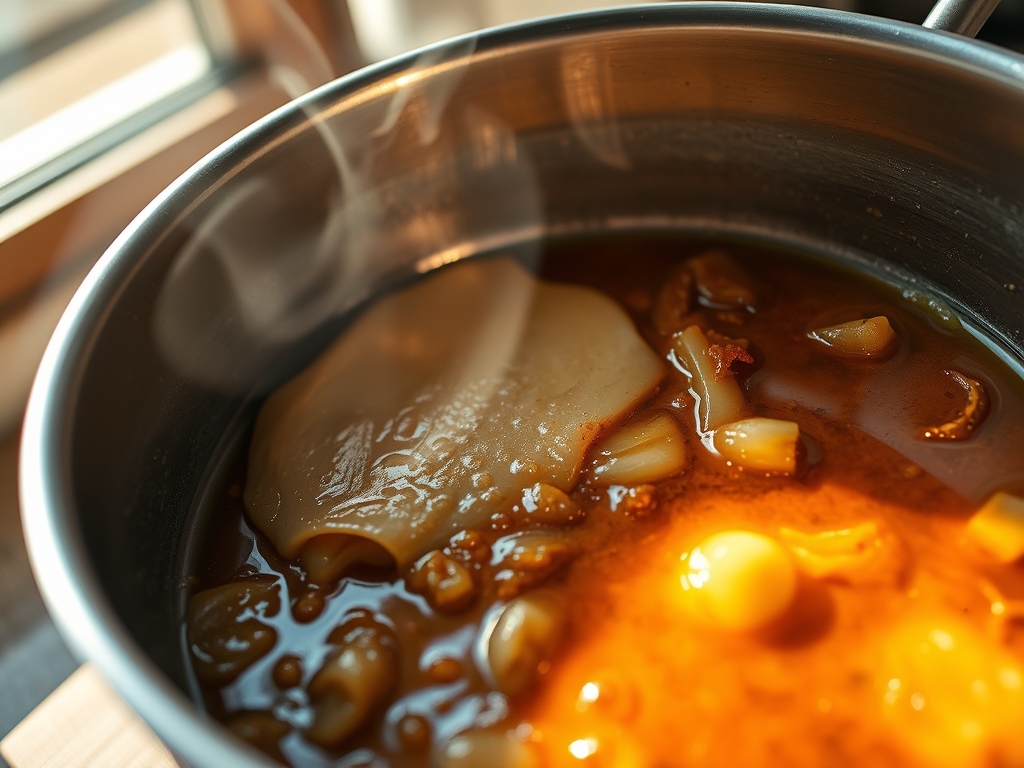
1. The Desalination Protocol
Submerge the cod in a large vessel of ice-cold water. Place the vessel in the refrigerator and change the water every 6 to 8 hours for a minimum of 24 hours. Use a digital scale to weigh the fish before and after to track moisture absorption.
Pro Tip: The science here is simple diffusion. By keeping the water cold, you prevent bacterial growth while allowing the salt ions to migrate from the high-concentration environment of the fish flesh into the low-concentration environment of the water.
2. The Poaching Phase
Place the rehydrated cod in a saucier and cover with the milk, bay leaves, and peppercorns. Bring to a bare simmer over low heat. Do not let the milk boil, as high heat will toughen the collagen fibers. Cook for 10 to 12 minutes until the fish flakes easily.
Pro Tip: Milk contains casein proteins that help neutralize any lingering "fishy" amines while gently breaking down the connective tissues. This ensures a viscous and creamy final texture.
3. Starch Integration
While the fish poaches, boil the cubed potatoes in salted water until they are completely soft. Drain them and pass them through a fine-mesh sieve or a ricer onto a clean workstation. Use a bench scraper to gather the fluff.
Pro Tip: Passing potatoes through a sieve breaks the starch granules without overworking them. This prevents the mixture from becoming gluey, ensuring a light and aerated consistency in the final emulsion.
4. The Emulsification Masterstroke
Drain the cod and discard the skin and bones. Place the warm fish and potatoes in a heavy-duty mixer. Gradually stream in the olive oil and garlic-infused oil while whisking vigorously. The mixture should transform into a thick, pale paste.
Pro Tip: This is a mechanical emulsion. The fish proteins act as the emulsifier, binding the water content of the potatoes with the lipids of the olive oil. If the mixture breaks, add a tablespoon of the warm poaching milk to re-stabilize the bond.
5. Final Infusion and Seasoning
Fold in the lemon zest and a touch of white pepper. Taste for salt; usually, the residual salt from the cure is sufficient. Transfer to a ceramic dish and use a blowtorch or a high broiler to render a golden crust on the surface.
Pro Tip: The Maillard reaction on the surface provides a piquant contrast to the creamy interior. Using a torch allows for precision browning without overcooking the delicate emulsion underneath.
Section B: Prep & Timing Fault-Lines:
The most common failure in this audit is the "Temperature Crash." If you attempt to emulsify cold oil into cold fish, the fats will congeal rather than integrate. Ensure your olive oil is at least room temperature and your fish/potato base is still steaming. Another critical error is rushing the desalination. If you cut the soak time short, the dish will be chemically aggressive and inedible. Use a small piece of the raw, soaked fish to test the salt levels before poaching. It should taste seasoned but not overwhelming.
THE VISUAL SPECTRUM
Section C: Thermal & Visual Troubleshooting:
Referencing the Masterclass photo, the ideal finished product should exhibit a "peaks and valleys" texture with charred highlights. If your dish looks dull or grey, you likely overcooked the fish in the milk, causing the proteins to tighten and squeeze out moisture. If the color is too yellow, your olive oil may have oxidized during the whisking process. To fix a broken, oily-looking surface, vigorously whisk in a teaspoon of boiling water; the heat and moisture will help the proteins recapture the stray fat droplets. The final texture should be thick enough to hold its shape on a crostini but soft enough to melt on the tongue.
THE DEEP DIVE
Macro Nutrition Profile:
Salted cod is a powerhouse of lean protein. A standard serving provides approximately 35g of protein with minimal carbohydrates (mostly from the potato binder). While the sodium content is higher than fresh fish, the 24 hour soak removes about 80 percent of the initial curing salt. It is rich in Omega-3 fatty acids and Vitamin B12.
Dietary Swaps:
For a Vegan alternative, use hearts of palm shredded to mimic cod flakes and substitute olive oil-based mash for the potatoes. For Keto adherents, replace the potatoes with a cauliflower puree that has been squeezed dry of all moisture. For a GF version, ensure your crackers or bread pairings are certified gluten-free.
Meal Prep & Reheating Science:
To maintain the molecular structure, do not microwave this dish. High-intensity waves will cause the oil to separate from the protein. Instead, reheat gently in a double boiler or a low oven (300F) covered with foil. This preserves the emulsion and prevents the fish from becoming rubbery.
THE KITCHEN TABLE
How long can I store the rehydrated cod?
Once fully desalted, treat it like fresh fish. It should be cooked within 24 to 48 hours. Keep it submerged in a light brine in the coldest part of your refrigerator to maintain optimal cellular turgor.
Can I use frozen cod instead?
No. This audit specifically targets the unique texture of salt-cured protein. Frozen cod lacks the density and the specific protein transformations that occur during the salting and drying process. The results would be watery and flavorless.
Why did my emulsion turn out oily?
You likely added the oil too fast. Emulsions require a slow, steady stream of fat while the proteins are agitated. If the oil pools, stop adding and whisk until it is fully incorporated before continuing.
Is the skin necessary during poaching?
Absolutely. The skin contains high levels of collagen which dissolves into the poaching liquid. This collagen acts as a natural stabilizer and adds a luxurious mouthfeel to the final emulsion that you cannot achieve with skinless fillets.