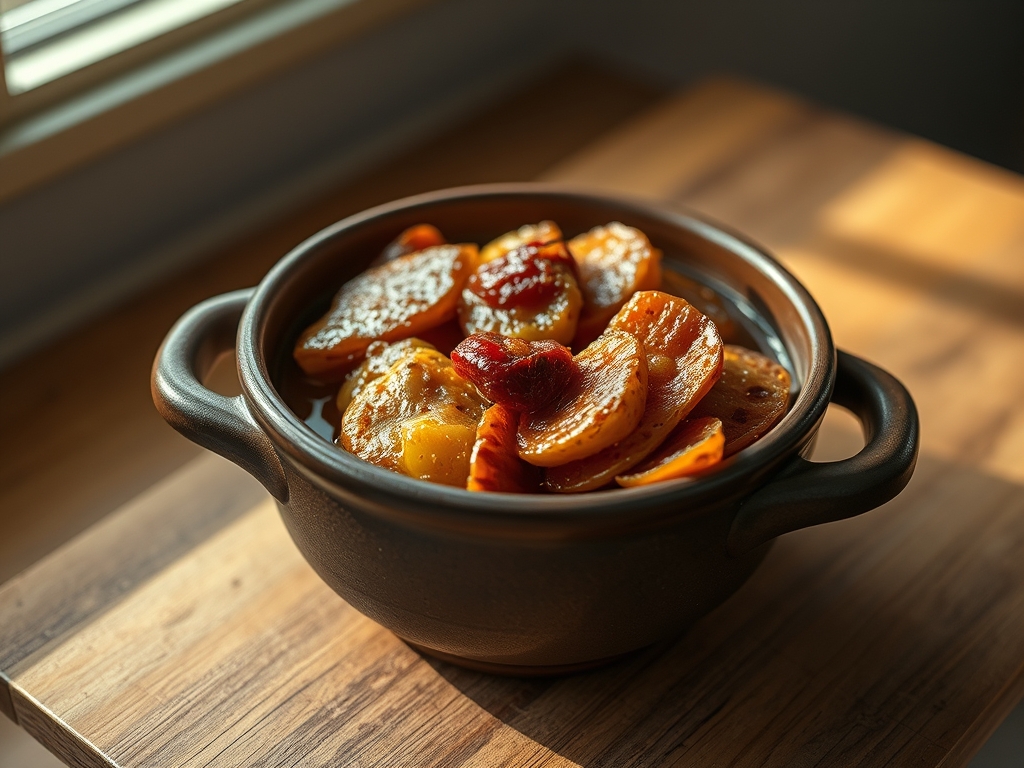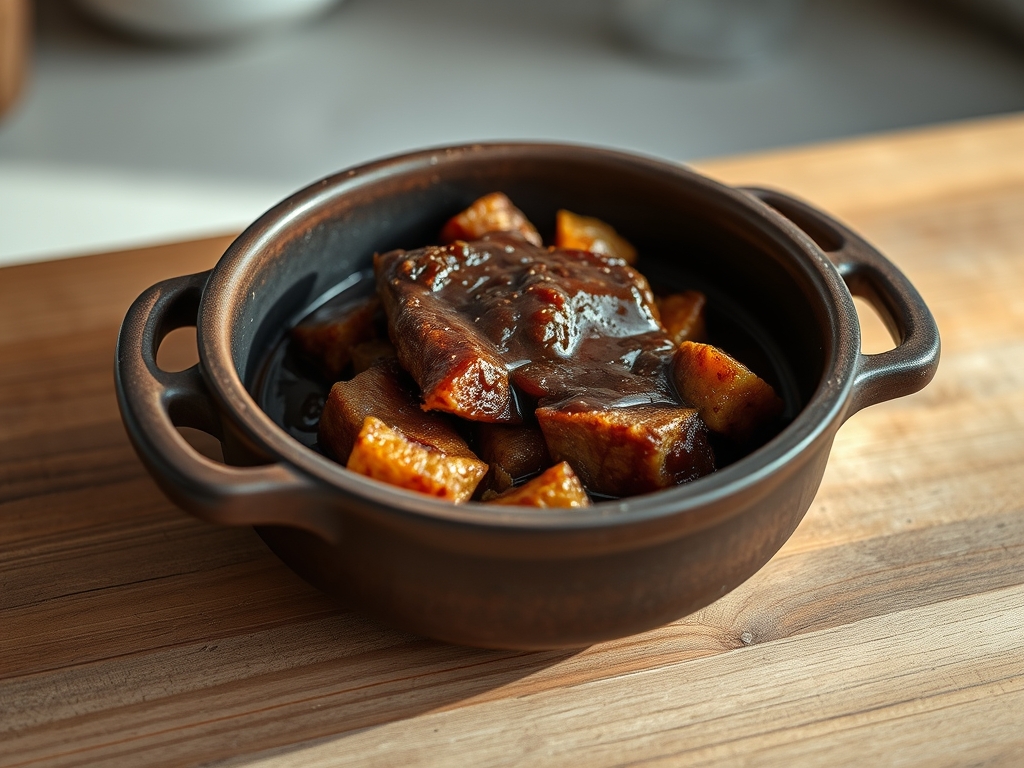
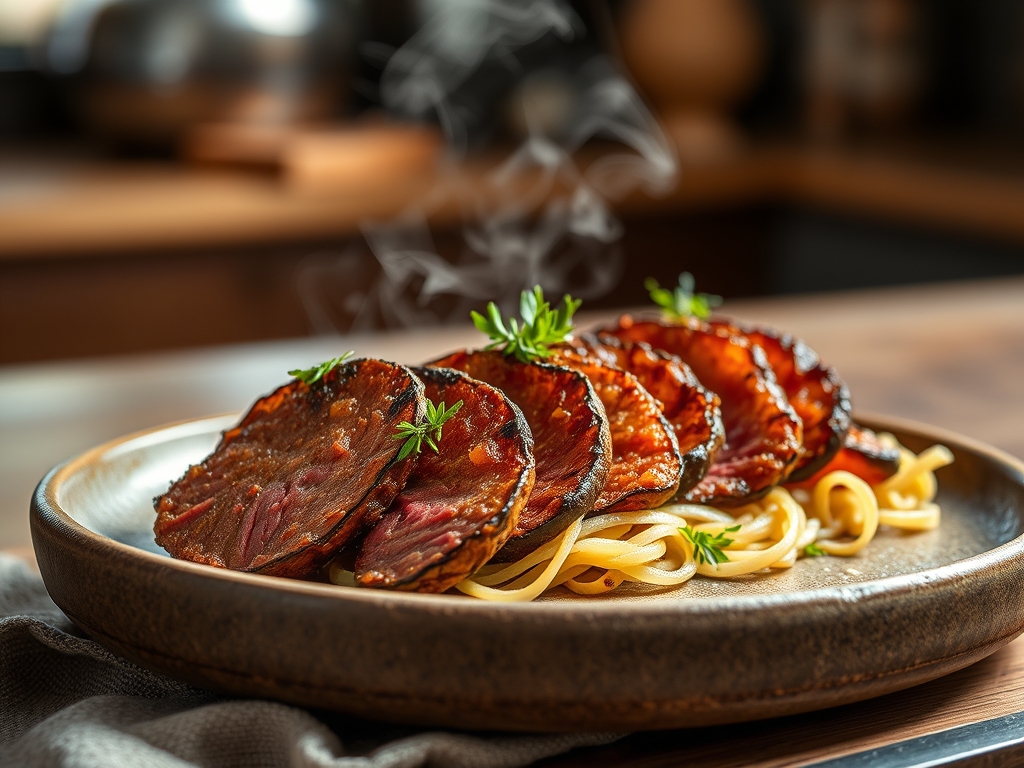
Imagine a world where the structural integrity of a ribeye is preserved through a vacuum-induced state of suspended animation. We are not talking about the chalky, dehydrated rations of yesterday; we are discussing the pinnacle of culinary infrastructure: Freeze Dried Meat. When you remove 98 percent of the moisture content via sublimation, you are left with a porous, lightweight matrix that acts like a sponge for flavor. The sensory experience begins the moment you introduce a warm, piquant liquid to these fibers. There is a sharp, audible crackle as the cellular walls rehydrate, pulling moisture back into the protein structure with mechanical efficiency. The aroma is concentrated, a distilled essence of Maillard reactions that have been locked in a cryogenic vault. This is not just a meal; it is a technical feat of moisture management and protein preservation. As a culinary auditor, I demand precision in every rehydration cycle. We are looking for that perfect snap, the rich mouthfeel of rendered fats, and the structural resilience that only high-quality sublimation can provide.
THE DATA MATRIX
| Metric | Specification |
|---|---|
| Prep Time | 10 Minutes |
| Execution Time | 15 Minutes |
| Yield | 4 Servings |
| Complexity (1-10) | 4 |
| Estimated Cost per Serving | $6.50 |
THE GATHERS
Ingredient Protocol:
- 500g / 1.1 lbs High-Quality Freeze Dried Meat (Beef or Chicken)
- 750ml / 3 cups Bone Broth or Mineral-Rich Stock
- 30ml / 2 tbsp Extra Virgin Olive Oil or Rendered Wagyu Tallow
- 15g / 1 tbsp Smoked Paprika
- 5g / 1 tsp Granulated Garlic
- 10g / 2 tsp Sea Salt (Adjust based on stock salinity)
- 2g / 0.5 tsp Freshly Cracked Black Pepper
- 15ml / 1 tbsp Worcestershire Sauce or Liquid Aminos
Section A: Ingredient Quality Audit:
If your raw materials lack the necessary "honeycomb" structure, your final result will be gummy rather than tender. Sub-par Freeze Dried Meat often suffers from "case hardening," where the exterior dried too quickly, trapping moisture inside and causing spoilage or off-flavors. To fix this, inspect the meat for a uniform, matte texture. If the protein feels excessively heavy, it likely contains residual moisture; increase your rehydration time by 25 percent and use a slightly more viscous liquid to penetrate the dense fibers. If your stock is lackluster, infuse it with aromatics like bay leaves or star anise before introducing it to the protein to boost the depth of the flavor profile.
THE MASTERCLASS
1. Thermal Liquid Preparation
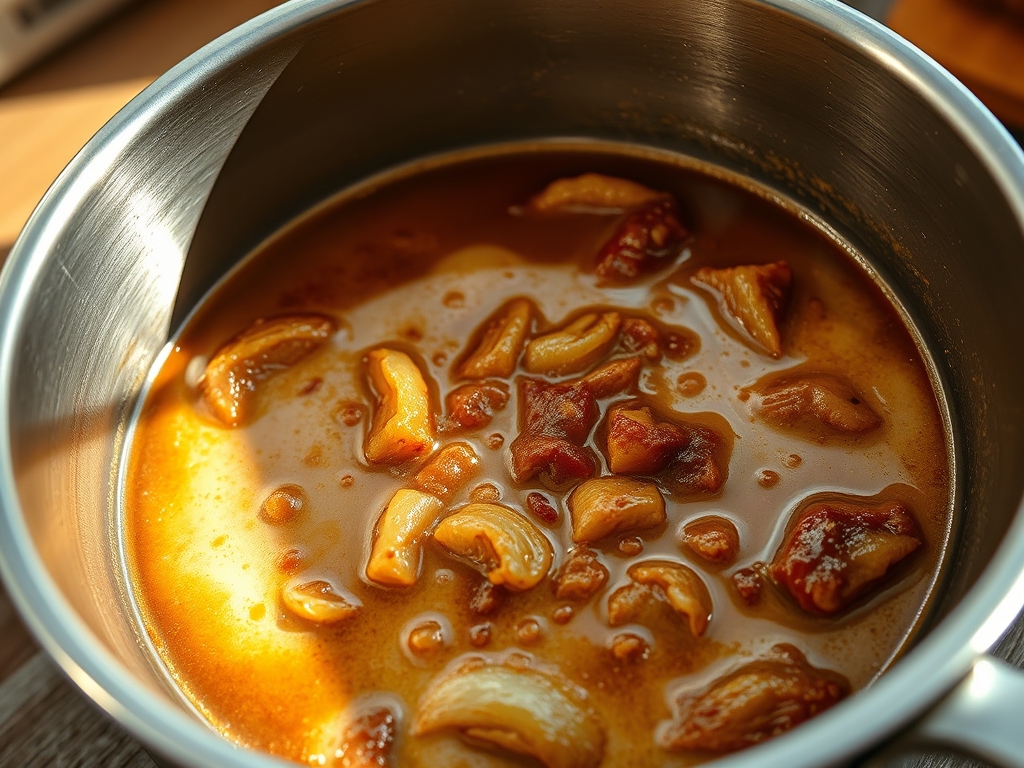
Begin by heating your bone broth in a high-walled saucier until it reaches exactly 85 degrees Celsius. Do not bring it to a rolling boil, as excessive heat can denature the delicate rehydrated proteins too quickly, leading to a "rubbery" texture. Use a digital thermometer to monitor the temperature with surgical precision.
Pro Tip: The science here involves osmotic pressure. By maintaining a sub-boiling temperature, you allow the liquid to move into the cellular voids of the meat without destroying the fiber walls. This ensures the meat retains its original bite.
2. The Infusion Phase
Place your Freeze Dried Meat into a stainless steel mixing bowl. Slowly pour the heated liquid over the protein, ensuring every piece is fully submerged. Use a bench scraper or a heavy spoon to gently press the meat down, forcing the air out of the porous structure and allowing the savory liquid to take its place.
Pro Tip: This is the re-incorporation of moisture through capillary action. Using a digital scale to weigh the meat before and after rehydration allows you to track exactly how much liquid has been absorbed, ensuring a consistent 1:1.5 ratio.
3. The Sear and Render
Once rehydrated (usually 5 to 7 minutes), drain any excess liquid. Heat your fat of choice in a heavy-bottomed skillet. Once the fat begins to shimmer, add the meat. We are looking to render any remaining fats and create a crisp exterior.
Pro Tip: Because the meat is already cooked, this step is purely for texture and the Maillard effect. A quick, high-heat sear provides the "crunch" that contrasts with the tender interior. Use a high-precision infrared thermometer to ensure your pan is at least 200 degrees Celsius before the meat hits the surface.
4. Aerate and Season
In the final sixty seconds, toss the meat with your dry spices and Worcestershire sauce. Use a tossing motion to aerate the meat, ensuring the spices coat every surface without clumping. This prevents the spices from burning while allowing their oils to bloom in the residual heat.
Pro Tip: Adding spices at the end prevents the volatile oils in the paprika and garlic from dissipating during the longer rehydration phase. This keeps the flavor profile sharp and piquant.
Section B: Prep & Timing Fault-Lines:
The most common human error is impatience. If you pull the meat from the liquid too early, the center will remain "woody" and dry. Conversely, leaving it too long can lead to structural collapse. Always use a timer. If you find your meat is cooling too fast during rehydration, cover the bowl with a tight-fitting lid or plastic wrap to trap the steam. This maintains the thermal energy required for the liquid to penetrate the dense protein fibers.
THE VISUAL SPECTRUM
Section C: Thermal & Visual Troubleshooting:
Referencing the Masterclass photo, you should see a distinct contrast between the dark, caramelized exterior and the moist, supple interior. If your meat looks grey and "boiled," your pan temperature was too low during the sear phase; increase the heat until the fat reaches its smoke point. If the colors appear dull, you likely skipped the acid component. A splash of lemon juice or vinegar right before serving will brighten the visual hue and the flavor. Uneven browning usually indicates that the meat was too wet when it hit the pan. Always pat the rehydrated protein dry with a lint-free cloth before searing to ensure the energy of the pan goes into browning rather than evaporating surface water.
THE DEEP DIVE
Macro Nutrition Profile:
Freeze Dried Meat is a nutritional powerhouse. Because the water is removed, the nutrient density per gram is significantly higher than fresh meat. On average, a 100g serving of rehydrated beef provides 55g of protein, 12g of fat, and 0g of carbohydrates. It is an ideal solution for high-performance diets where weight-to-nutrient ratios are critical.
Dietary Swaps:
For a Vegan "Meat" alternative, use freeze-dried tempeh or textured vegetable protein (TVP) following the same rehydration protocol. For Keto enthusiasts, ensure your rehydration liquid is a high-fat bone broth and avoid any sugar-based additives in the seasoning. This process is inherently Gluten-Free, provided your stock and Worcestershire sauce are certified.
Meal Prep & Reheating Science:
To maintain the molecular structure during reheating, avoid the microwave, which can cause "hot spots" that toughen the protein. Instead, use a low-heat steam method or a quick sauté in a covered pan with a tablespoon of water. This creates a localized steam environment that prevents the fibers from drying out a second time.
THE KITCHEN TABLE
How long does freeze dried meat last after opening?
Once the seal is broken, oxygen and moisture begin to degrade the product. Store in an airtight container with an oxygen absorber. It will remain shelf-stable for 6 to 12 months, though flavor peaks within the first 30 days.
Can I rehydrate meat with cold water?
Technically, yes, but it is inefficient. Cold water takes significantly longer to penetrate the protein matrix and often results in a "tough" texture. Warm liquid (60-85C) is the gold standard for maintaining structural integrity and speed.
Why is my rehydrated meat salty?
Freeze drying concentrates everything, including salt. If your raw meat was pre-seasoned, use a low-sodium or salt-free broth for rehydration. Always taste your rehydration liquid before adding the meat to ensure the salinity balance is correct.
Does freeze drying kill bacteria?
No. Freeze drying puts bacteria into a dormant state; it does not sterilize the food. Always ensure your meat was fully cooked before the freeze-drying process and handle it with the same hygiene standards as fresh produce.