The grid is down; the sky is the color of a bruised plum; and your digital oven display has surrendered to the void. This is the moment where culinary theory meets survivalist reality. When the humming infrastructure of a modern kitchen fails, you are left with the most primal of challenges: creating a high-density, high-flavor crumb without the luxury of automated convection or electric precision. Enter the Emergency Cornbread. This is not a dainty side dish for a summer barbecue. It is a structural masterpiece of chemical leavening designed to be executed over a gas flame or a bed of coals. We are looking for a crumb that is tight enough to hold together in a rucksack but airy enough to melt when it hits the palate. We need that iconic, jagged crust that only occurs when cold batter hits a scorching, pre-rendered fat source. This audit focuses on the aggressive reactivity between alkaline leaveners and acidic binders to ensure your survival rations taste like a five-star consolation prize.
THE DATA MATRIX
| Metric | Specification |
|---|---|
| Prep Time | 8 Minutes |
| Execution Time | 22 Minutes |
| Yield | 8 High-Density Wedges |
| Complexity (1-10) | 3 |
| Estimated Cost per Serving | $0.42 |
THE GATHERS
Ingredient Protocol:
- 240g / 1.5 cups Stone-Ground Yellow Cornmeal
- 125g / 1 cup All-Purpose Flour
- 15g / 1 tablespoon Baking Powder (Double-Acting)
- 5g / 1 teaspoon Baking Soda
- 6g / 1.25 teaspoons Fine Sea Salt
- 240ml / 1 cup Buttermilk (or acidified milk)
- 115g / 0.5 cup Unsalted Butter (melted)
- 2 Large Eggs (room temperature)
- 30ml / 2 tablespoons Honey or Maple Syrup
- 15ml / 1 tablespoon Bacon Grease (for the pan)
Section A: Ingredient Quality Audit:
If your cornmeal is too fine, the structure will collapse into a gummy mass. You require a medium-to-coarse grind to provide the internal scaffolding necessary for a high-rise Emergency Cornbread. If your buttermilk has expired or you lack it entirely, do not panic. You can simulate the acidic environment by adding 15ml of lemon juice or white vinegar to standard milk. This acidity is non-negotiable; it is the catalyst that triggers the sodium bicarbonate to release carbon dioxide. If your baking powder is over six months old, perform a reactivity test by dropping a pinch into hot water. No bubbles? No lift. In this scenario, double your baking soda and increase your acid ratio to compensate for the lack of secondary leavening.
THE MASTERCLASS
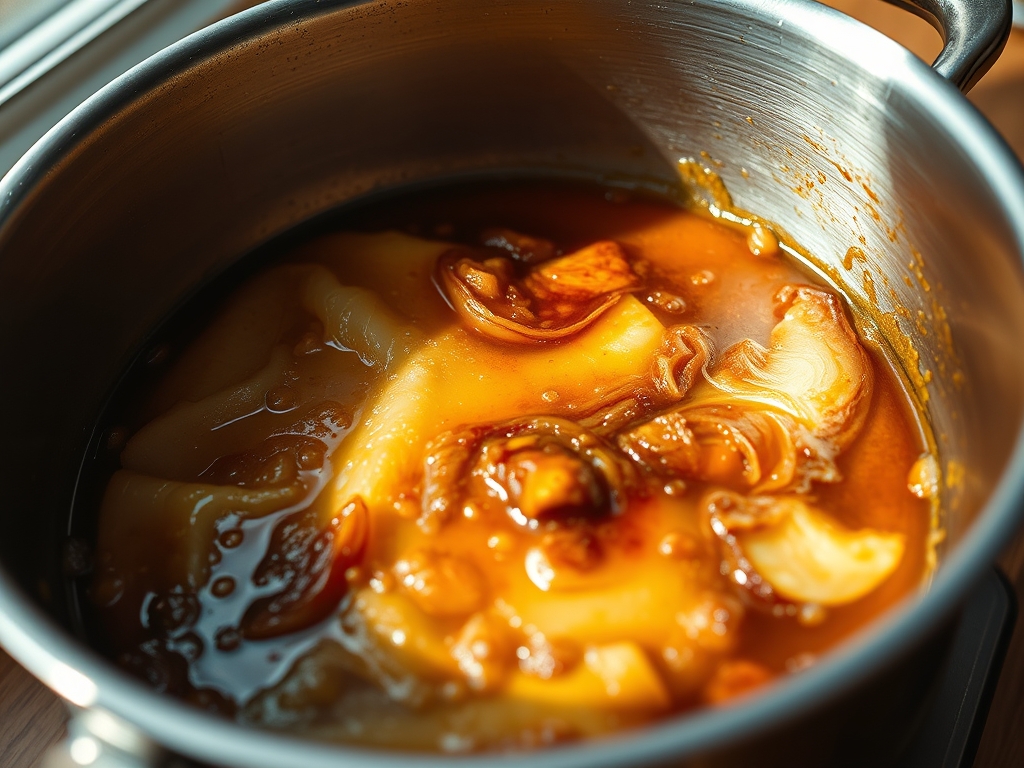
1. Thermal Priming of the Vessel
Place a 10-inch cast-iron skillet over your heat source. Add the bacon grease and allow it to reach the smoke point. You are looking for a shimmering, viscous surface that indicates the metal is ready to flash-sear the batter.
Pro Tip: Use a high-quality infrared thermometer to ensure the skillet surface is between 400F and 425F. This creates the "Maillard reaction" instantly upon contact, ensuring the crust does not stick to the iron.
2. The Dry-Phase Integration
In a large stainless steel mixing bowl, whisk together the cornmeal, flour, baking powder, baking soda, and salt. Ensure the distribution is perfectly homogenous to avoid "hot spots" of leavener that leave a metallic aftertaste.
Pro Tip: Sifting your dry ingredients with a fine-mesh strainer or using a balloon whisk will aerate the mixture, providing a lighter crumb even if your manual mixing technique is aggressive.
3. Emulsifying the Liquid Matrix
In a separate saucier or glass measuring jug, whisk the eggs, buttermilk, melted butter, and honey. The goal is a stable emulsion where the fats are fully suspended in the acidic liquid.
Pro Tip: Use a digital scale to measure your liquids by weight rather than volume for 100% repeatability. Accurate hydration levels prevent the bread from becoming a crumbly desert or a soggy mess.
4. The Critical Convergence
Pour the wet ingredients into the dry. Use a silicone spatula or a bench scraper to fold the mixture just until the dry streaks disappear. Over-mixing will develop gluten, turning your emergency ration into a rubbery brick.
Pro Tip: The batter should be thick but pourable. If it feels too stiff, add a tablespoon of water. A viscous batter traps more gas, leading to a superior vertical rise during the initial "oven spring" phase.
5. The Searing Deposit
Carefully pour the batter into the screaming-hot skillet. The edges should sizzle and fry immediately in the bacon grease. Cover the skillet with a heavy lid or foil to create a localized convection environment.
Pro Tip: Moving the skillet to the edge of the flame prevents the center from scorching while the residual heat from the iron walls cooks the interior through conductive heat transfer.
Section B: Prep & Timing Fault-Lines:
The most common failure in an off-grid scenario is "thermal impatience." If you pour the batter into a lukewarm pan, you lose the structural integrity of the crust. Conversely, if your heat source is too aggressive, the exterior will carbonize before the center reaches the required 200F internal temperature. Use a digital probe thermometer to check the core. If the top is browning too fast but the center is liquid, elevate the pan further from the flame. Timing is a variable; temperature is the constant.
THE VISUAL SPECTRUM
Section C: Thermal & Visual Troubleshooting:
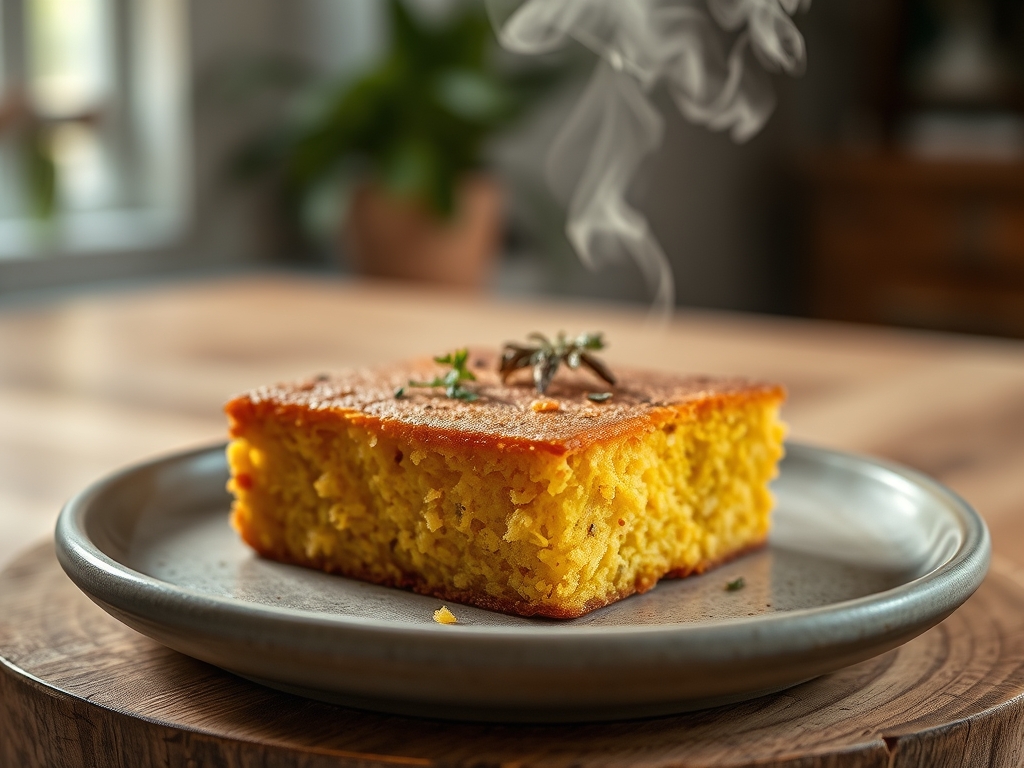
Referencing the Masterclass photo, your Emergency Cornbread should exhibit a "topographic" surface. You want deep golden-brown ridges with occasional fissures where the steam has escaped. If the surface is pale and flat, your leavening agent failed or your "lid" was not airtight, allowing vital moisture to escape. If the edges are black but the top is yellow, your skillet was too hot; next time, use a heat diffuser. A dull, matte finish usually indicates a lack of fat in the batter; ensure your butter is fully infused into the liquid phase to achieve that slight sheen and piquant aroma.
THE DEEP DIVE
Macro Nutrition Profile:
Each wedge provides approximately 280 calories, 35g of carbohydrates, 6g of protein, and 14g of fat. This is a high-energy fuel source designed for labor-intensive recovery efforts.
Dietary Swaps:
- Vegan: Replace eggs with "flax eggs" (1 tbsp flax meal + 3 tbsp water) and use coconut oil instead of butter. Use soy milk with apple cider vinegar for the buttermilk.
- Keto: Swap cornmeal for almond flour and corn extract; use erythritol instead of honey. Note: The structural "crunch" will be significantly reduced.
- GF: Use a high-quality 1-to-1 gluten-free flour blend. Increase the resting time of the batter by 10 minutes to allow the rice flours to hydrate.
Meal Prep & Reheating Science:
To maintain molecular structure, wrap leftovers in parchment paper and then foil. To reheat without electricity, place the wrapped wedge back into a dry skillet over low heat for 3 minutes per side. This "steams" the interior while the parchment prevents the crust from becoming soggy.
THE KITCHEN TABLE
How do I know it is done without a timer?
Watch the edges. When the cornbread begins to pull away from the sides of the skillet and the center feels firm to a light touch, the protein structure has set. A toothpick should come out clean.
Can I use water instead of milk?
Yes, but you will lose the Maillard browning and the richness. If using water, add an extra tablespoon of fat and a teaspoon of sugar to help the crust develop some color and flavor.
Why is my cornbread crumbling into dust?
This is usually caused by too much cornmeal and not enough flour or binder. Ensure your egg size is "Large" and do not skip the honey; the sugar acts as a humectant to hold moisture.
What if I do not have a cast-iron skillet?
Any heavy-bottomed stainless steel or Dutch oven will work. The key is the heat retention of the vessel. Thinner pans will likely scorch the bottom before the middle is cooked through.
Can I add mix-ins like jalapeños?
Absolutely. Fold in chopped peppers or cheese at the very end. This adds moisture and "piquant" notes, but be careful not to add too much or you will weigh down the aerated crumb.