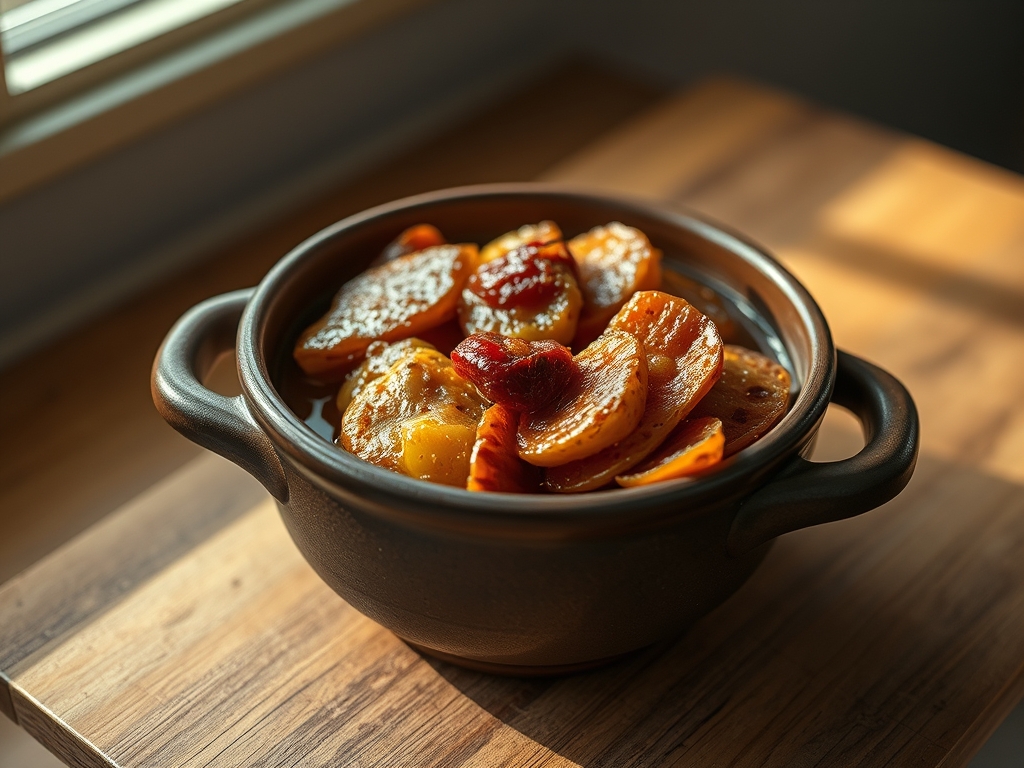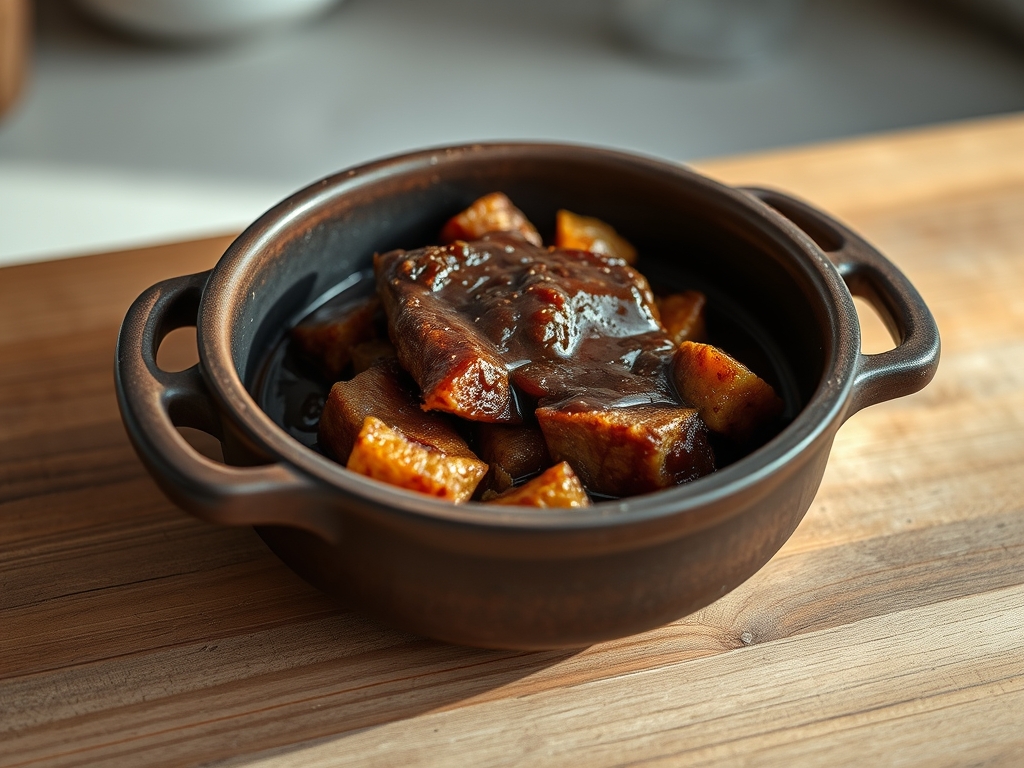
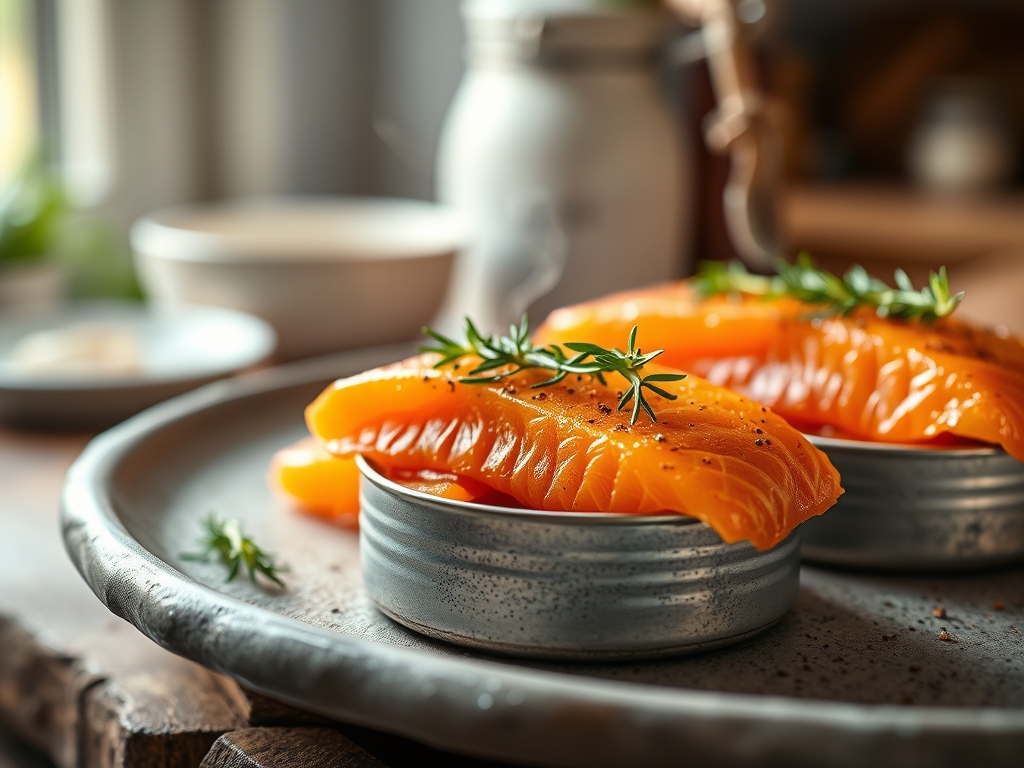
Imagine the pressurized hum of a high-end culinary lab where the air is thick with the scent of hickory and salt. We are not just opening a container; we are deconstructing a masterpiece of preservation science. When you crack open Smoked Salmon Cans, you are releasing a concentrated payload of phenolic compounds that have been locked in a metallic vault. This is the gold standard of shelf-stable protein. The texture is buttery and the flavor profile is deep; it carries the weight of cold-smoke tradition with the convenience of modern logistics. Most home cooks treat these cans like an afterthought, but we are going to treat them like a high-precision component. We are looking for that perfect balance of oceanic salinity and the woodsy depth of the smokehouse. This is about structural integrity and flavor density. Forget the soggy, uninspired salads of the past. We are building a sophisticated, smoked salmon rillette that leverages the emulsification of fats to create a spread that is as luxurious as velvet.
THE DATA MATRIX
| Metric | Specification |
|---|---|
| Prep Time | 15 Minutes |
| Execution Time | 5 Minutes |
| Yield | 4 Servings |
| Complexity (1-10) | 3 |
| Estimated Cost per Serving | $4.50 |
THE GATHERS
Ingredient Protocol:
- 2 cans (340g / 12 oz) Smoked Salmon Cans; drained and flaked.
- 120g / 0.5 cup High-fat Greek yogurt or Creme Fraiche.
- 15ml / 1 tbsp Fresh lemon juice for acidity.
- 10g / 2 tsp Prepared horseradish for a piquant kick.
- 30g / 0.25 cup Fresh dill; finely minced.
- 5ml / 1 tsp Capers; drained and crushed.
- 2g / 0.5 tsp Smoked paprika to reinforce the phenolic profile.
- Salt and white pepper to taste.
Section A: Ingredient Quality Audit:
If your salmon appears overly dry upon extraction from the can, the thermal processing may have been aggressive. You can fix this by introducing a viscous fat source like extra virgin olive oil or a touch of melted unsalted butter to restore the mouthfeel. If the aroma is metallic rather than smoky, a quick rinse in cold filtered water followed by a thorough pat-down with paper towels will remove the excess canning liquid. Always check the "Best By" date; while these cans are stable, the lipids can oxidize over very long periods, leading to a "fishy" rather than "smoky" scent. If your herbs are wilted, shock them in ice water for ten minutes to aerate the cell walls and restore crispness before chopping.
THE MASTERCLASS
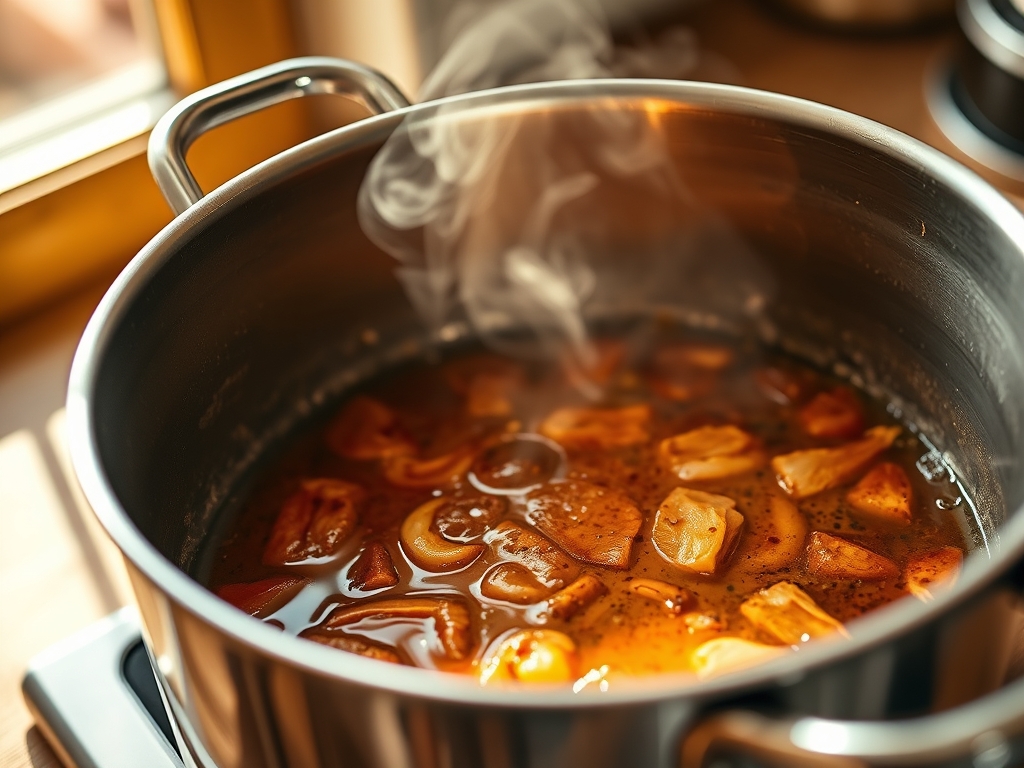
Step 1: The Structural Deconstruction
Empty the Smoked Salmon Cans into a stainless steel mixing bowl. Use a bench scraper or a stiff fork to break the fillets into uniform flakes. Do not overwork the protein at this stage; you want to maintain some textural contrast rather than creating a homogenous paste.
Pro Tip: Maintaining "large flake" integrity is essential for the mouthfeel. If you pulverize the fish, you lose the ability to trap the dressing in the crevices of the muscle fibers, resulting in a dense, unappealing mass.
Step 2: The Acid and Enzyme Infusion
Add the lemon juice and horseradish directly to the fish. Fold gently. The acid in the lemon juice will begin to "cook" the surface of the salmon further, tightening the proteins and preparing them to bond with the dairy base.
Pro Tip: Using a digital scale to measure your citrus ensures consistency. Variations in lemon size can drastically alter the pH balance of the dish, potentially curdling the dairy added in the next step.
Step 3: The Emulsification Phase
Incorporate the Greek yogurt or Creme Fraiche using a small saucier whisk or a silicone spatula. Fold the mixture from the bottom up. This is where you infuse the smoke flavor into the fat molecules of the dairy, creating a cohesive flavor profile that coats the palate.
Pro Tip: Fat is the primary carrier for flavor. By using a high-fat dairy base, you are creating a stable emulsion that prevents the lemon juice from separating, ensuring a smooth, luxurious finish.
Step 4: The Herb and Spice Integration
Fold in the dill, capers, and smoked paprika. Use a light touch to ensure the green of the dill remains vibrant against the coral hue of the salmon. Taste for seasoning and add salt or white pepper only after the capers have been integrated, as they contribute significant salinity.
Pro Tip: White pepper is preferred here over black pepper to maintain a clean visual aesthetic. It provides a sharp, floral heat without the "dirt" look of cracked black peppercorns.
Section B: Prep & Timing Fault-Lines:
The most common error is serving the mixture immediately after assembly. The flavors need time to marry at a molecular level. Aim for at least thirty minutes of refrigeration. If the mixture becomes too firm in the fridge, let it sit at room temperature for five minutes before serving to allow the fats to soften. Temperature control is vital; if the salmon is too warm during the mixing process, the dairy can break and become watery. Always work with chilled ingredients to maintain the viscous integrity of the spread.
THE VISUAL SPECTRUM
Section C: Thermal & Visual Troubleshooting:
Look at the Masterclass photo above. Notice the distinct, vibrant orange-pink hue of the salmon and the bright green flecks of dill. If your version looks grey or dull, you likely over-mixed the ingredients, causing the herbs to bruise and bleed their chlorophyll into the fish. If the mixture looks "weepy" or has liquid pooling at the bottom, your emulsion has failed. This usually happens if the salmon wasn't drained properly. To fix a broken emulsion, add a teaspoon of heavy cream and whisk vigorously in a separate bowl before folding the salmon back in. The final texture should be matte and thick enough to hold a peak on a cracker without slumping.
THE DEEP DIVE
Macro Nutrition Profile:
This dish is a powerhouse of Omega-3 fatty acids and high-quality protein. One serving typically contains 180 calories, 22g of protein, 9g of fat, and 3g of carbohydrates. It is an excellent choice for brain health and muscle recovery.
Dietary Swaps:
- Vegan: Replace the salmon with smoked tofu or "carrot lox" and use a cashew-based cream.
- Keto: This recipe is naturally keto-friendly. Serve with cucumber slices or celery stalks instead of crackers.
- GF: Ensure your horseradish and canned salmon are certified gluten-free; serve with rice crackers or seed-based crisps.
Meal Prep & Reheating Science:
Do not heat this dish. The high heat will cause the dairy to split and the salmon to become rubbery. For meal prep, store in an airtight glass container for up to three days. To maintain the molecular structure, do not freeze the finished spread; the ice crystals will puncture the fat globules and result in a grainy texture upon thawing.
THE KITCHEN TABLE
How long do Smoked Salmon Cans last once opened?
Once the seal is broken, you have a 48-hour window for peak safety and flavor. Store in a non-metallic, airtight container in the coldest part of your refrigerator to prevent the oxidation of delicate fish oils.
Can I use canned tuna instead?
You can, but you will lose the specific phenolic depth that smoke provides. If substituting, add a drop of liquid smoke or extra smoked paprika to mimic the profile, though the texture will be significantly leaner and less buttery.
Why is my rillette so salty?
Canned seafood is often processed with high sodium levels for preservation. If the salt is overwhelming, double the amount of Greek yogurt or add a tablespoon of unsalted mascarpone to dilute the salinity without compromising the texture.
What is the best vessel for serving?
A sturdy, sourdough crostini provides the necessary structural support and a fermented tang that cuts through the fat. Alternatively, a rye cracker offers an earthy baseline that complements the wood-smoke notes of the salmon perfectly.