Forget everything you know about the fragile, gluten-dependent world of traditional baking. We are entering the realm of the pulse-based revolution. Imagine a kitchen where the flour bin is empty, yet the scent of toasted legumes and searing cast iron fills the air. This is not a compromise for the health-conscious; it is a structural overhaul of your culinary infrastructure. Lentil Flatbreads are the ultimate survivalist luxury. They are pliable, protein-dense discs of gold that defy the laws of conventional dough. When the red lentils hit the high-speed blender, they transform into a viscous, creamy slurry that holds the promise of a perfect char. The sound of the batter hitting a shimmering, oiled surface is a violent hiss of steam and transformation. As the heat penetrates the center, the proteins coagulate, creating a structural integrity that rivals any wheat-based wrap. This is bread born of water and pulse; a minimalist masterpiece that demands respect and delivers a piquant, earthy punch to the palate. Welcome to the future of flourless utility.
THE DATA MATRIX
| Metric | Specification |
|---|---|
| Prep Time | 10 Minutes (plus soaking) |
| Execution Time | 15 Minutes |
| Yield | 6 to 8 Flatbreads |
| Complexity (1-10) | 3 |
| Estimated Cost per Serving | $0.45 |
THE GATHERS
Ingredient Protocol:
- 250g / 1.25 cups Red Split Lentils (Dry)
- 500ml / 2 cups Filtered Water (for soaking)
- 125ml / 0.5 cup Fresh Water (for blending)
- 5ml / 1 tsp Sea Salt
- 2.5ml / 0.5 tsp Smoked Paprika
- 15ml / 1 tbsp Avocado Oil or Ghee (for searing)
Section A: Ingredient Quality Audit:
The primary failure point in pulse-based systems is the age of the raw material. If your lentils have been sitting in a pantry since the previous administration, they will remain stubborn and gritty regardless of soak time. To troubleshoot "Stony Batter," ensure you are using split red lentils rather than whole green ones; the lack of a seed coat allows for a smoother emulsification. If your water is excessively hard, the minerals can prevent the lentils from softening. Use filtered water to ensure the cellular walls of the pulse break down completely during the hydration phase. Finally, if the batter feels too thin, do not panic. The starch in the lentils will continue to hydrate; let it rest for ten minutes to thicken before you commit to the pan.
THE MASTERCLASS
Step-by-Step Execution:
1. The Hydration Phase
Submerge your red lentils in the 500ml of filtered water. Let them sit for at least three hours; overnight is optimal for cellular breakdown. Use a fine-mesh strainer to drain the soaking liquid completely to remove excess phytic acid.
Pro Tip: Use a digital scale to measure your lentils. Volume measurements are notoriously inaccurate for small legumes, and a 10 percent variance in mass can ruin the viscosity of your final batter.
2. The High-Shear Emulsification
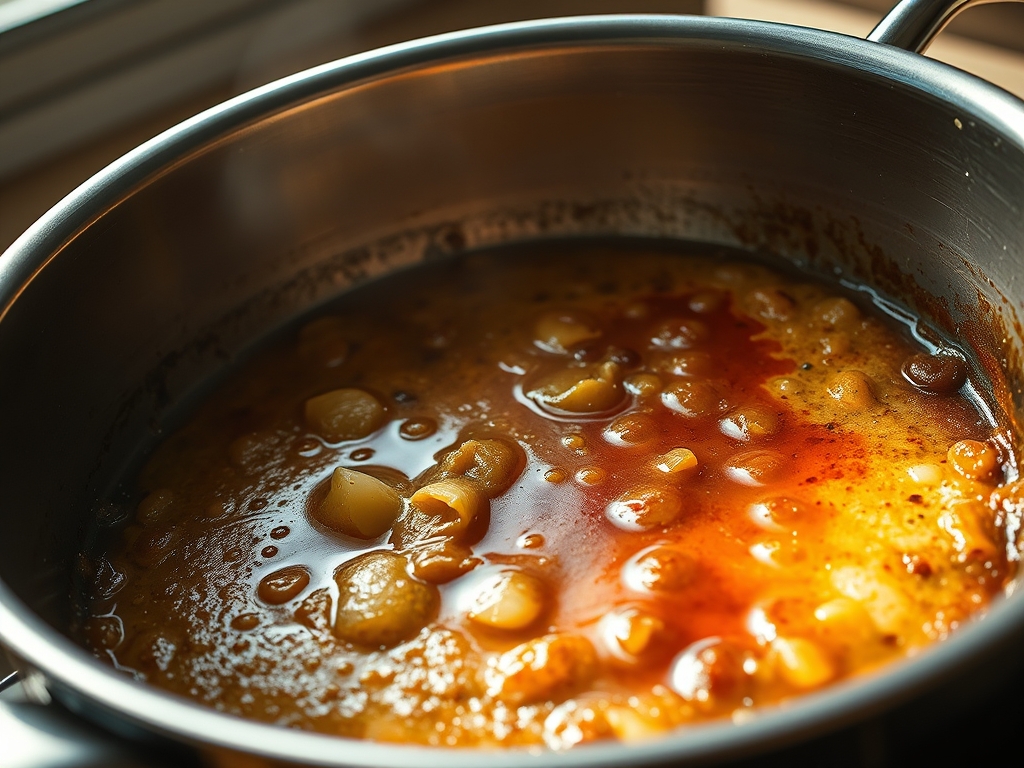
Transfer the soaked lentils to a high-speed blender. Add the fresh water, salt, and paprika. Blitz on high until the mixture is completely smooth and contains no visible grains. The batter should resemble a heavy cream.
Pro Tip: To properly aerate the batter, blend for an extra 30 seconds after it appears smooth. This incorporates micro-bubbles that expand during cooking, preventing the bread from becoming a dense, leaden puck.
3. The Thermal Interface
Heat a heavy-bottomed cast iron skillet or a saucier over medium-high heat. Apply a thin film of oil. Use a ladle to pour approximately 60ml of batter into the center, then quickly use a bench scraper or the back of the ladle to spread it into a thin, even circle.
Pro Tip: The Maillard reaction is your goal here. If the pan isn't hot enough, the batter will stick and tear. Wait until you see wisps of blue smoke from the oil before the first pour.
4. The Flip and Render
Wait for the edges to lift and the surface to turn matte. Use a thin offset spatula to flip the bread. Press down firmly to ensure even contact with the heat source. Cook for an additional 90 seconds until charred spots appear.
Pro Tip: Pressing the bread helps to infuse the heat into the core, ensuring the interior isn't gummy. If the bread puffs up like a balloon, you have achieved the perfect steam-pocket seal.
Section B: Prep & Timing Fault-Lines:
Timing is the silent killer of the Lentil Flatbread. If you pour the batter into a cold pan, the proteins will bond to the metal rather than searing, resulting in a structural collapse. Conversely, if the heat is too high, the exterior will carbonize before the interior moisture can evaporate. Maintain a steady medium-high flame. If you are cooking a large batch, the pan will accumulate residual carbon. Use a dry towel to wipe the surface between every three breads to prevent a bitter, burnt aftertaste from ruining your subsequent yields.
THE VISUAL SPECTRUM
Section C: Thermal & Visual Troubleshooting:
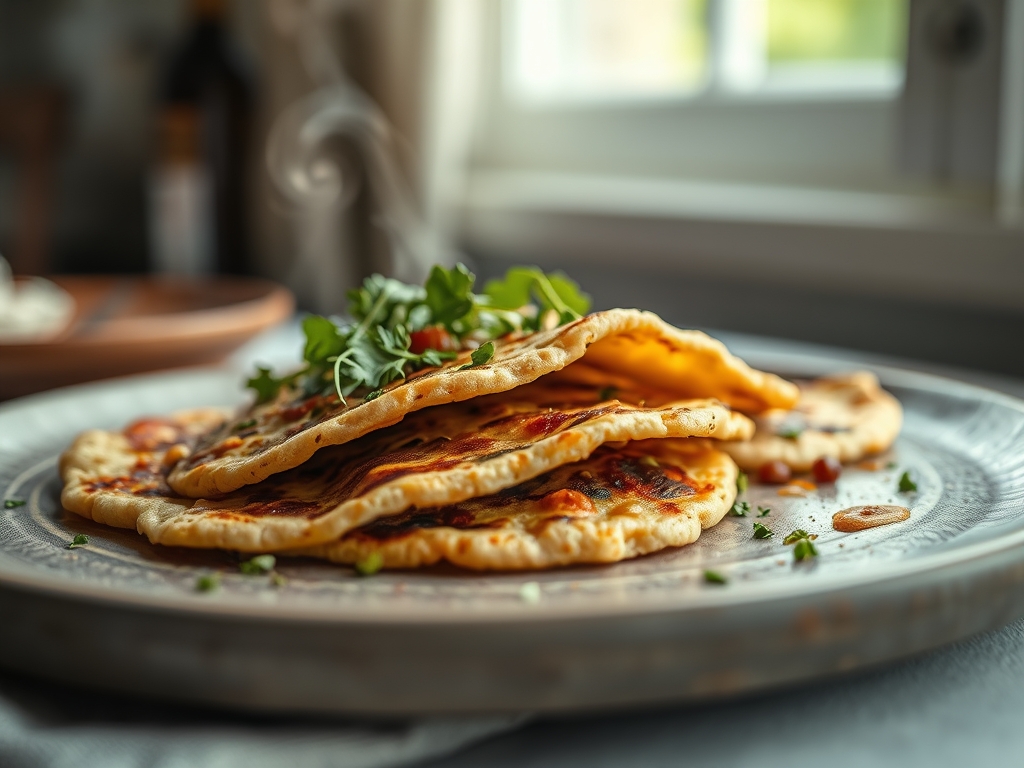
Look closely at the Masterclass photo above. Notice the "Leopard Spotting" on the surface. These dark brown patches are the hallmark of a successful sear. If your flatbreads look pale and sickly, your heat is too low or your pan is overcrowded. If the edges are jagged and lacy, your batter is too thin; add a tablespoon of lentil flour or blend in a few more soaked lentils to increase the solids. A dull, matte grey color indicates a lack of seasoning or old lentils. The addition of paprika not only adds a smoky depth but provides that vibrant, sunset-orange hue that makes the bread visually appetizing. If the bread is brittle and cracks when folded, you have overcooked it; reduce the secondary sear time by 20 seconds.
THE DEEP DIVE
Macro Nutrition Profile
Each flatbread is a nutritional powerhouse. Expect approximately 120 calories, 8g of protein, 18g of complex carbohydrates, and 4g of fiber. Unlike wheat bread, these have a low glycemic index, providing sustained energy without the insulin spike. They are naturally rich in iron and folate, making them a functional food for high-output lifestyles.
Dietary Swaps (Vegan/Keto/GF)
This protocol is inherently Vegan and Gluten-Free. For those chasing a Keto-adjacent profile, you can swap 20 percent of the lentil volume for hemp hearts, though this will soften the structural integrity. To add a Mediterranean flare, infuse the batter with dried oregano and garlic powder. To deglaze the palate, serve these alongside a bright, acidic lemon-tahini dressing.
Meal Prep & Reheating Science
To maintain the molecular structure during storage, stack the breads with parchment paper separators. They will stay pliable in the fridge for five days. To reheat, avoid the microwave at all costs; it turns the lentil starches into rubber. Instead, flash-fry them in a dry pan for 30 seconds per side to reactivate the surface oils and restore the crisp texture.
THE KITCHEN TABLE
Why is my batter turning brown in the blender?
Oxidation is the culprit. If you leave the batter sitting too long before cooking, the enzymes react with the air. Add a squeeze of lemon juice to the blender to provide an acidic buffer and keep the colors vibrant.
Can I use canned lentils for this recipe?
Negative. Canned lentils are over-processed and lack the structural starch needed to form a cohesive batter. They will result in a mushy, unworkable paste. Stick to the dry-soak protocol for maximum structural integrity.
My flatbread is sticking even with oil. Help!
Your pan likely lacks a proper seasoning layer. Switch to a non-stick surface or ensure your cast iron is well-polymerized. Also, ensure you aren't flipping too early; the bread "releases" itself once the bottom is sufficiently seared.
How do I make these extra crispy?
Increase the oil volume in the pan and perform a shallow fry. The increased heat transfer will render the exterior into a shatter-crisp shell while keeping the interior soft. This transforms the flatbread into something akin to a lentil tostada.