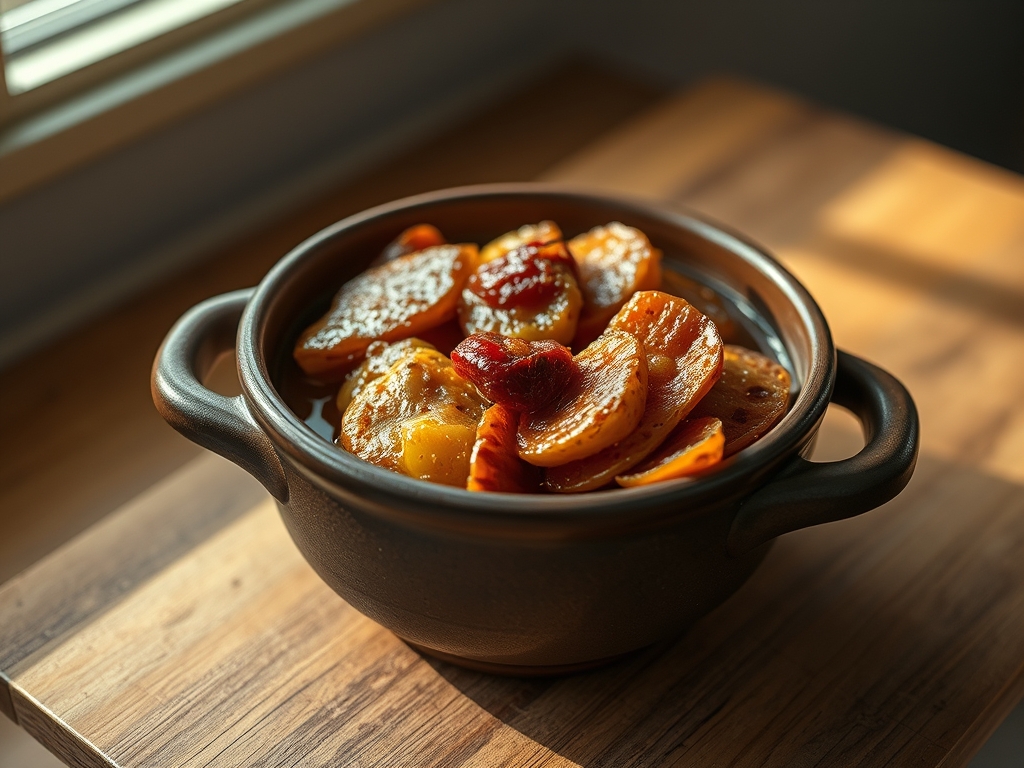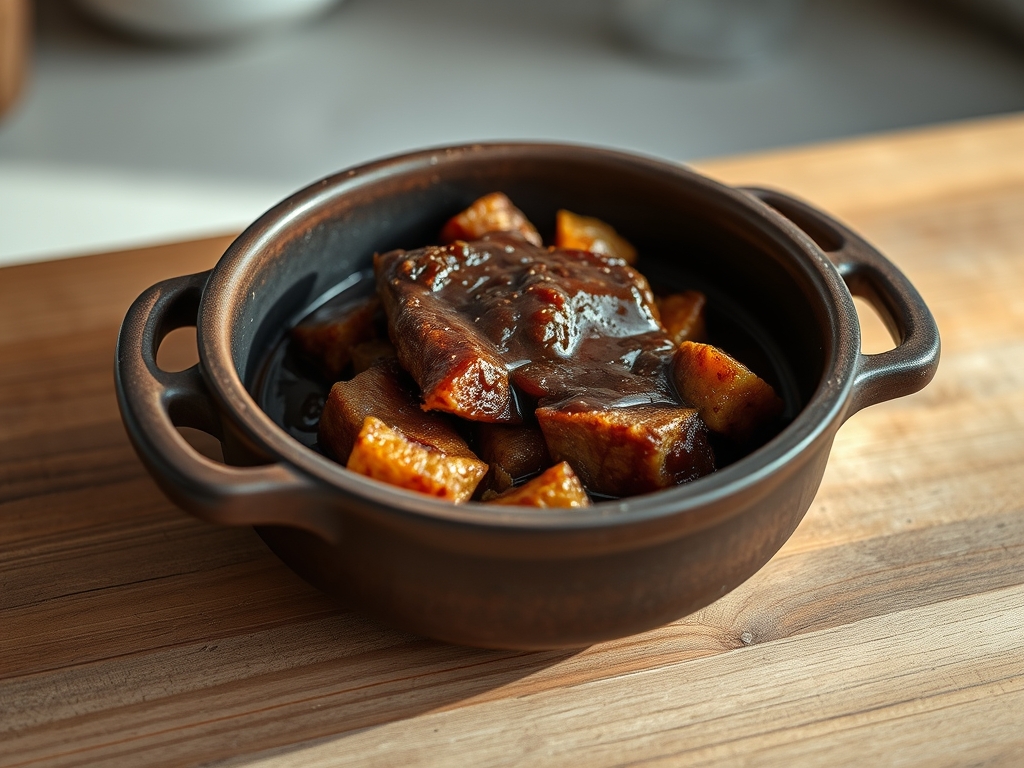
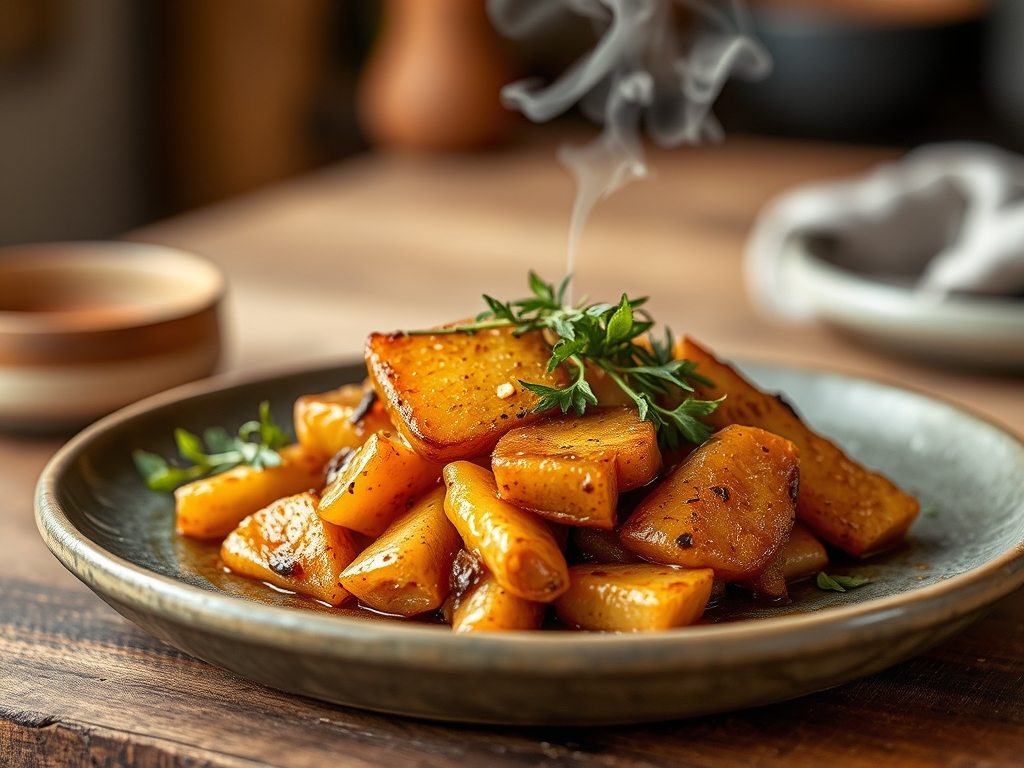
Imagine the scent of damp earth colliding with the sharp, metallic tang of a cold cellar floor in mid-November. This is not just a storage solution; it is a biological pause button. We are talking about the visceral reality of Root Cellar Storage, where the humble carrot and the stoic parsnip undergo a slow-motion transformation, concentrating their sugars while the world above freezes solid. As a culinary infrastructure auditor, I am here to tell you that your kitchen is only as good as your thermal management. If you are still tossing your tubers into a crisper drawer to die a limp, dehydrated death, you are failing the efficiency test. We are reclaiming the subterranean power of the cache to create a roasted root vegetable medley that defies the standard "side dish" label. This is about harnessing the starch-to-sugar conversion that only occurs when vegetables are held at the edge of dormancy. Get ready to engineer a plate that features the snap of a cold-stored beet and the creamy, concentrated heart of a cellar-aged potato.
THE DATA MATRIX
| Metric | Specification |
|---|---|
| Prep Time | 25 Minutes |
| Execution Time | 45 Minutes |
| Yield | 6 Servings |
| Complexity (1-10) | 4 |
| Estimated Cost per Serving | $1.15 |
THE GATHERS
Ingredient Protocol:
- 700g / 1.5 lbs Fingerling Potatoes (Cellar-aged)
- 450g / 1 lb Rainbow Carrots (Tops removed)
- 300g / 10 oz Parsnips (Core-checked for woody fibers)
- 60ml / 4 tbsp Extra Virgin Olive Oil
- 15g / 1 tbsp Flaky Sea Salt
- 5g / 1 tsp Cracked Black Peppercorns
- 30ml / 2 tbsp Grade A Maple Syrup
- 15ml / 1 tbsp Apple Cider Vinegar
- 3 sprigs Fresh Rosemary (Needles stripped)
Section A: Ingredient Quality Audit:
The primary failure point in Root Cellar Storage is moisture loss. If your carrots bend like rubber, the cellular structure has collapsed. To fix this, submerge the roots in an ice-water bath for 30 minutes to re-establish turgor pressure. If your potatoes have developed a green tint, they have been exposed to light, producing solanine; discard these immediately. For parsnips that feel overly "woody" at the core, use a paring knife to excise the central fibrous pith before roasting. This ensures a uniform, viscous interior texture across the entire batch.
THE MASTERCLASS
1. Thermal Calibration and Prep
Preheat your convection oven to 218C / 425F. Use a digital scale to weigh your vegetables after scrubbing them clean with a stiff brush. Do not peel the skins; the skin is where the mineral complexity of the soil is concentrated. Use a bench scraper to move your chopped uniform pieces from the cutting board to a large mixing bowl.
Pro Tip: High heat is essential for the Maillard reaction. If the oven is too cool, the vegetables will steam in their own internal moisture rather than caramelizing, resulting in a mushy texture.
2. The Emulsion Coating
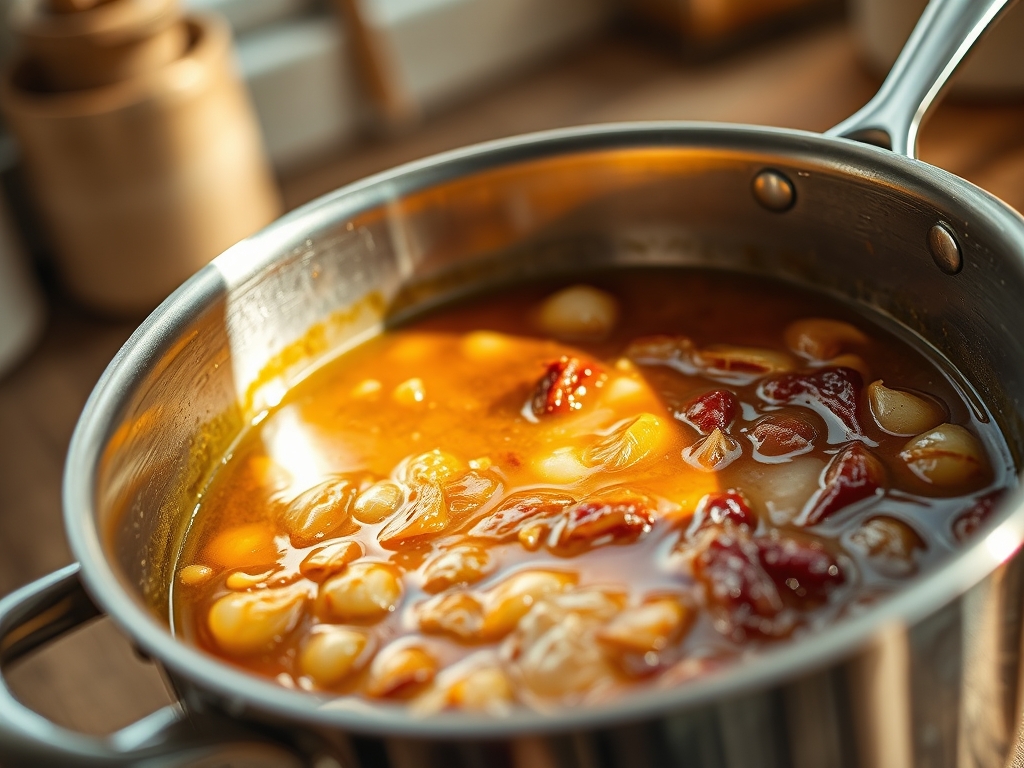
In a small saucier, whisk together the olive oil, maple syrup, and apple cider vinegar. This creates a temporary emulsion that will coat the vegetables evenly. Toss the roots in this mixture until every surface is glistening.
Pro Tip: The vinegar acts as a chemical surfactant, breaking down the surface tension of the oil to ensure a thinner, more even coating. This prevents "oil pooling" on the roasting pan.
3. Surface Area Optimization
Spread the vegetables onto a heavy-duty rimmed baking sheet. Ensure no two pieces are touching. If the pan is crowded, the moisture escaping the vegetables will create a steam curtain, preventing the exterior from crisping.
Pro Tip: Using a heavy-gauge aluminum pan provides superior heat conduction compared to glass or ceramic, allowing the bottom of the vegetables to render their natural sugars against the metal.
4. The Mid-Point Agitation
At the 20-minute mark, use a metal spatula to flip and rotate the vegetables. This ensures that the side in contact with the pan does not over-caramelize while the top remains pale.
Pro Tip: This is the moment to infuse the aromatics. Add the rosemary now. If added at the start, the high heat would incinerate the delicate volatile oils in the herbs, leaving a bitter, burnt aftertaste.
5. The Glaze Reduction
For the final five minutes, increase the heat or trigger the broiler setting. This causes the maple syrup and natural starches to deglaze the surface of the vegetables, forming a tacky, piquant crust that clings to the skin.
Pro Tip: Watch for the "bubbling" of the sugars. When the bubbles transition from large and watery to small and dense, the glaze has reached the hard-crack stage on the vegetable surface.
Section B: Prep & Timing Fault-Lines:
The most common human error is inconsistent knife work. If one potato chunk is twice the size of a carrot slice, the carrot will carbonize before the potato reaches a creamy state. Use a mandoline for precision if your knife skills are not up to audit standards. Furthermore, do not skip the preheat phase. Placing vegetables in a cold oven results in "leaking," where the cell walls break down slowly and release water, ruining the structural integrity of your Root Cellar Storage treasures.
THE VISUAL SPECTRUM
Section C: Thermal & Visual Troubleshooting:
Referencing the Masterclass photo, look for the "blistering" on the potato skins. This indicates that the internal steam has pushed against the skin, creating a pocket of air that results in a crunch. If your vegetables look dull or matte, you likely under-oiled or the oven humidity was too high; crack the oven door for the last 60 seconds to aerate the chamber. If the carrots look shriveled rather than plump and roasted, they were likely past their prime in the cellar. A vibrant, glistening sheen with dark, charred edges on the parsnips is the visual gold standard for this protocol.
THE DEEP DIVE
Macro Nutrition Profile:
Per serving, this dish provides approximately 180 calories, 9g of healthy fats, 24g of complex carbohydrates, and 5g of dietary fiber. It is an excellent source of Vitamin A and Potassium, especially when using cellar-fresh carrots.
Dietary Swaps:
- Vegan: Already compliant.
- Keto: Replace potatoes and parsnips with radishes and cauliflower; swap maple syrup for a monk-fruit based sweetener.
- GF: Naturally gluten-free. Ensure your apple cider vinegar is certified.
Meal Prep & Reheating Science:
To maintain molecular structure, do not microwave. The microwave agitates water molecules, turning the crisp exterior into a soggy mess. Instead, reheat in a 200C / 400F oven for 8 minutes. This re-crystallizes the surface sugars and restores the "snap" of the root's skin.
THE KITCHEN TABLE
How long can I store roots in a cellar?
With proper Root Cellar Storage (3C to 5C and 90 percent humidity), potatoes last 5 to 8 months. Carrots and parsnips generally hold their integrity for 4 to 6 months before significant sugar degradation occurs.
Why are my roasted carrots bitter?
Bitterness usually stems from burning the honey or maple glaze too early. If the sugars exceed 175C for too long, they carbonize. Always add sugar-heavy glazes in the final stages of the roasting process to avoid this.
Can I roast frozen root vegetables?
You can, but the cellular structure is compromised by ice crystals. Expect a softer, less crisp result. For the best "infrastructure" performance, stick to fresh or cellar-cached materials that have never been frozen.
What is the best oil for high-heat roasting?
While EVOO provides flavor, Avocado oil has a higher smoke point. If you find your oven smoking at 218C, switch to Avocado oil to prevent the development of acrid flavors and free radicals.