The scent of searing fat is the siren song of a high functioning brain. When cold water fatty fish hits a preheated cast iron surface, you are not just cooking; you are performing a biological upgrade. This Omega 3 Salmon Salad is the ultimate infrastructure for cognitive resilience. We are targeting the precise moment where the skin transforms into a crisp, glass like lattice while the interior remains a translucent, buttery medium rare. Most home cooks commit the cardinal sin of over-extraction, turning a premium fillet into a dry, fibrous tragedy. We will not be those people. We are here to harness the power of long chain fatty acids, specifically EPA and DHA, to fuel the neural pathways. By pairing this high grade protein with a piquant, emulsified vinaigrette and a matrix of fibrous greens, we create a metabolic masterpiece. This is more than a meal; it is a tactical deployment of lipids designed to sharpen focus and dampen systemic inflammation. Prepare for a sensory overhaul.
THE DATA MATRIX
| Metric | Specification |
|---|---|
| Prep Time | 15 Minutes |
| Execution Time | 10 Minutes |
| Yield | 2 Servings |
| Complexity (1-10) | 4 |
| Estimated Cost per Serving | $12.50 |
THE GATHERS
Ingredient Protocol:
- 450g / 1 lb Wild Caught Sockeye or King Salmon (Skin-on)
- 300g / 4 cups Organic Power Greens (Spinach, Kale, Arugula)
- 150g / 1 cup English Cucumber (Thinly sliced)
- 100g / 0.5 cup Cherry Tomatoes (Halved)
- 30ml / 2 tbsp Extra Virgin Olive Oil (High polyphenol count)
- 15ml / 1 tbsp Fresh Lemon Juice
- 5g / 1 tsp Dijon Mustard (For emulsification)
- 2g / 0.5 tsp Flaky Sea Salt
- 1g / 0.25 tsp Fresh Cracked Black Pepper
- 30g / 0.25 cup Red Onion (Quick pickled or raw)
Section A: Ingredient Quality Audit:
The primary failure point in an Omega 3 Salmon Salad is the oxidation of the fish. If your salmon smells "fishy" before it hits the pan, the volatile amines have already begun their descent into decay. Technical Fix: Rinse the fillet in a cold brine of water and lemon juice for 60 seconds to neutralize surface odors. Furthermore, if your greens are wilted, they lack the turgor pressure needed to provide a structural contrast to the soft fish. Technical Fix: Submerge greens in an ice bath for five minutes, then utilize a high speed salad spinner to aerate and dry them completely. Excess water is the enemy of a stable emulsion; a wet leaf will cause your dressing to slide off and pool at the bottom of the bowl.
THE MASTERCLASS
1. Thermal Priming and Moisture Management
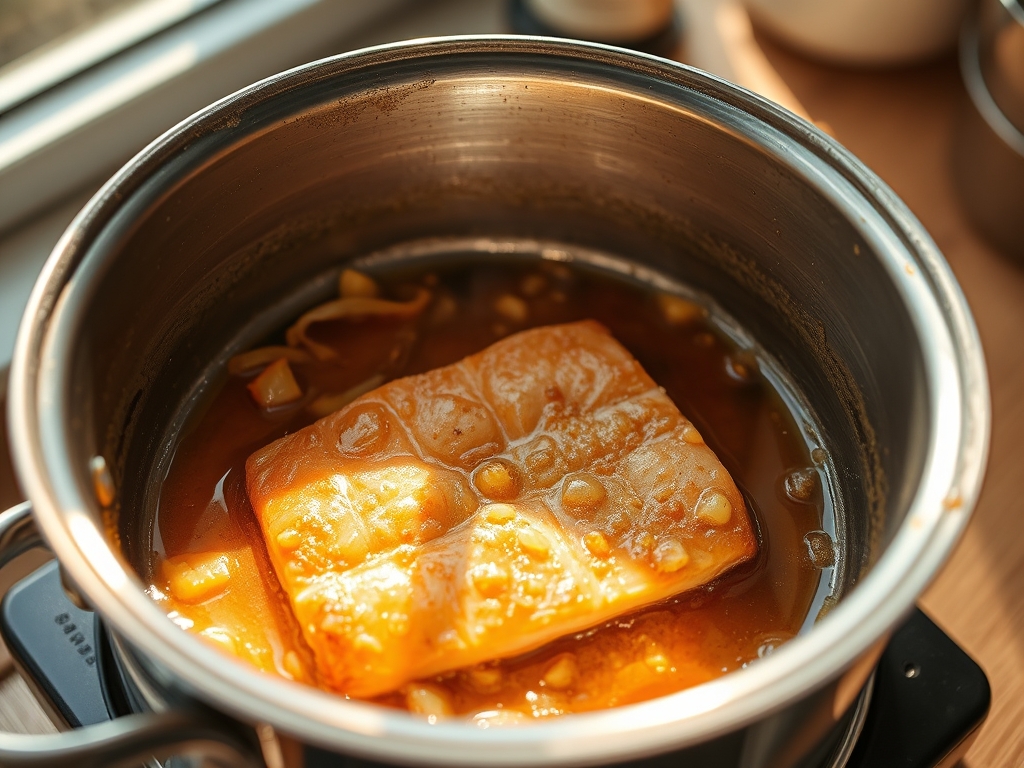
Remove the salmon from refrigeration 15 minutes prior to cooking. Use a lint free paper towel to pat the skin bone dry. Any residual moisture will create a steam barrier, preventing the Maillard reaction and resulting in rubbery skin. Use a digital scale to ensure portions are equal for consistent cooking times.
Pro Tip: The science of "dry brining" with a pinch of salt 10 minutes before searing helps denature the surface proteins, leading to a more robust crust.
2. The Sear and Render Phase
Place a heavy bottomed skillet or saucier over medium high heat. Add a high smoke point oil. Once the oil begins to shimmer, lay the salmon skin side down. Press firmly with a bench scraper or flexible spatula for 30 seconds to prevent the natural muscle contraction from curling the fish.
Pro Tip: Pressing the fish ensures maximum surface contact, allowing the subcutaneous fat to render efficiently, which creates that coveted "glass skin" texture.
3. Precision Temperature Control
Monitor the opaque line climbing up the side of the fillet. When it reaches 75 percent of the way up, flip the fish. Cook for only 60 additional seconds. The internal temperature should register 125 degrees Fahrenheit on a digital probe for a perfect medium rare.
Pro Tip: Carryover cooking will raise the internal temp by another 5 degrees while the fish rests. Pulling it early prevents the albumin (white protein) from leaking out and drying the flesh.
4. Vinaigrette Emulsification
In a small glass bowl, whisk the Dijon mustard, lemon juice, and salt. Slowly drizzle in the olive oil while whisking vigorously to infuse the fats into the acid. The mustard acts as a bridge, creating a viscous and stable suspension that coats the greens evenly.
Pro Tip: Use a microplane to zest the lemon into the dressing. The essential oils in the zest provide a brighter aromatic profile than the juice alone.
Section B: Prep & Timing Fault-Lines:
The most common timing error is dressing the greens too early. The acid in the lemon juice will begin to "cook" the delicate cell walls of the spinach, leading to a soggy, unappealing mass. Technical Fix: Always dress the salad at the "point of service." Another fault line is the temperature clash. Serving piping hot salmon directly onto cold greens will cause immediate wilting. Technical Fix: Allow the salmon to rest on a wire rack for three minutes post sear. This stabilizes the juices and drops the surface temperature just enough to protect the integrity of the salad matrix.
THE VISUAL SPECTRUM
Section C: Thermal & Visual Troubleshooting:
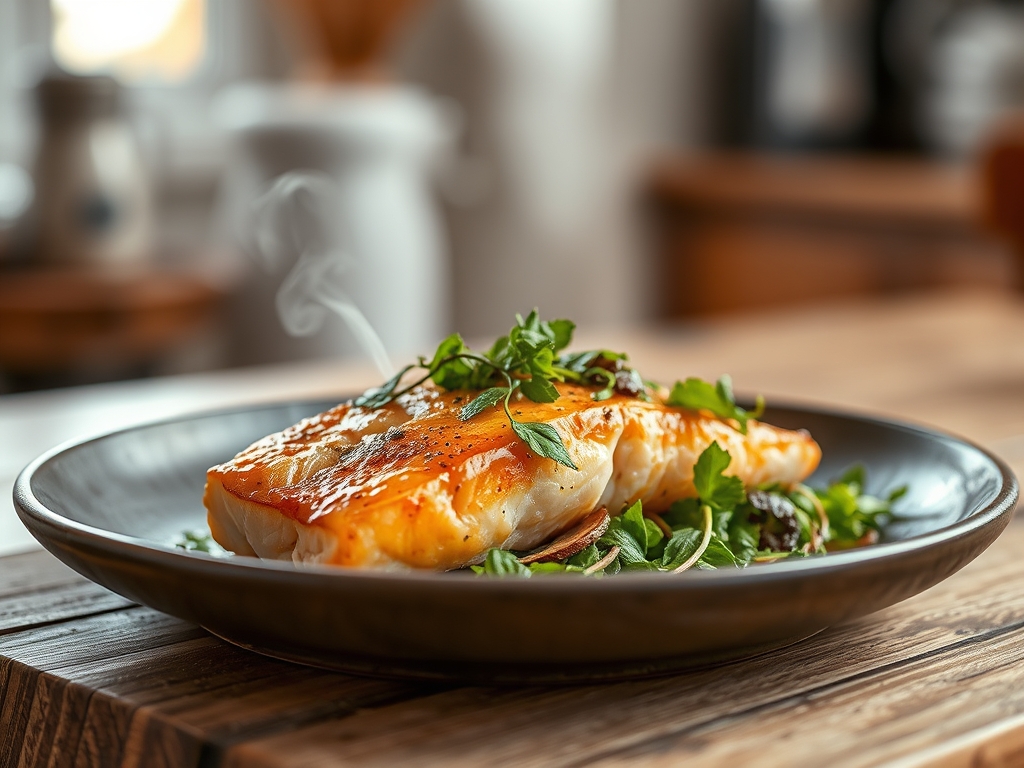
Referencing the Masterclass photo, observe the deep coral hue of the salmon contrasted against the vibrant, matte greens. If your salmon looks grey or dull, you likely skipped the high heat sear or used farmed fish with lower astaxanthin levels. Visual Cue: Look for the "shatter" effect on the skin; it should look like toasted parchment. If the dressing appears broken or oily, you failed to build the emulsion slowly. Technical Fix: Whisk in a teaspoon of warm water to re-establish the bond between the oil and acid. If the tomatoes look shriveled, they were likely stored in the refrigerator, which destroys their cellular structure. Keep them at room temperature for maximum visual gloss and flavor.
THE DEEP DIVE
Macro Nutrition Profile:
A standard serving of this Omega 3 Salmon Salad delivers approximately 35g of Protein, 28g of Healthy Fats (including 2.5g of Omega 3s), and 8g of Carbohydrates (primarily fiber). It is a nutrient dense powerhouse designed for sustained energy without the glucose spikes associated with grain heavy meals.
Dietary Swaps:
- Vegan: Replace salmon with pan seared "scallops" made from King Oyster mushrooms deglazed with seaweed broth for that oceanic umami.
- Keto: This recipe is natively Keto compliant. Increase the fat profile by adding half an avocado.
- GF: Naturally gluten free. Ensure your Dijon mustard is certified GF.
Meal Prep & Reheating Science:
To maintain molecular structure during meal prep, store the seared salmon and the greens in separate airtight containers. Do not reheat the salmon in a microwave, as this will coagulate the proteins into a rubbery texture. Instead, let the salmon reach room temperature naturally or flash sear it for 30 seconds in a hot pan to revive the skin's crispness without overcooking the core.
THE KITCHEN TABLE
Why is my salmon skin sticking to the pan?
The pan was likely not hot enough or you tried to flip the fish too early. Protein bonds to the metal initially; once the Maillard reaction occurs, the fish will naturally "release" from the surface. Patience is a technical requirement.
Can I use frozen salmon for this salad?
Yes, provided you thaw it slowly in the refrigerator for 24 hours. Flash thawing in warm water compromises the cellular integrity, leading to a mushy texture. Always pat dry excessively after thawing to ensure a proper sear.
What is the best way to cut the red onion?
Use a mandoline for paper thin slices. To remove the aggressive "bite" of the onion, soak the slices in ice water for ten minutes. This preserves the crunch while mellowing the sulfurous compounds that can overwhelm the palate.
Is wild caught salmon really necessary?
From a lipid perspective, yes. Wild caught salmon typically has a superior Omega 3 to Omega 6 ratio compared to farm raised counterparts. It also contains higher levels of astaxanthin, the antioxidant responsible for the deep red pigment.