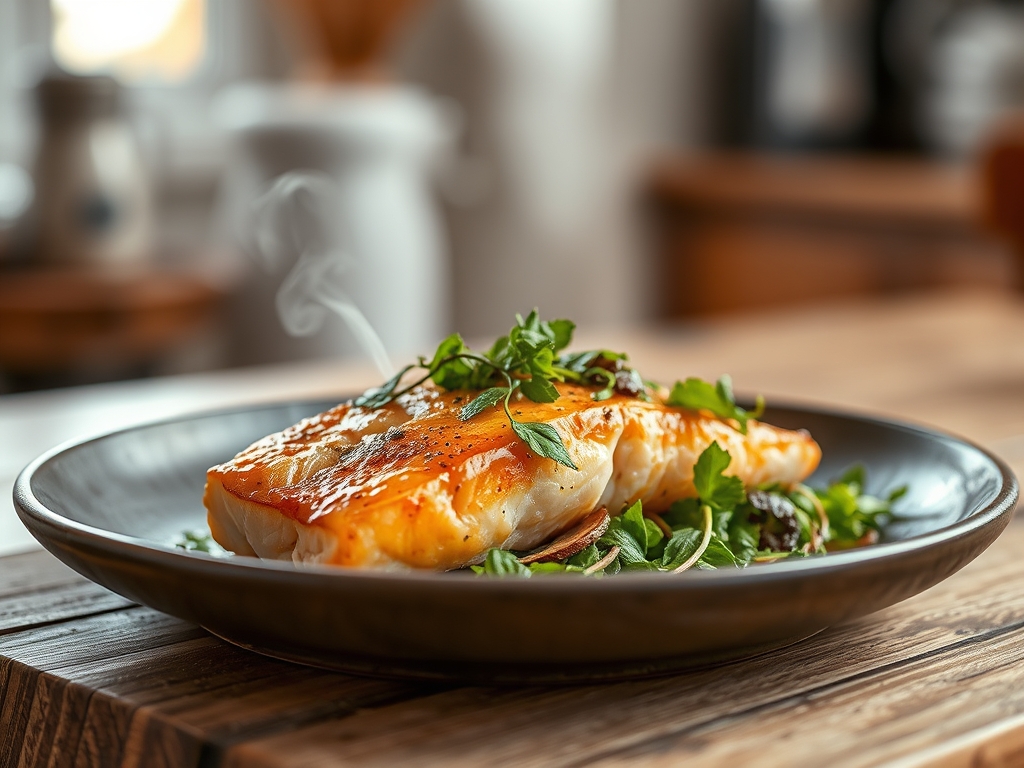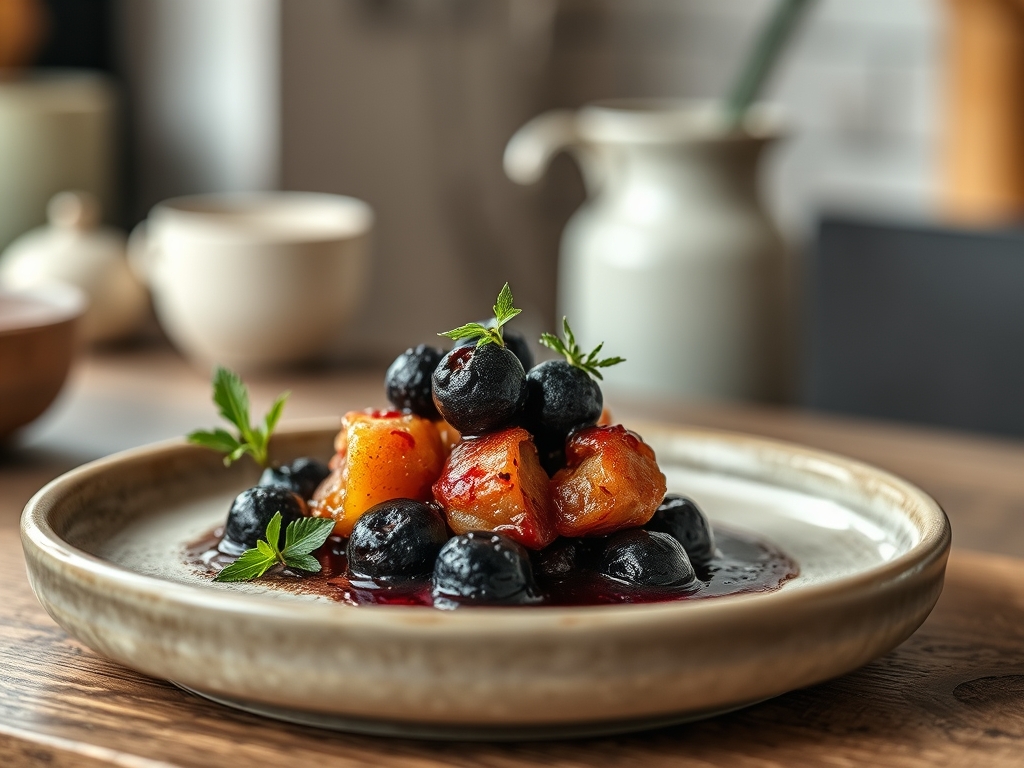
Stop treating your dessert course like a casual suggestion and start treating it like a high-stakes structural engineering project. We are moving past the sugary, milky compromises of the supermarket aisle and entering the realm of the 85 percent cacao protocol. This is not just a snack; it is a Dark Chocolate Analysis performed in the heat of the kitchen. When you hit that 85 percent threshold, you are dealing with a volatile concentration of polyphenols and flavonoids that demand respect. The bitterness is not a flaw; it is the foundation. To master this, you must understand the interplay between fat solids and dry cocoa mass. We are looking for that specific snap that signals a perfect crystalline structure. We want a finish that is viscous yet clean. If you are still using a microwave to melt your high-end couverture, you are effectively redlining a Ferrari in a school zone. It is time to audit your infrastructure, calibrate your digital scales, and prepare for a sensory experience that prioritizes molecular bioavailability over cheap caloric density.
THE DATA MATRIX
| Metric | Specification |
|---|---|
| Prep Time | 25 Minutes |
| Execution Time | 45 Minutes |
| Yield | 6 Servings |
| Complexity (1-10) | 8 |
| Estimated Cost per Serving | $4.50 |
THE GATHERS
Ingredient Protocol:
- 225g / 8oz High-Grade 85% Cacao Dark Chocolate (Discs or chopped)
- 115g / 1/2 cup Unsalted European-Style Butter (82% butterfat minimum)
- 4 Large Organic Egg Yolks (Room temperature)
- 50g / 1/4 cup Granulated Superfine Sugar
- 5ml / 1 tsp Pure Madagascar Bourbon Vanilla Extract
- 2g / 1/4 tsp Maldon Sea Salt
- 15ml / 1 tbsp High-Proof Espresso or Coffee Concentrate
Section A: Ingredient Quality Audit:
If your chocolate looks gray or dusty, you are dealing with fat bloom. While it is technically safe, the emulsion will be compromised. To fix this, you must introduce a small amount of lecithin or ensure your melting process is incredibly gradual to reintegrate those fats. If your butter smells "refrigerator-stale," it will ruin the delicate piquant notes of the cacao. Always use unsalted butter to maintain total control over the sodium profile. Low-quality eggs will lead to a weak protein structure; ensure they are room temperature to prevent the chocolate from seizing upon contact.
THE MASTERCLASS
Step 1: Thermal Liquefaction
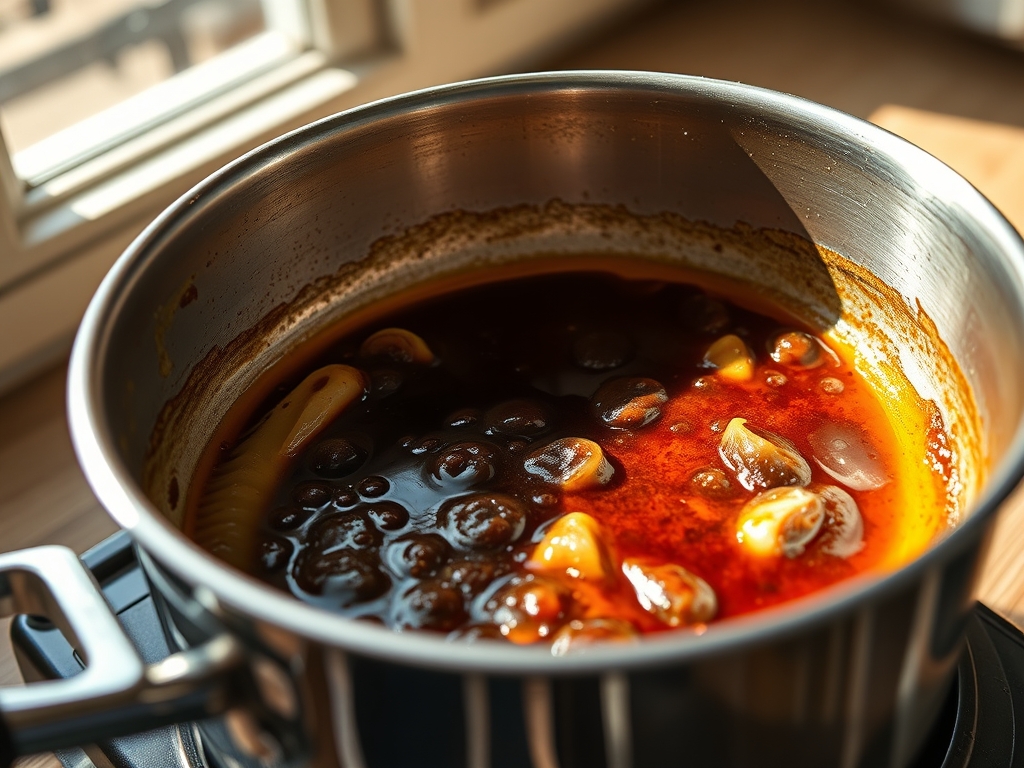
Place your 85% cacao into a stainless steel bowl set over a saucier filled with simmering water. This indirect heat method is non-negotiable for a proper Dark Chocolate Analysis. Ensure the bottom of the bowl does not touch the water. Use a silicone spatula to stir constantly until the mixture is viscous and glossy.
Pro Tip: The science here is all about avoiding the "seize." Even a single droplet of steam can cause the cocoa solids to clump. By using a saucier with a precise pour spout, you maintain better steam control than a standard pot.
Step 2: Aerating the Protein Base
In a separate bowl, use a digital scale to measure your sugar and combine it with the egg yolks. Use a balloon whisk to aerate the mixture until it reaches the "ribbon stage." The color should shift from a deep yellow to a pale, creamy straw hue.
Pro Tip: Aeration incorporates tiny air bubbles that act as a leavening agent. This mechanical leavening is essential when working with heavy 85% cacao, as the weight of the solids can otherwise result in a dense, leaden texture.
Step 3: The Emulsion Bridge
Slowly fold the melted chocolate into the egg mixture. Do not dump it all at once. Use a bench scraper or a flexible spatula to cut through the center and fold over, ensuring you do not deflate the air you just worked so hard to incorporate. Add the espresso concentrate to infuse the batter with depth.
Pro Tip: Espresso acts as a flavor catalyst. The bitterness of the coffee mimics the bitter notes of the flavonoids, tricking the palate into perceiving the chocolate as richer and more complex without adding actual sugar.
Step 4: Final Stabilization and Bake
Pour the batter into individual ramekins or a lined springform pan. Bake at 325 degrees Fahrenheit until the edges are set but the center remains slightly tremulous. This is the "render" phase where the fats and solids find their final equilibrium.
Pro Tip: Use a digital probe thermometer to check the internal temperature. You are looking for 180 degrees Fahrenheit. At this point, the proteins have set enough to hold the structure, but the moisture content remains high enough for a melt-in-the-mouth finish.
Section B: Prep & Timing Fault-Lines:
The most common failure is the "thermal shock." If you add cold eggs to hot chocolate, the fat will solidify instantly, creating a grainy texture. Another fault-line is over-mixing during the folding stage. If you lose your aeration, you are essentially baking a brick. Watch the clock; a three-minute overshoot in the oven can turn a moist flavonoid-rich masterpiece into a dry, crumbly disappointment.
THE VISUAL SPECTRUM
Section C: Thermal & Visual Troubleshooting:
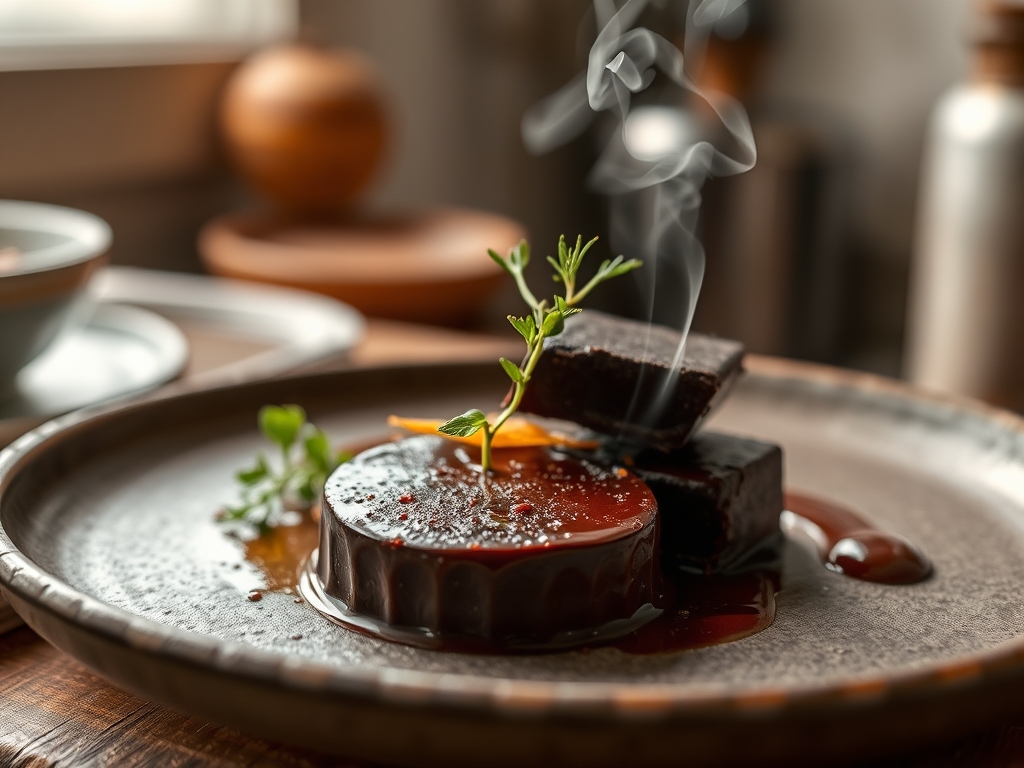
Referencing the Masterclass photo, observe the deep, obsidian-like sheen of the chocolate. If your result looks dull or matte, your temperature was likely too high, causing the cocoa butter to separate. If you see uneven browning on the surface, your oven has hot spots; a convection setting or rotating the pan halfway through is the fix. The "crackle" on top is a result of the sugar migrating to the surface during the bake. If your top is smooth and wet, you didn't aerate the eggs sufficiently. We want that textural contrast between the crisp surface and the viscous interior.
THE DEEP DIVE
Macro Nutrition Profile
A single serving of this protocol is a powerhouse of bioavailability. You are looking at approximately 320 calories, 28g of healthy fats, 14g of carbohydrates (with 6g of fiber), and 5g of protein. The high fat content from the 82% butterfat and the cocoa butter ensures a slow glucose release, preventing the dreaded insulin spike associated with lesser chocolates.
Dietary Swaps (Vegan/Keto/GF)
To make this Vegan, swap the butter for a high-quality coconut oil and use an aquafaba whip instead of egg yolks. For Keto, replace the superfine sugar with an erythritol-monkfruit blend; the 85% cacao is already low in net carbs. This recipe is naturally Gluten-Free, as it relies on cocoa solids and egg proteins for structure rather than wheat flour.
Meal Prep & Reheating Science
To maintain the molecular structure when reheating, avoid the microwave. The uneven agitation of water molecules will break the emulsion. Instead, use a low oven (250 degrees Fahrenheit) for ten minutes. This gently softens the cocoa butter without causing the proteins to tighten and become rubbery.
THE KITCHEN TABLE
How do I know if my chocolate is truly 85%?
Check the ingredient label for the "cocoa mass" percentage. It should be the first ingredient listed. If sugar is first, your Dark Chocolate Analysis is compromised. True 85% protocols prioritize the bean over the sweetener every single time.
Why did my chocolate seize into a clump?
Moisture is the enemy. Even a damp spatula can cause the sugar and cocoa solids to bond together, separating from the fat. If this happens, try whisking in a teaspoon of neutral oil to recover the emulsion, though texture may suffer.
Can I use cocoa powder instead of bar chocolate?
No. Cocoa powder lacks the essential cocoa butter required for the structural integrity and mouthfeel of this specific protocol. Powder is a flavoring agent; bar chocolate is a building material. Stick to the discs for the best results.
What is the best way to store leftovers?
Wrap tightly in parchment and then foil. Store at a cool room temperature for 48 hours or refrigerate for up to five days. Cold storage will dull the flavor, so always bring it back to room temperature before consumption.
Does the espresso make it taste like coffee?
Surprisingly, no. At this concentration, the coffee functions as a background hum that amplifies the earthy notes of the cacao. It provides a bridge between the bitterness of the chocolate and the sweetness of the sugar.