Imagine the high-speed friction of a high-performance blender blade as it tears through a golden slurry; this is where flavor meets structural integrity. We are not just cooking; we are conducting a high-stakes audit of cellular protection. At the center of this culinary architecture is Sunflower Seed Vitamin E. This is the alpha-tocopherol powerhouse that acts as a biological shield against oxidative stress. When you render these seeds into a smooth, viscous butter or incorporate them into a piquant pesto, you are deploying a chemical defense system. The texture is velvety and the aroma is earthy. It carries a subtle nutty undertone that anchors brighter, more acidic ingredients. This is the gold standard of lipid-based nutrition. We are looking for a specific molecular profile: a dense concentration of antioxidants that prevents the degradation of delicate fats. By harnessing the power of Sunflower Seed Vitamin E, we ensure that every bite remains chemically stable and nutritionally potent. Prepare your station; we are about to optimize your internal infrastructure with surgical precision.
THE DATA MATRIX
| Metric | Specification |
|---|---|
| Prep Time | 15 Minutes |
| Execution Time | 25 Minutes |
| Yield | 4 Servings |
| Complexity (1-10) | 4 |
| Estimated Cost per Serving | $3.75 |
THE GATHERS
Ingredient Protocol:
- 450g / 3 cups Raw Sunflower Seeds (High-Tocopherol Grade)
- 60ml / 4 tbsp Cold-Pressed Sunflower Oil
- 5g / 1 tsp Smoked Paprika (Pimenton de la Vera)
- 3g / 0.5 tsp Fine Sea Salt
- 30ml / 2 tbsp Organic Maple Syrup (Optional for balance)
- 2g / 0.5 tsp Cayenne Pepper (For metabolic heat)
Section A: Ingredient Quality Audit:
The primary failure point in this protocol is rancidity. If your seeds emit a musty, cardboard-like scent, the Sunflower Seed Vitamin E has already begun to oxidize, rendering the batch useless. To fix this, always source seeds from high-turnover suppliers and store them in an airtight, opaque container in a cool environment. If the seeds lack a crisp snap, they have absorbed ambient moisture. You can remediate this by placing them in a 65C / 150F oven for ten minutes to drive off humidity before processing. Never use pre-salted seeds; the sodium concentration is often inconsistent and will disrupt the delicate osmotic balance of the final emulsion.
THE MASTERCLASS
Step 1: The Thermal Activation
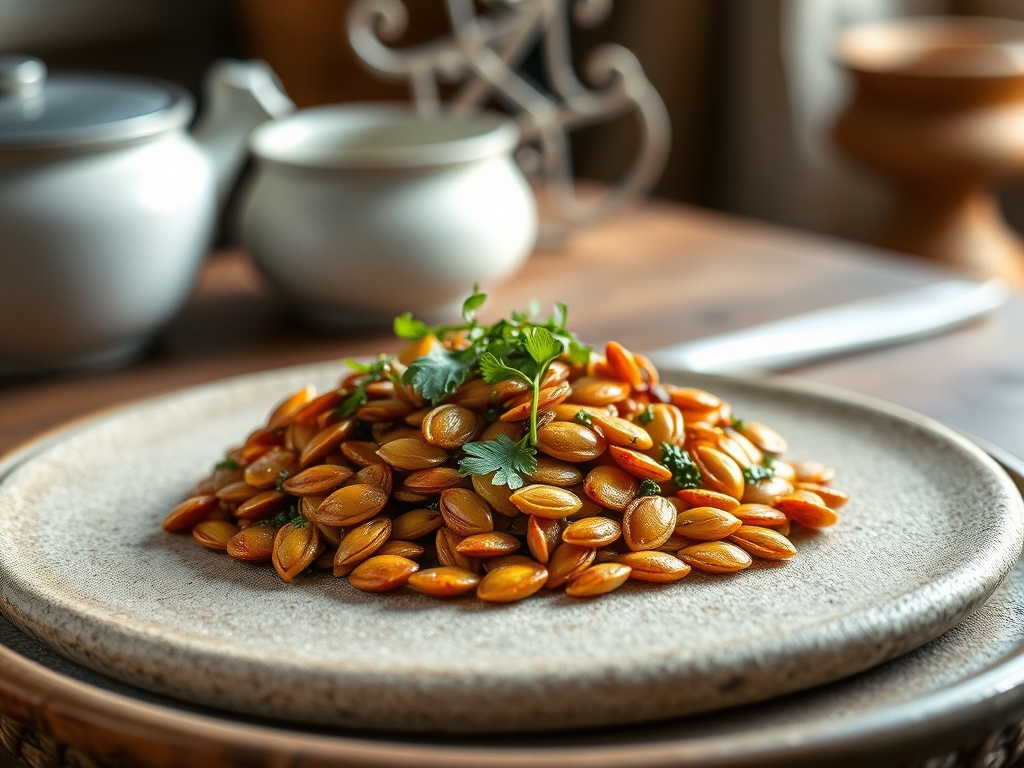
Spread the raw seeds across a heavy-duty rimmed baking sheet in a single, even layer. Place them in a preheated oven at 175C / 350F for approximately 8 to 10 minutes. Watch for a pale golden hue and a fragrant, nutty release of volatile oils. Use a digital scale to ensure your measurements are precise before you begin the heat application.
Pro Tip: This stage triggers the Maillard reaction, creating complex flavor compounds. Using a heavy-duty pan prevents hot spots that cause uneven scorching.
Step 2: The Mechanical Breakdown
Transfer the warm seeds into the bowl of a high-speed professional food processor or blender. Begin processing on a low speed to break the seeds into a coarse meal. Use a silicone spatula or a bench scraper to push down the debris from the sides of the vessel to ensure every particle is engaged by the blades.
Pro Tip: Processing while the seeds are warm facilitates the release of internal oils. This reduces the mechanical load on your motor and speeds up the transformation from solid to liquid.
Step 3: The Emulsification Phase
Increase the speed to high. As the seeds release their natural fats, the mixture will transition from a dry powder to a thick, gritty paste. Slowly stream in the cold-pressed sunflower oil to aerate and lighten the texture. Continue processing for 3 to 5 minutes until the mixture becomes remarkably viscous and glossy.
Pro Tip: The Sunflower Seed Vitamin E acts as a natural stabilizer here. Using a high-speed blender creates smaller fat globules, resulting in a more stable, permanent emulsion that will not separate at room temperature.
Step 4: The Infusion of Flavor
Once the texture is silky, add the smoked paprika, sea salt, maple syrup, and cayenne. Pulse the processor five or six times to fully infuse the spices into the fat matrix. Taste for balance; the profile should be savory with a whisper of heat and a clean finish.
Pro Tip: Always add dry spices at the end of the process. High-speed blades generate significant heat which can scorch delicate ground spices like paprika, turning them bitter if processed too long.
Section B: Prep & Timing Fault-Lines:
The most common human error is impatience during the blending phase. If the motor begins to smell of ozone, you are overworking the machine without enough liquid. Stop the process and allow the equipment to cool for two minutes. Another critical fault is temperature control. If the seeds are too cold, the oils will remain trapped in the cellular walls. Conversely, if you overheat the seeds during roasting, you destroy the Sunflower Seed Vitamin E. Use an infrared thermometer to ensure seeds do not exceed 180C / 355F during the roasting phase.
THE VISUAL SPECTRUM
Section C: Thermal & Visual Troubleshooting:
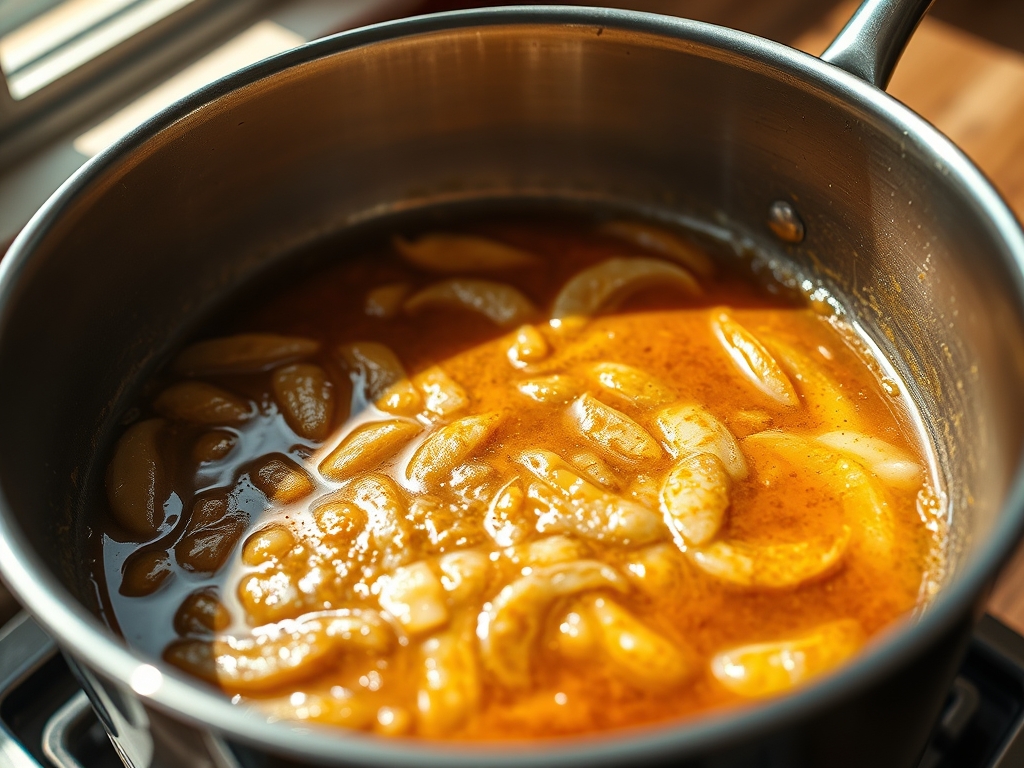
Referencing the Masterclass photo, your final product should exhibit a vibrant, creamy tan color with a reflective, glossy surface. If your mixture looks dull or grey, your seeds were likely old or under-roasted. If you see visible oil separation, the emulsion has "broken." You can fix this by adding a teaspoon of warm water and whisking vigorously in a saucier until the proteins and fats reconnect. If the texture is grainy rather than silky, increase your blending time. The visual cue for success is a "ribbon" stage; when you lift a spoon, the mixture should fall back into the bowl in a slow, continuous stream that holds its shape for three seconds before disappearing.
THE DEEP DIVE
Macro Nutrition Profile:
A single 30g serving provides approximately 180 calories, 16g of healthy fats, 6g of protein, and 4g of carbohydrates. Most importantly, it delivers nearly 40 percent of your daily requirement for Vitamin E, providing a massive boost to your antioxidant defenses.
Dietary Swaps:
For a Vegan profile, ensure your maple syrup is grade-A and minimally processed. For Keto adherents, omit the maple syrup and replace it with a pinch of monk fruit sweetener or simply increase the sea salt. This protocol is naturally Gluten-Free, making it an ideal base for hypoallergenic meal planning.
Meal Prep & Reheating Science:
Store the finished butter in a glass jar to prevent plastic leaching. Because of the high Sunflower Seed Vitamin E content, this mixture is naturally resistant to oxidation and will stay fresh for up to three weeks in the refrigerator. To maintain the molecular structure when using it in warm dishes, do not boil the butter directly. Instead, fold it into warm sauces at the very end of the cooking process to preserve the delicate tocopherols.
THE KITCHEN TABLE
How do I know if my seeds are truly high in Vitamin E?
Source organic, non-GMO seeds that are dark in color. The presence of Sunflower Seed Vitamin E is highest in seeds that have been minimally processed and kept away from direct light and heat during storage.
Can I use a mortar and pestle instead?
You can, but it requires significant physical labor to achieve the necessary particle size. A mortar and pestle will create a rustic, "chunky" version, but it will lack the aerated, silky mouthfeel of a high-speed mechanical emulsion.
Why is my sunflower butter turning green?
This is a harmless chemical reaction between the chlorogenic acid in the seeds and baking soda or powder if used in baking. In this raw spread, it should not happen unless exposed to high alkalinity.
Is it safe to freeze this mixture?
Yes. Freezing preserves the Sunflower Seed Vitamin E perfectly. Thaw in the refrigerator overnight. You may need to stir it vigorously to re-incorporate any oils that shifted during the crystallization process.