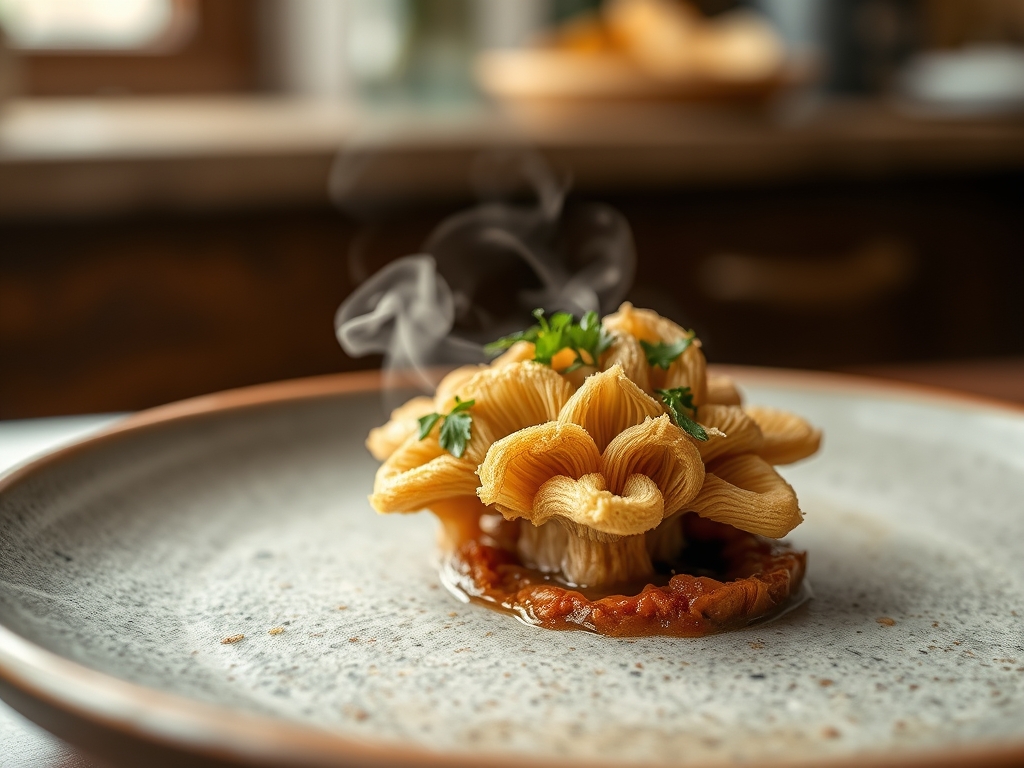
Imagine a brain on a plate; a shaggy, ivory pom-pom that looks more like a deep-sea coral than a forest floor inhabitant. This is the Lion's Mane Mushroom. It is the only fungi in the world that triggers the synthesis of Nerve Growth Factor (NGF), making it the ultimate cognitive fuel for the high-performance kitchen. But we are not here for the supplements or the powders. We are here for the molecular transformation of chitin and water into a texture that rivals the most delicate scallops or pulled lobster. When you hit a fresh cluster with high heat, the water evaporates and the proteins undergo a violent Maillard reaction, turning the snowy exterior into a golden, crispy crust. The flavor profile is a sophisticated bridge between earthy umami and a subtle, sweet oceanic finish. It is a structural marvel that demands precision; treat it like a cheap button mushroom and you will end up with a soggy sponge. Treat it like a premium protein, and you will unlock a culinary experience that is as intellectually stimulating as it is delicious.
THE DATA MATRIX
| Metric | Specification |
|---|---|
| Prep Time | 15 Minutes |
| Execution Time | 20 Minutes |
| Yield | 2 Servings |
| Complexity (1-10) | 6 |
| Estimated Cost per Serving | $8.50 |
THE GATHERS
Ingredient Protocol:
- 500g / 1.1 lbs Fresh Lion's Mane Mushroom (Firm, no yellowing)
- 45ml / 3 tbsp High-Smoke Point Oil (Avocado or Grapeseed)
- 30g / 2 tbsp Unsalted Grass-fed Butter (or Vegan Miyoko's)
- 3 cloves Garlic, smashed
- 2g / 1 tsp Fresh Thyme leaves
- 5ml / 1 tsp Fresh Lemon juice
- 3g / 0.5 tsp Flaky Sea Salt
- 1g / 0.25 tsp Freshly cracked Black Pepper
Section A: Ingredient Quality Audit:
The primary failure point in this protocol is moisture saturation. If your Lion's Mane Mushroom feels heavy or slimy, it has been improperly stored in plastic. Technical fix: Place the mushroom on a wire rack in the refrigerator for two hours to aerate and shed excess surface moisture. If the mushroom has started to yellow, it is oxidizing. While still edible, the flavor will turn bitter. To neutralize this, increase the lemon juice during the final deglaze to balance the pH. Always use a digital scale to measure your fats; too much oil will lead to a greasy, limp structure rather than a crisp sear.
THE MASTERCLASS
Step 1: The Dry Sear Compression
Tear the Lion's Mane into large, steak-like slabs using your hands to preserve the natural fiber structure. Place a heavy-bottomed cast iron skillet over medium-high heat. Do not add oil yet. Place the mushrooms in the dry pan and use a secondary heavy pan or a weighted grill press to compress them.
Pro Tip: This technique, known as "dry-pressing," forces the cellular water out of the mushroom without boiling it in its own juices. By using a bench scraper to flip the pieces, you ensure maximum surface contact, which accelerates the breakdown of chitinous cell walls for a meatier bite.
Step 2: Fat Incorporation and Maillard Activation
Once the mushrooms have shrunk by 30 percent and the edges are starting to brown, add your high-smoke point oil. Increase the heat slightly. You are looking for a deep mahogany color. Flip the mushrooms every two minutes to ensure the heat penetrates the dense center of the cluster.
Pro Tip: Use an infrared thermometer to ensure your pan surface is between 375F and 400F. This is the "sweet spot" where the Maillard reaction creates hundreds of new flavor compounds without reaching the smoke point of your fat, preventing an acrid aftertaste.
Step 3: The Butter Baste and Infusion
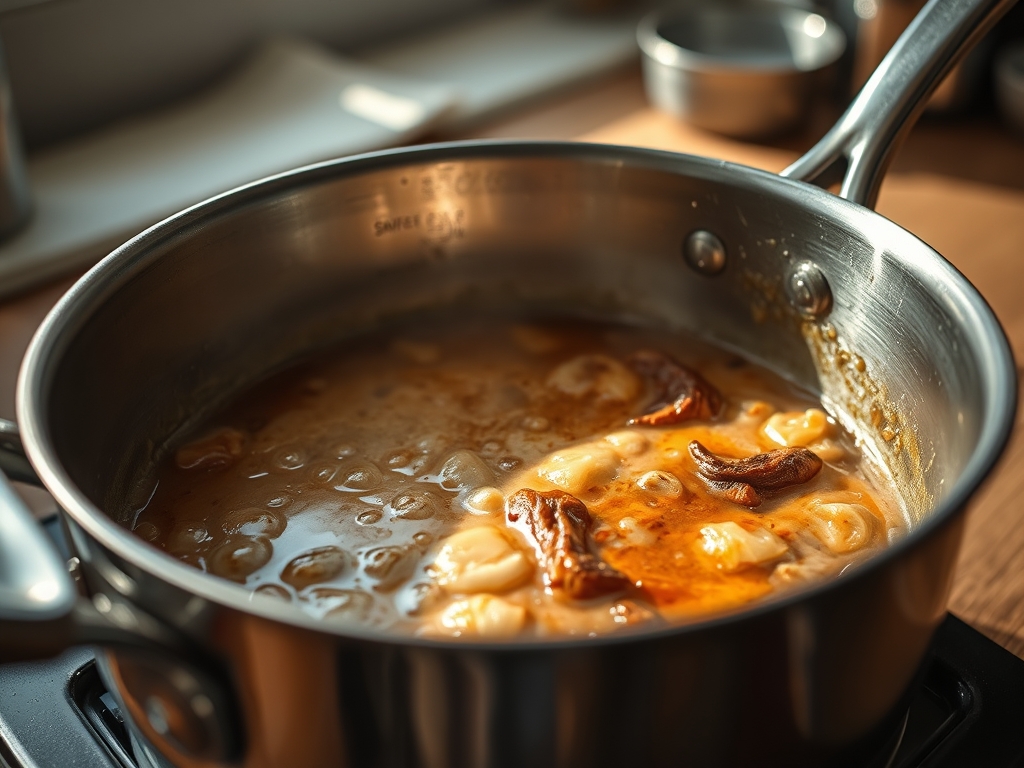
Reduce the heat to medium. Add the butter, smashed garlic, and thyme to the pan. As the butter begins to foam, tilt the pan toward you and use a large spoon to continuously shower the mushrooms with the hot, flavored fat. This is the render and infuse stage.
Pro Tip: This classic French technique, "arrosé," uses the butter as a heat transfer medium to cook the interior of the mushroom while the milk solids brown, adding a nutty complexity. Use a saucier if you are cooking smaller batches to keep the butter pooled for easier basting.
Step 4: Acid Correction and Finishing
Remove the pan from the heat. Squeeze the fresh lemon juice over the mushrooms to deglaze the brown bits (fond) from the bottom of the pan. Toss the mushrooms one last time to coat them in the viscous pan sauce. Season with flaky salt and pepper immediately before plating.
Pro Tip: Adding salt too early draws out moisture and prevents browning. By adding it at the end, you maintain the structural integrity of the "teeth" (the shaggy parts) of the mushroom, providing a superior mouthfeel and a piquant finish.
Section B: Prep & Timing Fault-Lines:
The most common human error is "pan crowding." If you put too many mushrooms in the skillet at once, the ambient temperature drops and the released steam has nowhere to go. This results in a rubbery, grey mushroom. If you see liquid pooling in the pan, remove half the mushrooms immediately and increase the heat. Another fault-line is the "premature flip." Let the mushroom sit undisturbed for at least three minutes during the initial sear to allow the crust to set.
THE VISUAL SPECTRUM
Section C: Thermal & Visual Troubleshooting:
Look at the Masterclass photo. Notice the transition from the dark, caramelized edges to the golden-brown center. If your mushroom is a uniform, dull tan, you didn't use enough pressure during the dry sear. If the "teeth" look shriveled and black, your heat was too high or your oil reached its flash point. The ideal visual cue is a "seared scallop" aesthetic. The interior should remain white and juicy, providing a stark contrast to the crunchy exterior. If the color is uneven, use your bench scraper to press down specifically on the lighter areas during the next cook cycle.
THE DEEP DIVE
Macro Nutrition Profile:
Per 100g serving: 35 Calories, 2.5g Protein, 7g Carbohydrates, 0.5g Fat. It is a nutrient-dense powerhouse featuring hericenones and erinacines, which are the compounds responsible for the neuroprotective effects.
Dietary Swaps:
- Vegan: Substitute grass-fed butter with a high-quality cashew-based butter or extra virgin olive oil.
- Keto: This recipe is naturally keto-friendly. Increase the butter for higher fat macros.
- GF: Naturally gluten-free. Ensure your "steak" seasoning (if using) does not contain maltodextrin.
Meal Prep & Reheating Science:
To maintain the molecular structure, do not microwave. Reheating in a microwave collapses the air pockets within the mushroom, making it tough. Instead, reheat in a toaster oven at 350F for 5 minutes or flash-sear in a hot pan for 60 seconds per side to re-crisp the exterior.
THE KITCHEN TABLE
Can I wash Lion's Mane under the faucet?
Absolutely not. These mushrooms act like sponges. If they are dirty, use a soft brush or a damp paper towel to wipe away debris. Introducing water will ruin your chances of a crispy sear.
Why is my Lion's Mane bitter?
Bitterness usually indicates the mushroom is past its prime or it was cooked at too low a temperature for too long. Ensure you buy vibrant white specimens and use high heat to transform the sugars quickly.
What does Lion's Mane taste like?
It is often compared to lobster or crab. It has a mild, sweet, and savory profile that absorbs the flavors of whatever it is cooked with, making it a perfect canvas for garlic and herbs.
How do I know when it is done?
The mushroom should feel firm to the touch, similar to a medium-rare steak. If it feels squishy, it needs more time under the press to evacuate moisture. If it is hard, it is overcooked.