Listen up, kitchen engineers. We are currently standing at the intersection of high-octane performance and cellular-level efficiency. Forget the sugary, store-bought pucks that masquerade as health food. We are here to conduct a comprehensive Energy Ball Audit to ensure your fuel source is a masterpiece of glycemic stability and textural integrity. Imagine the friction of toasted almonds meeting the viscous, caramel-heavy pull of a Medjool date. This is not just a snack; it is a structural marvel. We are looking for that perfect snap of a cold-pressed nut followed by the soft, yielding interior that signals a successful emulsification of natural sugars and healthy lipids. If your current snack routine feels like a lead weight in your gut, your infrastructure is failing. We are going to rebuild it from the ground up, utilizing high-torque processing and precision temperature control to create a portable power cell that tastes like a luxury truffle but performs like a premium fuel additive. Let us dive into the schematics.
THE DATA MATRIX
| Metric | Specification |
|---|---|
| Prep Time | 15 Minutes |
| Execution Time | 10 Minutes |
| Yield | 18 – 20 Units |
| Complexity (1-10) | 3 |
| Estimated Cost per Serving | $0.45 |
THE GATHERS
Ingredient Protocol:
- 225g / 1.5 cups Medjool dates (pitted and packed).
- 150g / 1 cup Raw almonds or walnuts.
- 30g / 0.25 cup Unsweetened cocoa powder (Dutch-processed for pH balance).
- 60ml / 0.25 cup Almond butter (natural, salt-free).
- 15ml / 1 tbsp Pure vanilla extract.
- 2g / 0.5 tsp Sea salt (flaked).
- 30g / 2 tbsp Hemp hearts or chia seeds for structural reinforcement.
Section A: Ingredient Quality Audit:
The primary failure point in an Energy Ball Audit is often the moisture content of the fruit. If your dates are desiccated and brittle, they will not form a cohesive matrix. To fix this, submerge the dates in 80C water for exactly five minutes to rehydrate the cellular walls; then pat them bone-dry before processing. Another common error is using "no-stir" nut butters that contain palm oil. These fats do not integrate well at room temperature. Always opt for a single-ingredient nut butter to ensure a clean lipid profile that will not separate under thermal stress.
THE MASTERCLASS
1. The Nut Pulverization Phase
Place your raw nuts into the bowl of a high-speed processor. Pulse the blades until you achieve a coarse, sandy texture. Do not over-process at this stage or you will release too much oil and end up with a greasy paste rather than a structural foundation.
Pro Tip: Use a digital scale to ensure your dry-to-wet ratio is exact. Precision here prevents the mixture from becoming too tacky or too crumbly.
2. The Date Integration Sequence
Add the pitted dates one by one while the motor is running. The friction of the blades will begin to render the natural sugars into a sticky binder. You are looking for the mixture to begin "climbing" the walls of the processor, indicating the formation of a dough.
Pro Tip: If the motor struggles, use a bench scraper to clear the sides of the bowl and redistribute the mass toward the blades for a more uniform grind.
3. Emulsifying the Flavor Core
Incorporate the cocoa powder, almond butter, vanilla, and salt. Process on high for 30 seconds to infuse the aromatics deeply into the fiber of the dates. The mixture should now look dark, glossy, and highly viscous.
Pro Tip: A saucier is not needed here, but ensure your almond butter is at room temperature. Cold butter will create lumps that disrupt the smooth molecular structure of the ball.
4. Structural Reinforcement
Pulse in your hemp hearts or chia seeds at the very end. This adds a piquant crunch and introduces essential fatty acids that slow down the absorption of glucose, lowering the overall glycemic load of the final product.
Pro Tip: Use a small cookie scoop to ensure every unit has the same volume. Consistency in size ensures that your caloric intake is predictable and measurable.
Section B: Prep & Timing Fault-Lines:
Human error usually manifests in the "over-mixing" phase. If the processor runs too long, the friction generates heat that can cause the oils in the nuts to go rancid or separate. If the mixture feels hot to the touch, stop immediately and refrigerate the bowl for 10 minutes. Timing is everything. Your total processing time should never exceed three minutes of active blade rotation.
THE VISUAL SPECTRUM
Section C: Thermal & Visual Troubleshooting:
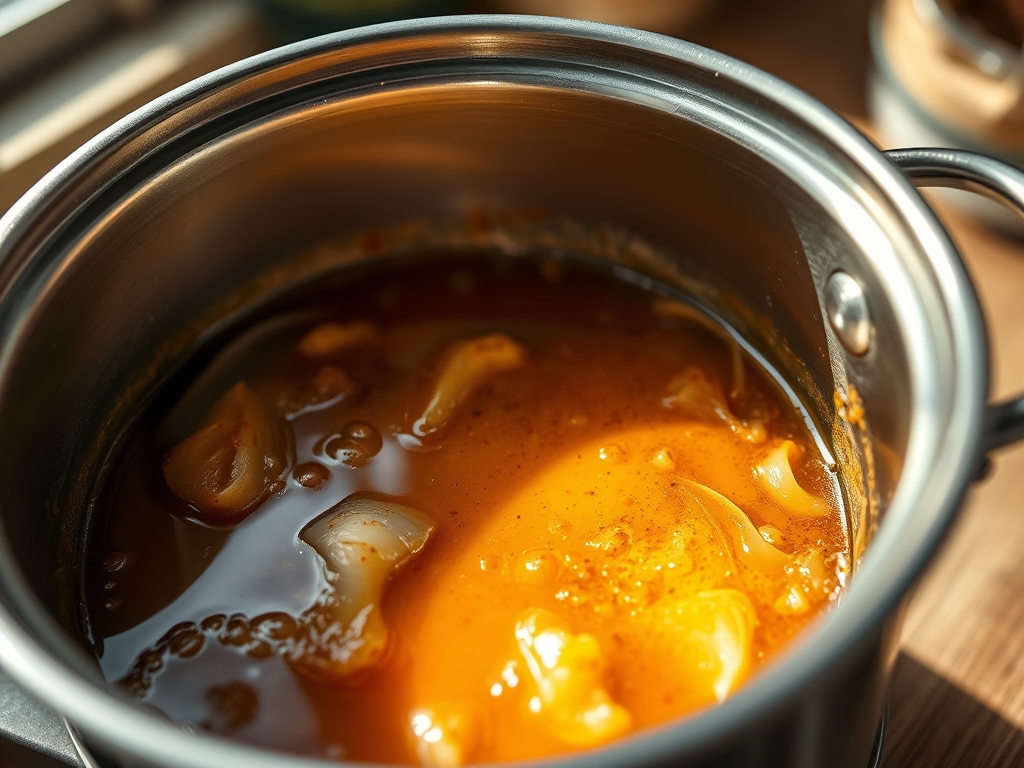
Look at the Masterclass photo above. Notice the deep, obsidian-like sheen on the surface of the spheres; this indicates that the cocoa has been properly hydrated by the date moisture. If your balls look dusty or gray, you lack sufficient moisture. Add a teaspoon of water and re-process. If the spheres are sagging or losing their shape, the lipid-to-fiber ratio is off. You need more "dry" infrastructure. Pulse in a tablespoon of flax meal to provide additional tension. The texture should be firm enough to resist a light thumbprint but soft enough to melt on the tongue.
THE DEEP DIVE
Macro Nutrition Profile:
Each unit delivers approximately 110 calories, 6g of healthy fats, 14g of complex carbohydrates, and 3g of protein. The high fiber content from the date skins and nut skins ensures a slow release of energy, preventing the dreaded insulin spike and subsequent crash.
Dietary Swaps:
- Vegan: This recipe is inherently plant-based.
- Keto: Replace dates with a combination of almond flour and a sugar-free syrup (like monk fruit). Note that this will drastically change the binding mechanics.
- GF: Naturally gluten-free, but ensure your cocoa powder is processed in a certified facility.
Meal Prep & Reheating Science:
These units are stable at room temperature for 48 hours, but for long-term structural integrity, store them in an airtight container in the refrigerator. The cold environment causes the fats to solidify, creating a denser, fudgier mouthfeel. Do not reheat; these are designed to be consumed at or below 22C to maintain their molecular bonds.
THE KITCHEN TABLE
Why are my energy balls falling apart?
Your infrastructure lacks a cohesive binder. This usually means your dates were too dry or your nut-to-date ratio was skewed toward the solids. Add a tablespoon of warm water or extra nut butter to restore the viscous bond.
Can I use a blender instead of a food processor?
Blenders are designed to aerate and liquefy. Unless you have a high-powered tamper, a blender will likely create a "bridge" where the blades spin freely beneath the ingredients. A processor is the superior tool for this audit.
How do I get that professional glossy finish?
The secret is the "roll." Once scooped, roll the ball between your palms for at least five seconds. The heat from your skin slightly melts the surface fats, creating a polished, professional aesthetic that mirrors the Masterclass photo.
What is the shelf life of these power cells?
Stored in a sealed container within a refrigerated environment, these units will maintain their nutritional and structural integrity for up to 14 days. For long-term storage, they can be frozen for up to three months without degradation.