Listen to the sound of the high-performance kitchen. It is the rhythmic scrape of a silicone spatula against a heavy-bottomed saucier. It is the steady hiss of steam escaping a pot of simmering liquid. You are not just making breakfast; you are engineering a physiological launchpad. Your body is a high-compression engine, and Pre Workout Oatmeal is the premium grade fuel required to prevent a mid-session stall. Forget the instant, sugary sludge found in paper packets. We are talking about a precise calibration of complex carbohydrates, soluble fiber, and glycogen-loading potential. When you nail the texture, it is a creamy, viscous masterpiece that coats the palate and sustains the soul. When you fail, it is a gummy, structural disaster that sits like a brick in your gut. This audit focuses on the molecular transition of raw groats into a bioavailable energy source. We are optimizing for sustained power, ensuring that every spoonful translates into one more rep, one more mile, or one more set of explosive movements.
THE DATA MATRIX
| Metric | Specification |
|---|---|
| Prep Time | 5 Minutes |
| Execution Time | 12 Minutes |
| Yield | 1 Serving |
| Complexity (1-10) | 3 |
| Estimated Cost | $1.15 |
THE GATHERS
Ingredient Protocol:
- 80g / 1 cup Old Fashioned Rolled Oats (Avoid instant for glycemic control)
- 350ml / 1.5 cups Filtered Water or Nut Milk (For hydration and silkiness)
- 15g / 1 tbsp Nut Butter (For lipid-based satiety)
- 1g / 0.25 tsp Kosher Salt (To enhance flavor and electrolyte balance)
- 5g / 1 tsp Ground Cinnamon (For insulin sensitivity)
- 100g / 0.75 cup Fresh Berries (For antioxidant-rich micronutrients)
- 30g / 1 scoop Whey or Plant Protein (Optional: for amino acid buffering)
Section A: Ingredient Quality Audit:
If your oats are dusty or shattered, your final texture will be a pasty mess. This is often caused by poor storage or choosing "quick oats" over "rolled oats." The fix is to use a fine-mesh sieve to shake off the excess oat flour before cooking. If your nut butter has separated into a hard puck and a pool of oil, you must emulsify it back to a smooth state using a mini whisk or a sturdy spoon before adding it to the oats. Sub-par water quality can also ruin the flavor profile. If your tap water tastes of chlorine, use filtered water to ensure the delicate, nutty flavor of the grain is not masked by chemical interference.
THE MASTERCLASS
1. The Hydration Phase
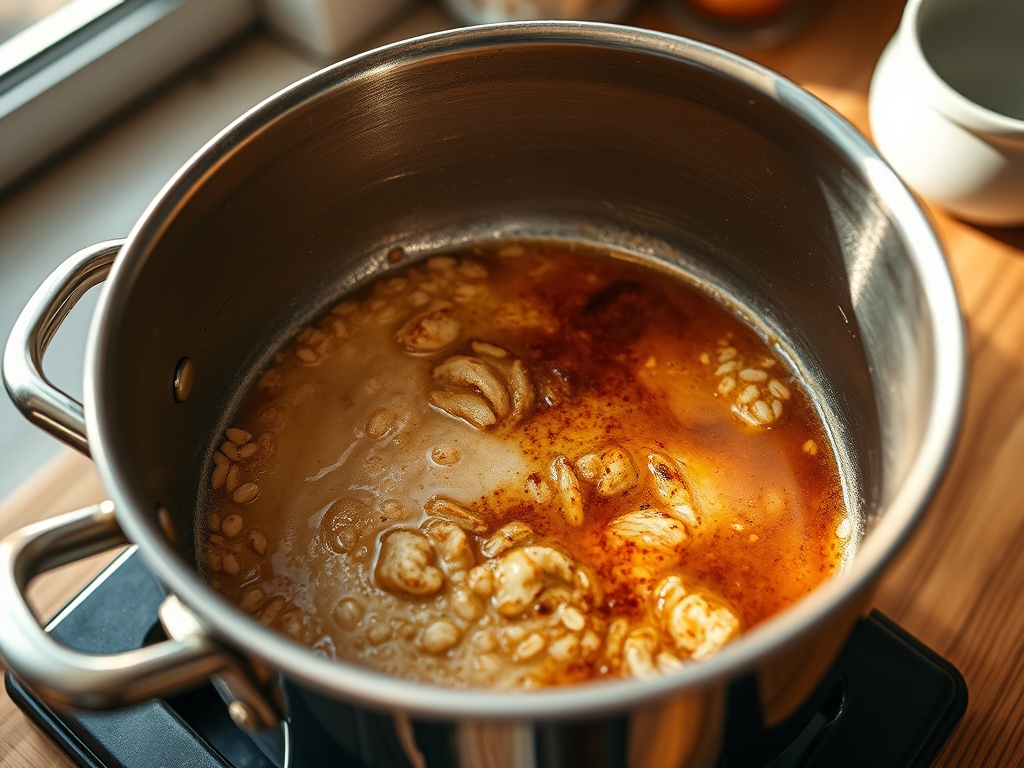
Place your oats and liquid into a stainless steel saucier. Set your induction cooktop or gas range to medium-high heat. Use a digital scale to ensure your ratios are exact. Precision here prevents the dreaded "soup" or "cement" outcomes.
Pro Tip: Starting with cold liquid allows the starch granules to swell gradually. This creates a more viscous and creamy texture compared to dropping oats into boiling water, which shocks the exterior and leaves the center raw.
2. The Thermal Agitation
Bring the mixture to a gentle simmer. Reduce heat to low immediately. Use a wooden spoon or a heat-resistant spatula to stir constantly in a figure-eight motion. This movement encourages the release of starches into the liquid.
Pro Tip: Constant agitation promotes the development of a smooth suspension. Professional chefs use a saucier because its rounded bottom prevents oats from getting trapped and burning in sharp corners.
3. The Flavor Infusion
Once the liquid is 70% absorbed, add your salt and cinnamon. Salt is a flavor multiplier; it suppresses bitterness and highlights the natural sweetness of the grain. Stir vigorously to incorporate.
Pro Tip: Adding salt too early can toughen the outer hull of the oat. By waiting until the starch has begun to gelatinize, you ensure a tender bite while maximizing the seasoning's impact on the palate.
4. The Protein Integration
If using protein powder, remove the pan from the heat source. Add a splash of cold liquid to the oats to drop the temperature slightly, then whisk in the powder. This prevents the protein from denaturing and clumping into unappealing rubbery bits.
Pro Tip: Use a bench scraper to clean your prep surface while the oats rest for sixty seconds. This resting period allows the residual heat to finish the hydration process without overcooking the delicate starches.
Section B: Prep & Timing Fault-Lines:
The most common failure in Pre Workout Oatmeal is the "heat-and-bolt" error. Eating boiling hot oats five minutes before a workout leads to gastric distress. You must time your consumption 60 to 90 minutes before training. If the oats are too thick, do not just add cold water; instead, infuse a small amount of warm milk to maintain the thermal equilibrium. If you overcook the oats, they become a high-glycemic mush that spikes insulin and leads to a mid-workout crash. Watch the clock and the consistency; you want "al dente" grains, not a puree.
THE VISUAL SPECTRUM
Section C: Thermal & Visual Troubleshooting:
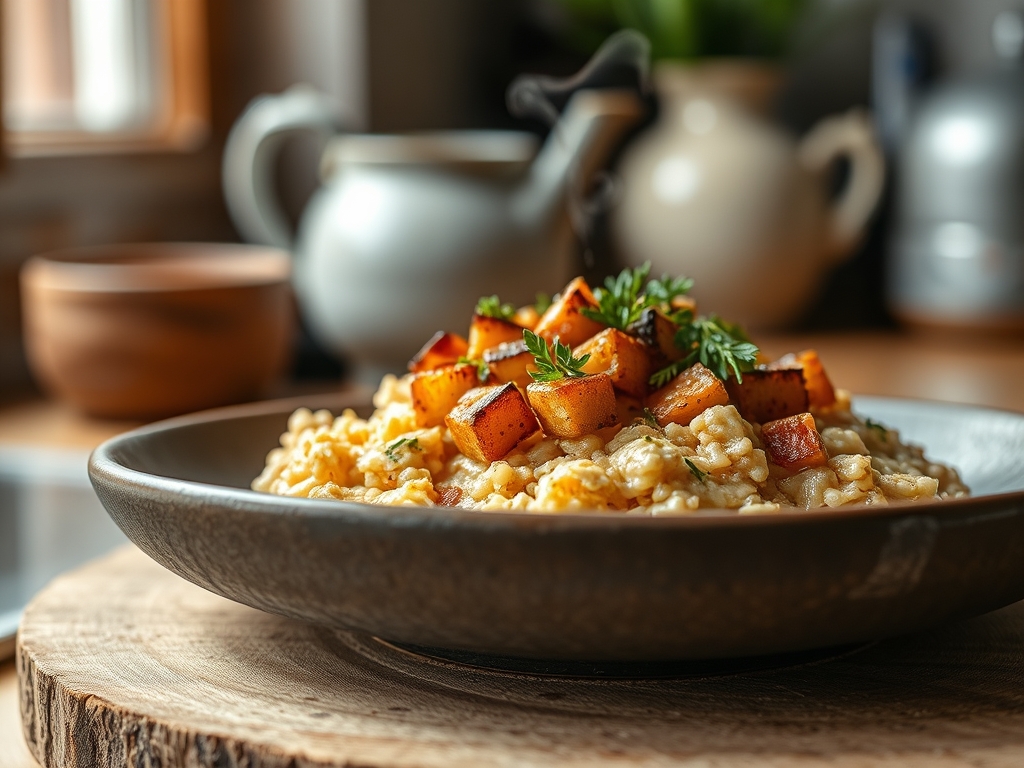
Referencing the Masterclass photo, your goal is a vibrant, textured bowl. If your oatmeal looks gray and dull, it is likely under-seasoned or the oats were oxidized. A pinch of cinnamon or a splash of vanilla can brighten the hue. If the fruit on top looks shriveled, you added it too early in the cooking process. Fresh fruit should be a garnish to provide a piquant contrast to the creamy base. If you see "pools" of liquid on the surface, the starch has not fully bonded with the water. Return it to the heat and stir for another 45 seconds to achieve a cohesive, glossy finish that reflects light evenly.
THE DEEP DIVE
Macro Nutrition Profile
A standard serving of this Pre Workout Oatmeal provides approximately 350 to 450 calories. You are looking at a distribution of 55g of carbohydrates, 10g of fiber, 15g of healthy fats, and 20 to 30g of protein. This ratio is designed to provide an immediate glucose bump followed by a slow, sustained release of energy.
Dietary Swaps
For a Vegan protocol, utilize almond or soy milk and a pea-protein isolate. For Gluten-Free requirements, ensure your oats are certified GF to avoid cross-contamination. While oatmeal is inherently high-carb, a Keto version can be simulated using "no-ats" (a blend of hemp hearts, chia seeds, and flax meal) to mimic the texture without the starch.
Meal Prep & Reheating Science
To meal prep, undercook your oats slightly. When you reheat them in the microwave or on the stovetop, the secondary heating process will finish the starch gelatinization. Add a tablespoon of liquid before reheating to aerate the mixture and prevent it from becoming a solid block. This preserves the molecular integrity of the fiber.
THE KITCHEN TABLE
How long before a workout should I eat this?
Aim for 60 to 90 minutes. This window allows for gastric emptying and ensures the glucose is in your bloodstream, ready for muscular uptake. Eating too close to training causes blood to divert from muscles to the gut.
Can I use steel-cut oats instead?
Yes, but the execution time increases to 30 minutes. Steel-cut oats have a lower glycemic index and a superior "pop" in texture. They are excellent for long-duration endurance sessions but require more planning and liquid.
Why is my oatmeal always gummy?
Gumminess is caused by over-stirring or using too much heat. Excessive agitation breaks the starch molecules too quickly. Use a gentle folding motion and keep the heat at a low simmer to maintain structural grain integrity.
Does the type of milk matter?
Absolutely. Dairy milk adds lactose (sugar) and more protein. Nut milks are thinner and provide a cleaner flavor profile. For maximum creaminess without extra calories, use an oat milk to double down on the grain's natural sweetness.