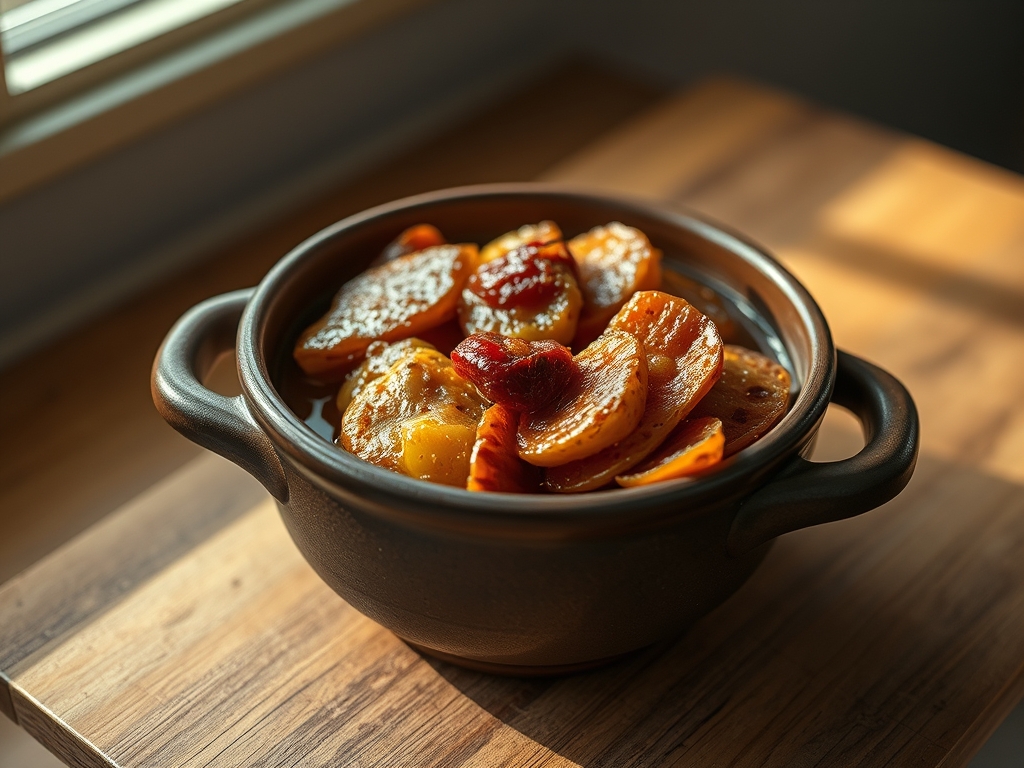
The scent of caramelizing fructose hits the back of your throat before the pan even touches the flame. We are not just making a snack; we are engineering a biological recovery vehicle designed to halt the post-workout crash in its tracks. When you exert yourself to the point of failure, your cellular sodium-potassium pumps are screaming for a reset. This is where the Banana Potassium Shift becomes your primary tactical advantage. We are looking for that precise moment when the starches in a flash-seared banana convert into rapid-access glucose while the internal mineral density remains intact. It is a high-speed collision of heat and fruit. The goal is a texture that is crisp on the exterior but nearly molten within. Forget the soggy, bruised specimens sitting in your gym bag. We are utilizing thermal energy to unlock the Banana Potassium Shift, ensuring that every bite delivers a concentrated hit of electrolytes wrapped in a decadent, Maillard-driven crust. This is culinary infrastructure at its most aggressive and efficient level.
THE DATA MATRIX
| Metric | Specification |
|---|---|
| Prep Time | 4 Minutes |
| Execution Time | 6 Minutes |
| Yield | 2 Servings |
| Complexity (1-10) | 3 |
| Estimated Cost per Serving | $1.15 |
THE GATHERS
Ingredient Protocol:
- 2 Large Bananas (approx. 400g); firm with slight spotting.
- 30g / 2 tbsp Unsalted Grass-fed Butter.
- 15ml / 1 tbsp Grade A Maple Syrup.
- 2g / 0.5 tsp Flaky Sea Salt (Maldon preferred).
- 1g / 0.25 tsp Ground Ceylon Cinnamon.
- 60ml / 0.25 cup Greek Yogurt (for the protein base).
Section A: Ingredient Quality Audit:
If your bananas are green, the starch-to-sugar ratio is too high; they will be chalky and resist the Banana Potassium Shift. To fix this, pierce the skin with a fork and microwave for 20 seconds to soften the pectin. Conversely, if they are overripe and mushy, they will disintegrate in the pan. The fix here is to infuse them with a dusting of cornstarch before searing to create a structural barrier. If your butter smells "off," it has likely oxidized. Always use high-fat European-style butter to ensure a viscous sauce that clings to the fruit rather than breaking into a greasy mess.
THE MASTERCLASS
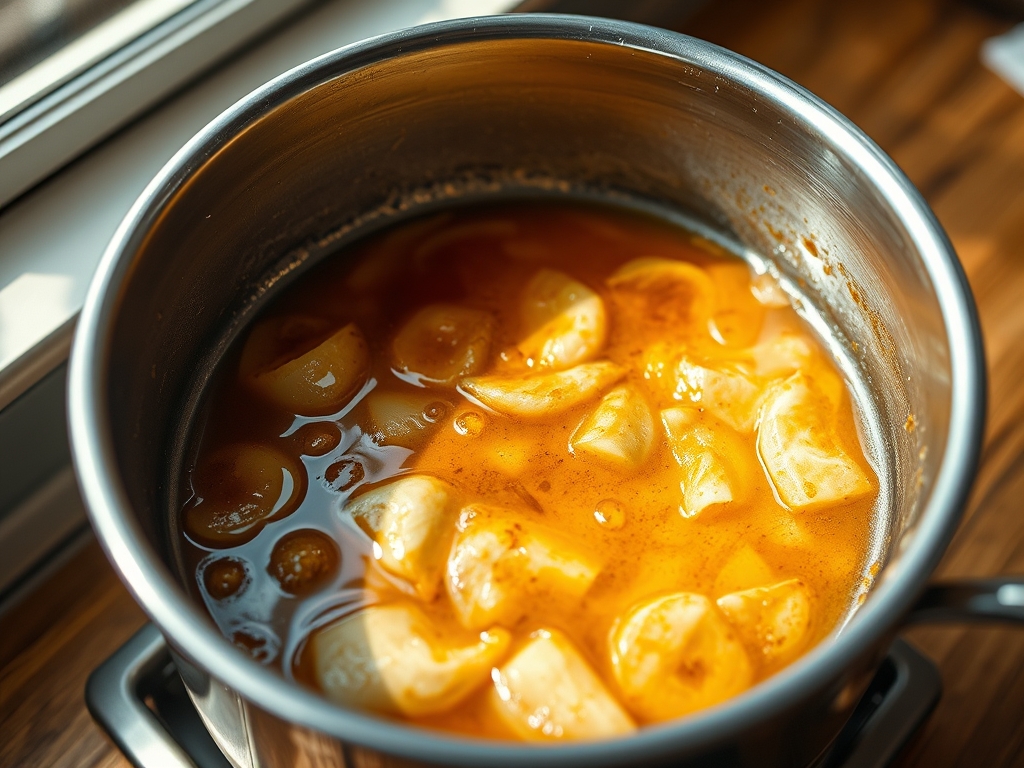
Step 1: Precision Slicing
Peel the bananas and use a sharp chef knife to slice them on a sharp bias at exactly 2cm thickness. Slicing on a bias increases the surface area for the Maillard reaction to occur. Use a bench scraper to transfer the slices to a clean plate without bruising the delicate cellular walls.
Pro Tip: Uniformity is king. If your slices vary in thickness, the thinner pieces will liquefy while the thick ones remain cold. Use a digital scale to ensure your portions are consistent for even heat distribution.
Step 2: Thermal Priming
Place a heavy-bottomed saucier or stainless steel skillet over medium-high heat. Add the butter and wait for the milk solids to begin to brown. You are looking for "beurre noisette" or brown butter. This nutty aroma signifies that the water has evaporated and you are ready to render the sugars in the fruit.
Pro Tip: The foaming action of the butter is your thermal indicator. Once the foam subsides, the temperature is approximately 300 degrees Fahrenheit, which is the "sweet spot" for initiating the Banana Potassium Shift without scorching the fruit.
Step 3: The Flash Sear
Carefully lay the banana slices into the butter. Do not crowd the pan; if you drop the temperature too fast, the fruit will steam instead of sear. Let them sit undisturbed for 90 seconds until a deep golden crust forms. Flip each slice once using a silicone spatula to avoid tearing the surface.
Pro Tip: Do not over-handle the fruit. Every time you move the banana, you break the surface tension and lose the viscous caramelization that defines the dish.
Step 4: Deglaze and Emulsify
Drizzle the maple syrup and cinnamon over the bananas. Add a splash of water (about 15ml) to deglaze the pan, lifting the browned bits (fond) from the bottom. Swirl the pan gently to aerate the sauce and create a glossy emulsion that coats every slice.
Pro Tip: The addition of a liquid creates a steam-flash that finishes the internal cooking of the banana while the sugars in the syrup bond with the fats in the butter for a professional finish.
Section B: Prep & Timing Fault-Lines:
The most common failure is the "Thermal Lag." If you wait too long to serve, the bananas will continue to cook from residual heat, turning into a puree. To prevent this, move the fruit from the pan to a chilled plate immediately. If your sauce breaks and looks oily, you have overheated the butter; whisk in a teaspoon of cold water to bring the emulsion back together.
THE VISUAL SPECTRUM
Section C: Thermal & Visual Troubleshooting:
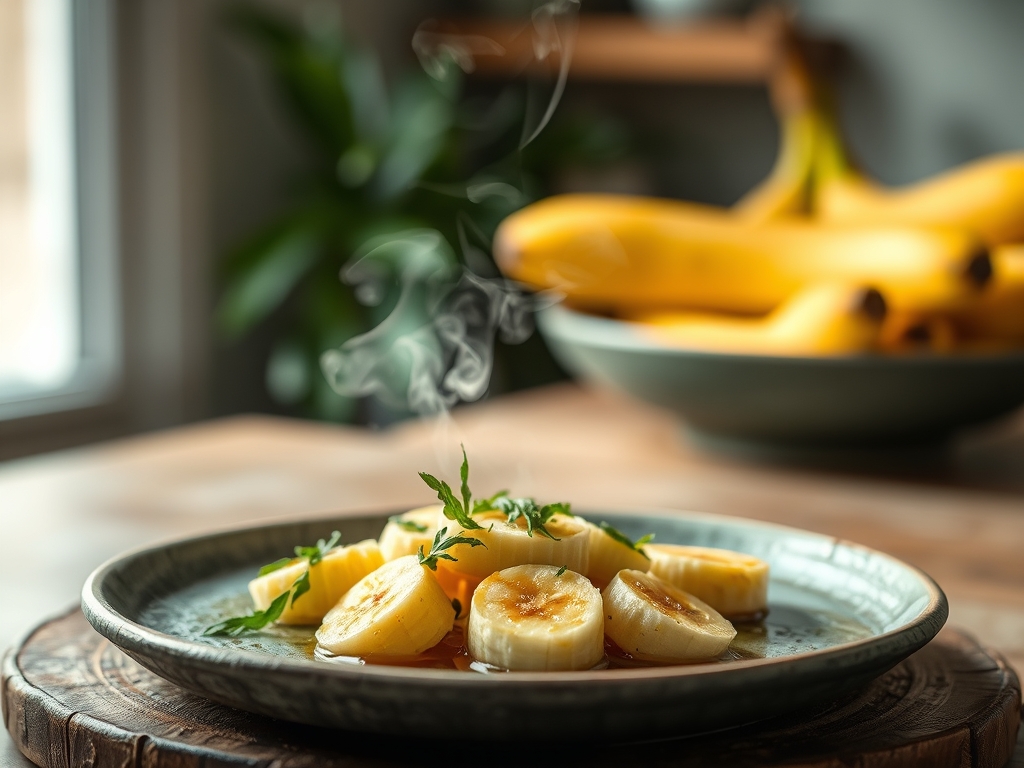
Look at the Masterclass photo above. Notice the "Halo Effect" on the edges of the banana slices; this is a clear indicator of a successful Banana Potassium Shift. If your bananas look pale and wet, your pan temperature was too low. If they are black but the centers are hard, your heat was too high. The ideal visual cue is a translucent center with a rigid, caramelized perimeter. The sauce should be the color of polished mahogany, not opaque or watery. If the cinnamon looks clumpy, it was not properly dispersed in the fat; always whisk spices into the butter before adding the liquid components.
THE DEEP DIVE
Macro Nutrition Profile:
This recovery protocol delivers approximately 320 calories, 45g of fast-acting carbohydrates, 14g of healthy fats, and 8g of protein (when paired with yogurt). Most importantly, it provides roughly 800mg of potassium, which is critical for nerve function and muscle contraction post-exertion.
Dietary Swaps:
- Vegan: Replace butter with refined coconut oil and use agave nectar instead of honey.
- Keto: This dish is inherently high-carb, but you can minimize the impact by using green bananas (resistant starch) and a monk-fruit based syrup.
- Gluten-Free: This protocol is naturally gluten-free; just ensure your spices are not processed in a facility with wheat.
Meal Prep & Reheating Science:
To maintain the molecular structure, do not microwave. Reheat in a dry non-stick pan over medium heat for 60 seconds. This prevents the starch from becoming "retrograded," which can make the texture rubbery. If prepping in advance, store the sliced bananas in an airtight container with a squeeze of lemon juice to prevent enzymatic browning.
THE KITCHEN TABLE
Why is the Banana Potassium Shift so important?
It represents the moment heat unlocks the fruit's internal minerals while converting complex starches into simple sugars. This ensures rapid absorption into the bloodstream, which is vital for immediate muscle recovery and glycogen replenishment after high-intensity training sessions.
Can I use frozen bananas for this?
Negative. Frozen bananas have compromised cellular structures due to ice crystal formation. When thawed and seared, they will immediately collapse into a pulp. For this specific searing technique, fresh fruit is the only viable infrastructure.
What if my sauce is too thin?
Continue to simmer the liquid for an additional 30 seconds after removing the bananas. This allows the water to evaporate, concentrating the sugars and fats into a thick glaze that will properly adhere to the fruit surface.
Is grass-fed butter really necessary?
Yes. Grass-fed butter has a higher ratio of Omega-3 fatty acids and a lower melting point. This results in a superior mouthfeel and a more complex flavor profile that complements the natural sweetness of the banana.