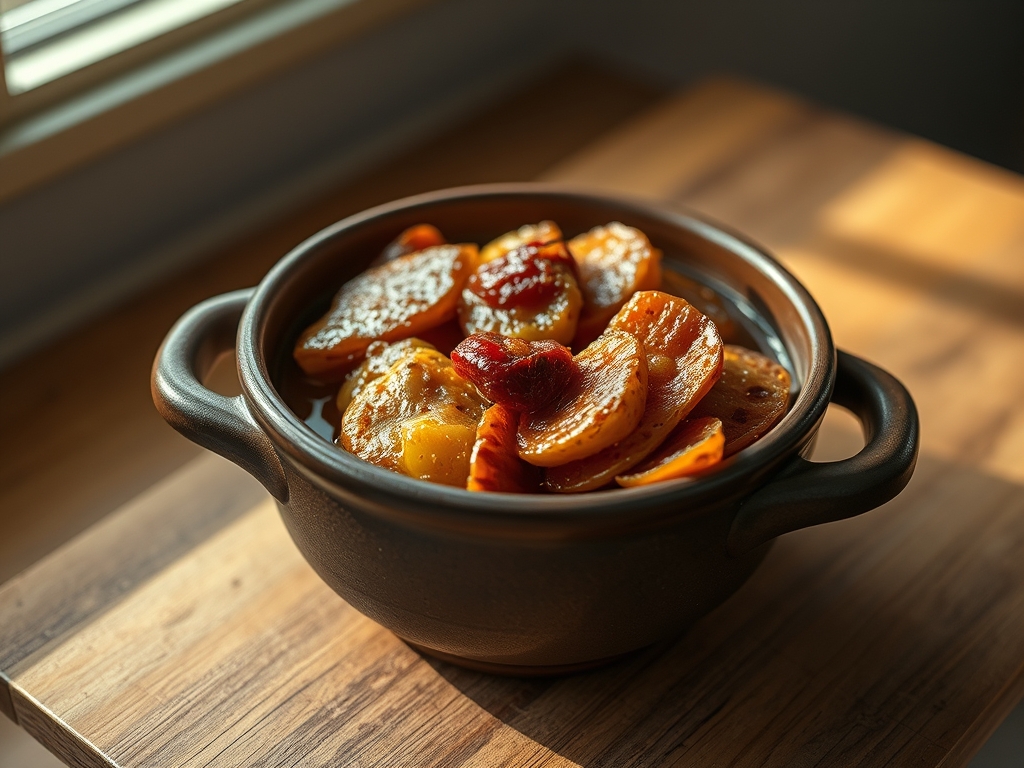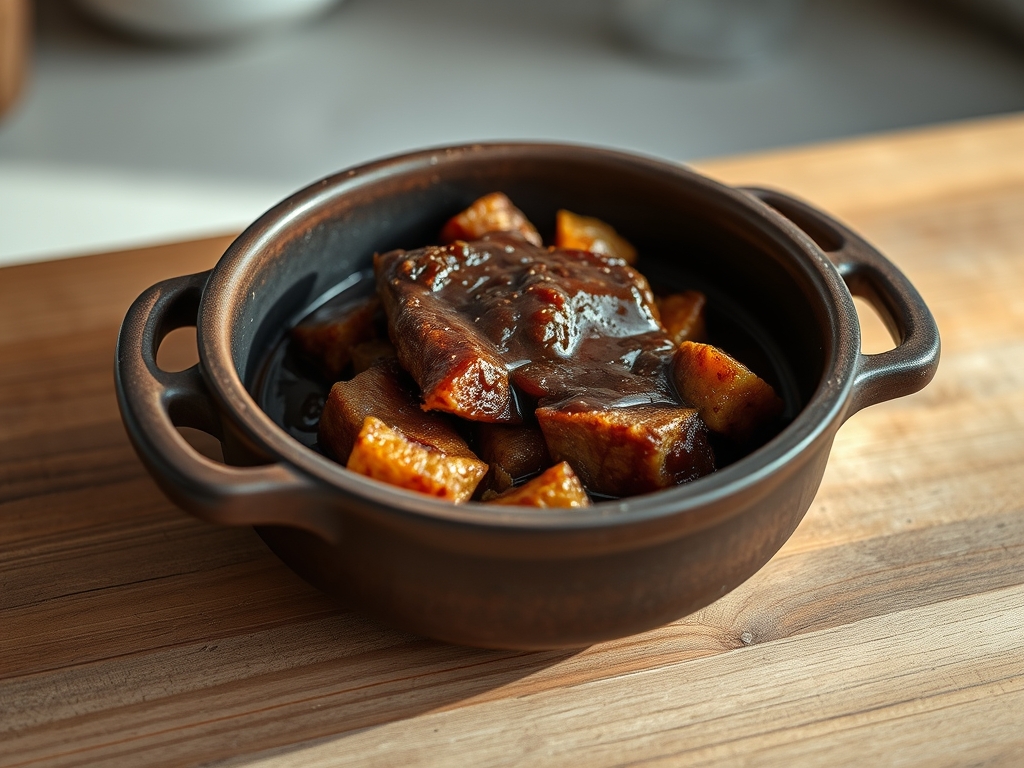
The kitchen is not a playground; it is a high-output laboratory where we manipulate organic matter to achieve peak caloric efficiency. When you handle a tuber, you are not just making dinner; you are managing a complex storage system of starch and sugar. We are here to harness Sweet Potato Energy. This is the kinetic potential locked within the orange flesh, waiting for the precise application of thermal energy to trigger the Maillard reaction. If you approach this with a casual attitude, you will end up with a soggy, structural failure. If you approach it with the mindset of a culinary auditor, you will produce a masterpiece of texture and flavor. We are looking for that specific moment when the internal moisture evaporates, the cell walls collapse, and the natural sugars undergo caramelization. This creates a crust that is both crisp and deeply aromatic. We are maximizing the bioavailability of nutrients while optimizing the sensory profile. Prepare your station. Calibrate your equipment. It is time to audit your vegetable protocol and elevate your output to professional standards.
THE DATA MATRIX
| Metric | Value |
|---|---|
| Prep Time | 15 Minutes |
| Execution Time | 45 Minutes |
| Yield | 4 Servings |
| Complexity (1-10) | 4 |
| Estimated Cost per Serving | $1.25 |
THE GATHERS
Ingredient Protocol:
- 1 kg / 2.2 lbs Sweet Potatoes (Garnet or Jewel variety)
- 45 ml / 3 tbsp Extra Virgin Olive Oil
- 10 g / 2 tsp Kosher Salt
- 5 g / 1 tsp Smoked Paprika
- 2 g / 0.5 tsp Cracked Black Pepper
- 30 ml / 2 tbsp Maple Syrup (Grade A Dark)
- 15 g / 1 tbsp Fresh Rosemary (minced)
Section A: Ingredient Quality Audit:
The primary failure point in tuber preparation is moisture content. If your potatoes feel "spongy" or show signs of sprouting, the starch has already begun to convert to simple sugars in an uncontrolled manner. This leads to a gummy internal texture that refuses to crisp. To fix this, soak the sliced tubers in ice water for 30 minutes to leach excess surface starch. If your olive oil lacks a piquant bite, it is likely oxidized. Always use oil from a dark glass bottle to ensure the lipids haven't degraded. If the rosemary is brittle and brown, it will not infuse the oil correctly; instead, it will burn and become bitter. Freshness is your primary infrastructure.
THE MASTERCLASS
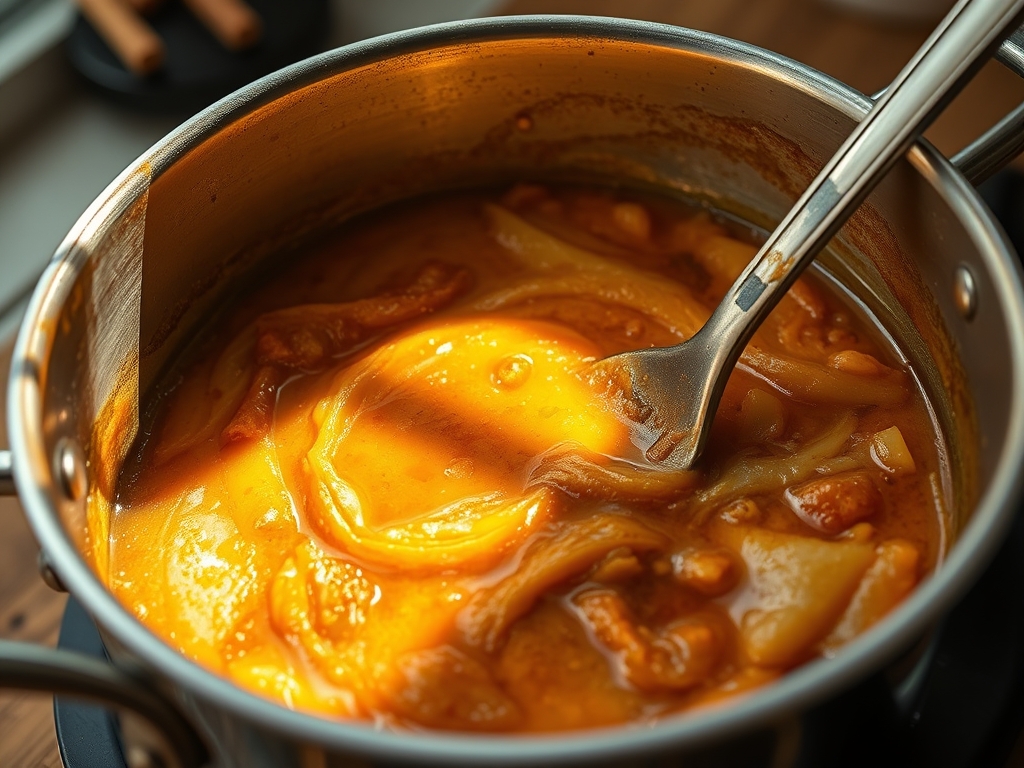
1. Precision Slicing and Scaling
Utilize a digital scale to ensure your total mass matches the recipe protocol. Peel the tubers and use a sharp chef knife or a mandoline to create uniform 2cm cubes. Uniformity is not an aesthetic choice; it is a thermal necessity. If the pieces vary in size, the smaller units will carbonize before the larger units reach the desired internal temperature.
Pro Tip: Use a bench scraper to move your cubes from the cutting board to the mixing bowl. This prevents "bruising" the cell walls and keeps your workspace organized, which is essential for high-volume efficiency.
2. Lipid Coating and Emulsification
In a large stainless steel bowl, combine the oil, salt, paprika, and pepper. Add the cubes and toss vigorously. You are looking to create a thin, even film of fat over every square millimeter of surface area. This lipid layer acts as a heat conductor, ensuring the thermal energy from the oven is distributed evenly across the tuber's exterior.
Pro Tip: The science of emulsification applies here. By whisking the spices into the oil before adding the potatoes, you ensure that the fat-soluble compounds in the paprika are fully activated, leading to a more vibrant color and deeper flavor profile.
3. Thermal Application and Spacing
Preheat your oven to 220C / 425F. Arrange the cubes on a heavy-gauge rimmed baking sheet. Do not crowd the pan. If the cubes are touching, they will steam rather than roast. You need airflow to facilitate the evaporation of surface moisture, which is the prerequisite for the Maillard reaction.
Pro Tip: Use a heavy-duty aluminum or carbon steel pan. These materials have high thermal mass, meaning they won't drop in temperature when the cold potatoes make contact. This ensures an immediate sear.
4. The Glaze Integration
After 30 minutes of roasting, remove the pan. Drizzle the maple syrup and rosemary over the tubers. Use a spatula to toss them quickly. Return to the oven for the final 10 to 15 minutes. The sugars in the syrup will render down and create a sticky, lacquered finish that binds the rosemary to the surface.
Pro Tip: Use a saucier to slightly warm the maple syrup before drizzling. This reduces the viscous drag and allows for a much thinner, more even coating, preventing the "clumping" of sugar that can lead to localized burning.
Section B: Prep & Timing Fault-Lines:
The most common human error is "The Peek." Every time you open the oven door, you lose approximately 25 degrees of ambient heat. This stalls the caramelization process. Trust your timer and your digital scale. If the potatoes are sticking to the pan, do not force them. Sticking is a sign that the protein-sugar bonds haven't fully set. Give them five more minutes; they will naturally release from the metal once the crust is sufficiently dehydrated.
THE VISUAL SPECTRUM
Section C: Thermal & Visual Troubleshooting:
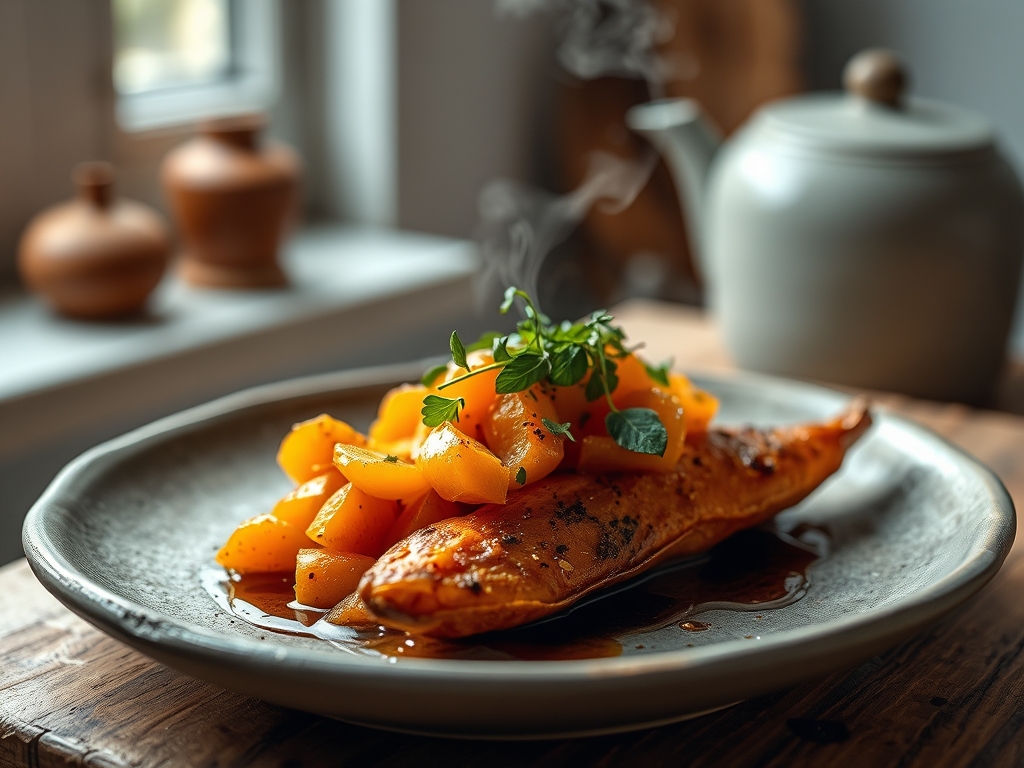
Referencing the Masterclass photo, you should observe a specific "blistered" appearance on the edges of the cubes. If your potatoes look dull or matte, you likely under-oiled them. A matte finish indicates that the surface starch dried out without frying in the lipid layer. If the color is pale yellow rather than deep orange, your oven calibration is likely off; use an internal oven thermometer to verify the heat. If the rosemary looks like black needles, it was added too early. The goal is a vibrant green-to-brown transition that signals the herbs have been toasted but not incinerated. The Sweet Potato Energy is visually represented by the "glow" of the maple lacquer reflecting the kitchen lights.
THE DEEP DIVE
Macro Nutrition Profile:
A standard serving provides approximately 220 calories, 45g of complex carbohydrates, and 4g of fiber. The high Vitamin A content is fat-soluble, making the inclusion of olive oil a nutritional requirement for absorption rather than just a culinary preference.
Dietary Swaps:
- Vegan: This protocol is inherently vegan.
- Keto: Tubers are high-starch. To adapt, swap sweet potatoes for cauliflower florets and reduce the maple syrup to a sugar-free alternative or omit it entirely.
- GF: Naturally gluten-free. Ensure your smoked paprika is not bulked with flour-based anti-caking agents.
Meal Prep & Reheating Science:
To maintain the molecular structure during reheating, avoid the microwave. Microwaves vibrate water molecules, which will turn the crisp exterior into a soggy mess. Instead, use an air fryer or a toaster oven at 200C / 400F for five minutes. This re-activates the surface fats and restores the structural integrity of the crust.
THE KITCHEN TABLE
Why are my sweet potatoes soggy?
Sogginess is a result of overcrowding the pan. When tubers are too close, they release steam that gets trapped, boiling the potato rather than roasting it. Ensure at least 1cm of space between each cube for optimal Sweet Potato Energy.
Can I use yams instead?
In North America, "yams" are often just mislabeled sweet potatoes. True yams are starchier and drier. If using true yams, increase the oil volume by 20 percent to compensate for the lower natural moisture content of the tuber.
What is the best salt for this?
Use Kosher salt. Its flat, flake-like structure adheres better to the curved surfaces of the roasted cubes compared to spherical table salt. It also provides a superior "crunch" factor that enhances the tactile experience of the dish.
How do I get a darker char?
Move the baking sheet to the top rack for the final three minutes of execution. The proximity to the heating element will accelerate the Maillard reaction, but watch it closely; the transition from "charred" to "burnt" happens in seconds.