Forget the chalky, sediment-heavy slurries of the past; we are entering the era of the high-velocity molecular emulsion. When you consume High Protein Smoothies, you are not just drinking a snack. You are managing a complex biological transaction. Your body demands amino acid bioavailability, and your palate demands a texture that does not resemble wet drywall. The secret lies in the suspension of solids within a liquid matrix. We are looking for a viscous consistency that clings to the glass, indicating a successful bond between lipids, proteins, and fibers.
Imagine the friction of high-speed blades shearing through frozen fruit, creating a micro-foam that feels like velvet on the tongue. We are aiming for a structural integrity that resists separation. If your drink splits into layers of watery sludge and gritty foam within five minutes, your emulsification has failed. To achieve peak performance, we must respect the thermal limits of our ingredients and the mechanical power of our equipment. This is culinary engineering at its most efficient. We are here to aerate the mixture until it reaches a state of suspended animation, ensuring every sip delivers a precise ratio of macronutrients.
THE DATA MATRIX
| Metric | Specification |
|---|---|
| Prep Time | 4 Minutes |
| Execution Time | 2 Minutes |
| Yield | 650ml (1 Large Serving) |
| Complexity | 3 / 10 |
| Estimated Cost per Serving | $3.45 USD |
THE GATHERS
Ingredient Protocol:
- 30g / 1 scoop Whey Isolate or Plant-Based Blend
- 250ml / 1 cup Unsweetened Almond or Cashew Milk
- 150g / 1 cup Frozen Blueberries (High Antioxidant Load)
- 15g / 1 tbsp Almond Butter (Lipid Carrier)
- 5g / 1 tsp Chia Seeds (Hydrophilic Binder)
- 2g / 0.5 tsp Ground Cinnamon (Metabolic Catalyst)
- 120g / 1 cup Ice Cubes (Thermal Regulator)
Section A: Ingredient Quality Audit:
If your protein powder smells like a chemistry lab or has a lingering bitter aftertaste, the piquant notes will overwhelm the fruit. This is often due to oxidized fats or low-quality sweeteners. Fix this by adding a pinch of sea salt to neutralize the bitterness. If your frozen fruit has developed ice crystals, it will dilute the flavor and ruin the viscous nature of the blend. Rinse the frost off briefly in a fine-mesh sieve before adding to the canister. If your nut butter has separated into a hard puck, use a bench scraper to incorporate the oil back into the solids before measuring to ensure consistent lipid distribution.
THE MASTERCLASS
1. Calibrate the Liquid Base
Start by pouring your chosen liquid into the blender carafé first. This creates a vortex that prevents dry powder from sticking to the bottom or the corners of the blades. Use a digital scale to measure the liquid by weight rather than volume for absolute precision.
Pro Tip: Using cold liquid acts as a thermal buffer. The friction of the blades generates heat that can denature delicate proteins; starting cold keeps the molecular structure intact.
2. Introduce the Structural Solids
Add your protein powder and seeds directly into the liquid. By placing the powder in the center of the vortex, you ensure it is immediately hydrated. This prevents the formation of "flour pockets" that lead to a gritty mouthfeel.
Pro Tip: Chia seeds act as a natural thickener. When they contact liquid, they form a mucilaginous coating that helps infuse the smoothie with a creamy texture without adding heavy fats.
3. Layer the Frozen Elements
Add the frozen fruit and ice last. The weight of the frozen items pushes the lighter powders down into the blades, ensuring a more efficient shear. This mechanical pressure is essential for creating a smooth, homogenous mixture in under sixty seconds.
Pro Tip: Professional chefs use a high-powered blender to aerate the mixture. This incorporates tiny air bubbles that increase the volume and improve the perception of creaminess on the palate.
4. High-Velocity Emulsification
Start the blender on the lowest setting and quickly ramp up to maximum speed. Run the cycle for exactly 45 to 60 seconds. You are looking for a deep, consistent hum from the motor, indicating the blades are moving through a uniform liquid.
Pro Tip: If the mixture stops moving, do not add more liquid immediately. Use a tamper to push the ingredients back into the blades. Over-diluting the mixture ruins the bioavailability by slowing gastric emptying.
Section B: Prep & Timing Fault-Lines:
The biggest failure in High Protein Smoothies is the "warm-up" effect. If you leave the blender running too long, the friction will render the frozen fruit into a lukewarm soup. This destroys the refreshing quality and can alter the flavor of certain plant proteins. Aim for a final temperature of 2 degrees Celsius. If you are prepping for later, do not blend in advance. Instead, portion the dry and frozen ingredients into silicone bags. Only introduce the liquid at the moment of consumption to prevent the fiber from absorbing too much moisture and turning into an unpalatable gel.
THE VISUAL SPECTRUM
Section C: Thermal & Visual Troubleshooting:
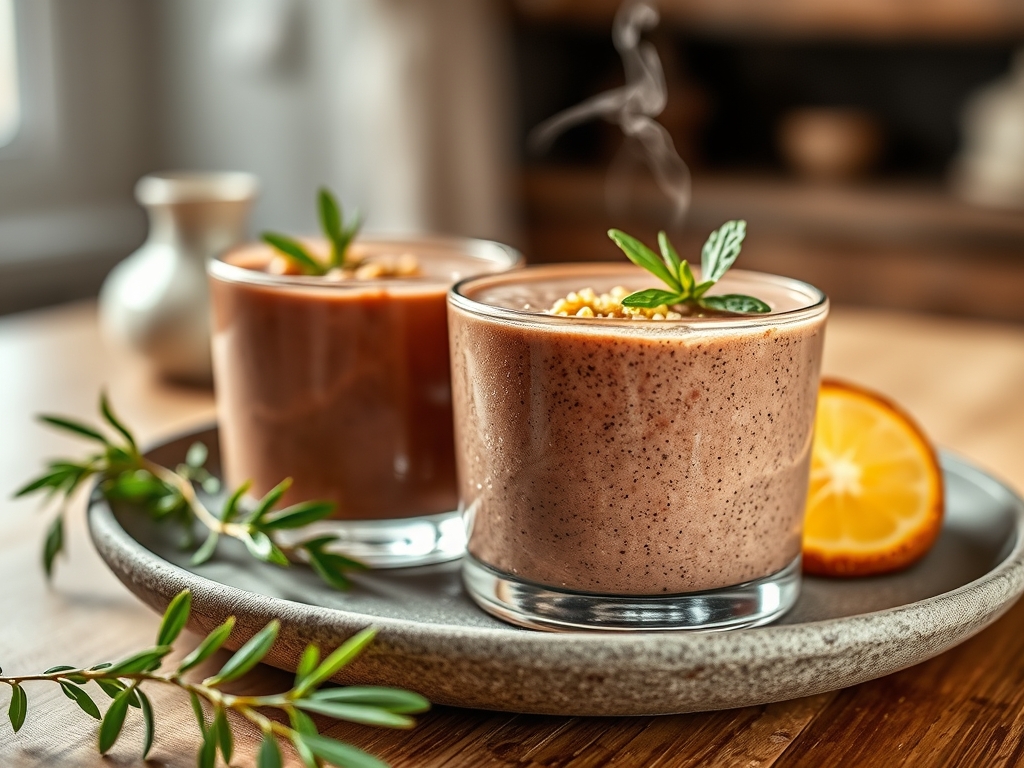
Look at the Masterclass photo above. Notice the deep, uniform purple hue and the slight "peak" where the smoothie was poured. This indicates a perfect viscous balance. If your smoothie looks dull or grey, you likely have over-oxidized your greens or used low-quality berries. To fix a "broken" look where water is seeping from the edges, add a quarter-teaspoon of xanthan gum and re-blend for ten seconds. If the color is translucent rather than opaque, increase your protein or fat content. A rich, opaque color is a visual cue that the nutrients are properly emulsified and ready for absorption.
THE DEEP DIVE
Macro Nutrition Profile
A standard serving of this protocol yields approximately 320 calories. You are looking at 30g of protein, 12g of healthy fats, and 25g of complex carbohydrates with 8g of fiber. This ratio is designed to trigger protein synthesis while providing a slow release of glucose into the bloodstream.
Dietary Swaps
For a Vegan profile, swap whey for a pea and rice blend to ensure a complete amino acid profile. For Keto, remove the fruit and replace it with 50g of frozen cauliflower and extra almond butter. For a Gluten-Free guarantee, ensure your protein powder is certified, as some fillers contain trace amounts of malt or barley.
Meal Prep & Reheating Science
You cannot "reheat" a smoothie without destroying its soul. However, you can freeze the blended mixture into silicone molds. To revive them, toss the frozen cubes back into the blender with a splash of hot water. The heat will slightly soften the cubes, allowing the blades to render them back into a creamy state without the need for fresh ice.
THE KITCHEN TABLE
Why is my smoothie always gritty?
Grittiness usually stems from poor powder hydration or cheap plant proteins. Ensure you add the liquid first and blend for at least 60 seconds to fully aerate and dissolve the solids into the liquid matrix.
Can I use fresh fruit instead of frozen?
You can, but the texture will be significantly thinner. Frozen fruit acts as a structural component and a coolant. If using fresh fruit, you must increase the ice volume to maintain the necessary viscous consistency.
How do I make it more filling?
Increase the fiber and healthy fats. Adding a tablespoon of ground flaxseed or half an avocado will slow down digestion. This ensures the amino acids are released gradually, keeping you satiated for hours.
Does blending destroy the nutrients?
No. While high-speed blades generate minor heat, it is not enough to denature the protein or destroy the vitamins in a one-minute cycle. In fact, blending breaks down plant cell walls, which can actually increase nutrient bioavailability.