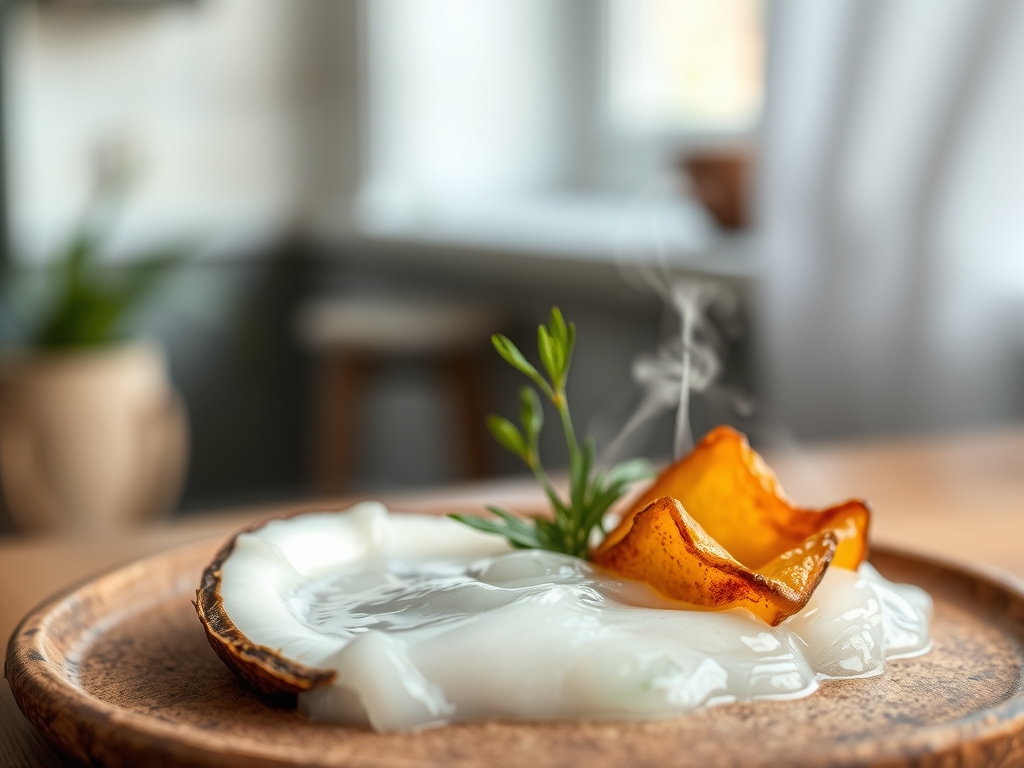
Imagine the sensory overload of a high-performance engine screaming at peak RPM; that is your body under physical duress. You are burning through glycogen, sweating out essential salts, and your cellular machinery is begging for a coolant. Enter Coconut Water Hydration. This is not just a tropical beverage; it is a bio-identical fluid designed for rapid systemic absorption. When you crack open a young green coconut, you are accessing a sterile, isotonic solution that mirrors the electrolyte balance of human plasma. The aroma is clean, slightly nutty, and faintly sweet, while the mouthfeel is light yet distinctly viscous due to its mineral density. We are moving beyond the sugary neon sports drinks of the past and into the realm of raw, botanical infrastructure. This article serves as your technical audit of the most efficient hydration delivery system on the planet. We will dissect the molecular composition, optimize the delivery temperature, and ensure your kitchen protocol is calibrated for maximum nutrient retention. Prepare for a total system override of your current hydration habits.
THE DATA MATRIX
| Metric | Specification |
|---|---|
| Prep Time | 5 Minutes |
| Execution Time | 2 Minutes |
| Yield | 500ml / 2 Servings |
| Complexity (1-10) | 2 |
| Estimated Cost per Serving | $2.50 |
THE GATHERS
Ingredient Protocol:
- 500ml / 2 cups Raw, Unpasteurized Coconut Water
- 2g / 0.5 tsp Pink Himalayan Salt
- 15ml / 1 tbsp Fresh Lime Juice
- 5ml / 1 tsp Raw Agave Nectar (Optional)
- 3g / 1 tsp Freshly Grated Ginger
Section A: Ingredient Quality Audit:
The primary failure point in Coconut Water Hydration is the use of "from concentrate" or highly pasteurized retail products. If your liquid smells like cooked sugar or has a brownish hue, the enzymes are dead and the potassium has been degraded by thermal stress. To fix this, always source "Harmless" style pink coconut water or fresh young Thai coconuts. If the flavor is too metallic, it indicates the coconut was harvested too late in its lifecycle; balance this by adding a pinch of citric acid to restore the piquant profile. If your ginger is woody and dry, it will not infuse properly. Use a microplane to create a fine paste, ensuring the volatile oils are fully released into the solution.
THE MASTERCLASS
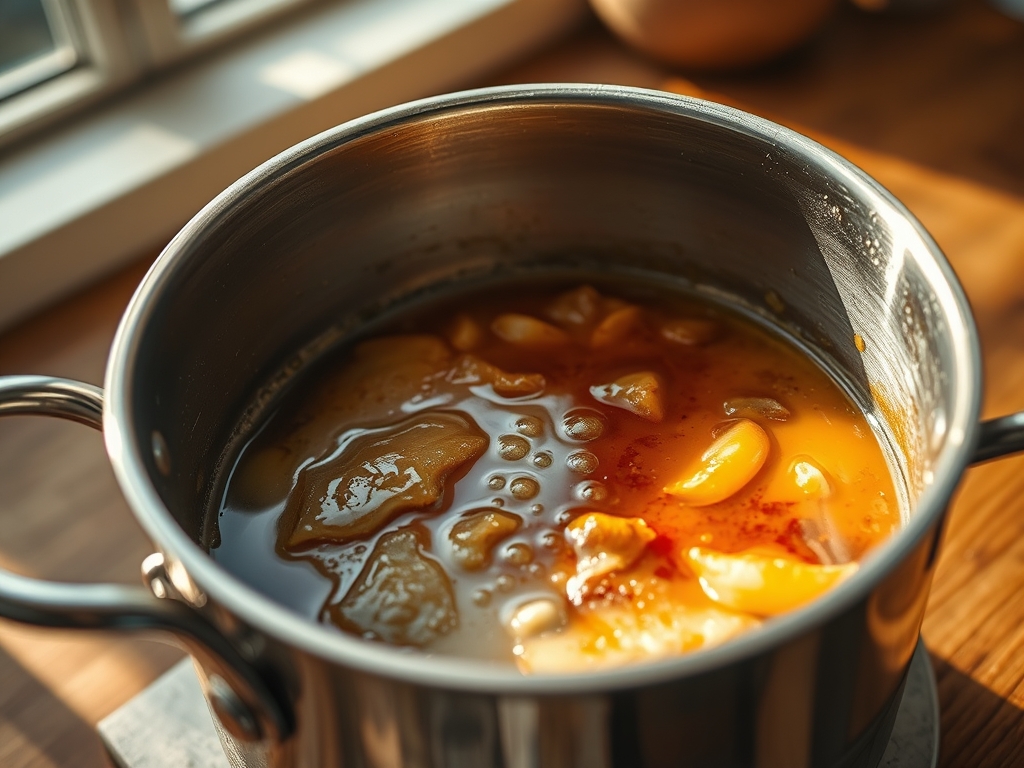
Step 1: Temperature Stabilization and Measurement
Place your saucier or a stainless steel mixing bowl on a digital scale and tare it to zero. Pour in the coconut water, ensuring it is at a chilled baseline of 4 degrees Celsius. Cold liquids hold dissolved gases and delicate flavors more effectively than room-temperature fluids.
Pro Tip: Using a digital scale rather than volume cups ensures precision in electrolyte ratios. The science of osmolarity depends on the exact concentration of solutes; even a 5 percent variance can slow down gastric emptying.
Step 2: Micronutrient Infusion
Add the grated ginger and lime juice to the liquid. Use a small whisk or an immersion blender to aerate the mixture for 15 seconds. This mechanical action breaks down the cellular walls of the ginger to infuse the liquid with gingerol, a potent anti-inflammatory compound.
Pro Tip: Aeration increases the surface area of the liquid, allowing the piquant notes of the lime to integrate with the fatty acids in the coconut water. This creates a more complex flavor profile that encourages higher consumption volumes.
Step 3: Mineral Integration
Sprinkle the Himalayan salt across the surface. Do not dump it in one spot. Use a bench scraper to gather any stray ginger pulp from your cutting board and fold it back into the mix. Stir gently until the salt crystals are completely dissolved and the liquid appears translucent.
Pro Tip: Sodium is the "gatekeeper" for glucose and water absorption in the small intestine. By adding trace minerals, you are facilitating the sodium-glucose co-transport system, which is the gold standard for rapid rehydration.
Section B: Prep & Timing Fault-Lines:
The most common human error is the "prep and forget" syndrome. Coconut water is highly susceptible to oxidation. If left on the counter for more than 20 minutes, the light-sensitive antioxidants begin to break down. Always keep the mixture in an opaque, insulated vessel. Another timing fault involves the temperature of the additives. Adding room-temperature lime juice to ice-cold coconut water can cause a temporary clouding of the liquid; always ensure your citrus is chilled to the same specification as your base to maintain a stable emulsion of flavors.
THE VISUAL SPECTRUM
Section C: Thermal & Visual Troubleshooting:
Look closely at the Masterclass photo above. Notice the crystalline clarity and the subtle suspension of ginger particles. If your result looks murky or grey, you have likely over-processed the ginger or used bottled lime juice containing preservatives. If the liquid shows signs of separation, it means the agave was not properly incorporated; use a high-speed whisk to render the syrup into a uniform state. A "perfect" audit result shows a pale, opalescent liquid with tiny bubbles on the surface from the aeration process. If the color is neon white, the coconut water likely contains added gums or thickeners; discard and source a cleaner raw material.
THE DEEP DIVE
Macro Nutrition Profile:
A standard 250ml serving provides approximately 45 calories, 0g fat, 10g carbohydrates (naturally occurring sugars), and 0g protein. However, the "real" data lies in the micronutrients: 600mg of potassium, 40mg of sodium, and 10 percent of your daily magnesium requirements. This ratio is specifically calibrated to prevent muscle cramping and maintain cognitive function during high-intensity output.
Dietary Swaps:
- Vegan: Naturally compliant.
- Keto: Omit the agave nectar; the 10g of natural sugars in the coconut water are low-glycemic but should be monitored against your daily macros.
- GF: Naturally compliant.
Meal Prep & Reheating Science:
Never reheat coconut water. High heat will render the delicate enzymes useless and create a "cooked" flavor that is highly unpalatable. For meal prep, store the mixture in airtight glass jars for no more than 48 hours. If you notice any "fizzing" upon opening, fermentation has begun; the molecular structure has shifted from a hydration aid to an acetic acid environment, and it should be discarded.
THE KITCHEN TABLE
Why does my coconut water turn pink?
This is a natural enzymatic reaction. When the polyphenols in young coconut water are exposed to light and oxygen, they turn pink. It is a sign of high antioxidant content and is perfectly safe to consume.
Can I use bottled lime juice?
Avoid it. Bottled juices contain sulfites and have lost their volatile aromatic oils. Fresh lime provides the necessary acidity to balance the potassium and enhances the refreshing quality of the Coconut Water Hydration.
Is it better than a sports drink?
Technically, yes. Most sports drinks use synthetic dyes and high-fructose corn syrup. Coconut water provides a natural, bioavailable source of electrolytes without the insulin spike associated with processed sugars.
When is the best time to drink this?
Consume 250ml approximately 30 minutes before exercise to prime your mineral levels; then sip the remainder during your recovery phase to facilitate rapid cellular repair and fluid replacement.