The kitchen is a laboratory of kinetic potential where most athletes fail before they even reach for their sneakers. You are likely fueling your engine with high-glycemic trash that burns out faster than a cheap spark plug; meanwhile, the elite are tapping into the slow-burn majesty of the casein matrix. We are talking about the structural integrity of your cellular output. Welcome to the audit of Cottage Cheese Energy. This is not the watery, bland curd of 1970s diet culture. This is a high-performance, high-viscosity fuel source engineered to drip-feed amino acids into your bloodstream for hours. When you whip this dairy powerhouse into a savory base or a protein-dense pancake, you are creating a biological battery. The texture is velvety; the flavor profile is subtly piquant; the result is an unshakable foundation of stamina. We are moving beyond simple calories. We are optimizing for sustained release. If your current breakfast leaves you crashing by 10:00 AM, your internal infrastructure is failing. It is time to upgrade to a superior molecular grade.
THE DATA MATRIX
| Metric | Specification |
|---|---|
| Prep Time | 10 Minutes |
| Execution Time | 15 Minutes |
| Yield | 2 Servings |
| Complexity (1-10) | 3 |
| Estimated Cost per Serving | $2.45 |
THE GATHERS
Ingredient Protocol:
- 500g / 2 cups Small Curd Cottage Cheese (4% Milkfat Minimum)
- 120g / 1 cup Rolled Oats (Pulse to a fine flour)
- 3 Large Eggs (Room temperature for better emulsification)
- 5ml / 1 tsp Pure Vanilla Extract
- 2g / 0.5 tsp Sea Salt
- 15ml / 1 tbsp Avocado Oil (High smoke point for the sear)
- 60ml / 0.25 cup Greek Yogurt (For the "acid-hit" finish)
Section A: Ingredient Quality Audit:
If your cottage cheese exhibits excessive syneresis (the weeping of liquid whey), your final structure will be compromised and soggy. To fix this, strain the curds through a fine-mesh sieve for five minutes before beginning. If your oats are too coarse, the texture will be gritty rather than cake-like; use a high-speed blender to achieve a powdery consistency. For those dealing with "flat" flavor profiles, the culprit is usually a lack of salt. Salt is the electrical conductor of flavor; do not skip the 2g measurement. Finally, if your eggs are cold, they will cause the fats in the dairy to seize. Place cold eggs in a bowl of warm water for three minutes to reach the ideal thermal equilibrium for a smooth batter.
THE MASTERCLASS
1. The Aeration Phase
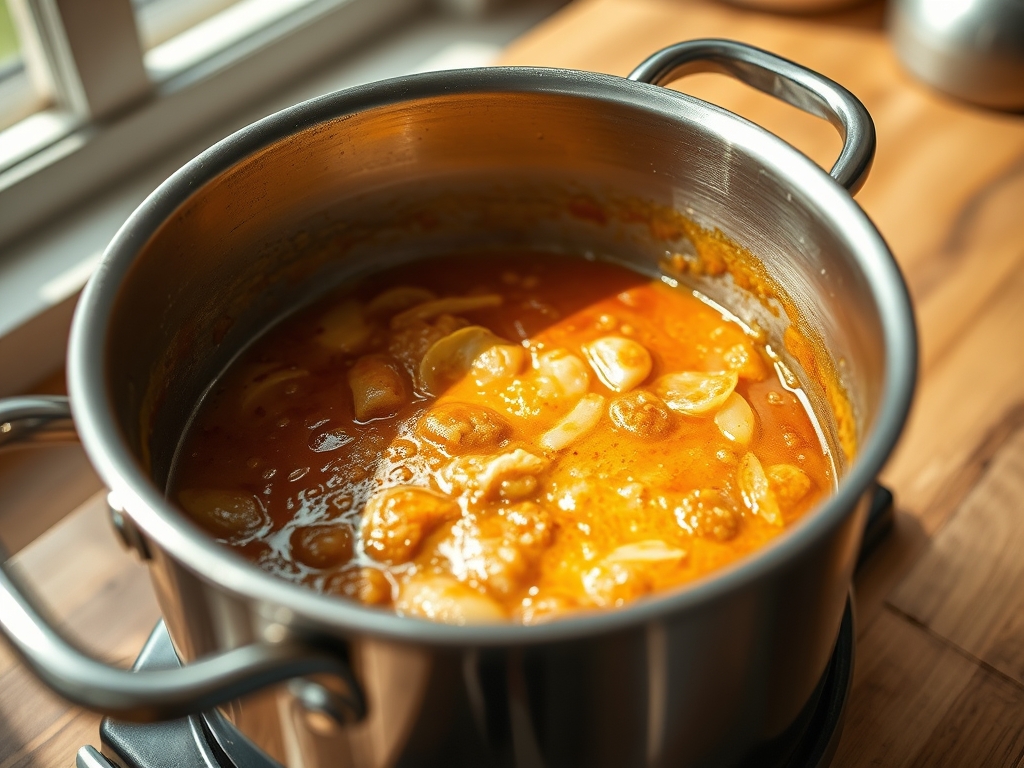
Place the cottage cheese, eggs, and vanilla into a high-speed blender or use a heavy-duty immersion blender. Process on high for 45 seconds until the curds are completely obliterated and the mixture is viscous and frothy.
Pro Tip: Incorporating air at this stage creates micro-bubbles that expand during heating. Use a digital scale to ensure your ratios are exact; volume measurements for cottage cheese are notoriously inaccurate due to air pockets between curds.
2. The Dry Integration
Slowly fold your processed oat flour and sea salt into the wet mixture using a silicone spatula. Do not over-mix. You want to hydrate the starch without developing too much structural density.
Pro Tip: Allow the batter to rest for five minutes. This allows the oats to infuse with the liquid, ensuring the final product isn't dry. Use a bench scraper to keep your workstation clean as you transition to the cooking phase.
3. Thermal Application
Heat a heavy-bottomed saucier or non-stick griddle over medium heat. Add the avocado oil and wait for the shimmer. Drop 60ml portions of batter onto the surface, leaving ample space between each.
Pro Tip: The Maillard reaction is your goal here. If the pan is too cold, the batter will stick and tear. If it is too hot, the exterior will char before the casein proteins in the center have time to set.
4. The Flip and Set
Wait for bubbles to form on the surface and the edges to look matte. Use a thin offset spatula to flip the cakes. Cook for another two minutes until the center feels firm to a light touch.
Pro Tip: Use an infrared thermometer to ensure your pan stays between 350F and 375F. Consistent heat is the difference between a golden masterpiece and a burnt offering.
Section B: Prep & Timing Fault-Lines:
The most common failure in Cottage Cheese Energy execution is the "Cold Center Syndrome." This happens when the pan temperature is too high, causing the exterior to brown while the interior remains a raw, liquid mess. Lower the heat and extend the duration. Another fault-line is the "Rubber Effect," caused by over-blending the batter after the flour has been added. Once the oats hit the moisture, the clock is ticking. Mix until just combined and stop. If you find your cakes are falling apart, your "Yield" might be too large; smaller 60ml cakes are easier to manage and flip than oversized ones.
THE VISUAL SPECTRUM
Section C: Thermal & Visual Troubleshooting:
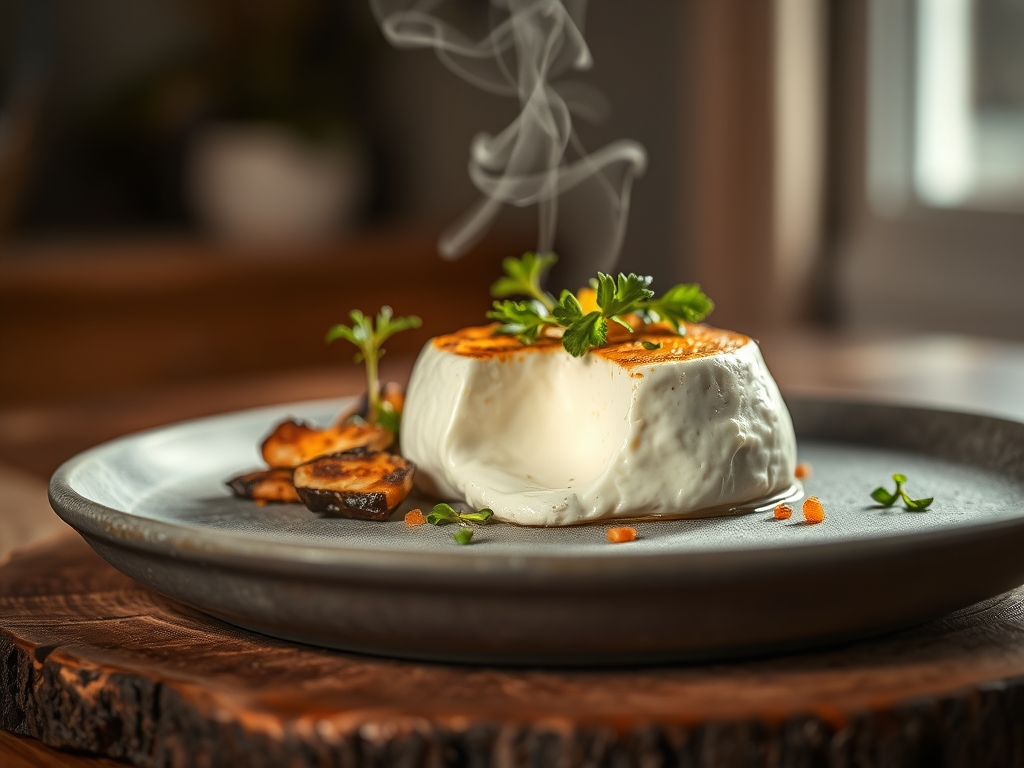
Referencing the Masterclass photo, you are looking for a specific "Golden-Amber" hue. If your cakes look pale and "pasty," you have failed to trigger the Maillard reaction; increase your heat slightly or add a gram of sugar to aid caramelization. If the edges are jagged and broken, your batter was too thin; add 10g more oat flour to stabilize the matrix. The photo shows a uniform rise and a soft, pillowy interior. If your cakes are flat, check your leavening or ensure you didn't deflate the aerate bubbles during the folding process. Dull color usually indicates old spices or a lack of fat in the pan; ensure you use enough avocado oil to render a crisp exterior.
THE DEEP DIVE
Macro Nutrition Profile
Each serving provides approximately 32g of protein, 28g of complex carbohydrates, and 12g of healthy fats. The standout feature is the 80/20 casein-to-whey ratio found in the dairy. Casein forms a gel in the stomach, slowing down gastric emptying and providing a steady stream of nitrogen to your muscles. This prevents the "catabolic cliff" often associated with fasted training.
Dietary Swaps
- Vegan: Replace cottage cheese with silken tofu and a tablespoon of nutritional yeast for that piquant kick. Use a "flax egg" (ground flax and water) as a binder.
- Keto: Swap the oat flour for almond flour or coconut flour. Note that coconut flour is highly absorbent; you will need to increase the egg count to maintain moisture.
- GF: Ensure your oats are certified gluten-free to avoid cross-contamination.
Meal Prep & Reheating Science
To maintain the molecular structure, do not microwave these on high power. Microwaves vibrate water molecules violently, which can turn the casein "rubbery." Instead, reheat in a toaster oven at 300F for five minutes. This preserves the crisp exterior while gently warming the protein-dense core.
THE KITCHEN TABLE
Why is my batter so thin?
Your cottage cheese likely had a high moisture content. Next time, strain the curds through cheesecloth or add an extra tablespoon of oat flour to absorb the excess liquid and restore the viscous consistency.
Can I use fat-free cottage cheese?
You can, but you shouldn't. Fat is essential for flavor transport and satiety. Fat-free versions often contain thickeners and gums that react poorly to high heat, resulting in a gummy, unpleasant texture.
How long does this "energy" actually last?
Due to the slow-digesting nature of casein, most users report sustained satiety and focus for 4 to 6 hours. This makes it an ideal "infrastructure" meal for long-duration endurance tasks or high-intensity cognitive work.
Can I make the batter the night before?
Negative. The oats will over-hydrate and turn into a dense sludge. For peak performance, blend the wet ingredients the night before, but wait to integrate the dry oats until immediately before you hit the pan.