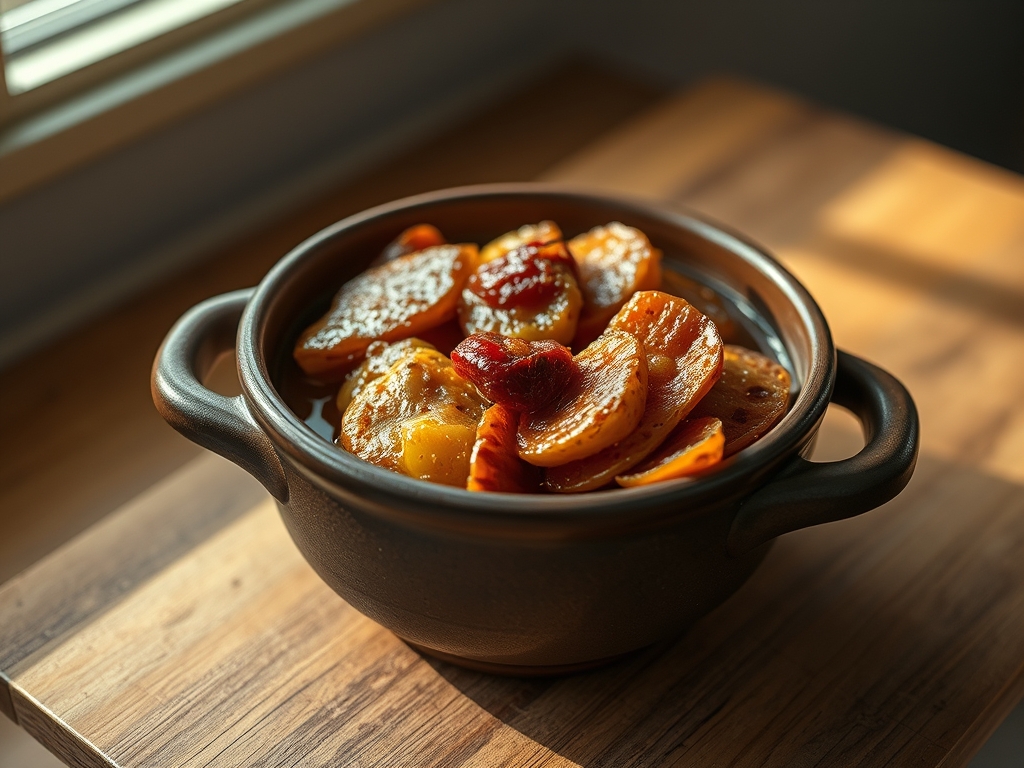
Stop thinking about soup as a comfort food; start thinking about it as a high-performance fuel cell designed for maximum metabolic efficiency. We are not just boiling legumes in a pot. We are engineering a Lentil Energy Soup that functions as a thermal battery for the human body. Imagine the kitchen as a laboratory where the primary objective is the extraction of every possible micro-nutrient and flavor molecule. The air should be thick with the scent of caramelized mirepoix and the sharp, piquant notes of toasted cumin. When the first spoon hits your palate, it should feel like a lightning strike of savory depth followed by a slow-release wave of sustained energy. This is the infrastructure of high-output cooking. We are optimizing fiber, protein, and complex carbohydrates into a single, viscous liquid asset. If your current meal prep feels like a chore, you are doing it wrong. We are here to audit your process, streamline your workflow, and produce a bowl of Lentil Energy Soup that defies the laws of bland vegetarianism.
THE DATA MATRIX
| Metric | Specification |
|---|---|
| Prep Time | 20 Minutes |
| Execution Time | 45 Minutes |
| Yield | 6 Servings (approx. 2.5L) |
| Complexity (1-10) | 4 |
| Estimated Cost per Serving | $1.15 USD |
THE GATHERS
Ingredient Protocol:
- 450g / 2 cups French Green (Puy) or Black Beluga Lentils (Rinsed)
- 30ml / 2 tbsp Extra Virgin Olive Oil
- 200g / 1.5 cups Yellow Onion (Small dice)
- 150g / 1 cup Carrots (Small dice)
- 120g / 1 cup Celery (Small dice)
- 4 cloves Garlic (Minced)
- 1.4L / 6 cups Vegetable or Bone Broth
- 15ml / 1 tbsp Tomato Paste
- 5g / 1 tsp Ground Cumin
- 2g / 0.5 tsp Smoked Paprika
- 30ml / 2 tbsp Lemon Juice (Freshly squeezed)
- 10g / 1 bunch Fresh Parsley (Roughly chopped)
Section A: Ingredient Quality Audit:
If your lentils are dusty or look like they survived a drought in the 1990s, they will never soften properly regardless of boil time. This is due to hard-shell lignification. To fix this, soak aged lentils in a 2% salt brine for one hour before cooking to soften the skins. If your spices lack an olfactory punch, they have oxidized. Do not throw them away; instead, "bloom" them in hot fat for 60 seconds to reactivate the volatile oils. Finally, if using store-bought broth that tastes like salt-water, fortify it with a parmesan rind or a dash of soy sauce to increase the umami profile without adding excessive sodium.
THE MASTERCLASS
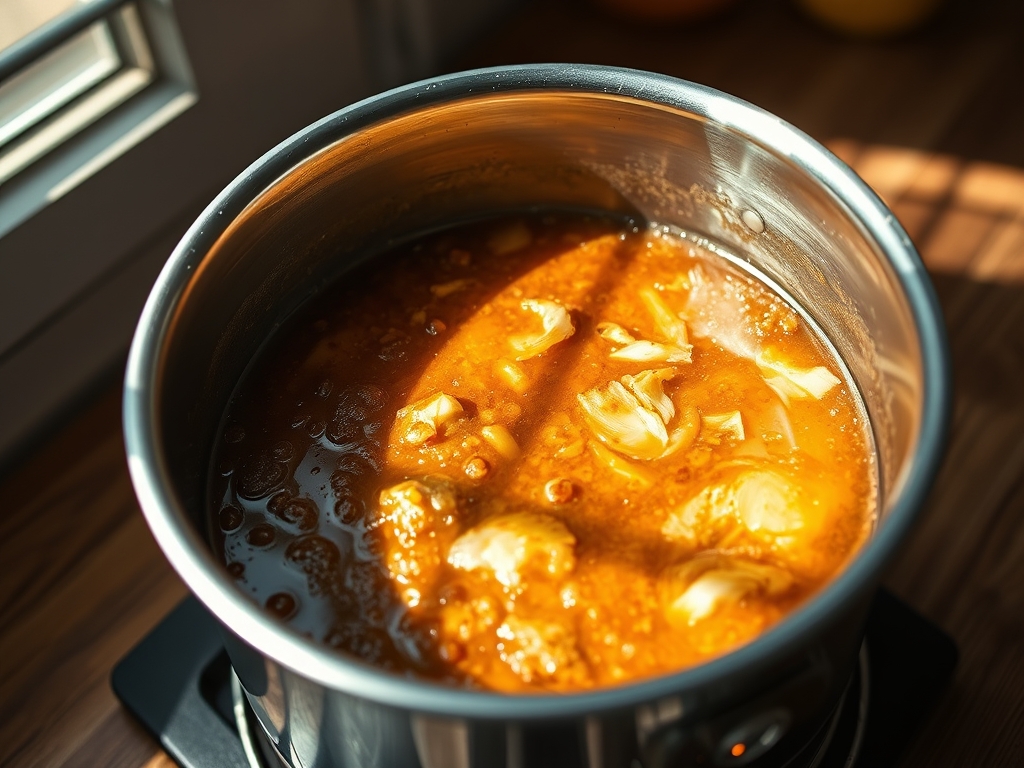
Step 1: The Aromatics Foundation
Heat your olive oil in a heavy-bottomed saucier or Dutch oven over medium heat. Add the onions, carrots, and celery. Sauté until the onions are translucent and the carrots begin to render their natural sugars. Use a bench scraper to move your chopped vegetables from the cutting board to the pot to ensure zero product loss.
Pro Tip: This stage is about building the "Soffritto." The goal is to drive off moisture so the sugars can begin the Maillard reaction, providing the foundational sweetness that balances the earthy lentils.
Step 2: Spice Activation and Deglazing
Add the garlic, cumin, smoked paprika, and tomato paste. Stir constantly for 90 seconds. The tomato paste should darken to a rusty brick color. Once the spices are fragrant, add a splash of broth to deglaze the bottom of the pot, scraping up all the browned bits (the fond) with a wooden spoon.
Pro Tip: Use a digital scale to measure your spices if you want absolute consistency across batches. Blooming spices in fat rather than water-based liquid ensures the fat-soluble flavor compounds are evenly distributed throughout the soup.
Step 3: The Hydration Phase
Add the rinsed lentils and the remaining broth. Increase the heat to high until a boil is achieved, then immediately drop to a low simmer. Cover the pot partially to allow for slight evaporation, which concentrates the flavor.
Pro Tip: Maintaining a "lazy bubble" simmer prevents the lentils from violently colliding and breaking apart. This preserves the structural integrity of the legume while ensuring the interior reaches a creamy consistency.
Step 4: Textural Optimization
Once the lentils are tender (approx. 25 to 30 minutes), use an immersion blender to pulse the soup 3 or 4 times. You do not want a puree; you want to aerate a small portion of the lentils to create a naturally creamy, viscous body without adding dairy.
Pro Tip: If you do not own an immersion blender, a standard whisk can be used vigorously for 30 seconds to crush a few lentils against the side of the pot, achieving a similar thickening effect.
Step 5: The Acidic Brightening
Turn off the heat. Stir in the fresh lemon juice and chopped parsley. Taste for seasoning and add salt or black pepper as required. The acid from the lemon will "cut" through the density of the starch and make the flavors pop.
Pro Tip: Never boil the soup after adding lemon juice or fresh herbs. High heat will dull the vibrant green of the parsley and cause the lemon juice to lose its bright, citrusy top notes.
Section B: Prep & Timing Fault-Lines:
The most common failure in Lentil Energy Soup production is the "Crunch Factor." If you add acidic ingredients like lemon or tomatoes too early, the lentils will never soften because acid strengthens the pectin in the cell walls. Always wait until the lentils are fully cooked before introducing acid. Additionally, if your liquid is evaporating too fast, your heat is too high. Use a digital probe thermometer to ensure your simmer stays between 85C and 92C.
THE VISUAL SPECTRUM
Section C: Thermal & Visual Troubleshooting:
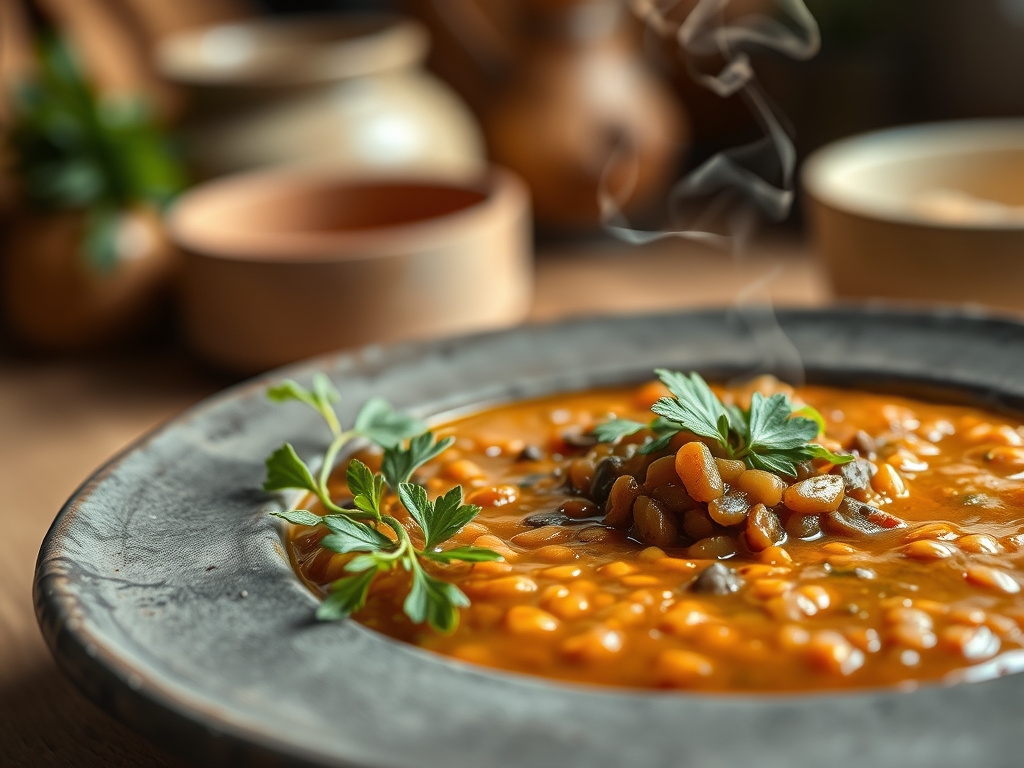
Look at the Masterclass photo. Notice the deep, golden-brown hue of the broth and the distinct, individual shapes of the lentils. If your soup looks like a grey sludge, you likely skipped the "blooming" of the paprika and tomato paste. If the color is dull, a pinch of turmeric can provide a golden "glow" without altering the flavor profile. If the soup looks "broken" or oily on top, it means the fat hasn't emulsified. Give it a vigorous stir or a quick pulse with the blender to pull the fats back into the suspension. The final product should have a matte finish with flecks of bright green parsley for visual contrast.
THE DEEP DIVE
Macro Nutrition Profile:
Each serving provides approximately 320 calories, 18g of protein, 12g of fiber, and less than 5g of fat. The high fiber content ensures a low glycemic index, preventing the "insulin spike and crash" associated with simple carbohydrate meals. This is why we call it an "Energy Soup"; it provides a steady stream of glucose to the brain and muscles.
Dietary Swaps:
- Vegan: This recipe is naturally vegan if using vegetable broth.
- Keto: Replace 75% of the lentils with riced cauliflower and increase the healthy fats (avocado oil or MCT oil). Note that lentils are generally too high in carbs for strict keto.
- Gluten-Free: Naturally GF. Ensure your broth is certified gluten-free.
Meal Prep & Reheating Science:
Lentils are starch-heavy, meaning they will continue to absorb liquid as they sit in the refrigerator. When reheating, the molecular structure thickens into a gel-like state. To restore the original viscosity, add 30ml of water or broth per serving before microwaving or reheating on the stovetop. This prevents the "pudding" effect and ensures the heat distributes evenly.
THE KITCHEN TABLE
Why are my lentils still hard after an hour?
You likely added salt or acid too early, or your water is "hard" (high mineral content). Use filtered water and save the salt and lemon for the final 10 minutes of the cooking process.
Can I use red lentils instead?
Red lentils lack the structural hull of green lentils. They will disintegrate into a thick porridge. While delicious, the texture will be entirely different from the robust, individual grains seen in our Masterclass photo.
How long does this stay fresh?
The infrastructure of this soup holds up for 5 to 7 days in the refrigerator. In fact, the flavor often improves on day two as the aromatic compounds have more time to infuse into the liquid.
Is this soup freezer-friendly?
Absolutely. It is a "freeze-and-forget" asset. Store in airtight containers with 2cm of headspace for expansion. It will maintain its nutritional and structural integrity for up to three months.