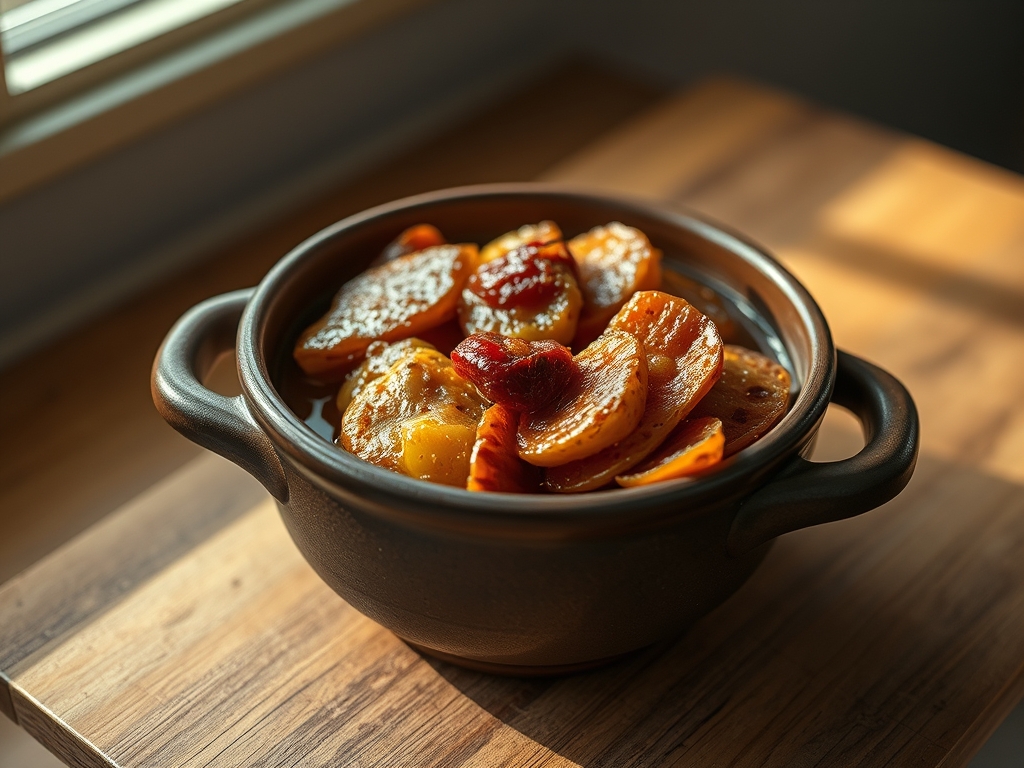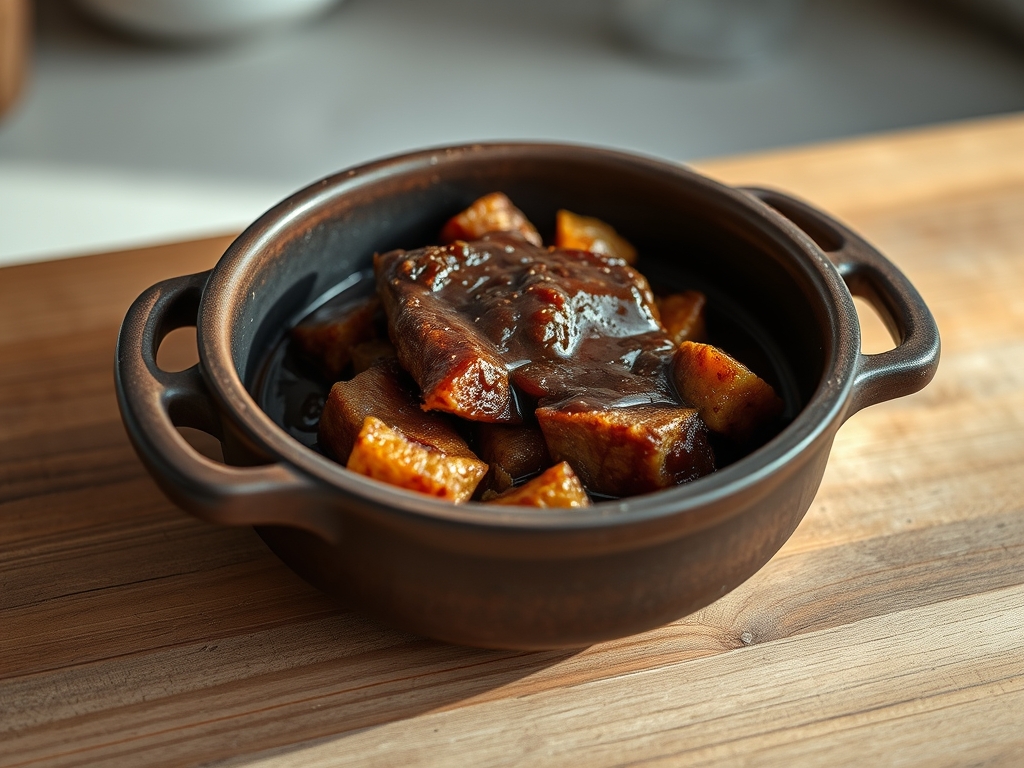
The scent of rehydrating lycium barbarum hits the nostrils like a high-voltage surge of beta-carotene and tart complexity. This is not your average breakfast slurry; this is a calculated architectural deployment of the Goji Berry Boost. We are moving beyond the realm of simple nutrition into the stratosphere of kinetic energy management. Imagine a texture that is simultaneously viscous and light; a matrix of complex carbohydrates designed to fuel a high-performance lifestyle without the dreaded insulin spike. The berries themselves act as tiny ruby grenades of flavor, bursting with a piquant acidity that cuts through the creamy density of the base. We are auditing the very essence of the superfood movement, stripping away the marketing fluff to reveal the raw, molecular power of polysaccharides. If your current morning routine feels like a sluggish crawl through a swamp of simple sugars, it is time to recalibrate. We are about to engineer a fuel source that respects your glycemic index while demanding absolute attention from your palate. Strap in for a technical breakdown of the ultimate energy catalyst.
THE DATA MATRIX
| Metric | Specification |
|---|---|
| Prep Time | 10 Minutes |
| Execution Time | 15 Minutes |
| Yield | 2 Servings |
| Complexity (1-10) | 4 |
| Estimated Cost per Serving | $4.25 USD |
THE GATHERS
Ingredient Protocol:
- 120g / 1 cup Steel Cut Oats (Pre-soaked for 4 hours)
- 60g / 0.5 cup Dried Goji Berries (Premium Grade)
- 500ml / 2 cups Alkaline Water or Nut Milk
- 15ml / 1 tbsp Raw Manuka Honey
- 2g / 0.5 tsp Himalayan Sea Salt
- 5g / 1 tsp Toasted Black Sesame Seeds
- 2ml / 0.5 tsp Pure Vanilla Extract (Cold-pressed)
Section A: Ingredient Quality Audit:
Sub-par raw materials will compromise the structural integrity of your Goji Berry Boost. If your goji berries are brittle and brown rather than pliable and vibrant red, they have oxidized. To fix this, infuse them in warm water (40 degrees Celsius) for five minutes before integration to restore their cellular turgor. If your oats lack that nutty, toasted aroma, they may be stale. A quick dry-toast in a heavy-bottomed pan for three minutes will render the remaining oils and salvage the flavor profile. Never use tap water with high chlorine content; the chemical interference will dull the delicate antioxidants in the berries. Use filtered or alkaline water to ensure the viscous nature of the polysaccharides remains untainted.
THE MASTERCLASS
Step-by-Step Execution:
1. Thermal Activation of the Base
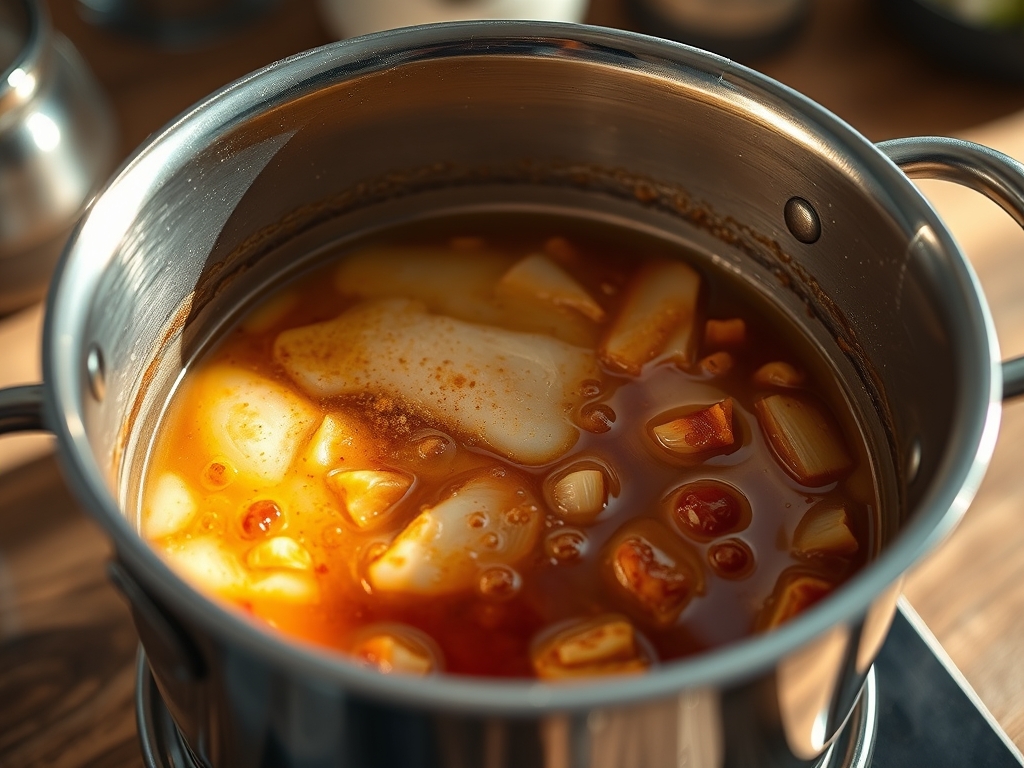
Place your pre-soaked oats and liquid into a high-quality stainless steel saucier. Bring the mixture to a gentle simmer over medium-high heat. Use a digital scale to ensure your ratios are precise to the gram; precision is the difference between a sludge and a masterpiece.
Pro Tip: The science of the soak reduces phytic acid, allowing for better nutrient absorption. Using a saucier with rounded edges prevents the oats from catching in the corners, ensuring a uniform thermal distribution.
2. The Berry Infusion Phase
As the oats begin to aerate and thicken, fold in 45g of the goji berries. Reserve the remaining 15g for the final aesthetic assembly. The heat will cause the berries to swell as they absorb the liquid, bleeding their crimson pigments into the oat matrix.
Pro Tip: Adding the berries mid-cook allows the heat to break down the tough outer skins, releasing the concentrated polysaccharides into the liquid. This creates a natural sweetener effect without adding refined sugars.
3. Emulsification and Seasoning
Once the mixture reaches a thick, porridge-like consistency, whisk in the salt, vanilla, and honey. Use a silicone spatula to scrape the sides of the pan, ensuring every molecule of flavor is incorporated. The salt is not just for taste; it acts as a chemical catalyst to sharpen the berry acidity.
Pro Tip: Salt suppresses the perception of bitterness in the oats while enhancing the natural sweetness of the Goji Berry Boost. A silicone spatula is essential here to maintain the delicate structure of the softened grains.
4. Final Texture Calibration
Remove from heat and let the mixture rest for two minutes. This allows the starches to set, creating a more cohesive mouthfeel. Transfer to a bowl and top with the reserved berries and black sesame seeds.
Pro Tip: Resting the dish allows the steam to redistribute. If the mixture looks too dry, use a bench scraper to clean your prep area while adding a splash of cold nut milk to the bowl to create a temperature contrast.
Section B: Prep & Timing Fault-Lines:
Timing is the silent killer of the Goji Berry Boost. If you boil the mixture too aggressively, you will scorch the bottom, introducing a bitter carbon note that ruins the piquant berry profile. Use a digital thermometer to ensure you stay below 95 degrees Celsius. If you forget to soak your oats, increase the liquid ratio by 20 percent and extend the simmer time by 10 minutes, but be warned; the texture will be less distinct and more mucilaginous.
THE VISUAL SPECTRUM
Section C: Thermal & Visual Troubleshooting:
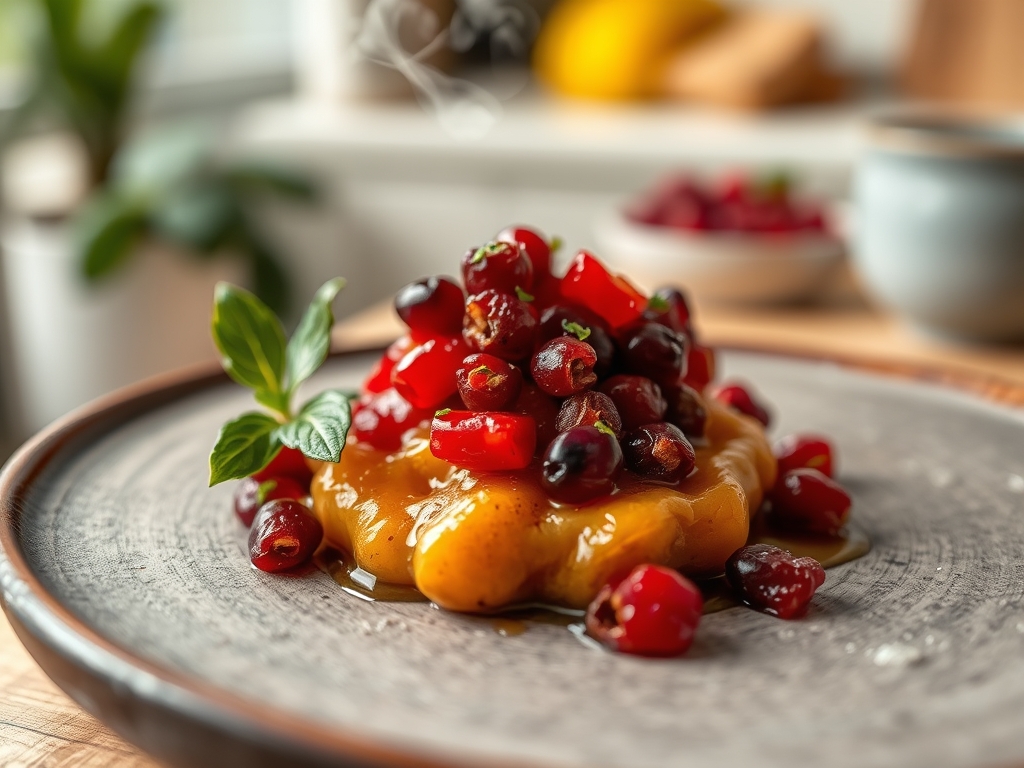
Referencing the Masterclass photo above, your final product should exhibit a deep, creamy beige base with vibrant, plump red highlights. If your dish looks grey or dull, you likely overcooked the berries or used low-quality water. To fix a dull color, add a squeeze of fresh lemon juice at the end; the acidity will brighten the anthocyanins in the berries. If the texture looks "broken" or watery, you did not allow enough time for the starches to render and thicken. Continue to cook on low heat while stirring constantly to encourage emulsification. The black sesame seeds should sit on top of the surface without sinking; if they sink, your viscosity is too low.
THE DEEP DIVE
Macro Nutrition Profile:
A single serving of this Goji Berry Boost delivers approximately 350 calories, 12g of protein, 8g of fiber, and 15g of healthy fats. The high fiber content ensures a slow release of glucose into the bloodstream, providing sustained kinetic energy for four to six hours.
Dietary Swaps:
- Vegan: Use maple syrup or agave instead of Manuka honey.
- Keto: Replace oats with a blend of hemp hearts and chia seeds; reduce berry count to 20g to minimize net carbs.
- GF: Ensure oats are certified gluten-free to avoid cross-contamination during the milling process.
Meal Prep & Reheating Science:
To maintain the molecular structure during reheating, add 30ml of liquid per serving before microwaving or stovetop heating. This prevents the starches from retrograding into a rubbery mass. Store in airtight glass containers to prevent the absorption of refrigerator odors, which can ruin the delicate vanilla and berry notes.
THE KITCHEN TABLE
How do I store leftover Goji Berry Boost?
Store in a sealed glass container for up to three days. When ready to consume, add a splash of almond milk and stir vigorously while heating to restore the original viscous texture and prevent grain clumping.
Can I use fresh goji berries?
Absolutely. Fresh berries provide a more floral, less concentrated flavor. Reduce the liquid in your recipe by 10 percent, as fresh berries have a higher water content than their dried counterparts.
Why are my steel-cut oats still crunchy?
You likely skipped the soaking phase or rushed the simmer. Steel-cut oats require significant hydration time to soften the outer bran. Ensure a full 15-minute simmer if you did not pre-soak for four hours.
Is the Manuka honey necessary?
While not mandatory for the structure, Manuka honey provides unique enzymatic properties that complement the antioxidants in the berries. You can substitute with any high-quality floral honey or omit it entirely for a more savory profile.
What if I cannot find black sesame seeds?
White sesame seeds or even hemp hearts work as a functional substitute. The goal is to provide a textural contrast and a hit of healthy fats to balance the carbohydrate-heavy oat base.