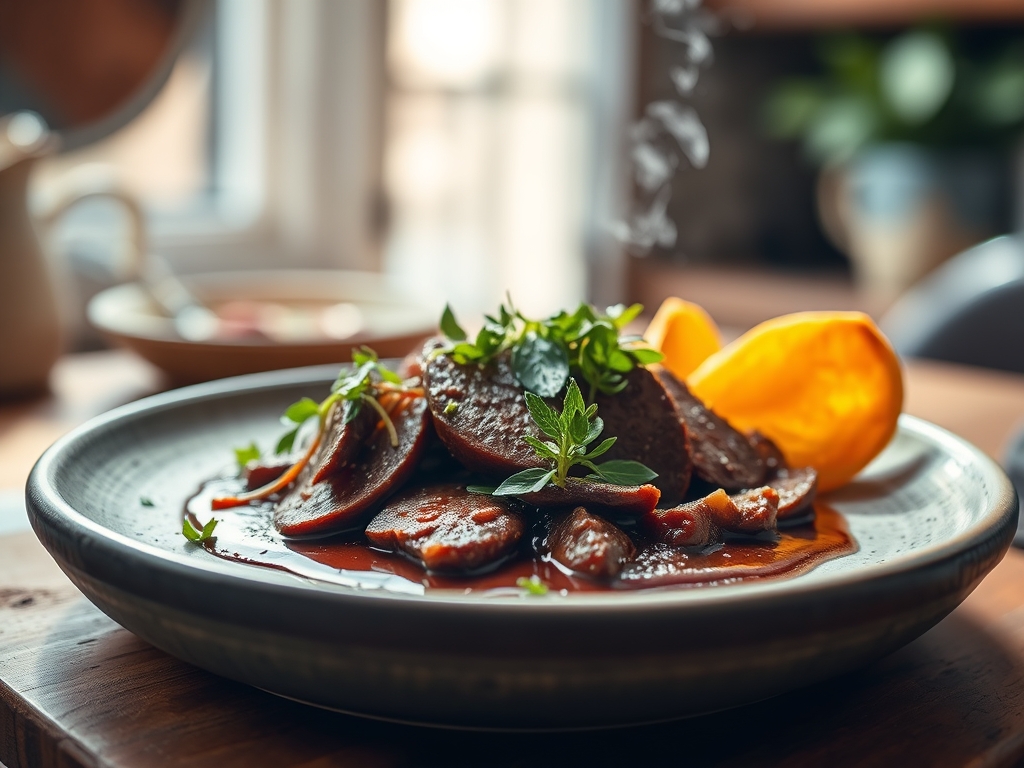
Forget the backyard barbecue amateur hour; we are entering the realm of molecular fortification and atmospheric engineering. When you commit to the Smoked Meat Protocol, you are not just cooking; you are conducting a high stakes audit of protein fibers and phenolic compounds. Imagine the scent of hickory and oak colliding with the primal, iron rich aroma of a prime brisket or a side of salmon. This is where the physics of smoke deposition meets the chemistry of the Maillard reaction. We are looking for that perfect pellicle; a tacky, proteinaceous film that acts as a biological landing strip for smoke particles. If your surface moisture is too high, you get a gray, steamed mess. If it is too low, the smoke bounces off like a bad check. We demand a deep, mahogany bark that crackles under a knife while the interior remains a succulent, rendered masterpiece. This protocol ensures your kitchen operates with the precision of a laboratory and the soul of a smokehouse. Let us begin the audit.
THE DATA MATRIX
| Metric | Specification |
|---|---|
| Prep Time | 24 Hours (Curing/Brining) |
| Execution Time | 12 to 14 Hours |
| Yield | 10 to 12 Servings |
| Complexity (1-10) | 9 |
| Estimated Cost per Serving | $8.50 / 7.80 Euro |
THE GATHERS
Ingredient Protocol:
- 5 kg / 11 lbs Prime Beef Brisket (Whole Packer)
- 120g / 1 cup Coarse Kosher Salt
- 80g / 0.75 cup Coarse Black Pepper (16-mesh)
- 30g / 4 tbsp Granulated Garlic
- 500ml / 2 cups Organic Apple Cider Vinegar (for spritzing)
- 250ml / 1 cup Beef Bone Broth
- 100g / 0.5 cup Unsalted Grass-fed Butter (for the wrap)
Section A: Ingredient Quality Audit:
If your protein lacks intramuscular fat (marbling), the long thermal exposure will result in a desiccated, fibrous failure. Audit your source: look for USDA Prime or Wagyu BMS 5+ ratings. If you are stuck with a leaner Select grade, you must compensate by injecting a viscous tallow or bone broth solution into the deep tissue using a stainless steel meat injector. If your spices are dusty and muted, they have oxidized. Toast your peppercorns in a dry saucier before grinding to reawaken the essential oils. This ensures a piquant punch that survives the 12 hour oxidation process.
THE MASTERCLASS
1. The Aerodynamic Trim
Use a stiff boning knife or a sharp bench scraper to remove the hard, waxy kernel of fat. Aim for a uniform thickness of 6mm across the fat cap.
Pro Tip: Uniformity is the soul of thermal consistency. A jagged surface creates air turbulence, leading to uneven smoke deposition and localized drying.
2. The Pellicle Formation
Apply the salt and pepper rub generously using a digital scale to ensure a 2 percent salinity by weight. Refrigerate uncovered on a wire rack for at least 12 hours.
Pro Tip: This "dry brine" allows salt to denature surface proteins, creating a tacky texture. This is the viscous foundation required for smoke molecules to adhere effectively.
3. Thermal Equilibrium and Ignition
Preheat your offset smoker to 107 degrees Celsius (225 degrees Fahrenheit) using seasoned post oak. Ensure the blue smoke is almost invisible to the eye.
Pro Tip: Thick white smoke contains creosote, which imparts a bitter, medicinal flavor. You want "blue smoke," which indicates complete combustion and clean phenolic deposition.
4. The Spritz and Render
Every 90 minutes, use a spray bottle to infuse the surface with apple cider vinegar. This lowers the surface temperature and keeps the bark pliable.
Pro Tip: Evaporative cooling (the stall) occurs around 70 degrees Celsius. Spritzing extends this window, allowing more time for collagen to render into gelatin.
5. The Crutch and Finish
Once the internal temperature hits 74 degrees Celsius, wrap the protein in pink butcher paper with a few knobs of butter. Return to the heat until it reaches 95 degrees Celsius.
Pro Tip: Butcher paper is superior to foil because it allows the meat to "breathe," preventing the bark from becoming soggy while still accelerating the cook.
Section B: Prep & Timing Fault-Lines:
The most common failure is the "rushed rest." If you slice the meat immediately after removal from the heat, the internal pressure will purge all the moisture. You must allow the internal temperature to drop to 60 degrees Celsius in an insulated carrier. This allows the muscle fibers to relax and reabsorb the viscous rendered fats. Use a high precision thermal probe to monitor this descent; do not guess.
THE VISUAL SPECTRUM
Section C: Thermal & Visual Troubleshooting:
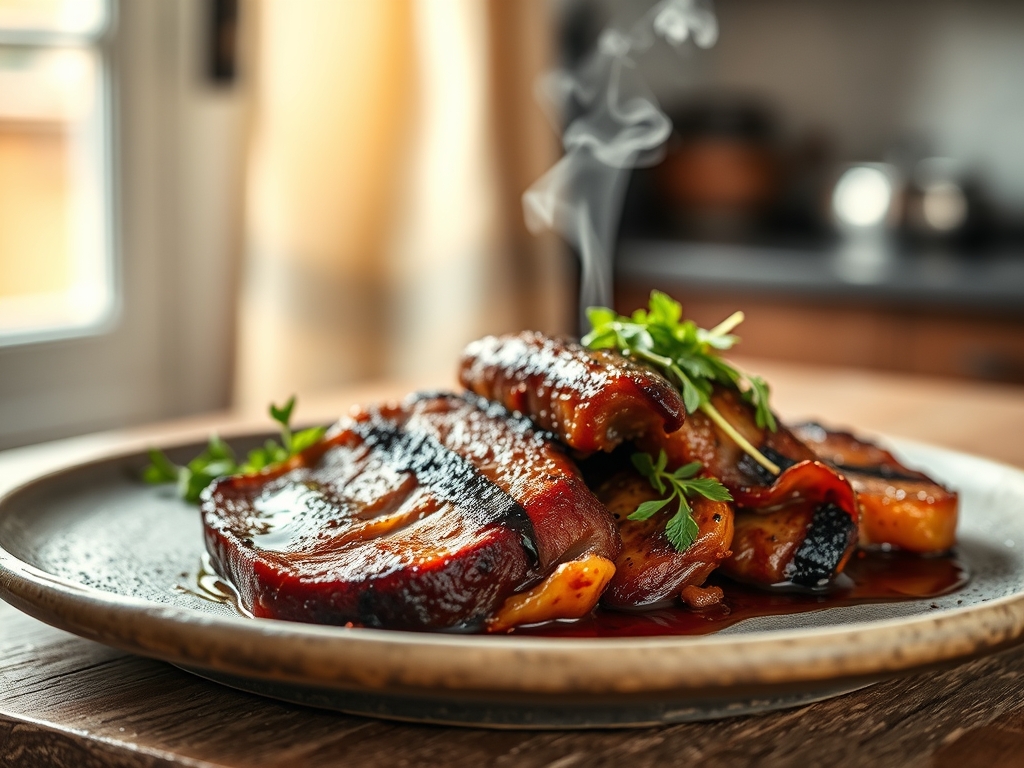
Observe the Masterclass photo above. Note the "smoke ring," that pinkish hue just beneath the bark. This is not a sign of rawness but a chemical reaction between nitrogen dioxide and myoglobin. If your meat is gray all the way through, you lack sufficient airflow or wood quality. If the bark is black and bitter rather than mahogany, your fire was "dirty" or your sugar content in the rub was too high, leading to carbonization. A perfect result should have a "jiggle" when poked, indicating that the internal connective tissue has completely liquefied.
THE DEEP DIVE
Macro Nutrition Profile:
A standard 150g serving provides approximately 35g of Protein, 22g of Fat, and 0g of Carbohydrates. It is a high density energy source rich in Vitamin B12 and Zinc.
Dietary Swaps:
- Vegan: Substitute the brisket with a large "Lion's Mane" mushroom or a seitan loaf. Use liquid smoke and smoked paprika to mimic the phenolic profile.
- Keto/GF: The standard Smoked Meat Protocol is naturally Keto and Gluten Free, provided you avoid sugar based rubs or commercial BBQ sauces.
Meal Prep & Reheating Science:
To maintain the molecular structure, vacuum seal leftovers with a tablespoon of beef tallow. Reheat in a sous-vide bath at 65 degrees Celsius. This prevents the proteins from tightening and squeezing out the remaining moisture, which typically happens in a microwave.
THE KITCHEN TABLE
Why is my bark crunchy instead of soft?
You likely skipped the wrapping phase or had insufficient humidity in the smoker. Use a water pan to aerate the cooking chamber with moisture, ensuring the bark stays supple while the smoke deposits.
Can I use a pellet grill for this?
Yes, but you may need a "smoke tube" to increase the phenolic density. Pellet grills burn very efficiently, which sometimes results in a lighter smoke profile compared to traditional offset wood burners.
My meat is tough despite reaching the target temp?
Temperature is only half the battle; time is the other. If you hit 95 degrees Celsius too quickly, the collagen hasn't had time to render. You need a slower thermal climb to ensure tenderness.
What is the best way to slice for the audit?
Always slice against the grain using a long, serrated slicing knife. Slicing with the grain results in long, stringy fibers that are difficult to masticate, regardless of how well the meat was smoked.