Forget everything you know about the gelatinous, over-sugared sludge found in supermarket aisles. We are entering the realm of molecular architecture; where the structural integrity of a preserve is dictated by a high-stakes chemical dance between pectin, acid, and sucrose. Achieving the perfect Fruit Jam Viscosity is not an accident. It is an engineering feat. When you macerate high-acid fruit, you are essentially launching a tactical assault on cellular walls to release long-chain carbohydrates. These pectin molecules are naturally antisocial; they repel one another with negative charges until the introduction of acid and sugar forces them into a three-dimensional mesh. This network traps water, transforming a piquant liquid into a shimmering, spreadable suspension. If your jam runs off the toast like a fleeing suspect, your infrastructure has failed. If it stands up with the rigidity of a structural beam, you have over-indexed on solids. We are aiming for that sublime, viscous middle ground where the fruit is suspended in a translucent amber glass that yields to the slightest pressure of a silver knife.
THE DATA MATRIX
| Metric | Specification |
|---|---|
| Prep Time | 20 Minutes |
| Execution Time | 45 Minutes |
| Yield | 1.5 Liters / 6 Cups |
| Complexity (1-10) | 7 |
| Estimated Cost per Serving | $0.45 |
THE GATHERS
Ingredient Protocol:
- 1.5kg / 3.3lbs High-Acid Fruit (e.g., Raspberries, Tart Cherries, or Green Apples)
- 1.2kg / 6 cups Granulated White Sugar (Sucrose)
- 60ml / 4 tbsp Fresh Lemon Juice (Citric Acid)
- 15g / 1 tbsp Calcium-Activated Pectin (Optional, for low-sugar variations)
- 5ml / 1 tsp Unsalted Butter (Antifoaming agent)
- 10ml / 2 tsp Vanilla Bean Paste (Optional infusion)
Section A: Ingredient Quality Audit:
The primary failure point in preservation is the ripeness index of the raw material. Overripe fruit has already undergone enzymatic breakdown; its pectin has converted into pectic acid, which possesses zero thickening power. If your fruit is too soft, you must supplement with a commercial pectin powder or blend in 25% under-ripe fruit to provide the necessary molecular scaffolding. Conversely, if your fruit is too tart, the pH might drop below 2.8, causing the jam to "weep" or synerese. The fix is a precise balance: use a digital scale to ensure your sugar-to-fruit ratio stays within the 60 to 65 percent range. This is not a suggestion; it is a requirement for shelf stability and osmotic pressure.
THE MASTERCLASS
1. The Maceration Phase
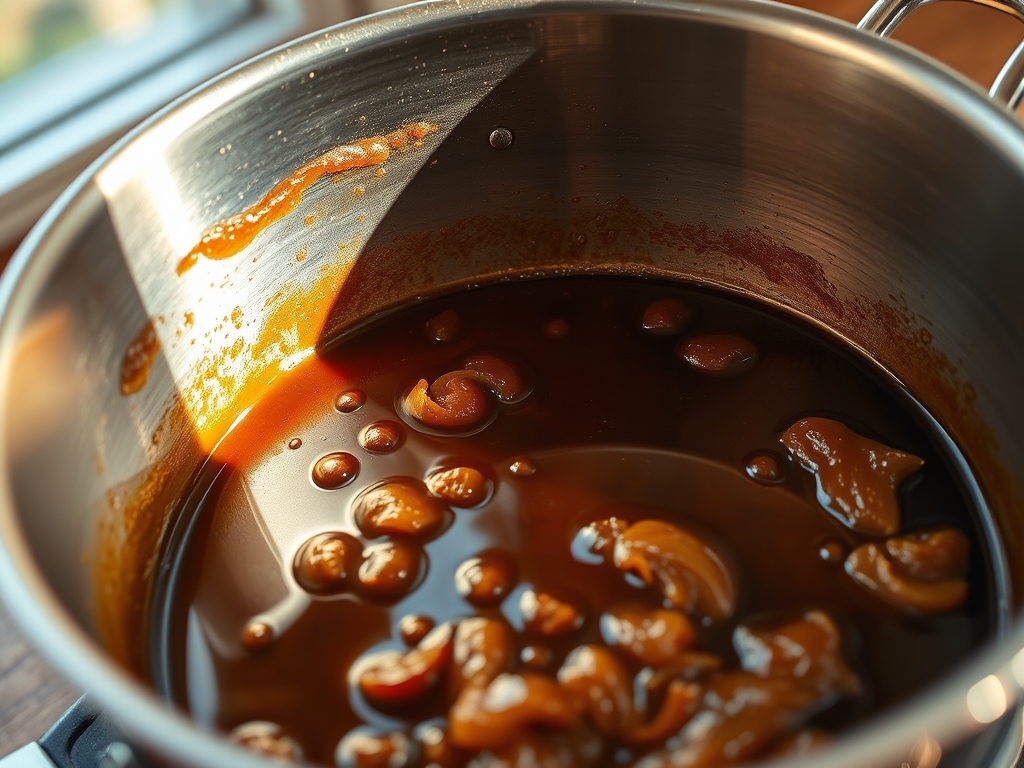
Combine your fruit and sugar in a heavy-bottomed saucier or copper jam pot. Allow the mixture to sit for at least twenty minutes until the sugar begins to draw out the internal juices through osmosis. This creates a concentrated syrup that protects the fruit's color during the initial heating phase.
Pro Tip: Use a bench scraper to clear the sides of the pot. Residual sugar crystals clinging to the walls can act as "seeds" for recrystallization later, turning your smooth jam into a gritty mess. The science here is simple: we are creating a supersaturated solution that must remain stable.
2. The Thermal Ascent
Place the pot over medium-high heat. Stir constantly with a heat-resistant spatula to prevent localized scorching. As the temperature rises, the pectin chains begin to unfurl. This is where the Fruit Jam Viscosity begins to build as the water evaporates and the solute concentration increases.
Pro Tip: Use a digital thermometer to track your progress. You are looking for the "gel point," which typically occurs at 104C (219F) at sea level. This temperature indicates that the sugar concentration has reached the 65% threshold required for a permanent bond.
3. The Acid Integration
Once the mixture reaches a rolling boil, infuse the lemon juice. The acid works to neutralize the negative charges on the pectin molecules, allowing them to finally bond and form the gel matrix. You will notice an immediate change in the way the liquid coats the back of a spoon.
Pro Tip: Perform the "wrinkle test" by placing a small amount of jam on a chilled plate. After thirty seconds, push it with your finger. If it wrinkles, the infrastructure is sound. This manual check bypasses the potential inaccuracies of a thermometer.
4. The Skimming and Finishing
Add the butter to render any surface foam obsolete. This foam is merely trapped air and protein; while harmless, it creates a cloudy appearance and reduces the shelf life by introducing oxygen pockets. Remove the pot from the heat and stir in any aromatic extracts.
Pro Tip: Use a fine-mesh skimmer to remove any remaining impurities. Professional clarity is achieved by minimizing agitation during the cooling phase, allowing the pectin to set undisturbed into a glass-like finish.
Section B: Prep & Timing Fault-Lines:
The most common human error is the "slow boil." If you take too long to reach the gel point, you will destroy the pectin through over-cooking, resulting in a sticky, caramelized syrup that will never set. You must maintain a vigorous, "hard" boil that cannot be stirred down. If you miss your window, do not keep boiling. Remove from heat, add a splash more acid or a teaspoon of commercial pectin dissolved in water, and re-boil rapidly for sixty seconds to reset the chemistry.
THE VISUAL SPECTRUM
Section C: Thermal & Visual Troubleshooting:
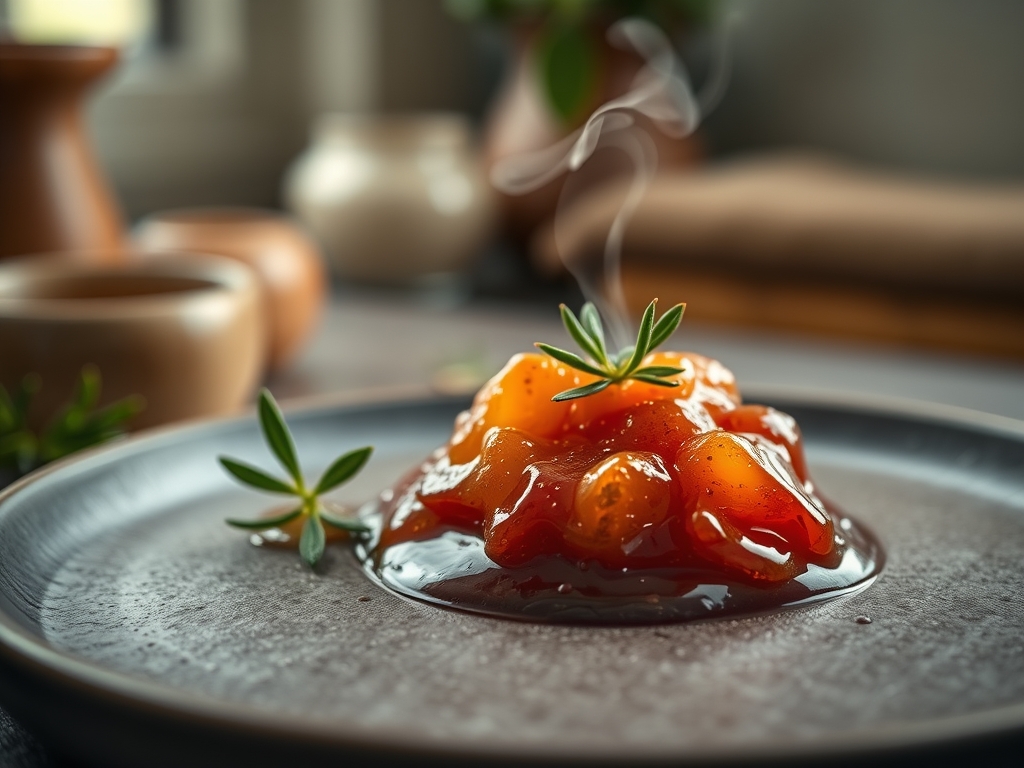
Referencing the Masterclass photo, observe the vibrant, jewel-toned clarity and the way the fruit remains suspended rather than sinking to the bottom. If your jam looks dull or brown, you have likely oxidized the fruit through over-exposure to air or excessive heat. This is often caused by using a pot that is too narrow; use a wide, shallow vessel to maximize surface area and speed up evaporation. If your jam is cloudy, you skipped the skimming phase or used bottled lemon juice with excessive pulp. To fix a "broken" set where the liquid separates from the solids, you must re-heat the batch and ensure the pH is low enough (between 2.8 and 3.5) to support the pectin lattice.
THE DEEP DIVE
Macro Nutrition Profile: High-acid fruit preserves are primarily carbohydrate-based. A standard 20g serving contains approximately 50 calories, 13g of sugar, and negligible fat or protein. The fiber content varies depending on whether the fruit skins were retained during the render process.
Dietary Swaps: For a Keto-compliant version, replace sucrose with Allulose, as it mimics sugar's hygroscopic properties better than Erythritol. However, you must use a specific "low-methoxyl" pectin that reacts with calcium rather than sugar to create Fruit Jam Viscosity. For a Vegan profile, ensure your sugar is certified bone-char free.
Meal Prep & Reheating Science: To maintain the molecular structure over time, store jars in a cool, dark environment. If the jam becomes too firm in the fridge, do not microwave it on high power; this will fracture the pectin bonds. Instead, let it reach room temperature naturally or warm it gently in a bain-marie to aerate and soften the gel without liquefying it.
THE KITCHEN TABLE
Why did my jam turn out runny?
Your Fruit Jam Viscosity failed because the sugar concentration was too low or the pH was too high. Without enough sugar to bind water or enough acid to neutralize pectin, the structural mesh cannot form. Re-boil with more lemon juice.
Can I reduce the sugar in this recipe?
Standard pectin requires a 55% to 65% sugar concentration to set. If you reduce sugar without using a specialized low-methoxyl pectin, you will end up with a fruit sauce rather than a structurally sound jam.
How do I prevent fruit from floating to the top?
Floating fruit occurs when the fruit is lighter than the surrounding syrup. Allow the jam to cool slightly and thicken in the pot for five minutes, stirring gently, before pouring it into jars to ensure even distribution.
Is the foam on top dangerous?
No, the foam is just air bubbles trapped in fruit protein. While it affects the visual spectrum and can harbor oxygen that leads to spoilage, it is perfectly edible. Adding a tiny bit of butter collapses these bubbles instantly.