Listen to the sound of a billion microscopic engineers breathing. That rhythmic, bubbling hiss emanating from your fermentation vessel is not just gas; it is the auditory signature of a biological takeover. We are talking about Kimchi Maturation, a high-stakes transition from raw vegetable matter into a complex, piquant powerhouse of flavor. This is culinary infrastructure at its most volatile. When you salt that cabbage, you are not just seasoning; you are initiating a selective osmotic purge. You are drowning the spoilage microbes to pave the way for the Lactobacillus elite. The air in the kitchen should turn sharp and electric as the ginger and garlic begin to infuse the brine with antimicrobial sulfur compounds. This is a visceral transformation where crisp textures surrender to a tender, fermented snap. If you are looking for a casual weekend project, go bake a muffin. If you want to master the structural integrity of Korean soul food, prepare for a rigorous audit of your microbial colony.
THE DATA MATRIX
| Metric | Specification |
|---|---|
| Prep Time | 90 Minutes |
| Execution Time | 5 to 14 Days (Fermentation) |
| Yield | 2.5 Liters / 10.5 Cups |
| Complexity (1-10) | 7 (Microbial Management) |
| Estimated Cost per Serving | $0.85 USD |
THE GATHERS
Ingredient Protocol:
- 2.2kg / 5lbs Napa Cabbage (Heads should be dense and heavy)
- 150g / 0.5 cups Coarse Sea Salt (Non-iodized is mandatory)
- 500ml / 2 cups Filtered Water (Chlorine-free)
- 30g / 4 tbsp Glutinous Rice Flour
- 60ml / 4 tbsp Fish Sauce (Substitute with vegan soy-kelp liquid)
- 100g / 1 cup Gochugaru (Korean red chili flakes)
- 50g / 3 tbsp Minced Garlic
- 15g / 1 tbsp Grated Fresh Ginger
- 200g / 2 cups Daikon Radish (Julienned)
- 100g / 1 cup Scallions (Cut into 2-inch lengths)
Section A: Ingredient Quality Audit:
The primary failure point in Kimchi Maturation is often the salt. If you use table salt containing anti-caking agents or iodine, you will inhibit the very bacteria required for a safe ferment. The result is a bitter, metallic mess. Fix: Always use high-quality solar salt or "Korean brining salt." If your cabbage feels limp rather than crisp after the initial salt soak, your osmotic pressure was insufficient. You must ensure the cabbage is weighted down to expel moisture. If the Gochugaru looks brownish rather than vibrant red, it is oxidized. Oxidized pepper lacks the capsaicin-driven preservation qualities needed to keep the batch stable. Replace it immediately to avoid a dull, earthy flavor profile.
THE MASTERCLASS
Step 1: The Osmotic Draw
Quarter the cabbage lengthwise and submerge each leaf in a concentrated salt brine. Use a digital scale to ensure your salt-to-water ratio is exactly 6 percent by weight. This stage is about structural collapse; you are removing excess water to make room for the spice paste.
Pro Tip: Use a large stainless steel mixing bowl to ensure no reactive metals interfere with the salt. The goal is to render the cabbage leaves pliable enough to bend without snapping, ensuring the cell walls are primed for the infusion of aromatics.
Step 2: The Starch Porridge Matrix
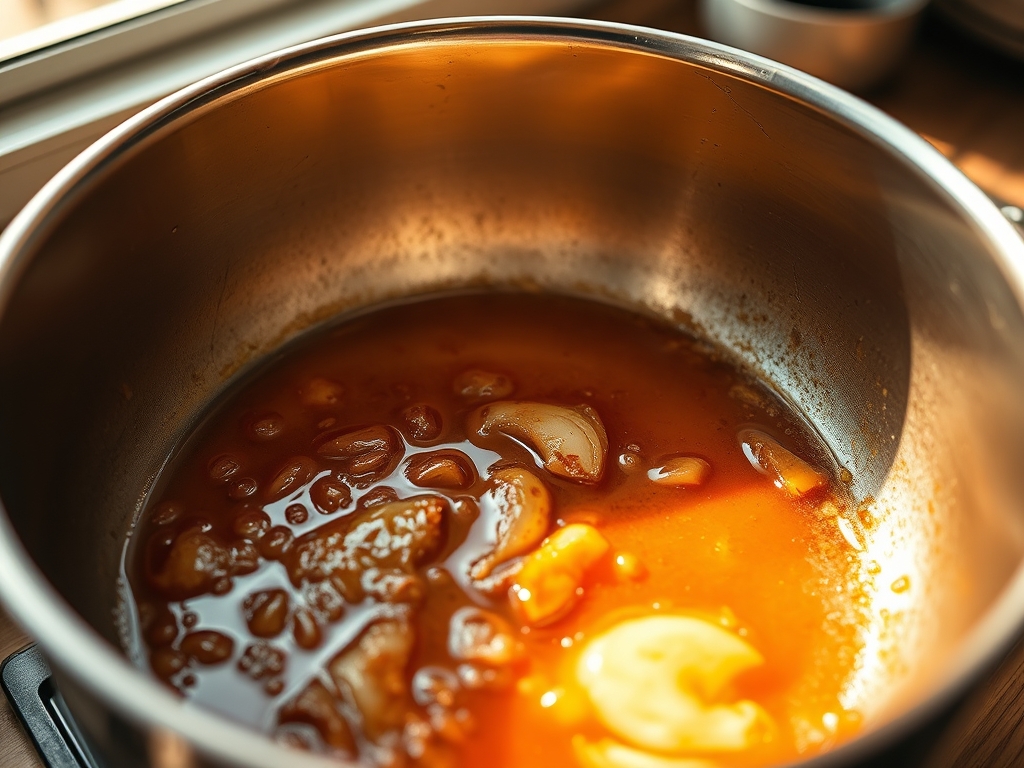
In a small saucier, whisk the glutinous rice flour and water over medium heat until it becomes a viscous, translucent paste. This is the fuel for your microbes. Once thickened, whisk in the sugar and let it cool completely before adding the Gochugaru.
Pro Tip: This porridge acts as a stabilizer. It allows the chili flakes to adhere to the slick cabbage leaves. Without this glue, your seasoning will simply slide to the bottom of the jar, leaving the top layers vulnerable to aerobic mold.
Step 3: The Aromatic Infusion
Combine the cooled starch paste with garlic, ginger, and fish sauce. Use a silicone spatula to fold in the julienned radish and scallions. The mixture should be a deep, vibrant crimson and smell aggressively pungent.
Pro Tip: The garlic and ginger provide more than flavor; they are natural inhibitors of "bad" bacteria. Ensure your ginger is finely grated using a microplane to maximize the surface area for flavor extraction and antimicrobial activity.
Step 4: The Manual Integration
Wearing gloves, rub the paste into every single cabbage leaf. Start from the outermost leaf and work your way to the core. Every square millimeter of the vegetable must be coated to ensure even Kimchi Maturation and prevent "dry spots" where spoilage can occur.
Pro Tip: Use a bench scraper to clean your workstation after this step. The high pigment load of the Gochugaru will stain porous surfaces instantly if not managed with professional speed.
Step 5: The Anaerobic Seal
Pack the cabbage tightly into a glass fermentation crock. Press down firmly with your fist to eliminate all air pockets. The brine should rise to cover the solids completely. Leave at least two inches of headspace at the top of the jar.
Pro Tip: Oxygen is the enemy of Kimchi Maturation. Use a fermentation weight to keep the cabbage submerged. If oxygen reaches the cabbage, you risk the growth of Kahm yeast, which creates a fuzzy white film and off-flavors.
Section B: Prep & Timing Fault-Lines:
Temperature is your primary variable. If your kitchen is over 75 degrees Fahrenheit, the fermentation will happen too rapidly, leading to "mushy cabbage syndrome." The bacteria will consume the sugars too fast, producing excessive CO2 and a sourness that lacks depth. If it is too cold, the process stalls. Fix: Maintain a steady 65 to 68 degrees for the first 48 hours. If you miss the "burping" window (releasing gas from the jar), you risk a pressurized eruption. Set a digital timer to check the vessel every 12 hours during the peak activity phase.
THE VISUAL SPECTRUM
Section C: Thermal & Visual Troubleshooting:
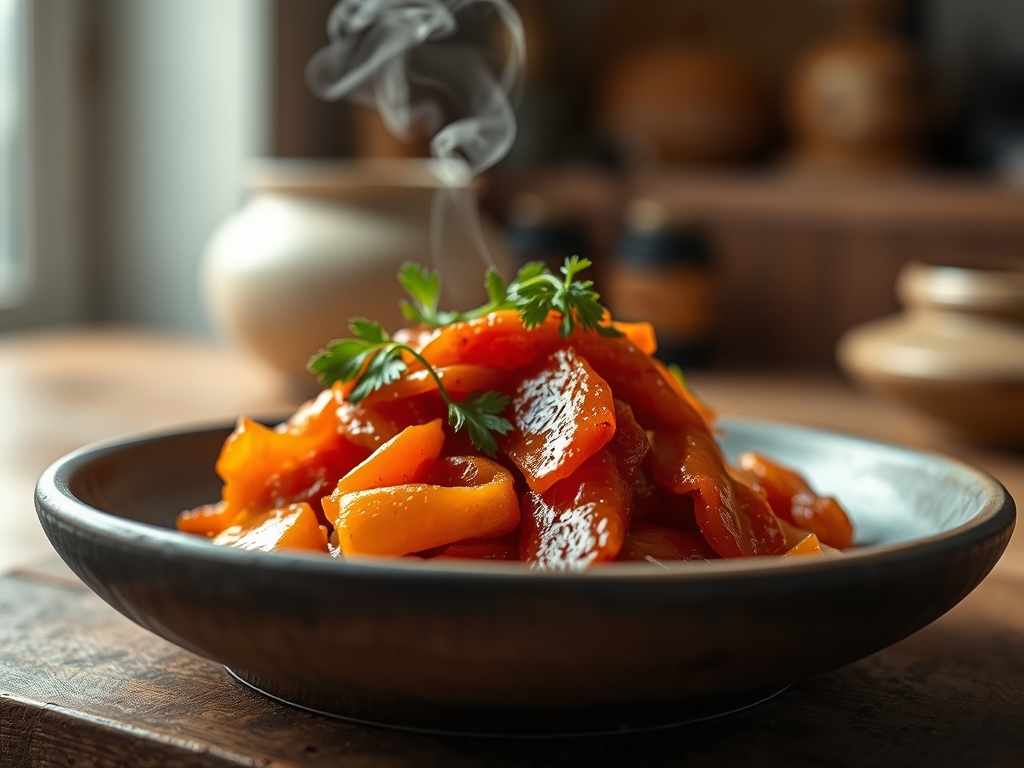
Referencing the Masterclass photo, your kimchi should exhibit a glossy, viscous coating that clings to the cabbage. If the liquid looks thin or watery, your starch porridge was undercooked. If the cabbage appears translucent rather than opaque, it has over-fermented or was salted for too long. Uneven browning or dark spots on the radish indicate oxidation; this usually happens when the vegetables are not fully submerged in the brine. The color should remain a bright, aggressive red. If it fades to an orange-pink, the Gochugaru was of poor quality or the pH level has dropped too rapidly, bleaching the pigments. Always look for the presence of small, active bubbles; this is the visual confirmation of a healthy, living culture.
THE DEEP DIVE
Macro Nutrition Profile:
Kimchi is a low-calorie, high-fiber powerhouse. A standard 100g serving contains approximately 30 calories, 2g of protein, and 0g of fat. It is exceptionally high in Vitamin K, Vitamin C, and Riboflavin. The real value, however, is the probiotic density, which supports gut health and metabolic efficiency.
Dietary Swaps:
For a Vegan version, swap the fish sauce for a mixture of soy sauce and dried kelp powder to maintain the umami depth. For Keto adherents, omit the sugar and reduce the rice flour; the fermentation will proceed slower, but the lactic acid will still develop. This recipe is naturally Gluten-Free, provided your Gochugaru is pure.
Meal Prep & Reheating Science:
To maintain the molecular structure of the cabbage, never boil kimchi for long periods if you want to keep the probiotic benefits. If using in a stew (Kimchi Jjigae), add the fresh kimchi at the very end to preserve some of the vitamin content. For long-term storage, keep it at 35 to 38 degrees Fahrenheit to slow the microbial metabolism without freezing the cell walls.
THE KITCHEN TABLE
Why is my kimchi bubbling so much?
Active bubbling is a sign of healthy Kimchi Maturation. The Lactobacillus are consuming sugars and releasing carbon dioxide. This is the "effervescence" phase. Just ensure you "burp" the jar daily to prevent pressure buildup and potential glass failure.
Can I use regular cabbage instead of Napa?
You can, but the structural integrity will differ. Green cabbage is much denser and requires a longer salting period to soften the cell walls. The flavor profile will be more reminiscent of a spicy sauerkraut than traditional Korean kimchi.
Is the white film on top dangerous?
Usually, this is Kahm yeast, which is non-toxic but can ruin the flavor. It forms when the pH isn't dropping fast enough or oxygen is present. Scrape it off immediately and ensure the vegetables are fully submerged under the brine.
How long does it stay good in the fridge?
Properly fermented kimchi can last for 6 to 12 months. Over time, it will become increasingly sour as the bacteria continue to work slowly. Older, "sour" kimchi is prized for cooking in pancakes, stews, and fried rice.