Forget everything you know about the dusty bottle of cider vinegar sitting in the back of your pantry. We are not just making salad dressing; we are architecting a high-performance chemical solvent designed to hijack the flavor profiles of aromatic botanicals. When you engage with Vinegar Infusion Data, you are looking at the intersection of organic chemistry and culinary art. The goal is simple yet aggressive: to harness acetic acid as a vehicle for essential oils and pigments. We want a liquid that is sharp, vibrant, and structurally sound. Imagine the piquant snap of a high-acid base meeting the deep, earthy resins of fresh rosemary or the volatile citrus oils of a charred lemon peel. This is about extraction efficiency. We are manipulating molecular polarity to ensure every drop of your finished product carries the maximum payload of flavor. If your current infusions taste like nothing more than sour water, your infrastructure is failing. It is time to audit your process and upgrade your liquid assets to professional-grade standards.
THE DATA MATRIX
| Metric | Specification |
|---|---|
| Prep Time | 15 Minutes |
| Execution Time | 24 – 72 Hours |
| Yield | 500ml / 2 Cups |
| Complexity (1-10) | 3 |
| Estimated Cost per Serving | $0.45 |
THE GATHERS
Ingredient Protocol:
- 500ml / 2 cups Base Vinegar (Champagne, White Wine, or Rice Vinegar).
- 50g / 1.75 oz Fresh Aromatics (Thyme, Tarragon, or Basil).
- 10g / 2 tsp Whole Peppercorns or dried spices.
- 5g / 1 tsp Kosher Salt (to stabilize pH and enhance extraction).
- 15ml / 1 tbsp Honey or Agave (optional, to balance the aggressive acidity).
Section A: Ingredient Quality Audit:
If your raw materials are compromised, your infusion will be a disaster. Sub-par herbs that are wilted or oxidized will impart a "dusty" or "hay-like" flavor rather than a vibrant green note. If you find yourself with herbs that have lost their turgor pressure, do not throw them in the jar. Instead, perform a cold-water shock by submerging them in ice water for ten minutes to revive the cell walls. If your base vinegar tastes overly metallic or harsh, it likely has a high concentration of impurities. A technical fix is to pass the vinegar through a coffee filter or a fine-mesh sieve lined with cheesecloth before beginning the infusion. This removes microscopic particulates that can cause off-flavors during the extraction process.
THE MASTERCLASS
Step-by-Step Execution:
1. Thermal Activation of the Solvent
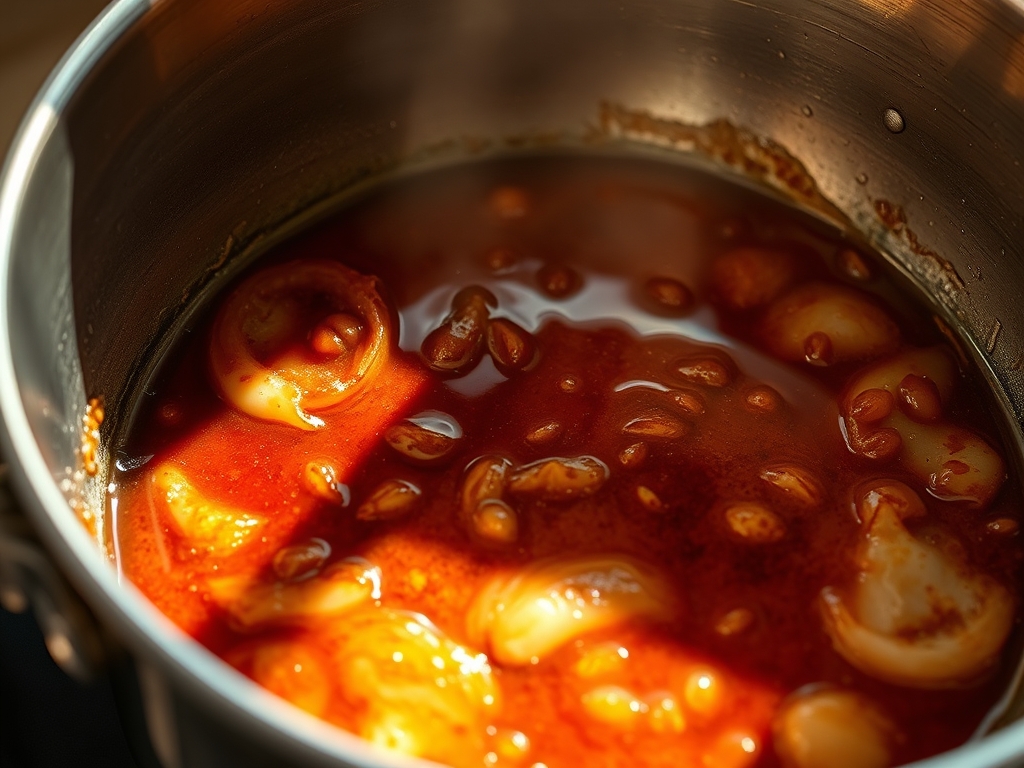
Place your base vinegar in a stainless steel saucier over medium-high heat. You are not looking for a rolling boil; you want a gentle simmer around 190 degrees Fahrenheit. Heating the vinegar increases the kinetic energy of the acetic acid molecules, allowing them to penetrate the cell walls of your aromatics more efficiently.
Pro Tip: Use a digital scale to measure your ingredients by weight rather than volume. Acetic acid density can vary slightly by temperature, and weight-based measurements ensure your Vinegar Infusion Data remains consistent across every batch you produce.
2. Aromatic Preparation and Bruising
While the vinegar heats, take your fresh herbs and lightly bruise them. Do not pulverize them into a paste. Use the flat side of a chef knife or a bench scraper to gently press down on the leaves. This ruptures the vacuoles within the plant cells, releasing essential oils that are ready for immediate extraction.
Pro Tip: Bruising increases the surface area available for the solvent to act upon. This process, known as maceration, is the secret to achieving a deep, complex flavor profile in under 48 hours.
3. The Infusion Merge
Place your bruised aromatics and spices into a sterilized glass vessel. Pour the heated vinegar directly over the solids. The sudden thermal shock will further break down the plant tissues. Seal the container immediately to prevent the volatile aromatic compounds from escaping into the air.
Pro Tip: The science here is thermal extraction. By sealing the jar while the liquid is hot, you create a slight vacuum as it cools, which helps pull the vinegar deeper into the organic matter.
4. Cold-Stage Stabilization
Once the vessel reaches room temperature, transfer it to a dark, cool environment. Light and heat are the enemies of a stable infusion. Over the next 24 to 72 hours, the vinegar will continue to infuse, drawing out the more stubborn fat-soluble compounds that require time rather than heat.
Pro Tip: Agitate the container twice daily. This prevents the solids from settling and ensures that the solvent remains in constant contact with fresh surface area, maximizing your flavor yield.
Section B: Prep & Timing Fault-Lines:
The most common human error in this process is over-extraction. If you leave woody herbs like rosemary or dried spices in the vinegar for more than five days, you will begin to extract bitter tannins and lignin. This results in a "woody" or astringent finish that overpowers the primary flavors. Use a timer and taste the infusion every 12 hours after the initial 24-hour mark. If the temperature of your kitchen exceeds 75 degrees Fahrenheit, move the infusion to the refrigerator. High ambient temperatures can accelerate the extraction process beyond your control, leading to a muddy flavor profile.
THE VISUAL SPECTRUM
Section C: Thermal & Visual Troubleshooting:
Look closely at the Masterclass photo. Notice the clarity of the liquid and the vibrant, suspended state of the botanicals. If your infusion looks cloudy, it is a sign of pectin breakdown or bacterial contamination. Ensure your jars are sterilized. If your herbs turn a dull, brownish-grey, you have likely overheated the vinegar, causing the chlorophyll to degrade. To fix a dull color, you can "flash-infuse" a small amount of fresh herbs in the finished, strained product for just one hour before serving. This adds a pop of bright green color and a fresh top-note to the deeper, cooked flavors of the primary infusion.
THE DEEP DIVE
Macro Nutrition Profile
Vinegar infusions are virtually calorie-free, making them a powerhouse for flavor density without caloric load. A standard 15ml serving contains approximately 3 to 5 calories, 0g of fat, and less than 1g of carbohydrates. The primary nutritional value comes from the polyphenols and antioxidants extracted from the herbs and spices.
Dietary Swaps
- Vegan: Naturally compliant. Ensure your sweetener (if used) is vegan-certified.
- Keto: Replace honey with a drop of liquid monk fruit or simply omit the sweetener entirely.
- GF: Ensure your base vinegar is not malt vinegar, which contains gluten. Stick to wine or cider bases.
Meal Prep & Reheating Science
To maintain the molecular structure and prevent the "skunking" of delicate oils, never boil your finished infusion after it has been strained. If you are using it to deglaze a pan, add it at the very end of the cooking process. Store the finished vinegar in an amber glass bottle to protect it from UV light, which can break down the complex esters you worked so hard to create.
THE KITCHEN TABLE
How long does the infusion last?
Strained infusions last up to six months in a cool, dark pantry or one year in the refrigerator. Always discard the solids after the initial infusion period to prevent spoilage and bitterness.
Can I use dried herbs instead of fresh?
Yes, but reduce the quantity by half. Dried herbs are more concentrated but lack the bright, volatile top-notes of fresh botanicals. They provide a deeper, more "oxidized" flavor profile.
Why is my vinegar not picking up color?
Some pigments are not acid-soluble. If you want a deep red or purple hue, use ingredients like hibiscus or beets. Green herbs often lose their color quickly in high-acid environments due to chlorophyll degradation.
Is it safe to leave garlic in the vinegar?
Acidified garlic is generally safe from botulism, but for long-term storage, it is best to strain the garlic out after 48 hours. This maintains a clean flavor and prevents the garlic from becoming unpleasantly pungent.