The kitchen at midnight is not a place for compromise; it is a laboratory where the infrastructure of indulgence meets the cold reality of glycemic management. We are hunting for the perfect equilibrium between the sharp, piquant acidity of forest fruits and the dense, velvety embrace of lipids. This is Berries and Cream, but not the flimsy, weeping mess found in a plastic tub at a roadside diner. We are talking about a structurally sound, thermally stable masterpiece designed to satisfy the primal urge for sweetness without the catastrophic insulin spike. The berries must be turgid, bursting with anthocyanins that paint the palate in deep purples and crimsons. The cream must be whipped to a specific gravity that defies the laws of atmospheric pressure, acting as a structural scaffold for the fruit. When executed with precision, this dish is a masterclass in texture and temperature. It is the ultimate low-impact night treat, a high-octane fuel for the soul that respects the delicate machinery of your metabolism. Let us audit the process.
THE DATA MATRIX
| Metric | Specification |
|---|---|
| Prep Time | 12 Minutes |
| Execution Time | 5 Minutes |
| Yield | 4 Servings |
| Complexity (1-10) | 3 |
| Estimated Cost per Serving | $2.75 |
THE GATHERS
Ingredient Protocol:
- 500g / 3 cups Fresh Mixed Berries (Raspberries, Blackberries, Blueberries)
- 475ml / 2 cups Heavy Whipping Cream (Minimum 36% Butterfat)
- 15ml / 1 tbsp Pure Vanilla Bean Paste
- 30g / 2 tbsp Allulose or Erythritol (Fine Powdered)
- 2g / 1/2 tsp Xanthan Gum (Optional Stabilizer)
- 5ml / 1 tsp Fresh Lemon Juice
- 1g / 1 pinch Flaked Sea Salt
Section A: Ingredient Quality Audit:
The primary failure point in Berries and Cream is the moisture content of the fruit. If your berries are weeping or bruised, they will bleed juice into the cream, causing the protein structure to collapse. To fix sub-par, soft berries, macerate them briefly in a small amount of acid (lemon juice) to tighten the cell walls before draining the excess liquid. If your cream refuses to aerate, check the temperature. Cream must be kept at exactly 4 degrees Celsius. If it rises above 10 degrees, the fat globules will not form the necessary lattice to trap air, resulting in a viscous soup rather than a firm peak. Always use a digital scale for your sweeteners; volume measurements for sugar substitutes are notoriously inaccurate and can ruin the flavor profile.
THE MASTERCLASS
1. Thermal Priming of Equipment
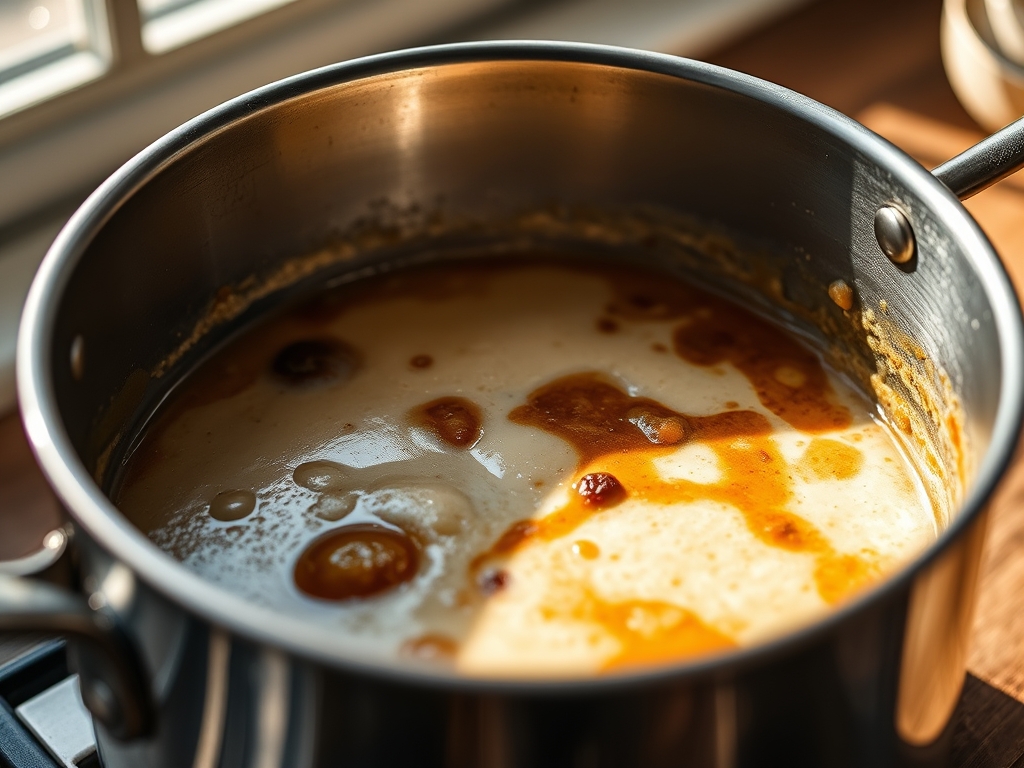
Before a single drop of cream touches the bowl, you must audit your hardware. Place your stainless steel mixing bowl and whisk attachment in the freezer for ten minutes. Cold equipment prevents the friction of the whisk from heating the lipids, ensuring the fat remains solid during the aeration process.
Pro Tip: Use a saucier or a heavy-bottomed bowl to maintain thermal mass. The science here is simple: cold fat traps air more efficiently, creating a more stable foam with smaller, more uniform bubbles.
2. The Berry Sanitation and Acid Wash
Wash your berries in ice-cold water and pat them dry with surgical precision using lint-free towels. Any residual water will dilute the flavor and compromise the cream. Toss the berries with a dash of lemon juice and a pinch of salt to brighten the piquant notes of the fruit.
Pro Tip: Use a bench scraper to gently move the berries without crushing them. The salt acts as a flavor bridge, suppressing bitterness and enhancing the natural sweetness of the fructose without requiring extra sugar.
3. Achieving the Soft Peak Lattice
Pour the chilled cream into the primed bowl. Add the vanilla paste and your powdered sweetener. Begin whisking at a low velocity to incorporate air slowly, then increase the speed. If you are using xanthan gum, sprinkle it in now to infuse the mixture with structural integrity.
Pro Tip: Watch for the transition from liquid to semi-solid. A digital scale ensures you don't over-sweeten, which can interfere with the cream's ability to hold air. You are looking for "soft peaks" that curl over gently when the whisk is lifted.
4. The Fold and Assembly
Do not dump the berries into the cream. Instead, place a base layer of cream in a chilled glass, followed by a layer of berries, and repeat. This vertical integration ensures that every spoonful has a balanced ratio of lipid to fructose.
Pro Tip: Use a silicone spatula to fold the final layer. This prevents over-working the cream, which would otherwise render the fat into butter, destroying the delicate mouthfeel you have worked so hard to achieve.
Section B: Prep & Timing Fault-Lines:
The most common human error is the "over-whip." If you lose focus for even thirty seconds, your elegant cream will turn into grainy, sweet butter. If you see the mixture starting to look curdled, immediately stop and whisk in two tablespoons of fresh, liquid heavy cream by hand to smooth the emulsion. Another timing error is prepping the dish too far in advance. Berries are hygroscopic; they will pull moisture from the cream and turn the entire dish into a soggy mess within two hours. Assemble no more than fifteen minutes before consumption.
THE VISUAL SPECTRUM
Section C: Thermal & Visual Troubleshooting:
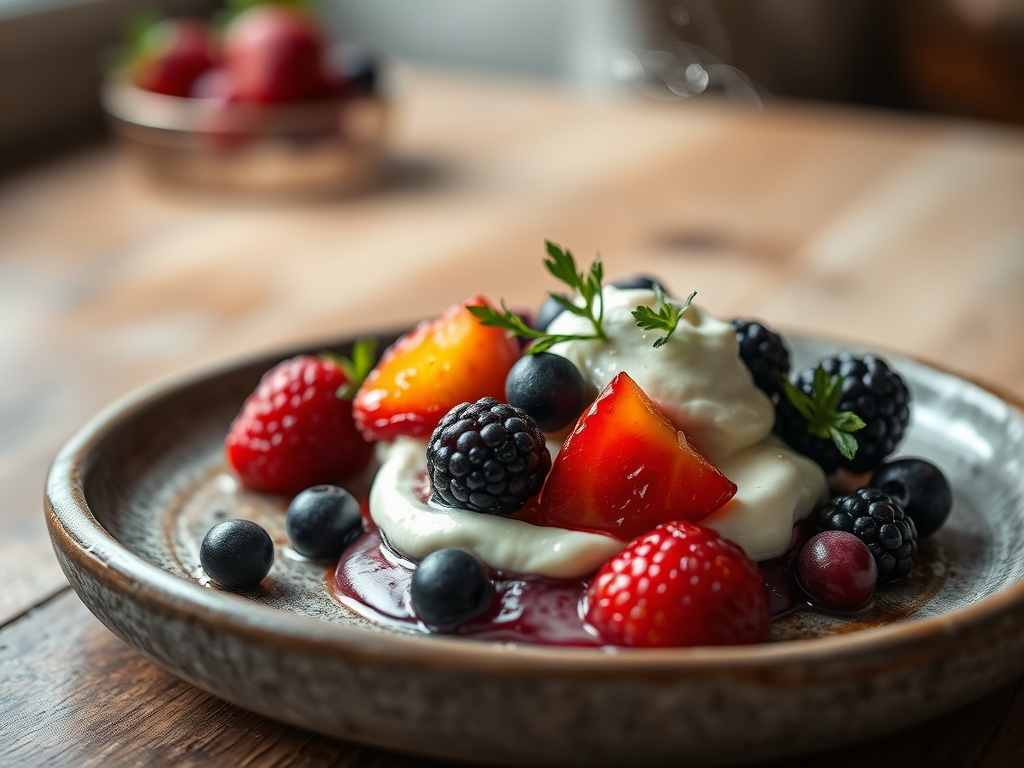
Look at the Masterclass photo. Notice the distinct separation between the vibrant, glossy skins of the blueberries and the matte, snowy white of the cream. If your dish looks pink or muddy, you have over-mixed or used wet berries. If the cream looks yellow, it has likely oxidized or was too warm during the whisking phase. The visual cue for success is "defined edges." Each berry should sit atop the cream like a jewel on a cushion, not sinking into a puddle. If the cream appears dull, it lacks the necessary air; a quick thirty-second manual whisking can often restore the luster by re-incorporating lost air pockets.
THE DEEP DIVE
Macro Nutrition Profile:
A standard serving of this infrastructure-grade treat contains approximately 320 calories. The breakdown is roughly 30g of healthy fats, 8g of net carbohydrates, and 2g of protein. The high fat content slows the gastric emptying of the fruit sugars, preventing a rapid rise in blood glucose.
Dietary Swaps:
- Vegan: Swap heavy cream for chilled, full-fat coconut cream. Ensure you chill the tin for 24 hours to separate the solids from the water.
- Keto: This recipe is inherently Keto-friendly. Ensure your berries are primarily raspberries or blackberries, which have the lowest glycemic load.
- GF: Naturally gluten-free, but ensure your vanilla paste does not use grain-based alcohol as a carrier.
Meal Prep & Reheating Science:
You cannot reheat Berries and Cream. Heat will melt the fat lattice and turn the dish into a liquid. For meal prep, store the washed, dried berries and the whipped cream in separate airtight containers. The cream will stay stable for 24 hours if reinforced with xanthan gum. Re-whisk for ten seconds before serving to restore the molecular volume.
THE KITCHEN TABLE
Why is my whipped cream grainy?
You have over-agitated the proteins, causing the fat globules to clump together. This is the first stage of butter making. To fix it, gently fold in a tablespoon of un-whipped cream to restore the emulsion.
Can I use frozen berries?
Frozen berries are structural liabilities. As they thaw, they release excess water which will dissolve your cream. If you must use them, drain them in a fine-mesh sieve for twenty minutes and serve immediately after assembly.
What does the salt do?
Salt is a chemical enhancer. It reduces our perception of bitterness in the berries and creates a contrast that makes the cream taste sweeter without adding more sugar. It is the secret to a professional flavor profile.
How do I get the "Masterclass" shine?
Gloss comes from moisture control and freshness. Ensure your berries are completely dry before assembly. A tiny spray of lemon juice right before serving can also add a visual "pop" to the fruit skins.