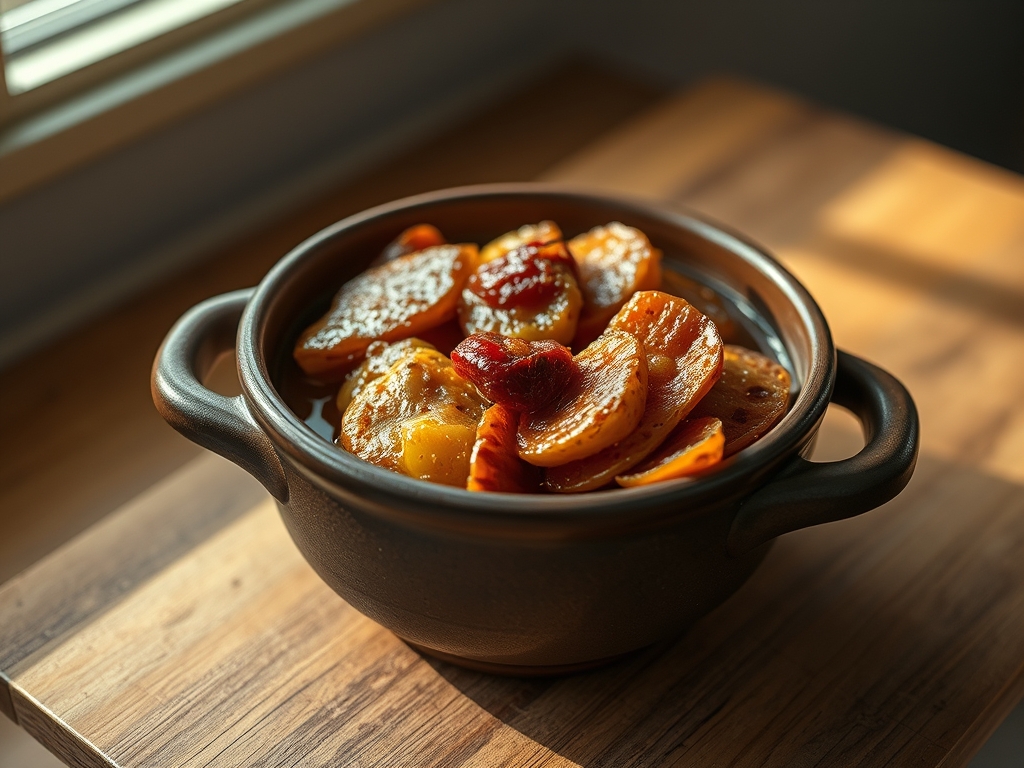
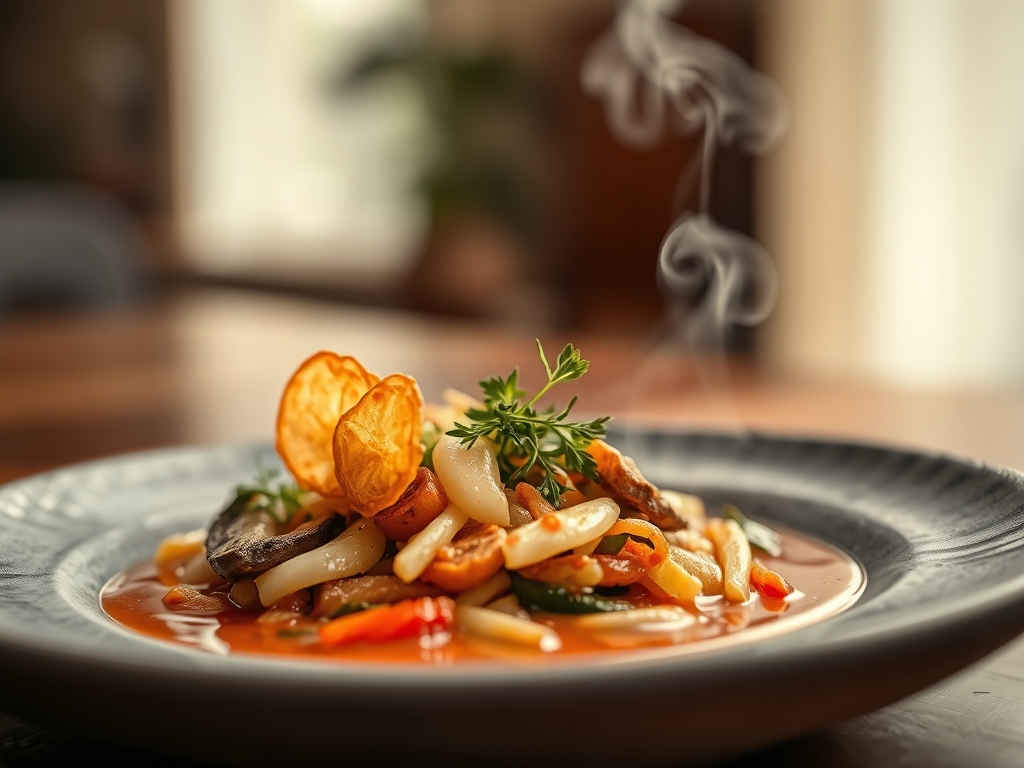
Imagine a scenario where the power grid is a memory and your pantry is the last bastion of civilization. You are not just cooking; you are performing a high stakes chemical reclamation of vital nutrients. The humble Dehydrated Vegetable Soup is often dismissed as a dusty relic of camping trips past. This is a catastrophic error in judgment. When executed with technical precision, this dish is a masterclass in rehydration kinetics and flavor intensification. We are talking about capturing the peak summer harvest and locking it into a shelf stable matrix that explodes with a piquant brightness the moment it hits boiling water. The aroma should not be one of stale cardboard; it should be a concentrated blast of earth and sun. As an auditor of culinary infrastructure, I demand more than just survival calories. I demand a viscous, nutrient dense elixir that defies the limitations of its dry state. We are going to engineer a soup that utilizes the Maillard reaction to its fullest potential, ensuring that every spoonful provides a complex, savory profile that sustains both the body and the soul.
THE DATA MATRIX
| Metric | Specification |
|---|---|
| Prep Time | 20 Minutes |
| Execution Time | 45 Minutes |
| Yield | 4 Servings |
| Complexity (1-10) | 4 |
| Estimated Cost per Serving | $1.15 |
THE GATHERS
Ingredient Protocol:
- 200g / 1.5 cups Dehydrated Mirepoix (Carrots, Celery, Onions)
- 50g / 0.5 cup Dehydrated Bell Peppers
- 30g / 0.25 cup Dehydrated Shiitake Mushrooms (for umami depth)
- 15g / 2 tbsp Tomato Powder
- 1.2L / 5 cups Filtered Water or Reconstituted Bone Broth
- 10ml / 2 tsp Extra Virgin Olive Oil
- 5g / 1 tsp Dried Thyme
- 2g / 0.5 tsp Smoked Paprika
- 10g / 2 tsp Sea Salt
- 2g / 0.5 tsp Cracked Black Pepper
Section A: Ingredient Quality Audit:
The primary failure point in Dehydrated Vegetable Soup is the age of the raw materials. If your vegetables have oxidized to a dull grey, the enzymatic breakdown has already compromised the flavor. Fix: To revitalize oxidized greens, add a pinch of citric acid or a splash of lemon juice during the final simmer to brighten the pH level. If your mushrooms feel leathery rather than crisp, they have absorbed ambient moisture. Fix: Flash toast them in a dry saucier for sixty seconds before adding liquid to drive off stale moisture and reactivate volatile oils.
THE MASTERCLASS
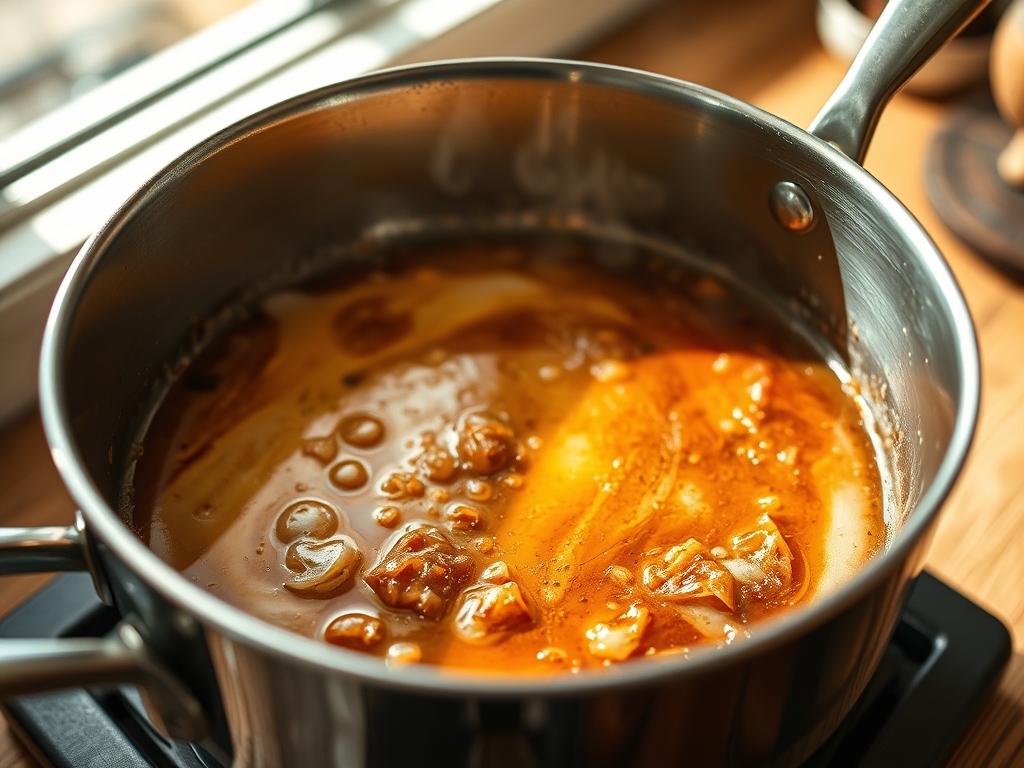
1. Thermal Activation of Aromatics
Begin by placing your saucier over medium heat. Add the olive oil and the dehydrated mirepoix. You are not looking to rehydrate yet; you are looking to render any remaining sugars and initiate a light Maillard reaction on the surface of the dried cells.
Pro Tip: Use a digital scale to ensure your ratios are exact. Scientific precision prevents the onion from overpowering the delicate carrot notes. Dry sautéing concentrates the sugars before the water dilutes them.
2. The Umami Infusion
Add the tomato powder and smoked paprika to the dry mix. Stir constantly with a silicone spatula to prevent scorching. This step allows the fat soluble compounds in the spices to infuse into the oil, creating a flavor base that will permeate the entire pot once liquid is introduced.
Pro Tip: This technique, known as blooming, is essential when working with dried goods. It wakes up the piperine in the pepper and the capsaicin in the paprika, ensuring a piquant finish.
3. Controlled Rehydration
Slowly pour in 500ml of your liquid while scraping the bottom of the pan to deglaze any caramelized bits. Once a thick paste forms, add the remaining liquid and the dehydrated mushrooms. Bring the mixture to a gentle simmer, never a rolling boil.
Pro Tip: High heat toughens the cellulose walls of dehydrated vegetables. A gentle simmer allows the water to move via osmosis into the cell structure, resulting in a tender rather than rubbery texture.
4. Molecular Integration and Seasoning
Once the vegetables have regained their volume, add the salt, pepper, and thyme. Allow the soup to sit for five minutes off the heat. This "resting" phase allows the starch molecules to aerate and settle, creating a more cohesive mouthfeel.
Pro Tip: Use a bench scraper to clean your prep area during this lull. Maintaining a sterile environment is key to culinary infrastructure integrity. The resting phase ensures the salt fully penetrates the core of the rehydrated veg.
Section B: Prep & Timing Fault-Lines:
The most common human error is the "boil and hope" method. Boiling dehydrated vegetables for too long destroys heat sensitive vitamins like Vitamin C and B complex. If your soup looks like mush, you have breached the structural integrity of the plant cells. Fix: Always use a timer. If you overshoot the window, use an immersion blender to turn the failure into a "creamy" vegetable bisque. This hides the structural collapse while retaining the nutrient density.
THE VISUAL SPECTRUM
Section C: Thermal & Visual Troubleshooting:
Look at the Masterclass photo. Notice the vibrant orange of the carrots and the clear, amber hue of the broth. If your soup appears cloudy, you likely boiled it too hard, causing the vegetables to shed excess starch. Fix: A quick strain through a fine mesh sieve can clarify the broth. If the colors are dull, it indicates over-processing or old stock. Fix: A garnish of fresh parsley or a drop of high quality oil on the surface can create a visual "pop" that signals freshness to the brain, overriding the visual cues of dehydration.
THE DEEP DIVE
Macro Nutrition Profile
A single serving of this Dehydrated Vegetable Soup provides approximately 120 calories, 4g of protein, 18g of carbohydrates, and 5g of healthy fats. It is a powerhouse of fiber, which is essential for digestive health in high stress environments. The potassium levels from the tomato powder and carrots assist in electrolyte balance.
Dietary Swaps
- Vegan: Ensure your broth base is vegetable or fungi derived.
- Keto: Replace the carrots with dehydrated zucchini and increase the healthy fats by adding a swirl of coconut oil.
- GF: This recipe is naturally gluten free; however, always audit your spice blends for hidden thickening agents like wheat flour.
Meal Prep & Reheating Science
When reheating, do not use a microwave if possible. The uneven heating can create "hot spots" that scorch the delicate rehydrated tissues. Reheat on a stovetop over low heat to maintain the viscous quality of the broth. If the soup has thickened too much in the fridge, add a splash of water to restore the original molecular tension.
THE KITCHEN TABLE
How long does dehydrated soup last in storage?
When sealed in Mylar bags with oxygen absorbers, these ingredients remain viable for 10 to 15 years. Keep them in a cool, dark environment to prevent the degradation of volatile flavor compounds and essential vitamins.
Can I use tap water for rehydration?
While possible, tap water often contains chlorine which can bleach the color of the vegetables and impart a chemical aftertaste. Filtered water ensures the purest expression of the vegetable essence and maintains the soup's piquant profile.
Why are my dehydrated carrots still crunchy?
Carrots contain dense cellulose. If they remain hard, they were likely sliced too thick before dehydration. Next time, ensure a uniform 3mm slice. For now, extend the simmer time by ten minutes and add a pinch of baking soda.
Is tomato powder necessary for the recipe?
Tomato powder acts as a natural flavor enhancer and thickener. It provides the glutamates necessary for a savory "umami" experience. Without it, the soup may feel thin and lack the structural depth required for a satisfying meal.