Imagine a substance so biologically stubborn that it laughs in the face of millennia. When archaeologists cracked open the tombs of the pharaohs, they found pots of liquid gold that were still perfectly edible. This is not magic; it is the pinnacle of culinary engineering. Raw honey is a supersaturated sugar solution with a low water content and a naturally acidic pH, making it a hostile environment for spoilage bacteria. However, the modern pantry is a battlefield of fluctuating temperatures and humidity levels that threaten to turn your liquid amber into a gritty, crystallized brick. To master the art of preservation, you must understand the Honey Storage Secrets that separate the amateur enthusiast from the professional pantry auditor. We are looking for that perfect, slow-motion drip that defies gravity and coats a spoon with the elegance of molten silk. If your honey has seized or developed a cloudy, white foam, you have failed the viscosity test. It is time to recalibrate your infrastructure and treat this ingredient with the technical respect it deserves.
THE DATA MATRIX
| Metric | Specification |
|---|---|
| Prep Time | 5 Minutes |
| Execution Time | 15 Minutes |
| Yield | 500ml / 2 Cups |
| Complexity (1-10) | 2 |
| Estimated Cost per Serving | $0.45 |
THE GATHERS
Ingredient Protocol:
- 500ml / 2 cups Raw Unfiltered Honey (Wildflower or Clover preferred)
- 15ml / 1 tbsp Filtered Water (Only for specific viscosity adjustments)
- 2g / 1/2 tsp Dried Food-Grade Lavender or Thyme (Optional for infusion)
- 10ml / 2 tsp Fresh Lemon Juice (To balance piquant profiles)
Section A: Ingredient Quality Audit:
The primary failure point in honey storage is hydroscopic absorption. Honey is a sponge for atmospheric moisture; if your lid is not airtight, the honey will pull water from the air, increasing its moisture content above 18 percent and triggering fermentation. If you detect a sour, yeasty aroma, the batch is compromised. To fix a batch that has already begun to crystallize, do not reach for the microwave. High heat destroys the delicate enzymes and volatile aromatic compounds. Instead, use a controlled water bath to gently encourage the crystals to melt back into the solution without scorching the sugars.
THE MASTERCLASS
Step-by-Step Execution:
1. The Vessel Sanitization
Before transferring your honey, you must ensure your storage container is medically clean. Use a glass jar with a rubber gasket seal. Plastic is permeable and will allow odors to infuse into the honey over time. Wash the glass in boiling water and dry it completely. Even a single drop of residual tap water can introduce enough moisture to destabilize the sugar bonds.
Pro Tip: Use a digital scale to measure your honey by weight rather than volume. Honey is incredibly viscous, and measuring cups often lead to a 10 percent margin of error due to residue left on the sides of the vessel.
2. Thermal Normalization
Place your honey jar in a saucier filled with warm water. The temperature should never exceed 40 degrees Celsius (104 degrees Fahrenheit). This gentle warmth decreases the viscosity, allowing the honey to flow into the storage jar without trapping excessive air bubbles. Air pockets can lead to oxidation and the loss of floral notes.
Pro Tip: Use a digital probe thermometer to monitor the water bath. If you exceed 45 degrees Celsius, you begin to render the beneficial enzymes inert, effectively turning your raw honey into processed syrup.
3. The Infusion Phase
If you are adding aromatics like dried thyme, add them now while the honey is warm. The heat allows the essential oils to aerate through the thick liquid. Use a bench scraper to clean any drips from the rim of the jar before sealing. Any honey left on the threads of the jar will glue the lid shut and attract pests.
Pro Tip: The science of capillary action means that honey will climb the sides of the jar if the rim is not perfectly clean. A clean seal is the only way to ensure an infinite shelf life.
Section B: Prep & Timing Fault-Lines:
The most common timing error occurs during the cooling phase. Many people move warm honey directly into a cold pantry. This rapid temperature drop can shock the glucose molecules, causing them to precipitate out of the solution and form crystals instantly. Allow the jar to reach room temperature on the counter before moving it to its permanent, dark home. Avoid storing honey near the stove or dishwasher, as these appliances create localized heat spikes and humidity zones that compromise the seal.
THE VISUAL SPECTRUM
Section C: Thermal & Visual Troubleshooting:
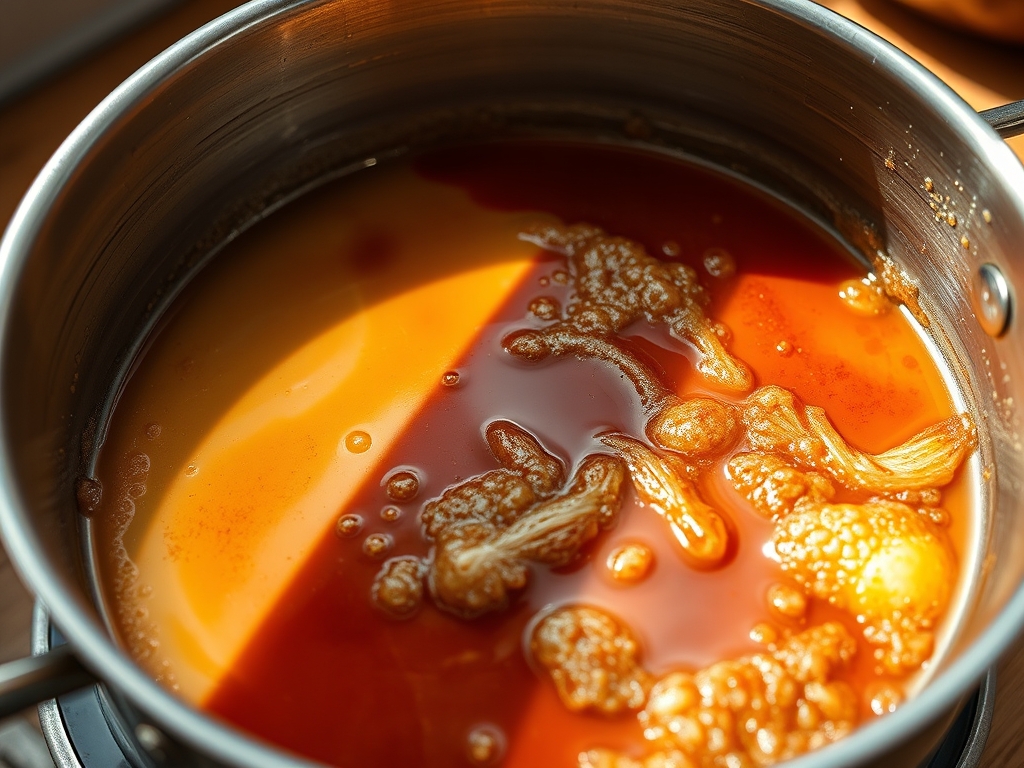
Look closely at the Masterclass photo. You should see a clear, translucent amber glow with no visible cloudiness. If your honey looks opaque or has a "snowflake" pattern against the glass, crystallization has begun. This is a physical change, not a chemical spoilage. If you see a layer of white foam on top, this is a sign of aeration or slight fermentation. You can scrape the foam off with a warm spoon. If the honey has turned a very dark brown, it may have undergone a slow Maillard reaction due to being stored in a spot that is too warm. While still edible, the flavor will be more metallic and less floral.
THE DEEP DIVE
Macro Nutrition Profile:
Honey is a dense carbohydrate source, primarily consisting of fructose and glucose. A standard 20g serving contains approximately 60 calories, 17g of sugar, and 0g of fat or protein. It contains trace amounts of potassium, magnesium, and antioxidants which vary based on the floral source.
Dietary Swaps:
- Vegan: Substitute with agave nectar or maple syrup, though these have higher water content and lower viscosity.
- Keto: Honey is not keto-friendly. Use a monk fruit or allulose-based syrup for a similar texture without the glycemic impact.
- GF: Pure honey is naturally gluten-free; always check for cross-contamination in flavored varieties.
Meal Prep & Reheating Science:
To maintain the molecular structure during reheating, always use indirect heat. If you need to deglaze a pan with a honey-based sauce, add the honey at the very end of the cooking process. High heat for extended periods will cause the sugars to polymerize, resulting in a sticky, tacky texture that loses its silkiness.
THE KITCHEN TABLE
Why did my honey turn into a solid block?
This is crystallization. Glucose separates from the water and forms crystals. It is a sign of high-quality, undiluted honey. Simply place the jar in a warm water bath to return it to a liquid state.
Can I store honey in the refrigerator?
Absolutely not. Cold temperatures actually accelerate the crystallization process. The ideal environment is a cool, dark pantry between 10 and 20 degrees Celsius. Keep it away from direct sunlight to prevent UV degradation.
Is the white foam on top dangerous?
Usually, no. It is often just trapped air bubbles that rose to the top. However, if it smells like bread or alcohol, it is a sign of fermentation due to moisture contamination, and it should be discarded.
How long does honey actually last?
If sealed in a non-porous glass container and kept away from moisture, honey has no expiration date. It is one of the few foods that is truly shelf-stable for decades, or even centuries.
What is the best way to drizzle honey without a mess?
Use a dedicated honey dipper or a warmed metal spoon. The heat from the spoon slightly thins the honey at the point of contact, allowing for a cleaner break in the stream and preventing long, sticky threads.