Imagine a world where the dairy supply chain is not tethered to the ticking clock of pasteurization or the fragile logistics of the cold chain. We are diving headfirst into the molecular architecture of the pantry. Forget the thin, watery ghosts of non-fat dry milk you remember from childhood. We are talking about high-performance Powdered Milk Solutions that act as the backbone for the most decadent, viscous sauces and velvety confections imaginable. This is about the infrastructure of flavor. When you reconstitute these fine particulates, you are not just adding water; you are engineering a calcium suspension that defies the standard limitations of fresh dairy. The smell of toasted milk solids hitting a hot saucier is nothing short of intoxicating. It is a concentrated blast of Maillard-driven sweetness that can infuse a dish with a depth of character that fresh cream simply cannot match. We are building a culinary foundation that is stable, scalable, and scientifically superior. Strap in, because we are about to audit your kitchen infrastructure from the ground up.
THE DATA MATRIX
| Metric | Specification |
|---|---|
| Prep Time | 10 Minutes |
| Execution Time | 25 Minutes |
| Yield | 1 Liter / 4.2 Cups |
| Complexity (1-10) | 4 |
| Estimated Cost per Serving | $0.45 |
THE GATHERS
Ingredient Protocol:
- 250g / 2 cups High-Fat Powdered Milk Solutions (Full Cream)
- 750ml / 3 cups Filtered Water (Heated to 45C / 113F)
- 50g / 3.5 tbsp Unsalted European Butter
- 5g / 1 tsp Fine Sea Salt
- 2g / 0.5 tsp Xanthan Gum (Optional for extreme viscosity)
Section A: Ingredient Quality Audit:
If your powder smells like old cardboard, the lipids have oxidized. There is no recovery for rancid fats; discard and source nitrogen-flushed packaging. If the powder clumps instantly upon contact with water, your mineral content in the water is too high. Use filtered water to ensure the proteins can aerate and hydrate properly. If the final result feels "gritty," you have likely used a low-heat spray-dried powder intended for industrial baking rather than a premium instantized version. To fix this, pass the mixture through a fine-mesh chinois or increase the shear force using a high-speed immersion blender.
THE MASTERCLASS
1. Thermal Priming of the Solvent
Begin by heating your filtered water in a heavy-bottomed saucier. You are aiming for a precise window between 40C and 50C. This temperature range is the "sweet spot" for protein solubility without causing premature denaturation.
Pro Tip: Use a digital scale to measure your water by weight rather than volume. Water density changes with temperature; weight remains the absolute truth in a professional kitchen environment.
2. The High-Shear Incorporation
Slowly rain the Powdered Milk Solutions into the warm water while constantly whisking. Do not dump the powder in all at once, or you will create "fish eyes," which are dry pockets of powder encapsulated by a hydrated protein shell.
Pro Tip: For a truly professional emulsion, use an immersion blender. The mechanical shear force breaks down the fat globules to a micron level, ensuring a silky mouthfeel that mimics heavy cream.
3. Lipid Enrichment and Rendering
Once the suspension is stable, whisk in the cold, cubed butter. This process, known as mounting with butter, adds a layer of fresh dairy fat that rounds out the flavor profile of the reconstituted base.
Pro Tip: Keep the butter cold until the moment of incorporation. This allows the fat to render slowly into the suspension, creating a more stable emulsion than if you were to use melted butter.
4. Flavor Infusion and Final Reduction
Bring the mixture to a gentle simmer over medium-low heat. Add your sea salt and any aromatics you wish to infuse. Let the mixture reduce by 10 percent to concentrate the lactose and proteins.
Pro Tip: Use a silicone spatula or a bench scraper to constantly clear the bottom of the pan. Milk solids are prone to scorching; even a micro-layer of burnt protein will ruin the entire batch.
Section B: Prep & Timing Fault-Lines:
The most common failure is the "Boil Over." Milk proteins create a resilient foam that traps steam; if you lose focus for ten seconds, you will have a pressurized mess on your range. Control your BTUs. If the mixture separates, it is likely due to acid contamination or extreme heat. If you see "curling" at the edges, immediately remove from heat and whisk in a tablespoon of cold water to drop the temperature and stabilize the suspension.
THE VISUAL SPECTRUM
Section C: Thermal & Visual Troubleshooting:
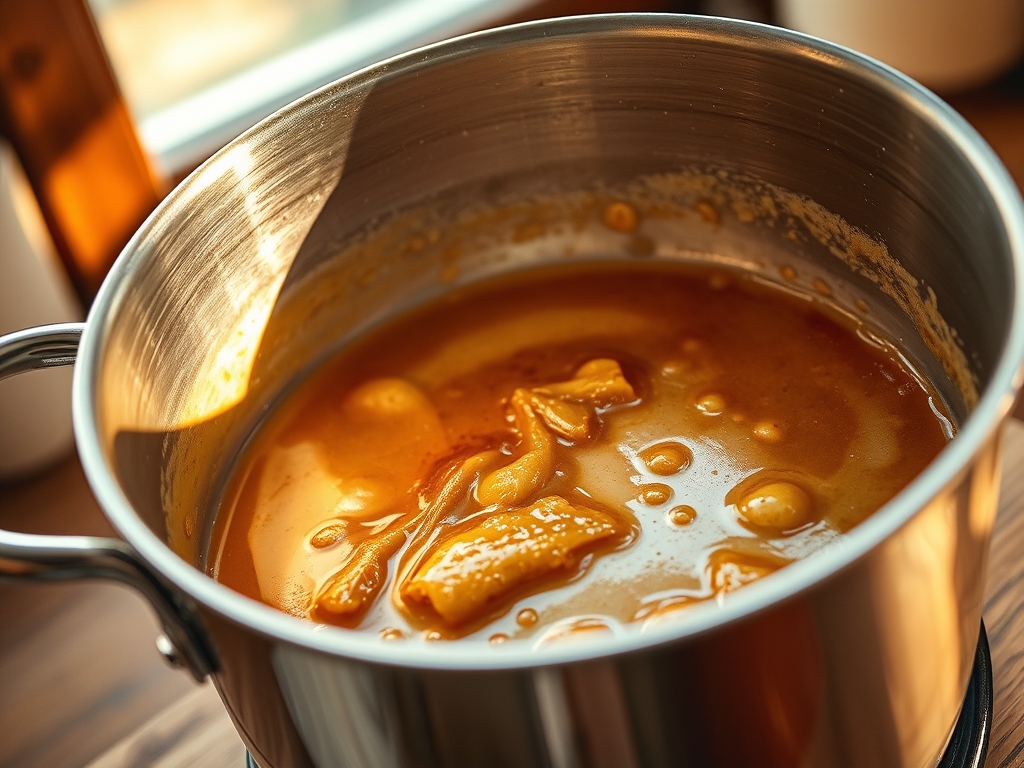
Look at the Masterclass photo above. Notice the "sheen" on the surface; this indicates a successful lipid emulsion. If your liquid looks matte or dull, you lack sufficient fat or the emulsion has broken. The color should be a warm ivory, not a stark, clinical white. A stark white color suggests under-hydration of the solids. If you see brown flecks, you have scorched the bottom; do not scrape the pan, just pour the "clean" liquid into a new vessel. The texture should coat the back of a spoon (nappe) and hold a clear line when a finger is swiped through it.
THE DEEP DIVE
Macro Nutrition Profile:
Per 250ml serving, this reconstituted solution provides approximately 180 calories, 9g of protein, 12g of carbohydrates (primarily lactose), and 10g of fat. It is a dense, nutrient-rich base designed for high-performance culinary applications where caloric density is a requirement rather than a deterrent.
Dietary Swaps:
- Vegan: Replace the milk powder with a high-fat coconut or oat milk powder and use vegan buttery sticks.
- Keto: Utilize a heavy cream powder with zero added sugars and increase the butter ratio to boost fat macros.
- GF: Naturally gluten-free, but ensure your powder source is certified to avoid cross-contamination in the drying facility.
Meal Prep & Reheating Science:
To maintain the molecular structure during storage, cool the liquid rapidly in an ice bath before refrigerating. This prevents the growth of thermophilic bacteria. When reheating, avoid the microwave, which creates localized hot spots that can "pop" the protein bonds. Reheat gently in a saucier over low heat, whisking constantly to re-incorporate any fats that may have surfaced during cooling.
THE KITCHEN TABLE
Why does my reconstituted milk taste cooked?
The spray-drying process involves heat, which creates Maillard reactions. This "cooked" flavor is a feature, not a bug. Use it to enhance savory sauces or deeply flavored desserts where a caramelized note is desired.
Can I use this for latte art?
Absolutely. The high protein-to-fat ratio in professional Powdered Milk Solutions allows for incredibly stable micro-foam. Ensure you use the immersion blender technique to ensure no particulates clog your steam wand.
Is it shelf-stable after mixing?
Negative. Once you introduce water, the biological clock starts ticking. Treat this exactly like fresh dairy. Store in the coldest part of your refrigerator and consume within four to five days for optimal safety.
How do I prevent a skin from forming?
A "skin" is just dehydrated protein and fat. To prevent this, place a piece of plastic wrap or parchment paper directly on the surface of the liquid while it cools to eliminate air contact.