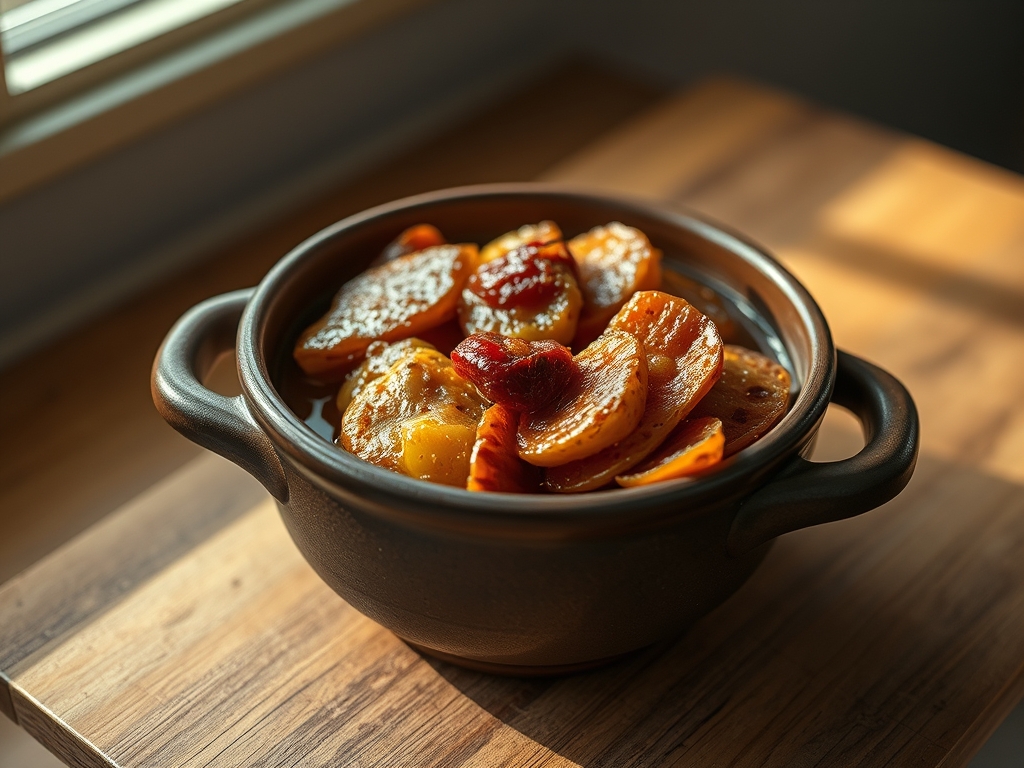
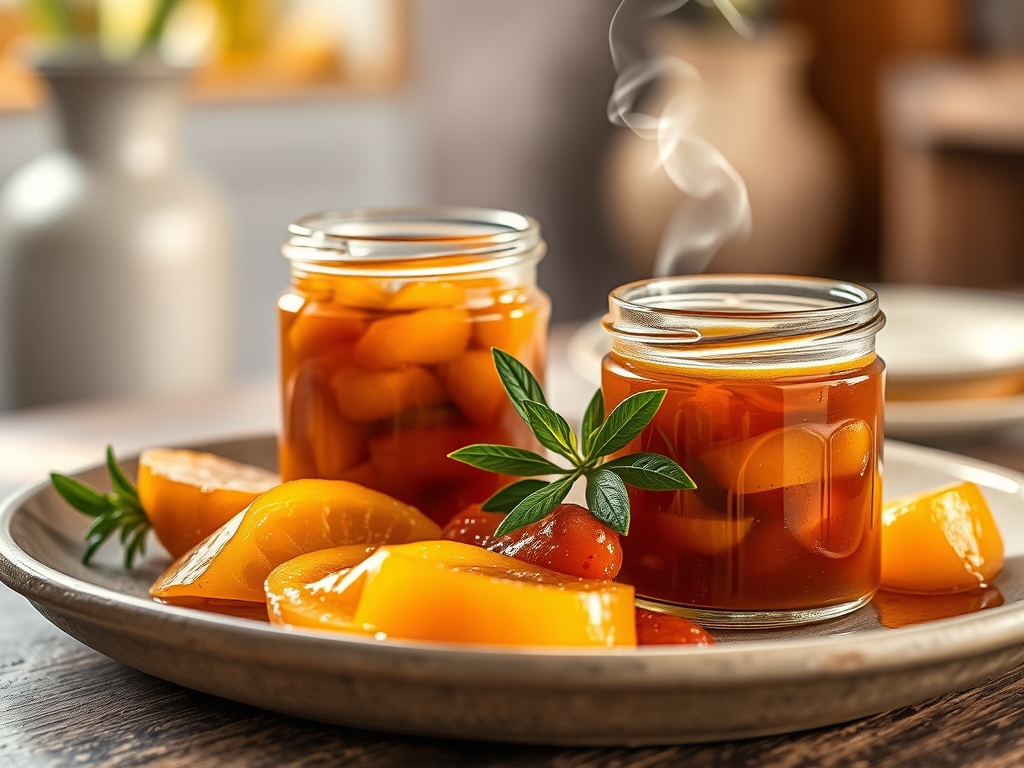
The viscous hum of a commercial kitchen at midnight is the sound of sugar finding its final form. We are not just talking about liquid candy here; we are discussing the structural integrity of Canned Fruit Syrups. Imagine the piquant snap of a preserved apricot or the deep, ruby infusion of a cherry suspended in a shimmering medium that defies bacterial invasion. This is where high-level chemistry meets the pantry shelf. When you crack open a jar, you are witnessing a delicate fructose acid equilibrium that has been engineered to withstand the test of time. The syrup is the bodyguard of the fruit. It prevents cellular collapse and locks in the vibrant aromatics that would otherwise dissipate into the ether. If your syrup is thin, watery, or cloyingly flat, your preservation security is compromised. We are here to audit your process, tighten your Brix levels, and ensure that every drop of liquid gold in your cellar is a masterclass in molecular stability and flavor density.
THE DATA MATRIX
| Metric | Specification |
|---|---|
| Prep Time | 20 Minutes |
| Execution Time | 45 Minutes |
| Yield | 1.5 Liters / 6 Cups |
| Complexity (1-10) | 4 |
| Estimated Cost per Serving | $0.45 |
THE GATHERS
Ingredient Protocol:
- 1.2 kg / 6 cups Granulated White Sugar (High Purity)
- 1.4 liters / 6 cups Filtered Water
- 15 ml / 1 tbsp Citric Acid Powder (The Acid Guard)
- 5 ml / 1 tsp Ascorbic Acid (Vitamin C for color retention)
- 2 Whole Vanilla Beans (Split and scraped for infusion)
- 10 grams / 2 tsp Calcium Chloride (Optional for firming fruit texture)
Section A: Ingredient Quality Audit:
If your sugar contains excessive impurities, you will notice a cloudy precipitate forming during the boil. Always use ultra-fine granulated sugar to ensure a clean render. If your water source is "hard" or high in mineral content, it can react with the fruit acids and create a metallic aftertaste. Use filtered or distilled water to maintain a neutral canvas. If the fruit you are preserving is overripe, the natural pectin will break down too quickly; compensate by adding a pinch of calcium chloride to the syrup to reinforce the cellular walls of the produce.
THE MASTERCLASS
Step-by-Step Execution:
1. The Aqueous Foundation
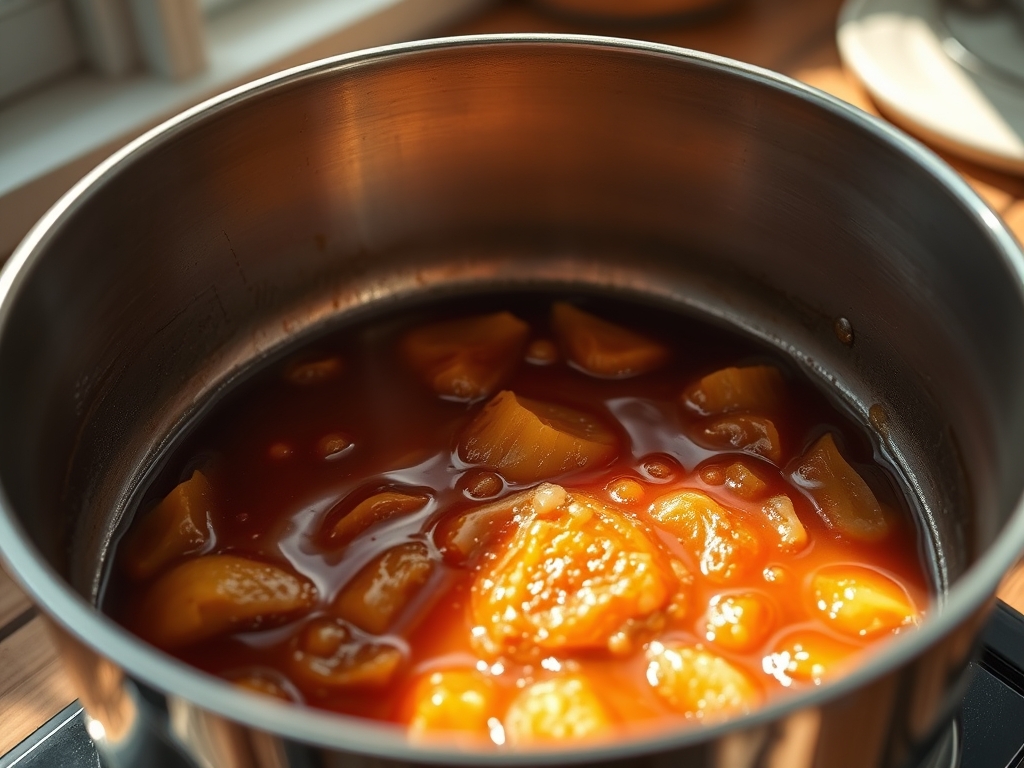
Combine your filtered water and granulated sugar in a heavy-bottomed saucier. Place the vessel over medium-high heat. Use a silicone spatula to stir constantly until the crystals are fully dissolved. You are looking for total clarity before the mixture reaches a simmer.
Pro Tip: Use a digital scale to measure sugar by weight rather than volume. Sugar density varies by brand; weight ensures your Brix percentage (sugar concentration) is consistent every single time for shelf stability.
2. The Acidic Calibration
Once the solution is clear, whisk in the citric acid and ascorbic acid. This is the moment you establish the fructose acid equilibrium. These acids act as both flavor enhancers and microbial inhibitors.
Pro Tip: The ascorbic acid prevents enzymatic browning. By adding it now, you ensure that the syrup will infuse the fruit with a protective coating that keeps the colors vivid and prevents the "muddy" look often seen in amateur canning.
3. The Aromatic Infusion
Add the vanilla beans or any chosen botanicals to the simmering liquid. Lower the heat to maintain a gentle roll. You want to render the essential oils from the spices without scorching the delicate sugar molecules.
Pro Tip: Monitor the temperature with an infrared thermometer. You want to stay below the "thread stage" (104C / 220F) to keep the syrup fluid. If it gets too hot, the syrup will become too viscous and won't penetrate the fruit tissues properly.
4. The Clarification Sweep
As the syrup simmers, a fine foam may rise to the surface. Use a stainless steel skimmer or a bench scraper to gently move the foam to the side and remove it. This ensures the final product is crystal clear.
Pro Tip: Impurities in the foam can harbor bacteria. Removing them isn't just about aesthetics; it is about the long-term security of your sugar-based preservation. A clean syrup is a safe syrup.
Section B: Prep & Timing Fault-Lines:
The most common failure in syrup production is the "Thermal Shock" error. If you pour boiling syrup over cold fruit, the skins will split and the texture will turn to mush. Conversely, if the syrup is too cool, it won't create the necessary vacuum seal during the canning process. Aim for a "Hot Pack" temperature of 88C (190F). Use a digital probe thermometer to verify the core temperature of the syrup before it hits the jars. Timing is everything; if the syrup sits too long on the stove, evaporation will increase the sugar concentration, potentially leading to crystallization in the jar weeks later.
THE VISUAL SPECTRUM
Section C: Thermal & Visual Troubleshooting:
Look closely at the Masterclass photo. Notice the absolute clarity of the liquid and the lack of suspended solids. If your syrup appears amber or brown, you have inadvertently started a Maillard reaction or caramelization; this means your heat was too high. The syrup should be as clear as glass. If you see "clouding" at the bottom of the jar, your sugar was not fully dissolved, or the fruit was not washed thoroughly, leaving starch or debris behind. To fix a dull color, ensure your ascorbic acid levels are correct. If the fruit is floating at the top (Fruit Float), your syrup is too dense; next time, reduce the sugar-to-water ratio slightly to allow the fruit to stay submerged.
THE DEEP DIVE
Macro Nutrition Profile:
Canned fruit syrups are primarily a carbohydrate source. A standard 30ml serving contains approximately 60 calories, 15g of sugar, and negligible fat or protein. The primary value lies in the micronutrient preservation of the fruit itself.
Dietary Swaps:
- Vegan: This protocol is naturally vegan.
- Keto: Replace sugar with an Allulose or Erythritol blend. Note that these do not provide the same preservative security as sugar, so refrigeration is mandatory.
- GF: Naturally gluten-free.
Meal Prep & Reheating Science:
When reheating Canned Fruit Syrups for use in sauces or desserts, do so over low heat. Rapid boiling can cause the sugar to recrystallize. To maintain the molecular structure, add a teaspoon of corn syrup or honey; the glucose molecules prevent the sucrose from bonding into crystals, keeping the texture silky and viscous.
THE KITCHEN TABLE
Why is my syrup turning into jelly in the jar?
The fruit you used likely had high natural pectin levels. When combined with the high sugar content and heat, it triggered a gel set. Dilute your next batch with 10 percent more water to maintain a liquid state.
Can I reuse the syrup from a opened jar?
Absolutely. Strain it through a fine-mesh sieve and boil it for three minutes to ensure safety. It makes an incredible base for cocktails or a glaze for roasted meats when you deglaze the pan.
Is the vanilla bean necessary for preservation?
No, it is purely for flavor. However, the alcohol content in high-quality vanilla extract can slightly lower the freezing point, which is useful if you plan on using the syrup for frozen desserts or granitas.
My syrup is too thin. How do I fix it?
Simmer the syrup for an additional ten minutes to evaporate excess water. Use a digital scale to check the weight; you are aiming for a specific gravity that feels heavy on a spoon but still flows freely.