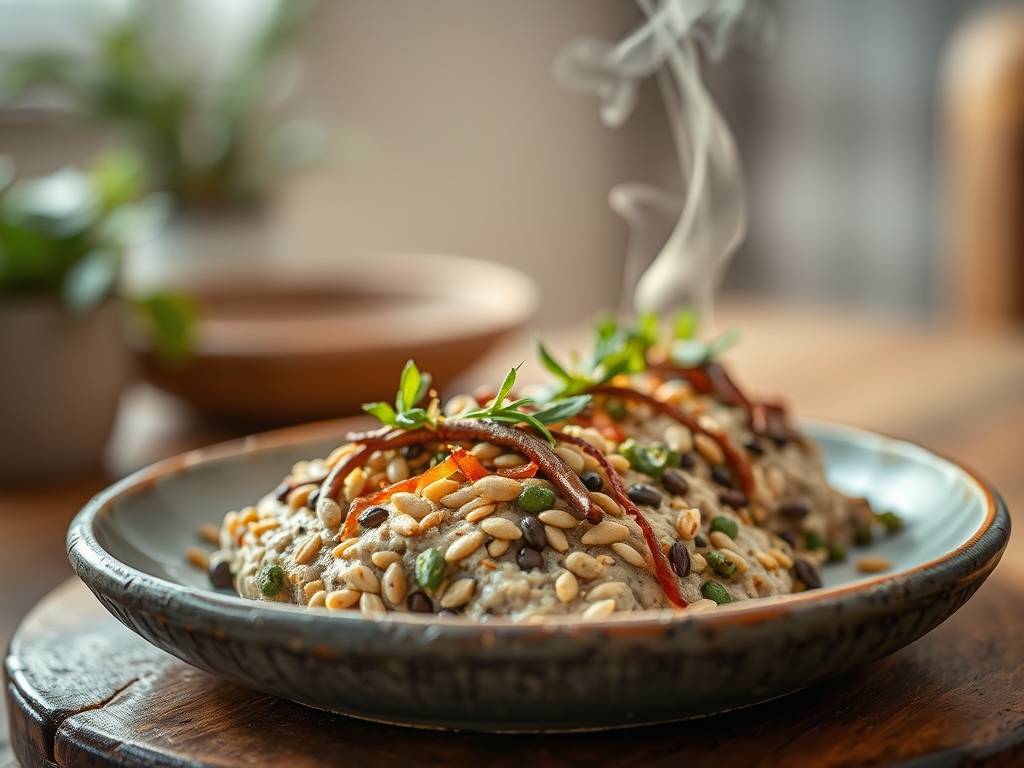
The kitchen is no longer a sanctuary; it is a high-velocity laboratory where seconds determine the bioavailability of your fuel. We are moving past the era of passive consumption into the realm of strategic nutrient extraction. Imagine a plate vibrating with the kinetic energy of life. This is the infrastructure of the emergency microgreen salad. When the body demands immediate cellular repair, you do not reach for a sedative carbohydrate. You reach for the concentrated power of Sprouted Seed Nutrients. These tiny botanical engines have undergone a massive metabolic shift, transforming dormant starches into a bioavailable explosion of enzymes and antioxidants. The aroma is sharp, clean, and earthy. It smells like the first rain on a dry field. The texture is a defiant crunch that gives way to a tender, chlorophyll-rich finish. We are not just making a salad; we are auditing the very foundation of your internal ecosystem. Every leaf is a data point. Every sprout is a localized victory against nutritional degradation. Let us begin the deployment.
THE DATA MATRIX
| Metric | Specification |
|---|---|
| Prep Time | 15 Minutes |
| Execution Time | 5 Minutes |
| Yield | 2 Servings |
| Complexity (1-10) | 4 |
| Estimated Cost per Serving | $4.50 USD |
THE GATHERS
Ingredient Protocol:
- Sprouted Seed Nutrients (Alfalfa, Radish, Broccoli): 150g / 3 cups
- Cold-Pressed Extra Virgin Olive Oil: 45ml / 3 tbsp
- Fresh Lemon Juice: 30ml / 2 tbsp
- Maldon Sea Salt: 2g / 0.5 tsp
- Black Peppercorns (freshly cracked): 1g / 0.25 tsp
- Toasted Sunflower Seeds: 30g / 0.25 cup
- Micro-planed Pecorino Romano: 20g / 3 tbsp
- Dijon Mustard: 5ml / 1 tsp
Section A: Ingredient Quality Audit:
If your microgreens appear wilted or display a viscous film, the cellular walls have collapsed due to improper moisture management. To fix this, perform a cold-shock immersion. Submerge the greens in ice water for three minutes to restore turgor pressure. If your olive oil lacks a piquant throat-burn, it has likely oxidized. Discard it. High-quality oil is a non-negotiable carrier for fat-soluble vitamins. If the lemon is dry, microwave it for ten seconds and roll it firmly on the counter to rupture the juice vesicles before slicing.
THE MASTERCLASS
1. The Emulsification Base
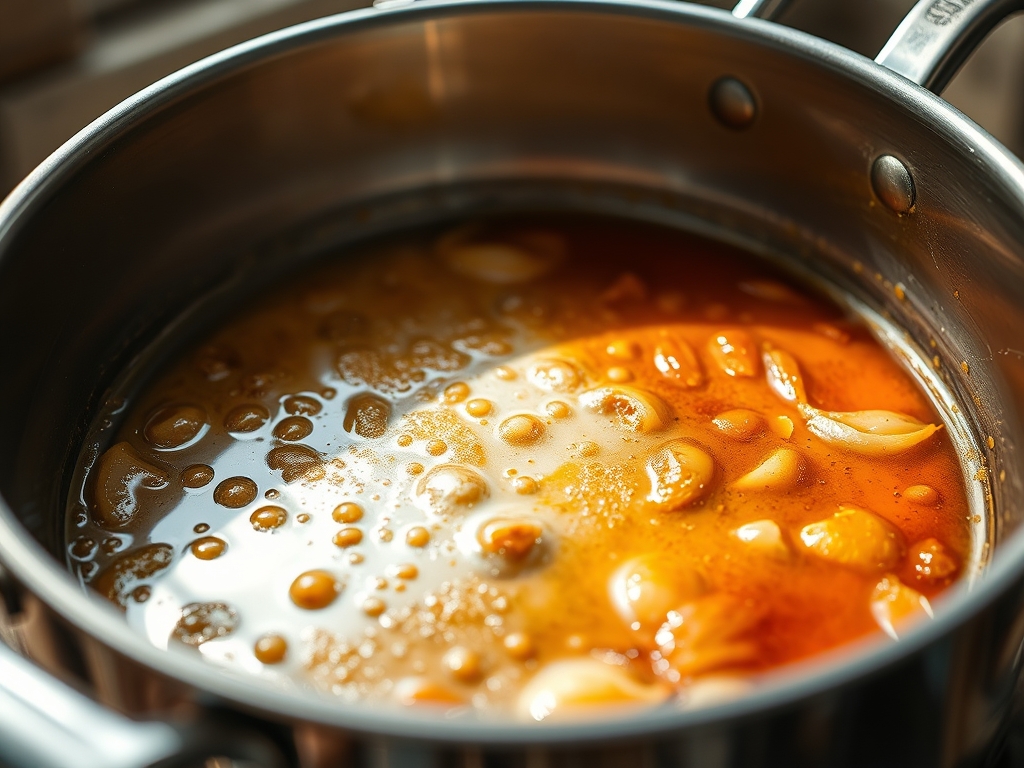
Begin by placing your Dijon mustard and lemon juice into a small stainless steel saucier. Slowly whisk in the olive oil to create a stable emulsion.
Pro Tip: Use a digital scale to ensure the 3:1 oil-to-acid ratio is exact. The science of emulsification relies on the mustard acting as a bridge between polar water molecules and non-polar fat molecules, creating a uniform suspension that coats the greens without weighing them down.
2. Aerating the Greens
Place the Sprouted Seed Nutrients into a large chilled mixing bowl. Use your hands to gently aerate the pile, ensuring there are no dense clumps.
Pro Tip: Professional chefs use a bench scraper to clean the workspace before this step to prevent cross-contamination. Aeration increases the surface area available for the dressing to adhere, ensuring every sprout delivers maximum flavor.
3. The Controlled Infusion
Drizzle the dressing over the greens in a circular motion. Use silicone tongs to toss the mixture with minimal mechanical stress.
Pro Tip: Do not over-work the greens. Excessive handling can render the delicate shoots bruised and limp. You want to infuse the greens with the dressing, not drown them. The goal is a light, shimmering coat that highlights the vibrant green hues.
4. The Structural Finish
Scatter the toasted sunflower seeds and Pecorino Romano over the top. Add the cracked pepper as the final aromatic layer.
Pro Tip: Use a micro-plane to shave the cheese. This creates a high surface-area-to-volume ratio, allowing the cheese to melt slightly upon contact with the acidic dressing, creating a savory "micro-sauce" on the palate.
Section B: Prep & Timing Fault-Lines:
The primary failure point in this protocol is the "Soggy Threshold." If you dress the greens more than five minutes before service, the salt will draw out internal moisture through osmosis, destroying the crisp texture. Always keep your components separate until the moment of consumption. Temperature is also a critical variable. Serving this on a warm plate will cause the greens to wilt instantly. Use chilled stoneware to maintain the structural integrity of the sprouts.
THE VISUAL SPECTRUM
Section C: Thermal & Visual Troubleshooting:
Look at the Masterclass photo. Notice the distinct separation of the individual sprouts and the way the light catches the oil. If your salad looks like a dark, matted heap, you have used too much dressing. If the colors appear dull, your acid balance is low; a final spritz of lemon can brighten the chlorophyll. If the sunflower seeds look pale, they have not been toasted long enough to trigger the Maillard reaction. Return them to a dry pan until they reach a golden-brown hue and emit a nutty aroma.
THE DEEP DIVE
Macro Nutrition Profile:
This dish is a micronutrient powerhouse. A single serving provides over 200% of your daily Vitamin K, essential for bone health and blood clotting. It is high in Vitamin C and sulforaphane, particularly if broccoli sprouts are used. The healthy fats from the olive oil and seeds ensure that these nutrients are actually absorbed by your system rather than passing through.
Dietary Swaps:
- Vegan: Replace the Pecorino Romano with nutritional yeast or a sprinkle of hemp hearts for a similar savory profile.
- Keto: This dish is naturally keto-friendly. Increase the sunflower seeds or add avocado to boost the fat macros.
- GF: Naturally gluten-free. Ensure your mustard is certified GF to avoid hidden thickeners.
Meal Prep & Reheating Science:
Do not reheat this dish. Heat will destroy the delicate enzymes and volatile oils that make Sprouted Seed Nutrients so effective. For meal prep, store the dry sprouts in a container lined with a dry paper towel. Store the dressing in a separate glass vial. Combine only at the point of ingestion to maintain the molecular structure of the plant cells.
THE KITCHEN TABLE
Can I grow these sprouts myself?
Absolutely. Use a wide-mouth glass jar with a mesh lid. Rinse the seeds twice daily and keep them in a cool, dark place until they reach the desired length. Ensure high airflow to prevent mold growth.
Why are my sprouts bitter?
Bitterness often results from over-maturation or heat stress during the sprouting process. If the sprouts are too sharp, balance the flavor with a small amount of honey or maple syrup added to the dressing emulsion.
What is the best way to wash microgreens?
Use a salad spinner. Submerge the greens in cold water, lift the basket out, and spin gently. This removes debris without crushing the fragile stems, ensuring a clean and crisp final product.
How long do these nutrients stay active?
Bioavailability peaks immediately after harvest. Once cut, the nutrients begin to degrade. For maximum impact, consume within three to five days of purchase or harvest, and always keep them refrigerated at 38 degrees Fahrenheit.