Imagine a glass jar shimmering under industrial kitchen lights; it is a pressurized vault of flavor where biology meets chemistry in a violent, delicious collision. We are not just talking about snacks; we are talking about the structural fortification of protein through the deliberate application of acetic acid. This is the realm of Pickled Eggs Data, a repository of culinary intelligence designed to transform the humble avian orb into a rubbery, tangy masterpiece of preservation. You can smell it before you see it: that piquant aroma that clears the sinuses and alerts the senses to a forthcoming salt and acid assault. For the modern culinary auditor, the pickled egg is the ultimate test of patience and osmotic pressure. It requires a perfect balance of pH levels to ensure the yolk remains creamy while the albumen achieves that signature snap. We are bypassing the soggy, flavorless versions found in dusty jars at roadside stops. Today, we execute a protocol that ensures every bite is infused with a complex brine, rendering the egg both a nutritional powerhouse and a sensory marvel.
THE DATA MATRIX
| Metric | Specification |
|---|---|
| Prep Time | 20 Minutes |
| Execution Time | 15 Minutes (Plus 72-hour Infusion) |
| Yield | 12 Large Eggs |
| Complexity (1-10) | 3 |
| Estimated Cost per Serving | $0.45 |
THE GATHERS
Ingredient Protocol:
- 12 Large Grade A Eggs (approx. 600g)
- 500ml / 2 cups White Distilled Vinegar (5% acidity)
- 250ml / 1 cup Filtered Water
- 150g / 3/4 cup Granulated Sugar
- 30g / 2 tbsp Kosher Salt
- 10g / 2 tsp Pickling Spice (mustard seed, coriander, peppercorns)
- 2 cloves / 10g Garlic (smashed)
- 1 small / 100g Red Onion (thinly sliced for color and bite)
- 1 medium / 150g Red Beet (peeled and sliced for the neon-magenta infusion)
Section A: Ingredient Quality Audit:
The primary failure point in this protocol is the age of the protein. While "farm fresh" is usually the gold standard, it is a nightmare for the peeling phase. Fresh eggs have a lower pH, causing the membrane to bond tightly to the shell. Use eggs that are at least 7 to 10 days old to ensure a clean release. If your vinegar smells "flat," check the acidity percentage. Anything below 5% acidity will fail to properly preserve the eggs and may lead to bacterial growth. If using beets for color, ensure they are raw and firm; pre-cooked or canned beets lack the concentrated betalain pigments required for that deep, neon saturation.
THE MASTERCLASS
1. Precision Thermal Processing
Place your eggs in a heavy-bottomed saucier and cover with cold water by at least one inch. Bring to a rolling boil, then immediately remove from heat and cover with a tight-fitting lid. Let them sit for exactly 11 minutes.
Pro Tip: This method uses residual heat to set the proteins without overcooking. A digital timer is non-negotiable here. Overcooking leads to the dreaded green sulfur ring around the yolk, which ruins the visual Pickled Eggs Data profile.
2. The Cryogenic Shock
Immediately transfer the eggs into an ice-water bath using a slotted spoon. Let them chill for at least 10 minutes until the internal temperature has stabilized.
Pro Tip: This rapid cooling causes the egg to contract slightly within the shell. The thermal shock creates a microscopic steam barrier that makes peeling effortless. Use a digital scale to ensure your ice-to-water ratio is sufficient to maintain a near-freezing environment.
3. Brine Synthesis and Infusion
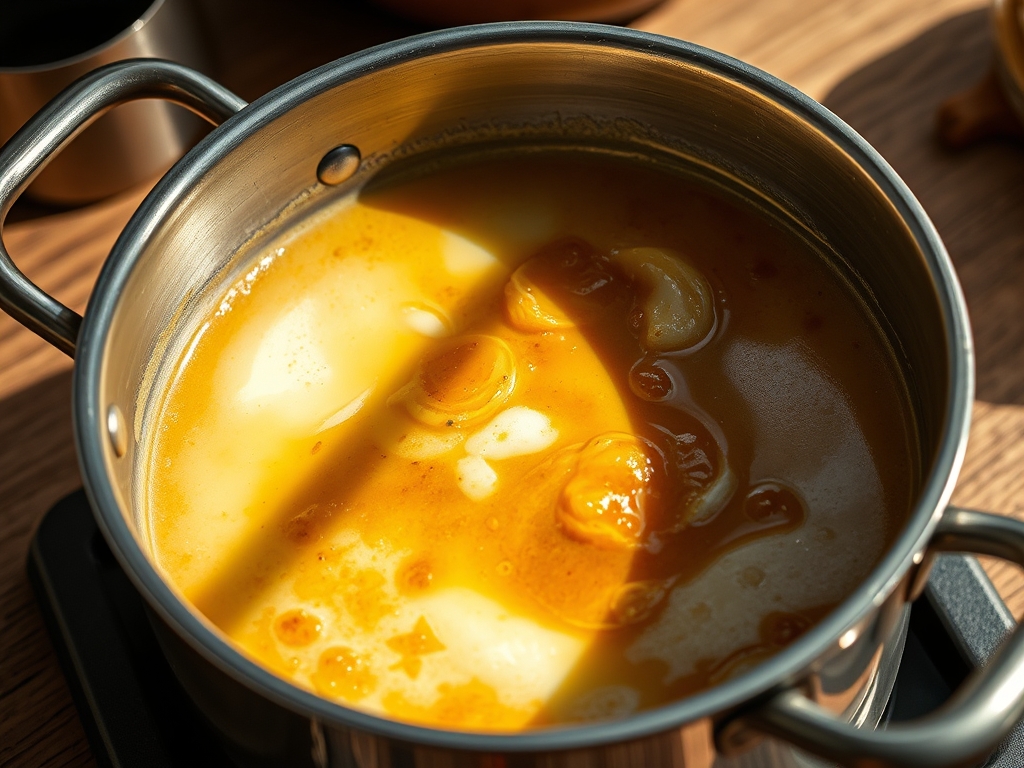
In a clean saucier, combine the vinegar, water, sugar, salt, and spices. Bring the mixture to a simmer over medium heat, stirring until the solids are fully dissolved. Add your beets and onions to the hot liquid to begin the extraction of color and aromatics.
Pro Tip: Heating the brine allows the spices to infuse their essential oils into the liquid. This creates a more viscous and flavorful medium. Avoid boiling the vinegar for too long, as acetic acid is volatile and will evaporate, altering your preservation pH.
4. Hermetic Encapsulation
Peel the eggs carefully and pack them into a sterilized glass jar. Pour the hot brine (including the beets and onions) over the eggs until they are completely submerged. Seal the jar and refrigerate immediately.
Pro Tip: Use a bench scraper to tidy your station after peeling. Ensure no shell fragments enter the jar. The hot brine helps the eggs absorb flavor faster through osmotic pressure, but the jar must be refrigerated to maintain safety protocols.
Section B: Prep & Timing Fault-Lines:
The most common human error is impatience. Attempting to consume the eggs before the 72-hour mark results in a "surface-only" pickle where the center remains bland. Conversely, leaving eggs in a beet-heavy brine for more than two weeks can result in a texture that is overly firm or "rubbery" as the acid continues to denature the proteins. Monitor your refrigeration temperature; it must remain below 40 degrees Fahrenheit (4 degrees Celsius) to prevent any microbial activity.
THE VISUAL SPECTRUM
Section C: Thermal & Visual Troubleshooting:
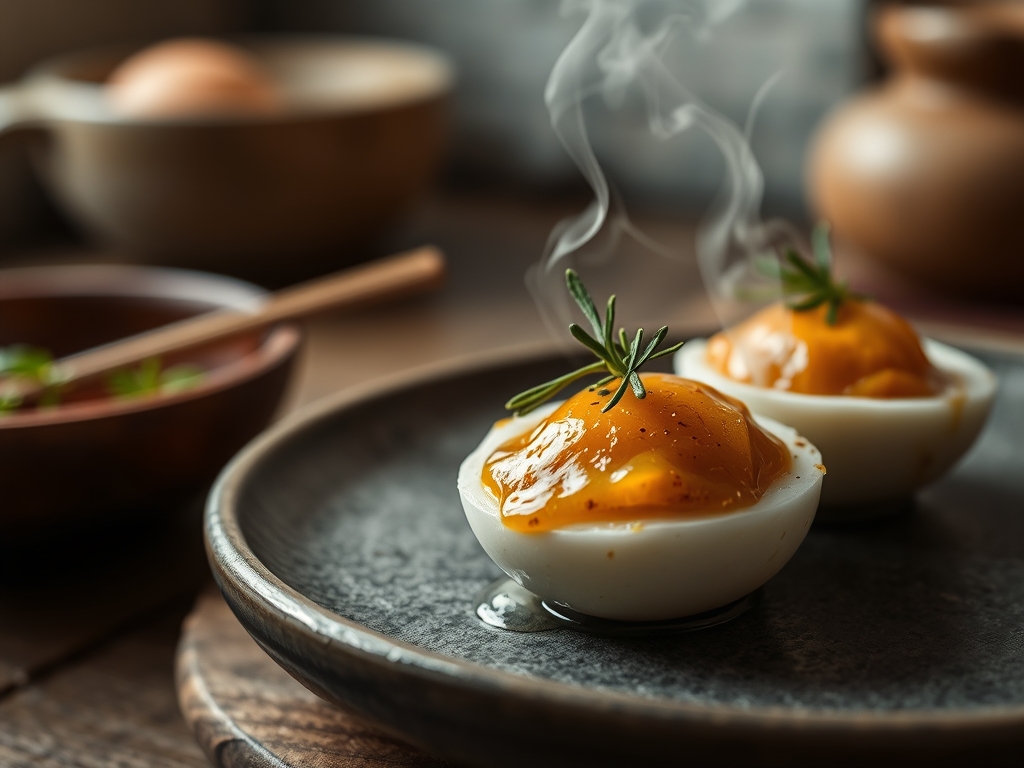
Referencing the Masterclass photo, your eggs should exhibit a vibrant, uniform magenta exterior with a stark, snowy white interior once sliced. If you notice uneven splotches of color, it means the eggs were packed too tightly in the jar, preventing the brine from circulating. If the whites appear dull or grey, your eggs were likely overcooked during the initial boiling phase. A "rubbery" texture indicates the acid concentration was too high or the eggs have sat in the brine for over 21 days. The yolk should remain centered and creamy; if it is offset, you failed to rotate the eggs during the first few minutes of the boil.
THE DEEP DIVE
Macro Nutrition Profile:
Each pickled egg provides approximately 78 calories, 6g of protein, 5g of fat, and 1g of carbohydrates. The addition of the brine increases sodium content significantly, so those on salt-restricted diets should consume with caution.
Dietary Swaps:
- Vegan: This is a protein-specific protocol; however, firm tofu blocks can be pickled using the same brine for a "Pickled Tofu" alternative.
- Keto: Eliminate the granulated sugar and replace it with a keto-friendly sweetener like erythritol or simply omit the sweetener entirely for a more savory profile.
- GF: This protocol is naturally gluten-free, provided your pickling spice blend does not contain anti-caking agents derived from grain.
Meal Prep & Reheating Science:
Pickled eggs are a "cold-chain" product. Do not attempt to reheat them, as high heat will cause the acetic acid to react violently with the proteins, resulting in a foul, rubbery texture and a pungent odor. They are best served sliced over avocado toast or as a standalone protein hit. To maintain molecular structure, always use a clean utensil to remove eggs from the jar; introducing bacteria from your hands will compromise the brine's stability.
THE KITCHEN TABLE
Why are my pickled eggs rubbery?
This usually occurs when eggs are left in the vinegar brine for too long. The acid continuously breaks down and tightens the protein structures. For the best texture, consume your eggs within 7 to 10 days of the initial soak.
Can I reuse the pickling brine?
Safety protocols dictate a "one and done" rule for brine. The eggs release moisture into the liquid, diluting the acid concentration. Reusing the brine risks a pH level that is too high to safely inhibit bacterial growth.
Do I have to use beets?
Not at all. Beets are primarily for the neon visual and a slight earthy sweetness. You can substitute turmeric for a bright yellow egg or simply use the clear brine for a traditional "pub-style" look.
How long do they last in the fridge?
Under ideal conditions (constant refrigeration at 40F), pickled eggs are safe for up to 3 to 4 weeks. However, for peak culinary quality and texture, the Pickled Eggs Data suggests a 14-day window is optimal.