Imagine your brain is a high performance server farm humming in a refrigerated basement. Now, imagine that the cooling system is failing and the circuits are beginning to oxidize. To prevent a total system crash, you need a chemical intervention that is as aesthetically stunning as it is biologically potent. Enter the world of Blueberry Anthocyanins. These pigmented powerhouses are more than just a vibrant hue for your morning bowl; they are the elite special forces of the antioxidant world. When you consume these flavonoid compounds, you are essentially deploying a repair crew to your neural pathways. We are not just making food here; we are engineering a cognitive shield. The deep, midnight violet of a perfectly reduced blueberry coulis is the visual evidence of high-density anthocyanin concentration. This is culinary infrastructure at its peak. We are going to harness these molecules through precise thermal application to ensure that every gram of fruit delivers maximum bioavailability. Prepare to audit your pantry and upgrade your internal hardware with this masterclass in functional gastronomy.
THE DATA MATRIX
| Metric | Value |
|---|---|
| Prep Time | 15 Minutes |
| Execution Time | 25 Minutes |
| Yield | 4 Servings |
| Complexity (1-10) | 4 |
| Estimated Cost per Serving | $3.25 |
THE GATHERS
Ingredient Protocol:
- 500g / 3 cups Fresh or Flash-Frozen Wild Blueberries (High Density)
- 60ml / 4 tbsp Grade A Maple Syrup or Agave
- 15ml / 1 tbsp Freshly Squeezed Lemon Juice
- 2g / 0.5 tsp Xanthan Gum (Optional for viscosity)
- 5ml / 1 tsp Pure Vanilla Bean Paste
- 1g / 0.25 tsp Fine Sea Salt
- 120ml / 0.5 cup Filtered Water (Adjust for desired consistency)
Section A: Ingredient Quality Audit:
If your raw materials lack the punch required for a high-yield antioxidant load, you must intervene. Sub-par blueberries often suffer from high water content and low sugar levels, leading to a diluted flavor profile. To fix this, do not simply add more sugar. Instead, macerate the berries in the lemon juice and salt for ten minutes before applying heat. This draws out the juices and concentrates the Blueberry Anthocyanins through osmotic pressure. If using frozen berries, ensure they have not suffered from freezer burn; ice crystals indicate cellular rupture which can lead to a grainy texture. A quick rinse in cold water can remove surface ice and prevent the final sauce from becoming overly watery.
THE MASTERCLASS
Step 1: The Thermal Initiation
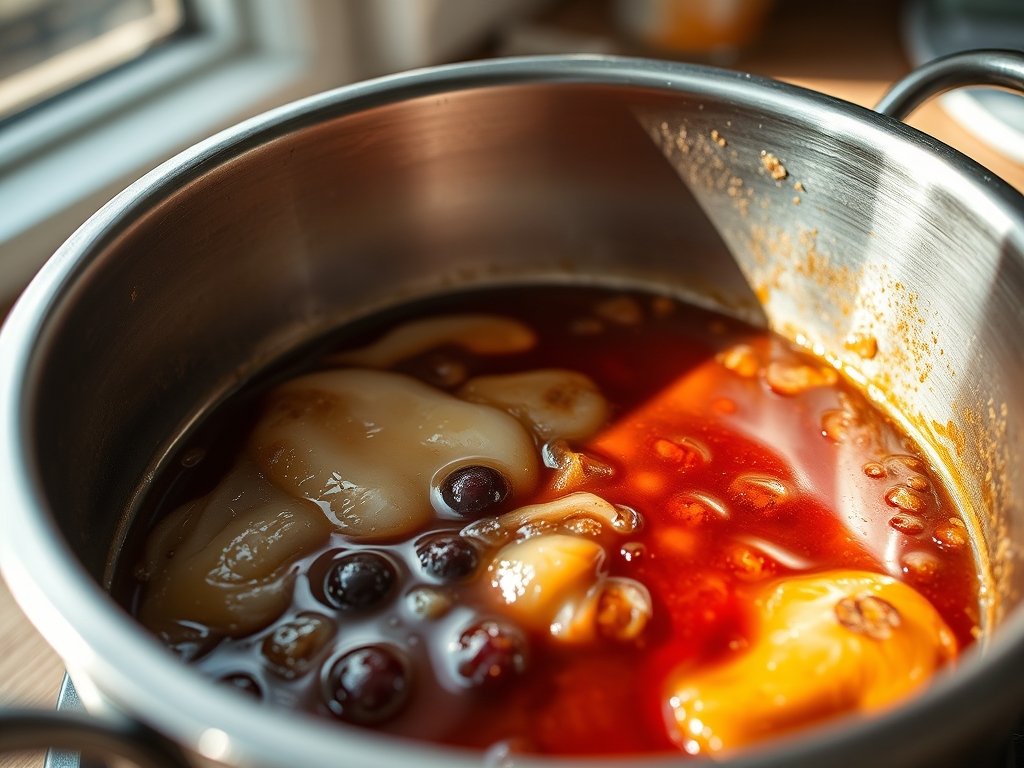
Place your berries and filtered water into a stainless steel saucier. Using a digital scale, ensure your measurements are exact to maintain the ratio of solids to liquids. Set the heat to medium-low. You want to gently infuse the liquid with the berry essence without scorching the delicate skins.
Pro Tip: Low and slow is the mantra for anthocyanin stability. High heat can cause the molecular structure of the antioxidants to degrade. By keeping the temperature below a rolling boil, you preserve the bioactive integrity of the fruit.
Step 2: The Mashing and Aeration
As the berries begin to soften and the skins lose their tension, use a bench scraper or a stiff silicone spatula to press the fruit against the side of the pan. You want to aerate the mixture slightly as you stir to encourage even heat distribution.
Pro Tip: Breaking the skins is essential for releasing the concentrated pigments into the surrounding liquid. This creates a viscous suspension where the nutrients are evenly distributed rather than locked inside the fibrous pulp.
Step 3: The Acidic Stabilization
Whisk in the lemon juice and maple syrup. The introduction of citric acid does more than provide a piquant counterpoint to the sweetness; it acts as a pH stabilizer. You will notice the color shift from a muddy purple to a vibrant, electric violet.
Pro Tip: Anthocyanins are pH sensitive. The addition of acid shifts the pigment toward the red/purple end of the spectrum and prevents the "browning" effect that occurs when fruit is oxidized. This ensures your final product looks as potent as it actually is.
Step 4: The Final Reduction and Emulsification
If the sauce is too thin, sprinkle a tiny amount of xanthan gum over the surface while whisking vigorously. Continue to simmer until the sauce coats the back of a spoon. Remove from heat and stir in the vanilla bean paste.
Pro Tip: Using a digital thermometer, ensure the sauce does not exceed 190 degrees Fahrenheit during this phase. This preserves the aromatic compounds in the vanilla and prevents the syrup from becoming "jammy" or overly caramelized.
Section B: Prep & Timing Fault-Lines:
The most common failure in this protocol is the "Thermal Overrun." If you leave the sauce on the heat for too long, the water evaporates too quickly, leading to a sticky, scorched mess that lacks the bright acidity of fresh berries. If you see the edges of the pan turning a dark, crusty brown, you have moved past reduction and into uncontrolled caramelization. To fix this, immediately deglaze the pan with a tablespoon of water or juice and remove it from the heat source. Another timing error is adding the vanilla too early; the heat will evaporate the alcohol base and kill the nuanced flavor. Always add aromatics as the final step of the cooling process.
THE VISUAL SPECTRUM
Section C: Thermal & Visual Troubleshooting:
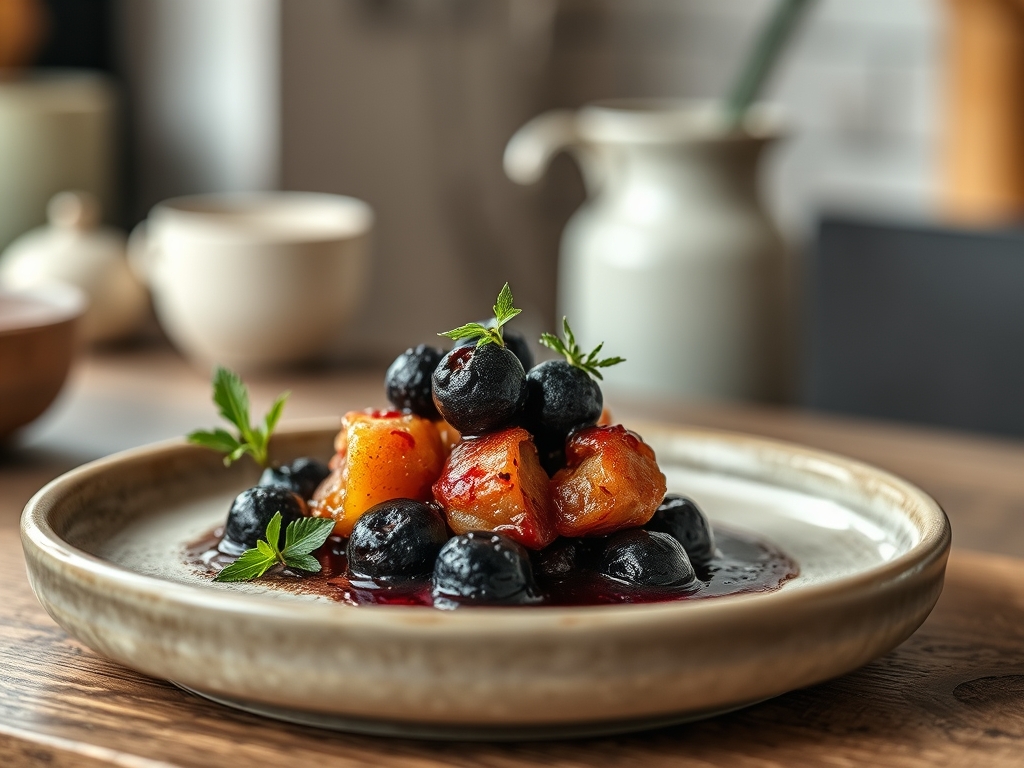
Look closely at the Masterclass photo. You should see a deep, glossy sheen and a texture that is smooth but retains some structural integrity of the fruit. If your sauce appears dull or matte, you likely lacked enough sugar or acid to create a proper glaze. If the color is leaning toward a grey or blue-green tint, your water may be too alkaline; a tiny pinch of extra lemon juice will snap the color back to a vibrant purple. If the texture is "snotty" rather than viscous, you have overused the xanthan gum. You can salvage this by adding a small amount of warm water and whisking until the consistency thins out to a pourable state.
THE DEEP DIVE
Macro Nutrition Profile:
A single serving of this anthocyanin-rich reduction contains approximately 85 calories, 0g fat, 21g carbohydrates (with 4g of dietary fiber), and 1g of protein. The primary value, however, is the micro-nutrient density, specifically the high levels of Vitamin C, Vitamin K, and manganese.
Dietary Swaps:
For a Keto version, replace the maple syrup with an allulose or erythritol-based syrup. For a Vegan application, ensure your sugar source is bone-char free. This recipe is naturally Gluten-Free, provided your thickener is certified.
Meal Prep & Reheating Science:
To maintain the molecular structure, store the sauce in an airtight glass container. Avoid plastic, as the pigments can stain and the acids can leach chemicals. When reheating, do not use a microwave; the uneven heating creates "hot spots" that destroy antioxidants. Instead, use a small saucepan over low heat and add a teaspoon of water to restore the original viscosity.
THE KITCHEN TABLE
How do I know if my blueberries are high in anthocyanins?
Look for "Wild" varieties. They are smaller and have a higher skin-to-pulp ratio. Since the pigment is concentrated in the skin, smaller berries provide a significantly higher antioxidant load per gram than large, cultivated varieties.
Can I use a blender for a smoother texture?
Yes, but do so after the cooking process. Blending raw berries introduces too much oxygen, which can lead to rapid oxidation. For a professional finish, pass the cooked sauce through a fine-mesh sieve to remove all solids.
Why did my sauce turn green when I added it to pancakes?
This is a classic pH reaction. Many pancake batters contain baking soda, which is alkaline. When the acidic Blueberry Anthocyanins hit the alkaline batter, they shift color. Add more lemon juice to your sauce to prevent this.
Is it better to use fresh or frozen berries?
Flash-frozen berries are often superior. They are picked at peak ripeness and frozen immediately, locking in the nutrient profile. Fresh berries in the supermarket may have been sitting in transport for weeks, slowly losing their molecular potency.