Forget the tepid, watery lattes of your local chain cafe. We are moving beyond the realm of basic beverages and into the territory of high-performance molecular engineering. To master Turmeric Golden Milk is to understand the precise intersection of lipid-solubility and bioavailability. We are not just making a drink; we are constructing a bio-available delivery system for curcumin, the powerhouse polyphenol that demands a specific chemical environment to function. Without the correct heat profile and the presence of piperine, you are merely drinking yellow water. We want a brew that is viscous, deeply aromatic, and structurally sound. Imagine the scent of earthy turmeric meeting the sharp, piquant bite of fresh ginger, all suspended in a creamy emulsion that coats the palate like liquid velvet. This is a technical audit of your morning ritual. We are here to optimize the extraction process, ensure the micellization of fats, and produce a gold-standard elixir that defies the inflammatory markers of modern life. Strap in; the audit begins now.
THE DATA MATRIX
| Metric | Specification |
|---|---|
| Prep Time | 5 Minutes |
| Execution Time | 10 Minutes |
| Yield | 2 Servings |
| Complexity | 3 / 10 |
| Estimated Cost per Serving | $1.15 |
THE GATHERS
Ingredient Protocol:
- Whole Milk or Coconut Milk: 500ml / 2 cups
- Fresh Turmeric Root (Grated): 15g / 1 tbsp
- Fresh Ginger Root (Grated): 10g / 2 tsp
- Black Peppercorns (Freshly Cracked): 2g / 0.5 tsp
- Ceylon Cinnamon Stick: 1 unit / 3 inches
- Raw Honey or Maple Syrup: 15ml / 1 tbsp
- Virgin Coconut Oil or Ghee: 5ml / 1 tsp
- Star Anise: 1 unit (Optional for depth)
Section A: Ingredient Quality Audit:
The primary failure point in most Turmeric Golden Milk formulations is the use of stale, pre-ground spices. Curcumin content degrades rapidly when exposed to light and oxygen. If your turmeric powder looks dull or smells like dusty cardboard, your anti-inflammatory potential is effectively zero. Technical Fix: Source fresh rhizomes. If you must use powder, ensure it is organic and high-curcumin grade. Another common error is the omission of fat. Curcumin is hydrophobic; it requires a lipid carrier to pass through the intestinal wall. If your milk is skim or fat-free, you must add the coconut oil or ghee to facilitate transport. Finally, never skip the black pepper. The piperine in pepper inhibits the metabolic pathway that would otherwise eliminate curcumin before it can be absorbed.
THE MASTERCLASS
Step-by-Step Execution:
1. The Rhizome Preparation
Utilize a digital scale to measure your fresh turmeric and ginger. Peel the skin using the edge of a spoon to minimize waste, then grate the roots into a fine paste. This maximizes the surface area for extraction.
Pro Tip: Using a microplane ensures the fibers are broken down sufficiently to infuse the liquid without leaving large, woody chunks that disrupt the mouthfeel.
2. The Lipid and Spice Activation
Place your saucier over medium-low heat. Add the coconut oil or ghee along with the grated turmeric, ginger, and cracked black pepper. Sauté for 60 seconds until the aroma becomes fragrant.
Pro Tip: Sautéing the spices in fat before adding liquid triggers a mild Maillard reaction in the aromatics and begins the process of dissolving the curcumin into the lipid phase.
3. The Liquid Integration
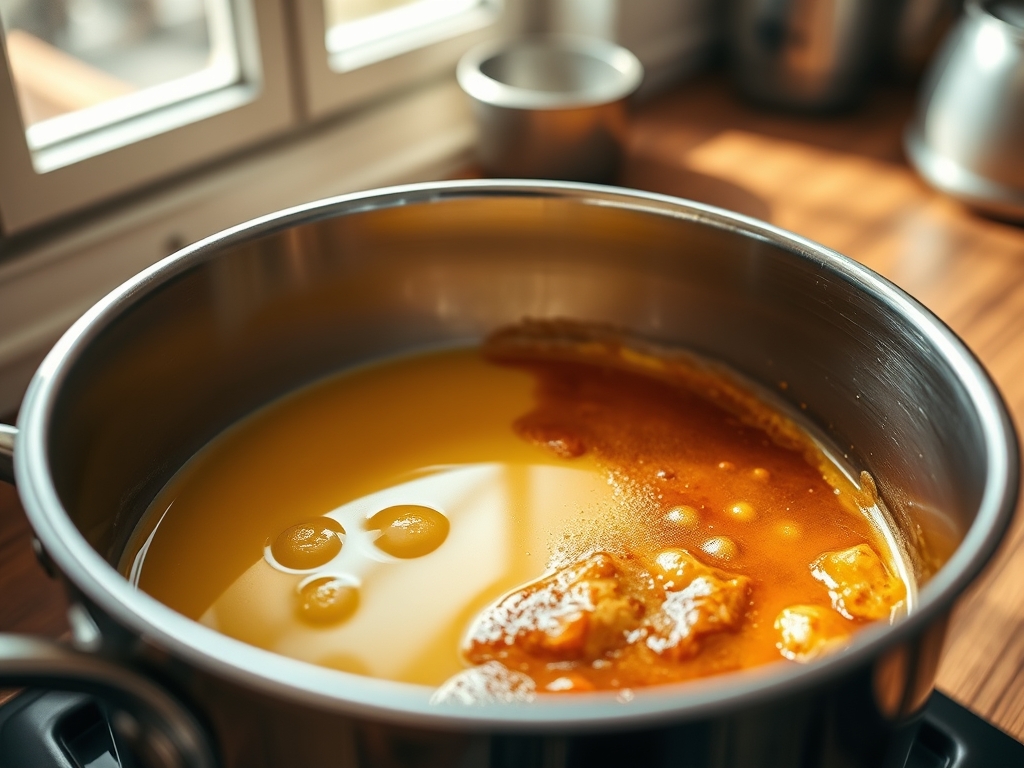
Slowly pour the milk into the saucier while using a silicone whisk to deglaze the bottom of the pan. Add the cinnamon stick and star anise. Bring the mixture to a gentle simmer, but do not allow it to reach a rolling boil.
Pro Tip: Maintaining a temperature between 160F and 175F prevents the proteins in the milk from denaturing and forming a skin, while still providing enough thermal energy to extract the essential oils from the spices.
4. The Infusion Phase
Reduce heat to the lowest setting. Allow the mixture to steep for 7 to 10 minutes. Use a bench scraper to tidy your station during this downtime. The liquid should transform from a pale yellow to a deep, vibrant ochre.
Pro Tip: This sustained heat is critical for breaking down the cellular walls of the ginger and turmeric, ensuring the bioavailability of the active compounds is maximized.
5. The Final Aeration
Remove the cinnamon stick and star anise. Pour the mixture through a fine-mesh strainer into a carafe. Use a handheld milk frother to aerate the liquid for 30 seconds until a thick foam forms on the surface.
Pro Tip: Aeration introduces tiny air bubbles that lighten the density of the drink, making the heavy fats feel more palatable and creating a professional, latte-like texture.
Section B: Prep & Timing Fault-Lines:
The most frequent timing error is the "Flash Boil." High heat destroys the delicate volatile oils in the ginger and can cause the milk to "break," resulting in a grainy texture. If you see large bubbles or a skin forming, you have exceeded the thermal threshold. Technical Fix: Use a digital thermometer to monitor the liquid. If it hits 180F, remove it from the heat immediately. Another fault-line is the "Short Steep." If you only heat the milk for 2 minutes, the piperine will not have sufficient time to interact with the curcumin, rendering the medicinal benefits negligible.
THE VISUAL SPECTRUM
Section C: Thermal & Visual Troubleshooting:
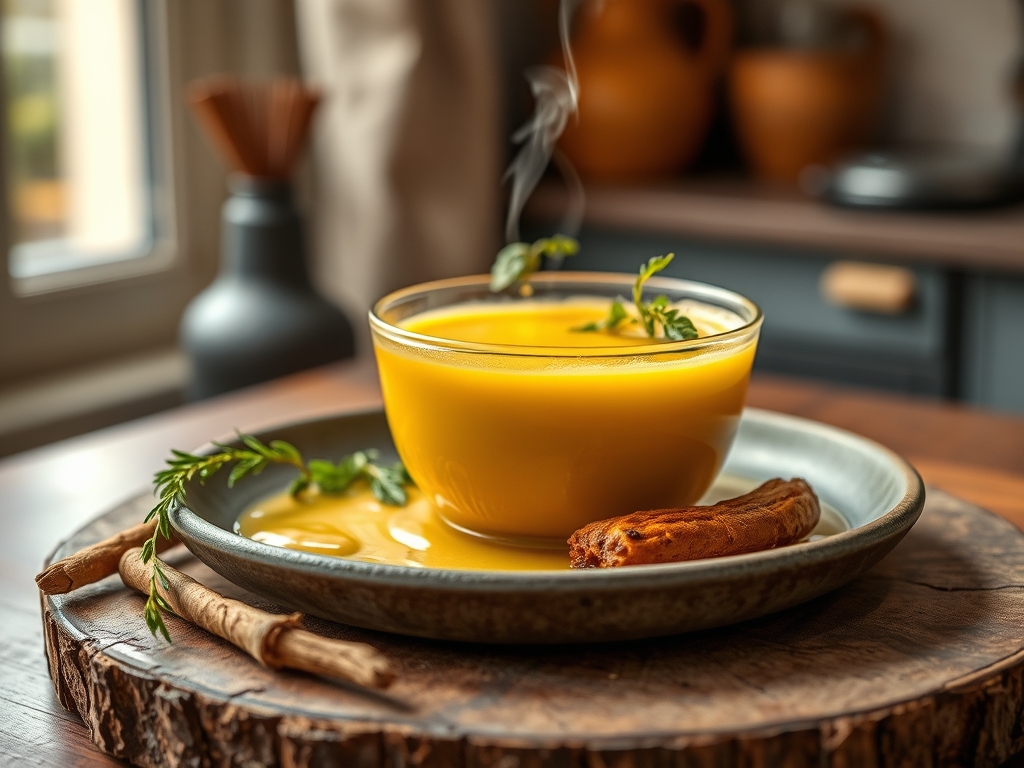
Referencing the Masterclass photo, your Turmeric Golden Milk should exhibit a "High-Saturation Gold" hue. If your drink looks pale or beige, your turmeric-to-liquid ratio is too low or your turmeric is old. If you notice dark sediment at the bottom of the cup, your straining process was insufficient. Technical Fix: Use a double-layer cheesecloth or a finer mesh sieve. If the drink appears "broken" with oil slicking on top, the emulsion has failed. This usually happens when the milk is too cold when the fat is added. Technical Fix: Whisk vigorously while the liquid is hot to re-emulsify the fats into the milk proteins. The foam on top should be stable and dense; if it collapses instantly, you likely need a milk with a higher protein content.
THE DEEP DIVE
Macro Nutrition Profile:
A standard serving using whole cow's milk contains approximately 180 calories, 9g of protein, 12g of carbohydrates, and 11g of fat. Using coconut milk will increase the fat content to roughly 15g while lowering the protein to 2g. The addition of honey adds roughly 60 calories of simple sugars.
Dietary Swaps:
- Vegan: Substitute dairy with oat milk for a creamier texture or almond milk for a lighter, nuttier profile. Ensure you maintain the coconut oil addition for fat.
- Keto: Replace honey with liquid stevia or monk fruit. Use heavy cream or full-fat canned coconut milk to increase the ketogenic ratio.
- GF: This recipe is naturally gluten-free, provided your spices are not processed in a facility with cross-contamination.
Meal Prep & Reheating Science:
You can batch-prepare this elixir and store it in the refrigerator for up to 3 days. However, the molecular structure will settle. Upon reheating, do not use a microwave as it creates "hot spots" that can scorch the turmeric. Instead, return the liquid to a saucier and whisk constantly over low heat to re-incorporate the lipids and aerate the mixture once more.
THE KITCHEN TABLE
Why does my golden milk taste bitter?
Bitterness usually stems from over-steeping or using too much fresh turmeric. High heat can also scorch the turmeric. Balance the profile by adding a pinch of sea salt or a touch more sweetener to counteract the earthy tannins.
Can I use black pepper oil instead of cracked pepper?
While possible, cracked peppercorns provide a more controlled release of piperine. If using oil, use only one drop, as it is incredibly potent and can easily overwhelm the delicate floral notes of the cinnamon and honey.
Is it necessary to peel the ginger and turmeric?
If using organic roots, a thorough scrubbing is sufficient. However, the skins can introduce a "dirty" or overly earthy flavor profile. For a clean, professional-grade finish, peeling is the recommended protocol for a superior audit result.
My milk curdled when I added the ginger. Why?
Ginger contains an enzyme called zingibain which can clot milk proteins. This typically happens if the ginger is added to lukewarm milk. Adding ginger to milk that is already hot (above 160F) denatures the enzyme and prevents curdling.