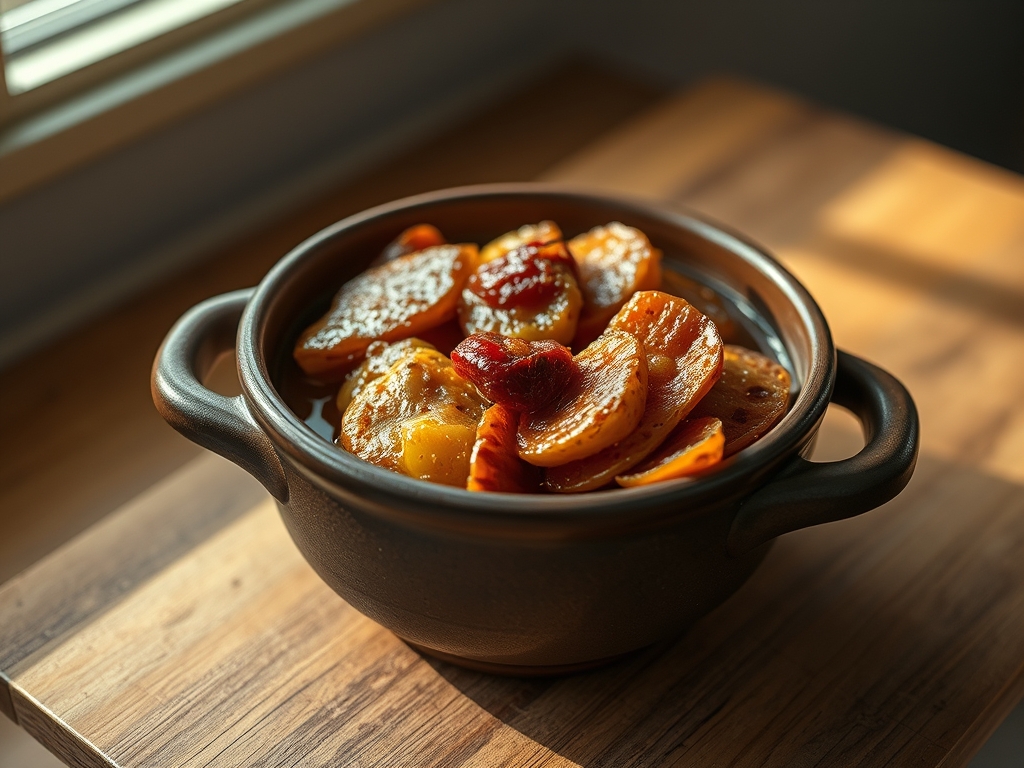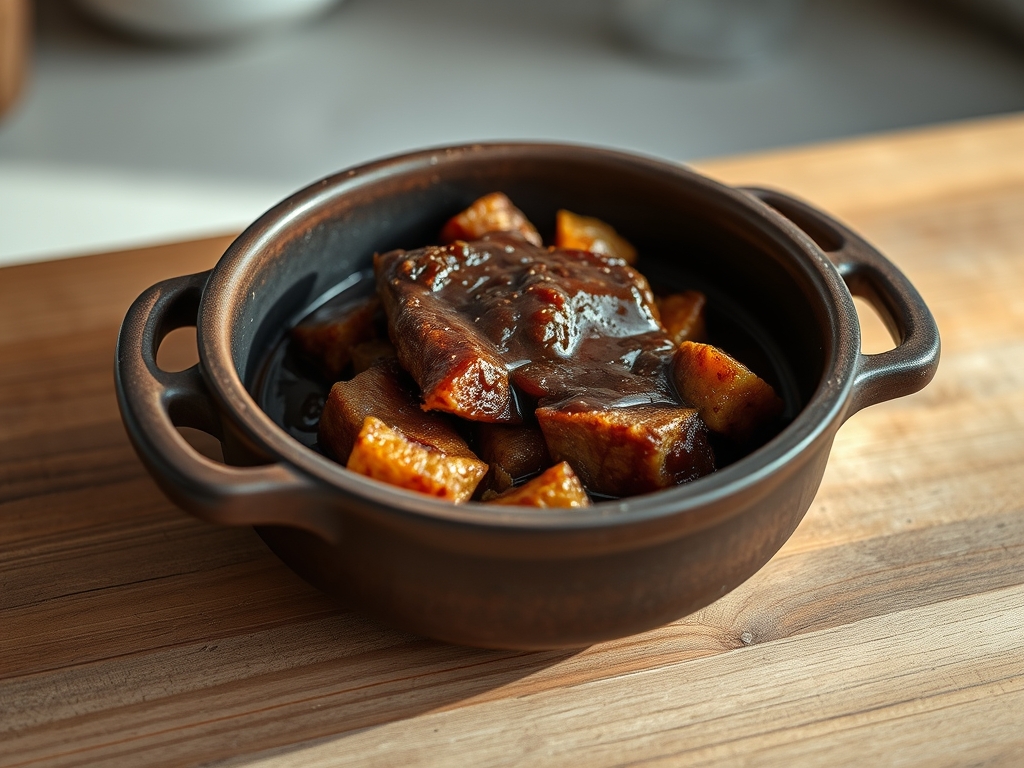
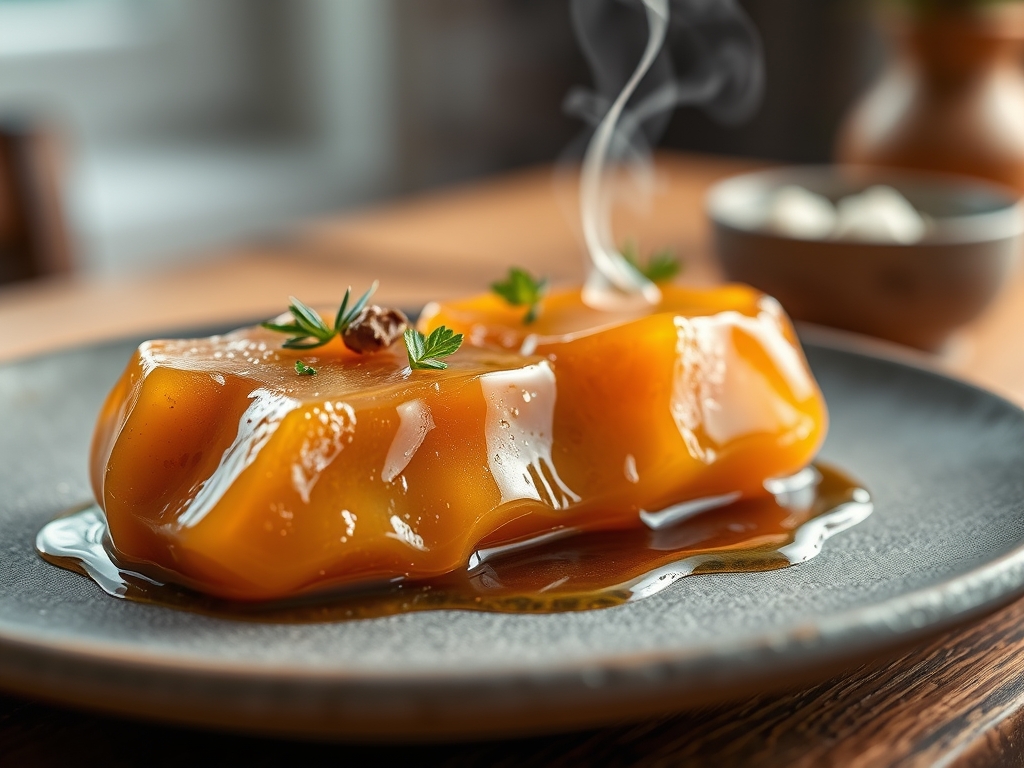
Imagine your central nervous system screaming for a lifeline while your glycogen stores crater at mile twenty. You do not need a lab-grown sludge of maltodextrin and artificial dyes. You need a high-velocity, bioavailable fuel source that respects the complex architecture of human metabolism. Enter the Honey Power Gel. This is not just a snack; it is a kinetic masterpiece of glucose-fructose synergism. When you consume this viscous gold, you are engaging a dual-transport mechanism that allows your body to oxidize carbohydrates at a rate far superior to single-source sugars. The texture is silky, the flavor profile is piquant with a hit of sea salt, and the delivery is instantaneous. We are talking about a molecular bypass of the standard digestive lag. As an auditor of culinary infrastructure, I demand more than just calories. I demand a structural integrity that survives thermal fluctuations and a flavor that cuts through the metallic fatigue of a long-distance push. This is the gold standard of endurance fuel, engineered for those who treat their bodies like high-performance turbines.
THE DATA MATRIX
| Metric | Specification |
|---|---|
| Prep Time | 5 Minutes |
| Execution Time | 10 Minutes |
| Yield | 4 Servings (approx. 180ml) |
| Complexity (1-10) | 3 |
| Estimated Cost per Serving | $0.85 |
THE GATHERS
Ingredient Protocol:
- 125ml / 0.5 cup Raw Unfiltered Honey (The primary glucose-fructose engine)
- 30ml / 2 tbsp Fresh Lemon Juice (To balance pH and provide electrolytes)
- 1.25g / 0.25 tsp Fine Sea Salt (To facilitate sodium-glucose cotransport)
- 15ml / 1 tbsp Blackstrap Molasses (For potassium and a deep, mineral finish)
- 30ml / 2 tbsp Filtered Water (To adjust the viscosity for rapid ingestion)
Section A: Ingredient Quality Audit:
If your honey is crystallized, do not attempt to force the emulsion. Crystallization indicates a high glucose-to-water ratio that will result in a gritty, unstable gel. Place the honey jar in a warm water bath at 40 degrees Celsius to gently melt the crystals without destroying the delicate enzymes. If your lemon juice is bottled and contains preservatives like sodium benzoate, discard it immediately. The preservatives introduce a bitter aftertaste that becomes magnified during physical exertion. Always use fresh citrus to ensure the citric acid acts as a natural kinetic brightener. Finally, if using table salt instead of fine sea salt, reduce the volume by half. Table salt lacks the trace minerals required for optimal cellular hydration and can taste harsh rather than piquant.
THE MASTERCLASS
Step-by-Step Execution:
1. Precision Weighing and Calibration
Place a small stainless steel saucier or mixing bowl on a digital scale and tare it to zero. Add the raw honey and molasses first. Using a scale rather than volume measurements ensures that the carbohydrate density remains consistent across every batch you produce.
Pro Tip: The science of "Specific Gravity" matters here. Using a scale prevents the "cling" factor of viscous liquids in measuring cups, ensuring you get every gram of fuel into the final product.
2. The Acid-Base Integration
Whisk in the fresh lemon juice and sea salt. Use a small balloon whisk to infuse the salt crystals into the acidic medium. The citric acid helps to partially invert any remaining complex sugars in the honey, making the energy even more accessible to your bloodstream.
Pro Tip: This stage is an "Electrolyte Bridge." Salt dissolves faster in the lemon juice than in the thick honey, ensuring a homogenous distribution of sodium throughout the gel.
3. Viscosity Calibration
Slowly add the filtered water one teaspoon at a time while whisking vigorously to aerate the mixture slightly. You are looking for a "slow ribbon" stage where the gel falls from the whisk and holds its shape for two seconds before disappearing into the surface.
Pro Tip: Use a bench scraper to clean the sides of the bowl. Every milligram of this gel represents roughly 3 to 4 calories of glycogen-sparing potential; do not waste it on the equipment.
4. Encapsulation and Storage
Transfer the Honey Power Gel into reusable silicone flasks or food-grade plastic pouches. If using a flask, use a small funnel to prevent air pockets, which can lead to premature oxidation of the lemon juice.
Pro Tip: Store the flasks in the refrigerator for at least two hours before use. This "Settling Phase" allows the flavors to meld and the viscosity to stabilize into a predictable texture.
Section B: Prep & Timing Fault-Lines:
The most common human error is overheating the honey. If you use high heat to combine ingredients, you risk the Maillard reaction occurring prematurely, which creates a burnt flavor and can degrade the fructose. Keep all components at room temperature during the mixing phase. Another timing error is failing to consume the gel with adequate water. To maintain the "Osmotic Balance," you must drink 150ml of water for every 45g of gel. If you ignore this timing, the high sugar concentration will pull water from your blood into your gut, causing gastric distress.
THE VISUAL SPECTRUM
Section C: Thermal & Visual Troubleshooting:
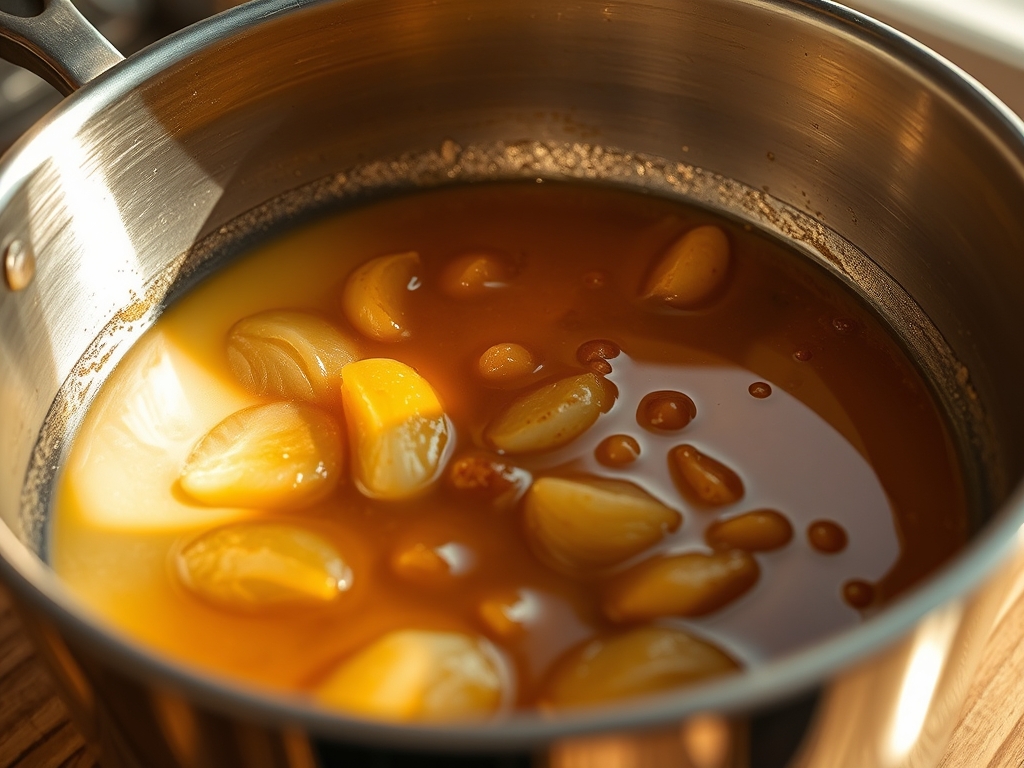
Look at the Masterclass photo above. Notice the deep, amber translucence and the absence of air bubbles. If your gel appears cloudy, you have likely over-whisked it, introducing too much oxygen which will lead to a shorter shelf life. If the gel looks separated with a watery layer on top, your emulsion has failed. This usually happens if the honey was too cold during the mixing process. To fix this, gently warm the entire flask in your hand and shake vigorously to re-establish the bond. The final product should have a "Glossy Sheen" that reflects light evenly. If it looks dull or matte, the salt has not fully dissolved; continue to agitate the mixture until the crystalline structure is no longer visible to the naked eye.
THE DEEP DIVE
Macro Nutrition Profile:
Each 45g serving provides approximately 110 calories, 28g of carbohydrates (a 1:1 ratio of glucose to fructose), 110mg of sodium, and 40mg of potassium. There is zero fat and zero protein, which is intentional to ensure rapid gastric emptying.
Dietary Swaps:
- Vegan: Replace the honey with organic maple syrup. Note that maple syrup has a lower viscosity, so reduce the added water by 50 percent to maintain the gel consistency.
- Keto: This recipe is fundamentally incompatible with a ketogenic protocol due to the high glycemic load.
- GF: Naturally gluten-free. Ensure your molasses is certified to avoid cross-contamination.
Meal Prep & Reheating Science:
This gel is stable at room temperature for up to 48 hours, making it perfect for long excursions. For long-term storage, keep it in the refrigerator for up to two weeks. Do not freeze the gel; the expansion of water molecules will disrupt the sugar bonds and result in a grainy, separated mess upon thawing. If the gel becomes too thick in cold weather, keep the flask close to your body to use your own thermal energy to maintain its fluid state.
THE KITCHEN TABLE
Why use molasses instead of just more honey?
Molasses acts as a "Mineral Anchor." It provides essential potassium and magnesium that honey lacks, helping to prevent muscle cramping during high-intensity efforts while adding a complex, earthy depth to the flavor profile.
Can I add caffeine to this recipe?
Absolutely. Dissolve 50mg of caffeine powder or a concentrated shot of espresso into the water before mixing. This creates a "Neuro-Stimulant" effect that reduces perceived exertion during the final stages of a race.
My gel is way too thin. How do I fix it?
If you over-hydrated the mixture, add a teaspoon of honey and whisk until the "Slow Ribbon" texture returns. Never use cornstarch or thickeners, as they require heat to activate and will ruin the "Raw Kinetic" benefits.
Is the lemon juice really necessary?
Yes. Beyond the flavor, the acidity acts as a "Kinetic Preservative." It prevents the growth of bacteria in the sugar-rich environment and provides the Vitamin C necessary for collagen synthesis during long-term tissue stress.