You are not just tossing handfuls of debris into a plastic bag; you are conducting a high-stakes Nut Mix Audit designed to maximize the caloric payload of your next expedition. Most trail mixes are tragic failures of engineering. They are dusty graveyards of stale raisins and broken peanuts that offer nothing but a spike in glycemic index followed by a crushing energy deficit. We are here to rebuild the infrastructure of the snack. We demand a precise ratio of lipids to complex carbohydrates. We want a sensory profile that is simultaneously piquant and savory. This is about the strategic deployment of heat to trigger the Maillard reaction across the surface of a macadamia nut. It is about the emulsification of honey and smoked paprika to create a uniform, crystalline coating that does not shatter upon impact. If your current snack strategy involves a pre-packaged bag from a gas station, you are operating on a legacy system that is overdue for a total hardware replacement. Prepare for a total structural overhaul.
THE DATA MATRIX
| Metric | Specification |
|---|---|
| Prep Time | 10 Minutes |
| Execution Time | 25 Minutes |
| Yield | 1.5 Liters / 6 Cups |
| Complexity (1-10) | 4 |
| Estimated Cost per Serving | $1.25 |
THE GATHERS
Ingredient Protocol:
- 250ml / 1 cup Raw Whole Almonds
- 250ml / 1 cup Raw Pecan Halves
- 125ml / 0.5 cup Raw Macadamia Nuts
- 125ml / 0.5 cup Raw Pumpkin Seeds (Pepitas)
- 45ml / 3 tbsp Grade A Maple Syrup
- 15ml / 1 tbsp Extra Virgin Olive Oil
- 5ml / 1 tsp Smoked Paprika (Pimenton)
- 2.5ml / 0.5 tsp Cayenne Pepper
- 10ml / 2 tsp Flaky Sea Salt
- 125ml / 0.5 cup Dehydrated Tart Cherries
Section A: Ingredient Quality Audit:
The primary failure point in most mixes is the use of pre-roasted nuts. These have already undergone thermal stress, and a second pass in the oven will cause the delicate oils to oxidize and turn rancid. Always source raw, unpasteurized materials. If your pecans arrive with a dusty, greyish hue, they have lost their volatile oils; you can partially rescue them by performing a quick rinse in cold water and immediate pat-drying to rehydrate the surface cellulose before roasting. If your maple syrup is "pancake syrup" (high fructose corn syrup), abort the mission. You require the specific mineral density of real maple to achieve the correct crystalline snap.
THE MASTERCLASS
1. Thermal Calibration and Surface Prep
Preheat your convection oven to 165C / 325F. Use a digital scale to weigh your dry ingredients for absolute precision. Place the raw almonds, pecans, and macadamias on a heavy-gauge rimmed baking sheet. Spread them in a single, non-overlapping layer to ensure even airflow.
Pro Tip: Use a bench scraper to move the nuts into a tight formation. This allows you to check for uniform sizing; any undersized fragments should be removed as they will incinerate before the larger masses reach peak internal temperature.
2. The Viscous Emulsion
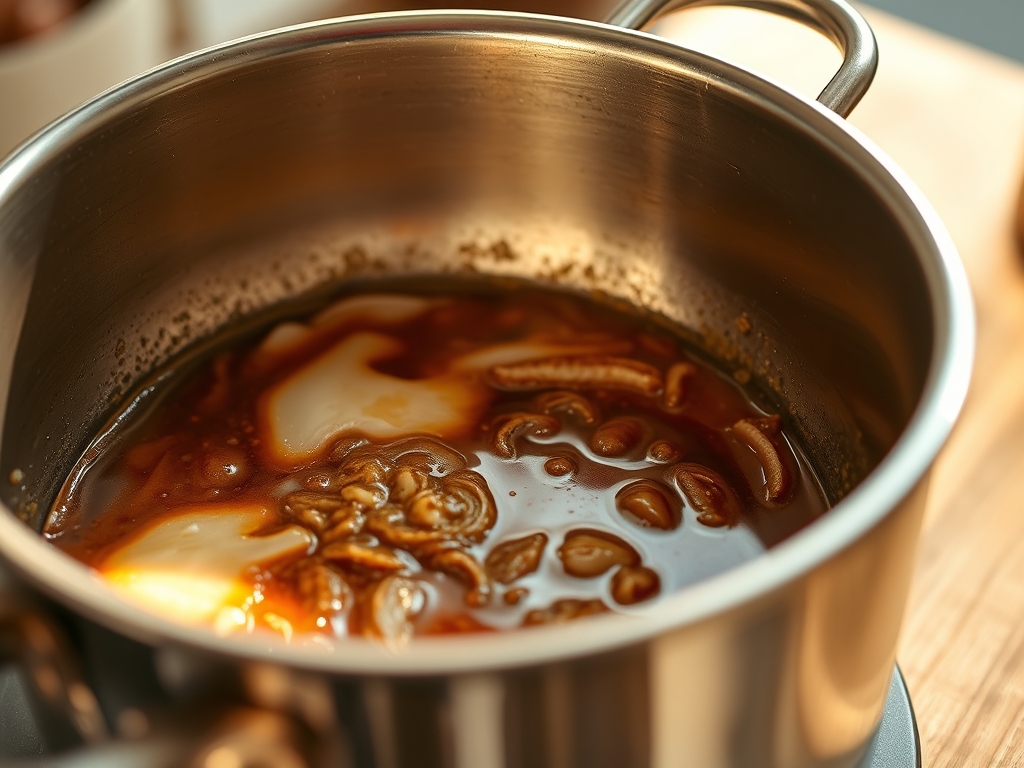
In a small stainless steel saucier over low heat, combine the maple syrup, olive oil, smoked paprika, and cayenne. Whisk vigorously until the mixture is fully integrated. You are looking for a glossy, emulsified liquid that clings to the back of a spoon.
Pro Tip: Do not allow the mixture to boil. You only want to infuse the spices into the fats and sugars. High heat at this stage will cause the sugars to invert, leading to a sticky rather than crunchy final product.
3. The Coating Infrastructure
Pour the warm emulsion over the raw nuts directly on the baking sheet. Use a silicone spatula to fold the mixture until every crevice of the pecans is saturated. The goal is a micro-thin layer of seasoning that acts as a protective laminate.
Pro Tip: A digital scale is your best friend here. By measuring the weight of the coating against the weight of the nuts, you ensure a consistent caloric density across every batch you produce.
4. Controlled Thermal Exposure
Slide the tray into the center rack. Roast for 15 to 20 minutes. Every 7 minutes, use your bench scraper or a wide spatula to agitate the mix. This prevents the sugars from pooling and burning on the bottom of the pan.
Pro Tip: Watch for the transition from a matte finish to a shimmering, golden glaze. This indicates the sugars are caramelizing and the internal moisture is being evacuated to create a crisp cell structure.
5. The Cooling Phase and Integration
Remove the tray from the oven and immediately sprinkle with the flaky sea salt while the glaze is still molten. Allow the mix to cool completely on the tray. Once at room temperature, fold in the dehydrated cherries.
Pro Tip: Do not add the dried fruit during the roasting phase. The high sugar content in the cherries will cause them to become rock-hard and bitter if exposed to direct oven heat.
Section B: Prep & Timing Fault-Lines:
The most common human error is the "carry-over cook." Nuts have a high fat content, meaning they retain thermal energy long after they leave the oven. If you wait until they look "done" to remove them, they are already overcooked. Pull the tray when the aroma shifts from raw to toasted; the residual heat will finish the job. If your oven has hot spots, rotate the tray 180 degrees at the halfway mark to prevent localized scorching.
THE VISUAL SPECTRUM
Section C: Thermal & Visual Troubleshooting:
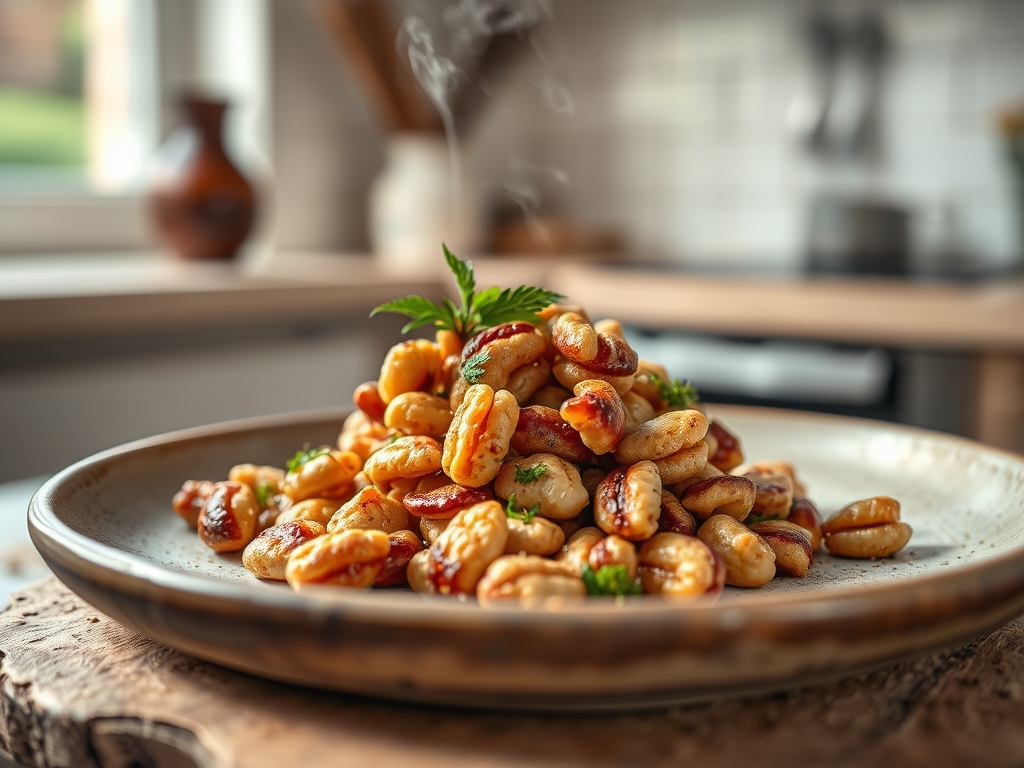
Referencing the Masterclass photo, observe the deep mahogany hue of the pecans compared to the pale gold of the macadamias. This contrast is vital. If your mix looks monochromatic, you have either under-roasted or over-roasted the entire batch. Dull, chalky surfaces indicate that the emulsion broke or was insufficient to coat the fibers. If you see dark, black flecks that are not pepper, your maple syrup has scorched; reduce your oven temperature by 10 degrees for the next iteration. The cherries should remain plump and vibrant red; if they appear shriveled or dark, they were introduced to the tray while it was still too hot.
THE DEEP DIVE
Macro Nutrition Profile:
This Nut Mix Audit yields a high-performance fuel source. Per 50g serving, expect approximately 280 calories, 22g of healthy fats, 14g of carbohydrates (with 4g of fiber), and 6g of protein. The inclusion of pepitas provides a critical boost of magnesium and zinc, essential for muscle recovery during high-exertion activities.
Dietary Swaps:
- Vegan: This recipe is naturally vegan as written using maple syrup.
- Keto: Replace the maple syrup with a liquid monk fruit sweetener and omit the dried cherries to drastically reduce net carbs.
- GF: Ensure your spices are certified gluten-free to avoid cross-contamination in the processing facility.
Meal Prep & Reheating Science:
To maintain the molecular integrity of the crunch, store the mix in an airtight glass container. Plastic bags are permeable to oxygen over time, which will lead to lipid oxidation. If the mix loses its snap due to humidity, you can "re-set" the crystalline structure by placing it in a 120C / 250F oven for 5 minutes to drive off surface moisture.
THE KITCHEN TABLE
Why are my macadamias still soft?
Macadamias have the highest fat content of any nut. They require a longer cooling period for the fats to solidify. If they are soft after two hours, increase your roasting time by three minutes in the next batch.
Can I use honey instead of maple syrup?
Yes, but honey has a lower burning point. You must monitor the oven closely and perhaps lower the temperature to 150C. Honey also creates a stickier finish that may require more frequent agitation during the cooling phase.
My spices are clumping in one spot. How do I fix this?
This happens when the spices are added to cold oil. Always whisk your dry spices into the warm liquid base before applying it to the nuts to ensure an even, microscopic distribution of flavor across the entire batch.
How long will this stay fresh in my pack?
In a sealed environment, the infrastructure will hold for 14 days. After that, the unsaturated fats in the pecans may begin to oxidize. For long-term storage, keep the bulk of the batch in the freezer to arrest degradation.