Forget the limp, vinegar-soaked ribbons found in tin cans at the back of a dusty pantry. We are here to discuss the high-stakes engineering of Sauerkraut Fermentation; a biological transformation that turns humble brassica into a crunchy, piquant powerhouse of probiotic data. This is not mere pickling. This is a controlled cellular breakdown where we recruit an army of Lactobacillus to wage war against spoilage. The air in your kitchen should vibrate with the scent of sulfur and sea salt as the cabbage fibers begin to soften under the weight of their own extracted brine. We are looking for a specific crunch that echoes in the jaw, a sharp acidity that cuts through the heaviest of fats, and a golden hue that signals a successful microbial takeover. If you are still using heat to "seal" your jars before the bacteria have done their work, you are committing a crime against culinary infrastructure. Grab your digital scales and sharpen your knives. We are about to digitize the very essence of salt and cabbage.
THE DATA MATRIX
| Metric | Specification |
|---|---|
| Prep Time | 45 Minutes |
| Execution Time | 7 to 21 Days |
| Yield | 1.9 Liters / 2 Quarts |
| Complexity (1-10) | 4 |
| Estimated Cost per Serving | $0.22 |
THE GATHERS
Ingredient Protocol:
- 2 kg / 4.4 lbs Green Cabbage (approx. 2 large heads)
- 40 g / 2.5 tbsp Fine Sea Salt (non-iodized)
- 10 g / 2 tsp Caraway Seeds (optional for aromatic infusion)
- 250 ml / 1 cup Filtered Water (only if supplemental brine is required)
Section A: Ingredient Quality Audit:
If your cabbage feels light or hollow, it lacks the internal moisture necessary to create a self-sustaining brine. Sub-par, dehydrated cabbage will result in a "dry ferment" which invites mold. The technical fix is a saline injection; dissolve 5 grams of salt into 250ml of water and top off your vessel. Furthermore, avoid table salt containing anti-caking agents or iodine. These additives can turn your brine cloudy or inhibit the growth of the very microbes we aim to cultivate. If you see pinkish discoloration during the prep, your cabbage has likely oxidized; trim the exterior leaves aggressively until you reach the dense, pale core.
THE MASTERCLASS
Step 1: The Structural Breakdown
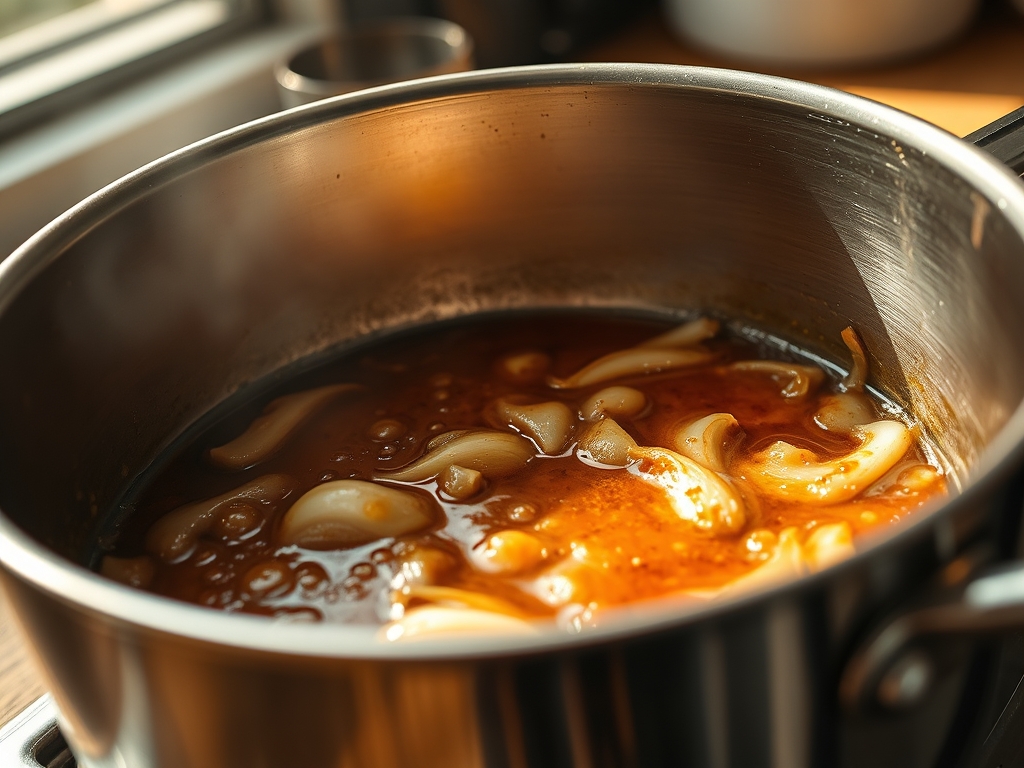
Remove the tattered outer leaves of the cabbage and reserve one whole leaf for later use. Use a heavy bench scraper to clear your station before quartering the heads. Remove the core with a precision strike and slice the remaining leaves into ribbons no thicker than 2mm. Consistency is the primary directive here; uneven cuts lead to uneven fermentation rates.
Pro Tip: Use a mandoline or a high-quality chef knife to ensure a uniform surface area. A greater surface area allows the salt to infuse the cell walls more efficiently, triggering the immediate release of cellular fluids.
Step 2: Saline Maceration and Mechanical Agitation
Transfer the shredded cabbage into a large stainless steel bowl. Sprinkle the salt evenly across the mass. Now, you must engage in aggressive mechanical agitation. Squeeze and massage the cabbage with clean hands for at least 10 minutes. You are looking for the moment the cabbage loses its rigidity and becomes viscous with its own juices.
Pro Tip: This process is essentially "pre-digestion" via mechanical force. By rupturing the cell walls manually, you accelerate the osmotic pressure required to submerge the solids in liquid, which is the only way to ensure an anaerobic environment.
Step 3: Compaction and Vessel Integration
Pack the cabbage into a glass fermentation crock or wide-mouth mason jar. Use a wooden tamper or the end of a rolling pin to press the cabbage down with significant force. The goal is to eliminate all oxygen pockets. As you pack, the brine should rise above the level of the cabbage.
Pro Tip: Professional fermenters use a digital scale to ensure the salt-to-cabbage ratio stays between 2% and 2.5% by weight. This is the "Goldilocks zone" where pathogenic bacteria perish but Lactic Acid bacteria thrive.
Step 4: The Anaerobic Seal
Take that reserved outer leaf from Step 1 and tuck it over the shredded cabbage like a blanket. Place a glass fermentation weight on top to ensure everything remains submerged. If the brine does not fully cover the weight, add a small amount of your supplemental saline solution.
Pro Tip: Use a specialized fermentation lid with a one-way airlock. This tool allows carbon dioxide to escape without letting oxygen in, preventing the growth of "Kahm yeast," a harmless but foul-smelling white film.
Step 5: Chronological Monitoring
Place the vessel in a cool, dark place (18C to 22C / 65F to 72F). Monitor the activity daily. You should see bubbles forming within 48 hours; this is the sign of active gas production. Taste the product after 7 days. If you desire more piquant depth, let it ride for another two weeks.
Pro Tip: Temperature control is the most overlooked variable. If the environment is too warm, the fermentation happens too fast, resulting in mushy cabbage. If it is too cold, the bacteria remain dormant.
Section B: Prep & Timing Fault-Lines:
Human error usually manifests in the "patience" phase. If you open the jar too frequently to "check" the progress, you disrupt the CO2 blanket and invite mold spores. If your brine level drops due to evaporation, the exposed cabbage will darken and rot. Ensure the seal is tight. If the fermentation is sluggish, check your room temperature; a 2-degree shift can add or subtract 4 days from your timeline.
THE VISUAL SPECTRUM
Section C: Thermal & Visual Troubleshooting:
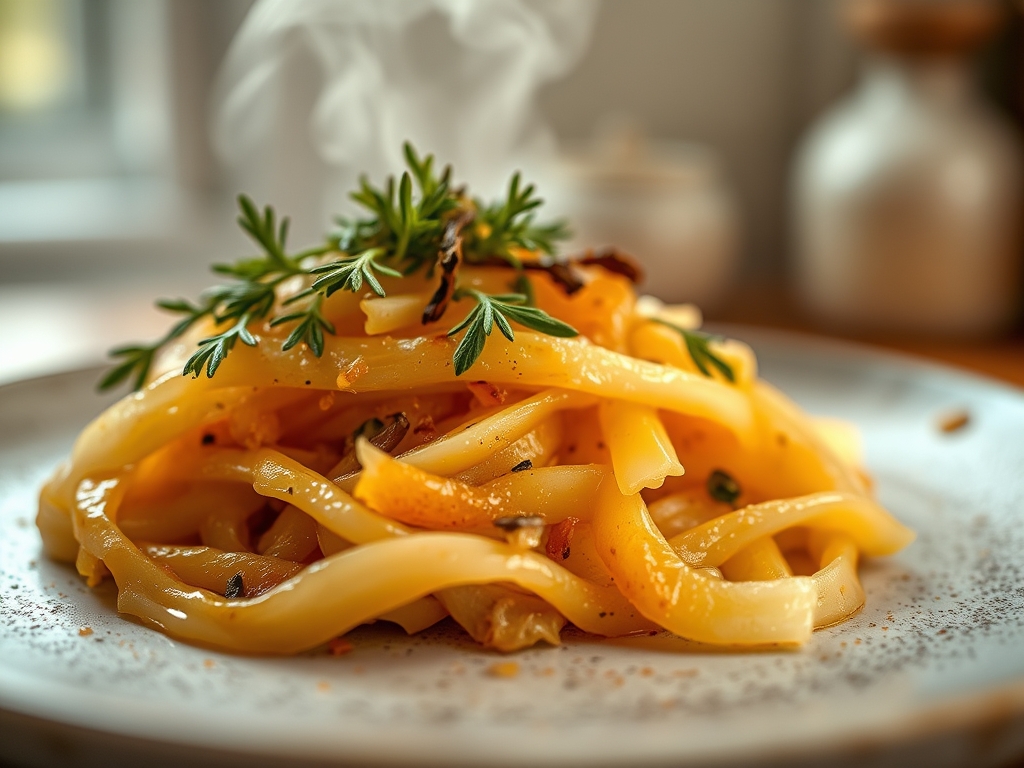
Referencing the Masterclass photo, a successful Sauerkraut Fermentation should display a translucent, pale-straw color. If the cabbage looks "dull" or gray, it likely suffered from oxygen exposure. If the brine appears "milky," do not panic; this is a standard byproduct of high bacterial density. However, if you see fuzzy blue, green, or black spots on the surface, the structural integrity has been compromised by mold; discard the batch. The texture should be "snappy" rather than soft. If it feels slimy, the salt concentration was likely too low, allowing pectin-destroying enzymes to take over.
THE DEEP DIVE
Macro Nutrition Profile
Sauerkraut is a low-calorie, high-fiber asset. Per 100g serving, expect approximately 19 calories, 0g fat, 4g carbohydrates, and 2g fiber. Its primary value lies in the bioavailability of Vitamin C and K, alongside billions of CFU (Colony Forming Units) of beneficial bacteria.
Dietary Swaps (Vegan/Keto/GF)
This protocol is naturally Vegan, Keto, and Gluten-Free. To increase the complexity of the flavor profile for a Keto-specific diet, you can infuse the brine with garlic cloves or peppercorns. For a "Red" variation, swap green cabbage for red, which provides a higher anthocyanin count and a more vibrant visual spectrum.
Meal Prep & Reheating Science
Once the desired acidity is reached, move the jar to the refrigerator. Cold temperatures halt the fermentation data stream. Do not "reheat" sauerkraut if you want the probiotic benefits; high heat kills the live cultures. If you must serve it warm, fold it into your dish at the very last second to maintain the molecular structure of the bacteria.
THE KITCHEN TABLE
How do I know if my sauerkraut has gone bad?
Trust your nose. A healthy ferment smells sour and clean, like lemons or vinegar. If it smells like putrefaction, locker rooms, or sulfurous rot, the wrong microbes have won the war. When in doubt, throw it out.
Can I use purple cabbage instead?
Absolutely. Red or purple cabbage follows the same data protocol but requires a slightly longer fermentation window due to its denser cellular structure. The resulting brine will be a deep, vivid magenta.
Why is my sauerkraut mushy?
Mushiness is usually a symptom of high temperatures or insufficient salt. If the environment exceeds 25C (77F), the cabbage breaks down too quickly. Always use a digital scale to ensure exactly 2% salt by weight.
What is the white film on top of my brine?
That is likely Kahm yeast. It is not harmful, but it can affect the flavor. Scrape it off carefully with a clean spoon and ensure your cabbage remains fully submerged beneath the brine line.
Do I need to add vinegar?
No. Traditional Sauerkraut Fermentation creates its own acidity through the production of lactic acid. Adding vinegar at the start is a "cheat" that bypasses the biological process and results in a flat, one-dimensional flavor profile.