The snap of a cold cucumber meeting a high-velocity vinegar bath is not just a snack; it is a structural intervention. Welcome to the high-stakes world of the Quick Pickle Audit, where we strip away the artisanal fluff and focus on the raw kinetic energy of acetic acid penetration. Most home cooks treat pickling like a slow-burn romance, but we are here for the fast-twitch muscle fibers of gastronomy. We are talking about achieving peak piquant saturation in under thirty minutes. This is about manipulating the cellular walls of your produce through thermal shock and osmotic pressure. If your current vegetable preservation strategy involves waiting weeks for a jar to ferment in a dark closet, you are hemorrhaging valuable time. We require immediate results: vibrant color, shattering crunch, and a flavor profile that cuts through the richest fats like a laser. Prepare to recalibrate your expectations of what a brine can do when backed by proper culinary infrastructure and a relentless pursuit of acidity.
THE DATA MATRIX
| Metric | Specification |
|---|---|
| Prep Time | 10 Minutes |
| Execution Time | 15 Minutes |
| Yield | 500ml / 2 Cups |
| Complexity (1-10) | 3 |
| Estimated Cost per Serving | $0.45 |
THE GATHERS
Ingredient Protocol:
- 500g / 1.1 lbs Firm Cucumbers (Kirby or Persian preferred)
- 250ml / 1 cup Distilled White Vinegar (5% Acidity)
- 250ml / 1 cup Filtered Water
- 25g / 1.5 tbsp Kosher Salt (Non-iodized)
- 30g / 2 tbsp Granulated Sugar
- 3g / 1 tsp Mustard Seeds
- 2g / 1 tsp Black Peppercorns
- 2 Cloves Garlic (Smashed)
- 1 bunch Fresh Dill
Section A: Ingredient Quality Audit:
The primary failure point in any Quick Pickle Audit is the use of flaccid, low-density produce. If your cucumbers feel spongy, they have already lost their structural integrity; the brine will turn them into mush rather than crisp slivers. Technical fix: Use a pre-soak ice bath for 15 minutes to restore turgor pressure in the cells. Another common culprit is iodized salt, which contains anti-caking agents that turn your brine cloudy and introduce a metallic "off" flavor. Always utilize high-purity kosher salt or pickling salt to ensure a clear, viscous liquid. If your vinegar lacks the 5% acidity threshold, the osmotic draw will be insufficient to infuse the interior of the vegetable, resulting in a surface-level flavor profile that fails to penetrate the core.
THE MASTERCLASS
Step 1: The Precision Mandoline Slice
Uniformity is the bedrock of predictable acid penetration. Utilize a professional mandoline or a sharp chef's knife to slice your cucumbers into 3mm rounds. Consistency ensures that every slice undergoes the same rate of cellular breakdown.
Pro Tip: Use a bench scraper to transfer your slices to a clean glass jar without bruising the delicate edges. Science dictates that increased surface area speeds up the brine absorption.
Step 2: The Brine Catalyst Phase
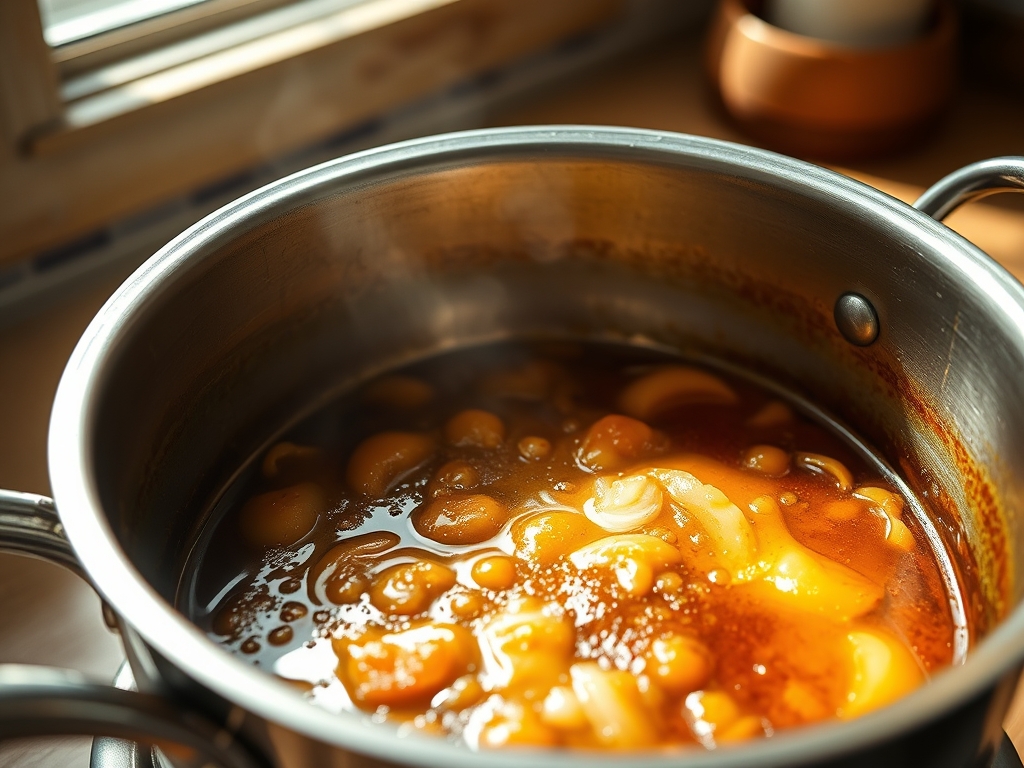
In a stainless steel saucier, combine your vinegar, water, salt, and sugar. Place the vessel over medium-high heat and whisk until the solids are fully dissolved. This is not about boiling the life out of the liquid; it is about creating a homogenous solution.
Pro Tip: Use a digital scale to measure your salt and sugar by weight rather than volume. Volumetric measurements are prone to error based on grain size, which can throw off your salinity levels.
Step 3: The Aromatic Infusion
Once the liquid reaches a simmer, add your mustard seeds, peppercorns, and garlic. Let the aromatics infuse the brine for exactly sixty seconds before removing from heat. This brief thermal window allows the essential oils to render into the liquid without becoming bitter.
Pro Tip: Toasting the dry spices in the dry saucier for thirty seconds prior to adding liquids will aerate the volatile compounds, resulting in a more aggressive flavor profile.
Step 4: The Thermal Shock Deployment
Pack your sliced cucumbers and fresh dill tightly into a heat-safe glass jar. Pour the hot brine directly over the vegetables until they are completely submerged. The heat will slightly soften the outer waxy cuticle of the cucumber, allowing the acetic acid to bypass the exterior barrier.
Pro Tip: Tap the jar firmly on a silicone mat to release trapped air bubbles. Oxygen is the enemy of preservation; ensuring a total liquid seal prevents oxidative browning.
Section B: Prep & Timing Fault-Lines:
The most frequent operational error is pouring the brine while it is at a rolling boil. This excessive heat cooks the cucumber, destroying the pectin and resulting in a limp texture. The target temperature for brine deployment is 190 degrees Fahrenheit. Conversely, if the brine is too cool, the sugar and salt may fall out of solution, leading to uneven seasoning. Use an instant-read thermometer to verify your thermal specs. Another timing fault occurs during the cooling phase; do not cap the jar immediately. Trapping steam creates a pressurized environment that can over-soften the produce. Allow the jar to reach room temperature before sealing.
THE VISUAL SPECTRUM
Section C: Thermal & Visual Troubleshooting:
Referencing the Masterclass photo, your pickles should exhibit a vibrant, neon-green hue with a translucent edge. If your pickles look dull or olive-drab, you have likely over-processed them with heat or used a vinegar with too high a tannin count (like some apple ciders). If the brine appears "milky," check your salt source; anti-caking agents are the usual suspect. Uneven coloring suggests that the cucumbers were packed too tightly, preventing the brine from circulating. Ensure the dill is tucked into the sides rather than clumped at the top to avoid localized discoloration. The goal is a clean, bright aesthetic that signals freshness and high acidity.
THE DEEP DIVE
Macro Nutrition Profile:
A standard 50g serving of these quick pickles contains approximately 15 calories, 3g of carbohydrates, and 0g of fat. The primary nutritional value lies in the micronutrients and the probiotic-adjacent benefits of the acetic acid, though quick pickling does not produce the same live cultures as traditional fermentation.
Dietary Swaps (Vegan/Keto/GF):
This protocol is naturally vegan and gluten-free. For a Keto-compliant version, replace the granulated sugar with an erythritol-based sweetener or omit the sugar entirely for a "sour" profile. The acidity remains the primary driver of the experience, so the sweetness is merely a balancing agent.
Meal Prep & Reheating Science:
Never reheat a pickle. The molecular structure of a quick pickle relies on cold-storage stability. Once the jar has cooled to room temperature, move it to the refrigerator. The cold temperature halts the softening process and locks in the crunch. These will maintain their peak structural integrity for up to two weeks. Beyond that, the acid will eventually break down the cellulose, leading to a loss of the signature "snap."
THE KITCHEN TABLE
How long do these actually need to sit?
While you can eat them in thirty minutes, the sweet spot for flavor saturation is twenty-four hours. This allows the brine to reach the center of each slice, balancing the sharp acidity with the natural cucumber sugars.
Can I reuse the leftover brine?
Yes, but only once. The first batch of cucumbers will have diluted the brine through moisture release. To reuse, bring the brine back to a boil, add a pinch of salt and a splash of vinegar, then strain.
Why did my garlic turn blue?
This is a harmless chemical reaction between the sulfur in the garlic and the enzymes in the vinegar. It usually happens with younger garlic. It is perfectly safe to eat, though it looks like a laboratory accident.
Do I have to use glass jars?
Absolutely. Acetic acid is corrosive. Plastic containers can leach chemicals or absorb odors, and metal containers (unless high-grade stainless steel) will react with the acid, giving your pickles a distinct and unpleasant metallic tang.