Imagine the sensory overload of a sun-bleached Moroccan terrace condensed into a single glass jar. We are talking about the high-stakes alchemy of preservation where the humble citrus fruit undergoes a total molecular restructuring. Salt Cured Lemons are not merely a condiment; they are a strategic asset in your culinary arsenal. When you slice into a cured rind, you are witnessing the results of osmotic dehydration. The salt aggressively draws out moisture, rupturing the cellular walls of the fruit and transforming a bitter, acidic peel into a viscous, piquant treasure. The aroma is electric, cutting through the heavy scent of roasting meats with a sharp, floral clarity that makes the back of your throat tingle. This is infrastructure for your pantry. It is the difference between a flat, one-dimensional stew and a dish that vibrates with complexity. We are moving beyond the fresh squeeze. We are engineering flavor through time, pressure, and mineral intensity. Prepare your workstation; we are about to stabilize your flavor economy for the next six months.
THE DATA MATRIX
| Metric | Specification |
|---|---|
| Prep Time | 25 Minutes |
| Execution Time | 3 to 4 Weeks (Fermentation) |
| Yield | 1 Liter Jar |
| Complexity (1-10) | 3 |
| Estimated Cost per Serving | $0.12 |
THE GATHERS
Ingredient Protocol:
- 8 to 10 Meyer Lemons (Organic/Unwaxed) / approx. 1.2kg
- 250g Kosher Salt / 1 cup (Non-iodized is mandatory)
- 120ml Fresh Lemon Juice / 0.5 cup (As needed for topping)
- 2 Cinnamon Sticks / 6g
- 4 Whole Cloves / 1g
- 10g Black Peppercorns / 1 tbsp
- 2 Dried Bay Leaves / 0.5g
Section A: Ingredient Quality Audit:
The primary failure point in Salt Cured Lemons is the protective wax coating found on conventional supermarket fruit. This wax is a barrier to osmotic exchange. If your lemons feel slick or unnaturally shiny, you must "de-wax" them by pouring boiling water over the fruit in a colander and scrubbing with a stiff brush. Furthermore, avoid table salt at all costs. The anti-caking agents and iodine will turn your brine cloudy and introduce a metallic, medicinal aftertaste. If your lemons lack juice density, do not compensate with water. Adding water lowers the salinity below the safety threshold, inviting mold. Always use extra citrus juice to maintain the acidic equilibrium.
THE MASTERCLASS
Step-by-Step Execution:
1. The X-Cut Architecture
Wash and dry your lemons thoroughly. Using a sharp chef knife or a bench scraper to stabilize your board, cut the lemons into quarters starting from the top, but stop about half an inch from the base. The fruit should remain attached at the bottom like an opening flower.
Pro Tip: This structural integrity allows the salt to penetrate the core while keeping the fruit organized within the jar. It maximizes the surface area for the mineral infusion without turning the lemons into loose debris.
2. The Saline Loading Phase
Open each lemon "flower" and pack the interior generously with Kosher salt. Use a digital scale to ensure you are using roughly 20 to 25 grams of salt per lemon. Place a tablespoon of salt at the bottom of a sterilized 1-liter wide-mouth jar.
Pro Tip: Salt is the primary dehydrator here. It forces the juice out of the vacuoles through osmosis, creating a concentrated brine that inhibits the growth of spoilage-causing bacteria while allowing beneficial lactobacilli to thrive.
3. Structural Compression
Pack the salted lemons into the jar one by one. Use a wooden tamper or a heavy spoon to press them down with significant force. You want to see the juice render from the pulp immediately, rising to cover the fruit.
Pro Tip: Oxygen is the enemy of this process. By compressing the fruit, you eliminate air pockets. Professional fermenters often use a glass weight to ensure every piece of rind remains submerged beneath the liquid line.
4. Aromatics Integration
As you layer the lemons, tuck in your cinnamon sticks, cloves, peppercorns, and bay leaves. These spices will infuse the brine over the coming weeks, adding woody and floral notes that temper the sharp acidity of the citrus.
Pro Tip: Spices contain essential oils that are fat-soluble. While there is no fat in this jar, the high-acid environment helps extract these compounds, creating a complex aromatic profile that permeates the rind.
5. The Sealing and Rotation Protocol
If the natural juice does not fully cover the lemons, top it off with additional fresh lemon juice. Seal the jar tightly. For the first week, shake the jar daily to redistribute the salt and juice. Store in a cool, dark place for 3 to 4 weeks.
Pro Tip: Regular agitation prevents the salt from settling at the bottom in a hard crust. This ensures a consistent salinity gradient throughout the jar, which is vital for uniform curing of the top and bottom layers.
Section B: Prep & Timing Fault-Lines:
Temperature control is the silent variable. If your kitchen exceeds 75 degrees Fahrenheit (24 Celsius), the fermentation may proceed too rapidly, resulting in a mushy texture rather than a firm, jammy rind. Conversely, if it is too cold, the salt will not dissolve efficiently. If you see white flecks on the surface, do not panic; this is often "kahm yeast," which is harmless but should be scraped off. However, if you see fuzzy blue or green growth, the sanitation protocol failed or the lemons were not fully submerged. Discard the batch and restart with a sterilized vessel.
THE VISUAL SPECTRUM
Section C: Thermal & Visual Troubleshooting:
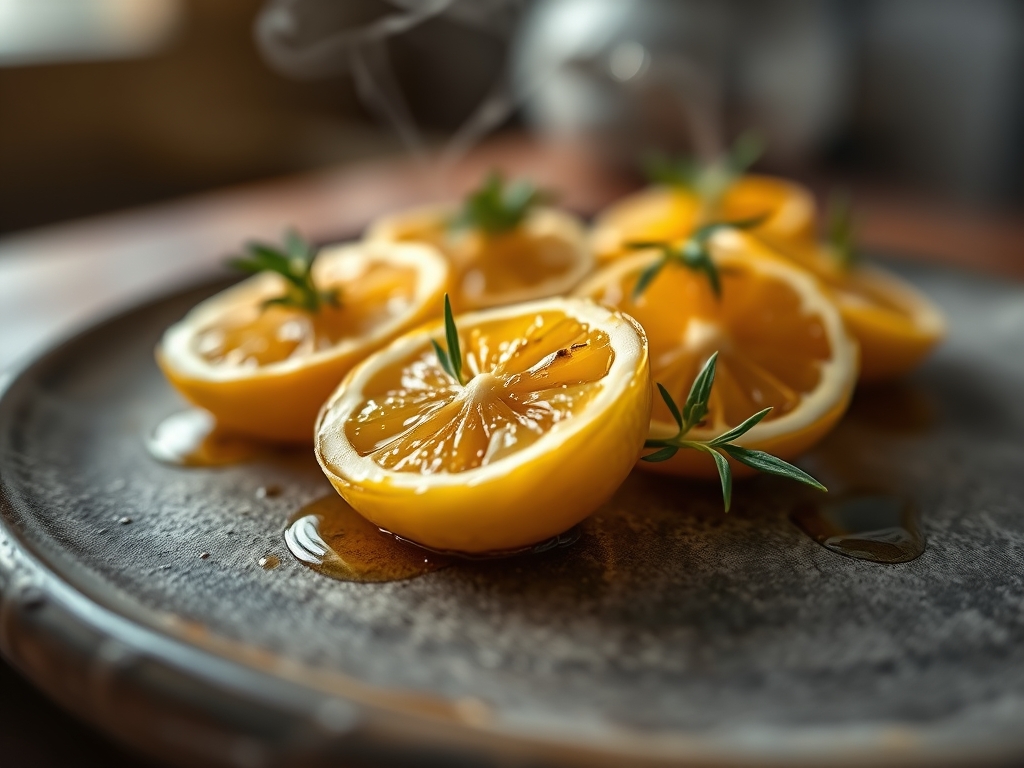
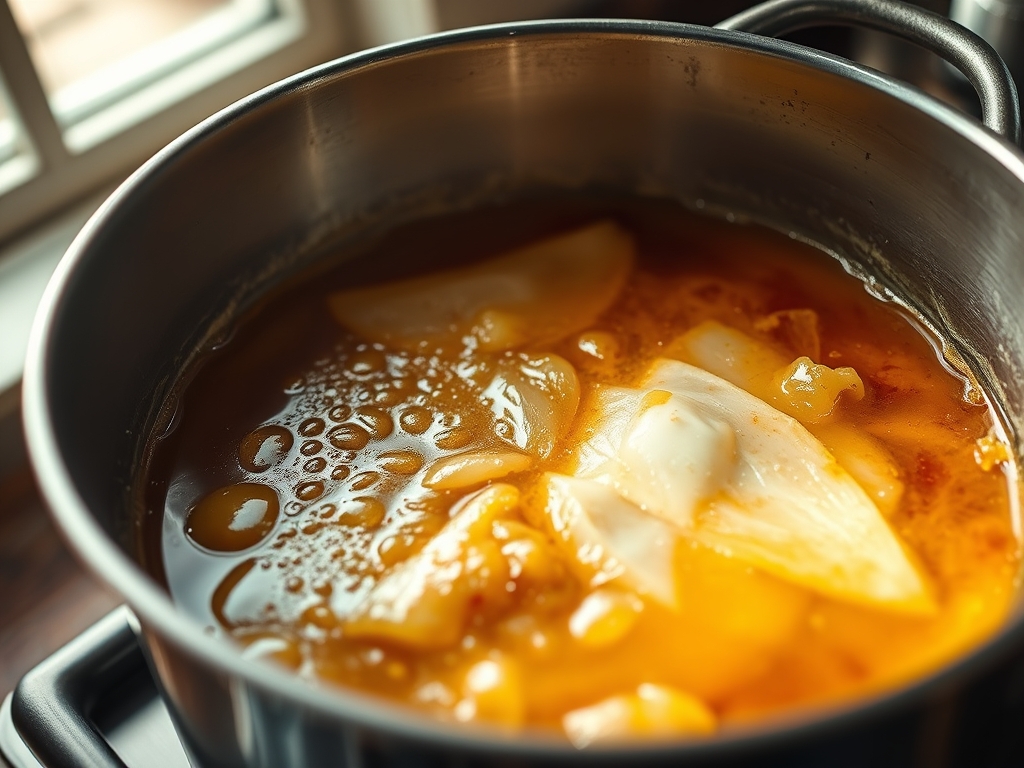
Referencing the Masterclass photo, your goal is a transformation from bright, opaque yellow to a translucent, jewel-like amber. If your lemons look "washed out" or pale, they haven't cured long enough; the salt has not yet fully denatured the pith. The brine should be viscous and slightly syrupy, not thin like water. If the liquid is too thin, you likely didn't use enough salt to draw out the pectin from the peels. Note the "gloss" on the rinds in the image; this indicates that the essential oils have migrated to the surface, signaling that the lemons are ready for deployment in your next deglaze or marinade.
THE DEEP DIVE
- Macro Nutrition Profile: Salt Cured Lemons are virtually calorie-free, but they are high in sodium. A single tablespoon of minced rind contains approximately 150mg of sodium and negligible amounts of fiber and Vitamin C.
- Dietary Swaps: This recipe is naturally Vegan, Keto-friendly, and Gluten-Free. For a "Quick Cure" (though less complex), you can thinly slice lemons and toss them with 20% of their weight in salt, allowing them to sit for only 24 hours.
- Meal Prep & Reheating Science: Once cured, move the jar to the refrigerator. They will last for 6 to 12 months. When using them in hot dishes, add the minced rind at the very end of the cooking process. High heat for extended periods can dull the piquant top notes and make the saltiness too aggressive. The molecular structure of the preserved rind is stable, but the volatile aromatics are heat-sensitive.
THE KITCHEN TABLE
How do I use these in everyday cooking?
Rinse the salt off, discard the pulp, and mince the rind. Toss it into couscous, whisk it into a vinaigrette, or use it to infuse a braised chicken tagine. It adds a fermented funk that fresh lemons cannot replicate.
Can I use other citrus fruits?
Absolutely. Limes, grapefruit, and even oranges can undergo osmotic dehydration. Limes will yield a more bitter, floral result, while oranges provide a sweeter, balsamic-like profile. Just ensure you adjust the salt ratio based on the fruit's water content.
Why is the pith still bitter?
The curing process significantly reduces bitterness, but it does not eliminate it. If you are sensitive to it, simply scrape away the white pith after curing and only use the outermost zest layer for a cleaner, more intense citrus hit.
Is the brine useful for anything?
Do not pour that liquid gold down the drain! The brine is a concentrated essence of lemon and salt. Use it as a starter for a dirty martini, a seasoning for poaching liquor, or a salty kick in a bloody mary.