The midnight audit begins not with a balance sheet but with the rhythmic hum of a commercial compressor and the sharp, metallic snap of a vacuum seal breaking. You are standing in the fluorescent glow of the galley; the world is asleep; but your metabolic demand is peaking. This is the theater of high-performance recovery. We are not merely making a sandwich. We are re-engineering Turkey Breast Slices into a masterpiece of lean protein infrastructure. The goal is a texture that defies the typical dry, chalky reputation of poultry. We want a surface that has undergone just enough Maillard reaction to provide a savory crust while the interior remains a reservoir of succulent moisture. As the cold air hits the protein, you can smell the faint, salty brine and the promise of tryptophan-induced equilibrium. This is where culinary physics meets the graveyard shift. We are building a structural foundation of amino acids, layered with precision and seasoned with the authority of a chef who knows that at 2:00 AM, the difference between a snack and a meal is the quality of the sear.
THE DATA MATRIX
| Metric | Specification |
|---|---|
| Prep Time | 8 Minutes |
| Execution Time | 12 Minutes |
| Yield | 2 Servings |
| Complexity (1-10) | 4 |
| Estimated Cost per Serving | $4.50 |
THE GATHERS
Ingredient Protocol:
- 500g / 1.1 lbs Premium Turkey Breast Slices (thick-cut)
- 30ml / 2 tbsp Extra Virgin Olive Oil
- 15g / 1 tbsp Unsalted Butter (high fat content)
- 5g / 1 tsp Smoked Paprika
- 3g / 0.5 tsp Freshly Cracked Black Pepper
- 2g / 0.25 tsp Flaky Sea Salt
- 10ml / 0.6 tbsp Fresh Lemon Juice
- 2 Cloves Garlic (crushed)
- 1 Sprig Fresh Thyme
Section A: Ingredient Quality Audit:
If your Turkey Breast Slices appear translucent or "slimy," they have likely been pumped with excessive sodium phosphate or water weight. To fix this, pat the protein aggressively dry with lint-free paper towels and allow it to air-dry on a wire rack in the refrigerator for twenty minutes. This encourages a better sear rather than a sad, grey steam. If the slices are too thin and prone to tearing, stack them in "shingles" to create a faux-roast thickness. If your spices lack a piquant punch, toast them in a dry saucier for sixty seconds before adding fats to infuse the oil with fat-soluble flavor compounds.
THE MASTERCLASS
Step 1: The Thermal Calibration
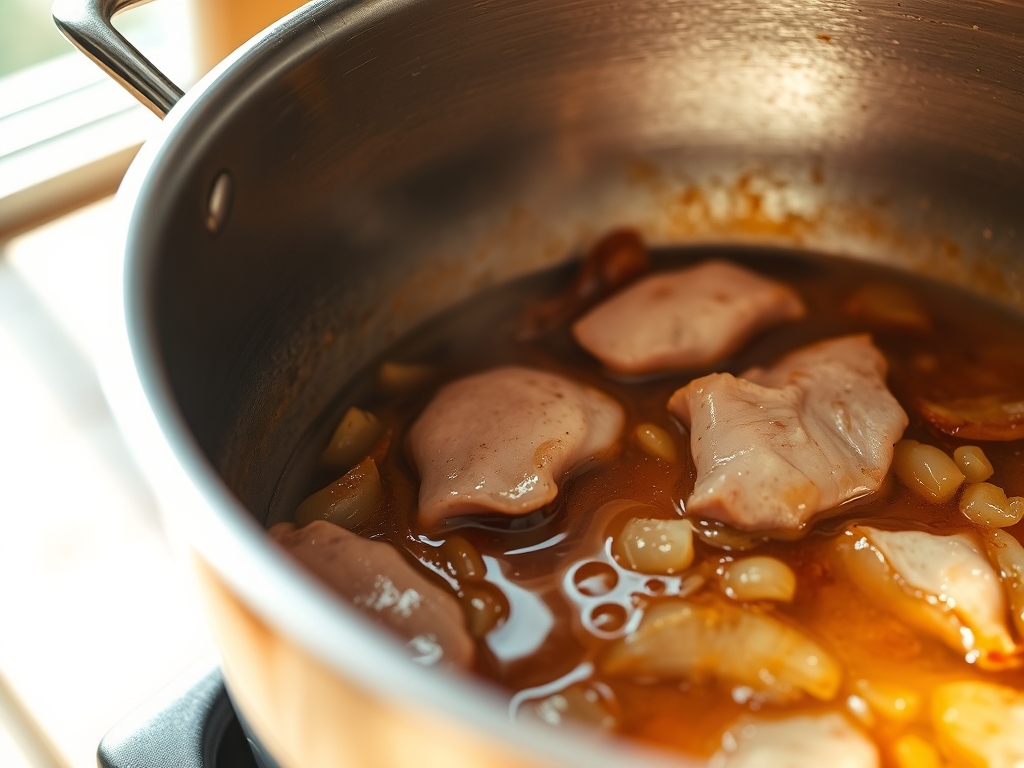
Place your heavy-bottomed cast iron skillet or stainless steel saucier over medium-high heat. Use a digital infrared thermometer to ensure the surface reaches at least 200C / 400F before any fat touches the pan. This prevents the protein from sticking to the microscopic fissures in the metal.
Pro Tip: High-quality heat retention is essential for the Maillard reaction. Using a digital scale to weigh your oil ensures you are not drowning the protein, which would lead to a greasy mouthfeel rather than a crisp exterior.
Step 2: The Fat Emulsification
Add the olive oil and butter simultaneously. As the butter solids begin to render and foam, add the crushed garlic and thyme. This creates an aromatic base that will infuse the Turkey Breast Slices with depth during the brief cooking window.
Pro Tip: Watch for the "beurre noisette" stage where the butter turns nut-brown. This indicates that the water has evaporated and the flavor is concentrated. Use a bench scraper to keep your workspace clear of garlic skins.
Step 3: The Precision Sear
Lay the Turkey Breast Slices into the pan using tongs, moving away from your body to avoid oil splatter. Do not crowd the pan; work in batches if necessary. Press down firmly with a weighted press or the back of a heavy spatula to ensure maximum surface contact.
Pro Tip: The protein will naturally release from the pan once the crust has formed. If it resists, it is not ready to flip. This is the "kinetic release" principle of professional searing.
Step 4: The Deglaze and Finish
Once flipped, add the lemon juice to the pan to deglaze the brown bits (fond) from the bottom. Tilt the pan and use a large spoon to baste the bubbling, viscous liquid over the turkey. This adds a bright acidity that cuts through the richness of the butter.
Pro Tip: Use a digital probe thermometer to ensure the internal temperature hits exactly 74C / 165F. Overcooking by even five degrees will cause the lean fibers to contract and expel their juices.
Section B: Prep & Timing Fault-Lines:
The most common failure in night audits is "thermal shock." Taking Turkey Breast Slices directly from a 2C refrigerator to a 200C pan causes the muscle fibers to seize. Always allow the protein to temper at room temperature for ten minutes. Furthermore, if your timing is off and the sides finish before your accompaniments, do not leave them in the pan. Move them to a warm plate and tent with foil; the residual heat will finish the cook without drying the exterior.
THE VISUAL SPECTRUM
Section C: Thermal & Visual Troubleshooting:
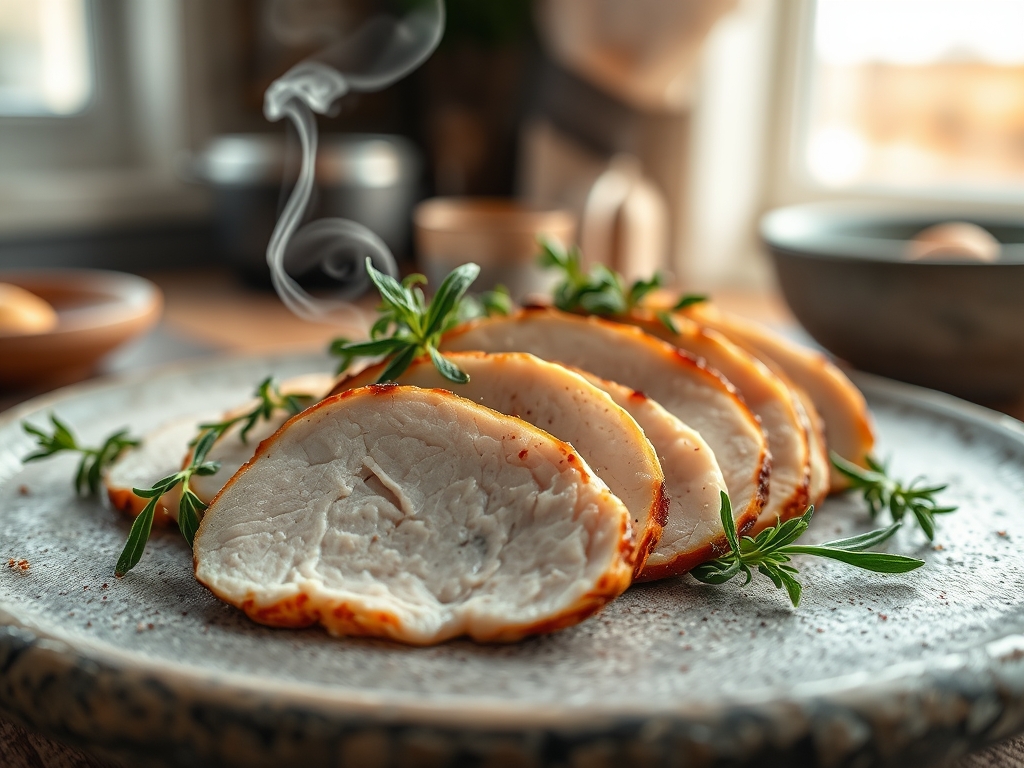
Look at the Masterclass photo: notice the golden-brown "lace" around the edges of the Turkey Breast Slices. If your slices look grey, your pan temperature was too low. If the edges are black but the center is cold, your heat was too high. The goal is a uniform mahogany hue. If the meat appears "dull," it lacks a final glaze. Ensure you are basting with the pan juices in the final thirty seconds to create a shimmering, viscous coating that reflects light and signals a moist interior. If the slices are curling excessively, use a sharp knife to make tiny "relief cuts" in the connective tissue around the edges before cooking.
THE DEEP DIVE
Macro Nutrition Profile:
A standard 150g serving provides approximately 42g of high-bioavailability protein, 6g of fat (primarily monounsaturated if using the specified oil), and 0g of carbohydrates. It is a dense source of selenium and vitamin B6.
Dietary Swaps:
- Vegan: Substitute the turkey with extra-firm pressed tofu slices and use vegan butter or coconut oil.
- Keto: Increase the butter ratio and serve with an avocado-based fat bomb.
- GF: This protocol is naturally gluten-free; ensure your smoked paprika is certified free of cross-contamination.
Meal Prep & Reheating Science:
To maintain molecular structure during reheating, avoid the microwave, which vibrates water molecules and toughens the protein. Instead, use a "low and slow" approach in a covered pan with a splash of chicken bone broth to aerate the steam and gently bring the turkey back to temperature without denaturing the proteins further.
THE KITCHEN TABLE
Why is my turkey dry even when basted?
Basting only affects the surface. If the internal temperature exceeds 75C, the cellular structure collapses and squeezes out moisture. Use a thermometer to stop the cook at exactly 74C for a succulent result.
Can I use deli-thin turkey for this?
Thin-cut slices are prone to overcooking in seconds. If using deli meat, flash-sear them for no more than 15 seconds per side in a screaming hot pan to achieve color without destroying the texture.
What does deglazing actually do for the flavor?
Deglazing releases the "fond," which are caramelized proteins stuck to the pan. This creates a concentrated, savory sauce that re-incorporates lost flavor back into the Turkey Breast Slices for a professional finish.
How do I get that specific golden color?
The golden hue is a result of the Maillard reaction. This requires dry heat and a lack of surface moisture. Always pat your turkey dry before it hits the fat to ensure browning instead of steaming.