
The clock strikes 03:00 and the fluorescent hum of the breakroom begins to feel like a physical weight against your temples. This is the physiological "dead zone" where circadian rhythms collapse and cognitive performance hits a subterranean floor. You do not need a beverage; you need a tactical intervention. Enter the definitive Night Shift Coffee. This is not the watery, scorched sludge found in a communal pot that has been oxidizing since the previous sunset. We are engineering a high-viscosity, lipid-fortified fuel source designed to bypass the immediate caffeine spike-and-crash cycle. By integrating specific fats and precise thermal controls, we create a sustained-release mechanism for the alkaloids. The goal is a brew that is velvety, structurally sound, and capable of sustaining mental acuity through the final four hours of a grueling rotation. We are treating caffeine as a precision tool, not a blunt instrument. If you want to survive the graveyard shift without the jittery tremors of over-extraction, you must respect the chemistry of the bean.
THE DATA MATRIX
| Metric | Specification |
|---|---|
| Prep Time | 5 Minutes |
| Execution Time | 7 Minutes |
| Yield | 500ml / 2 Servings |
| Complexity (1-10) | 4 |
| Estimated Cost per Serving | $1.15 |
THE GATHERS
Ingredient Protocol:
- 30g / 4 tbsp Freshly Ground Coffee (Medium-Dark Roast)
- 500ml / 2 cups Filtered Water (Heated to 96C)
- 15g / 1 tbsp Grass-fed Unsalted Butter
- 15ml / 1 tbsp MCT Oil or Coconut Oil
- 2g / 0.5 tsp Ground Ceylon Cinnamon
- 1 drop Pure Vanilla Extract
Section A: Ingredient Quality Audit:
The primary failure point in Night Shift Coffee is the use of pre-ground beans. Once the cellular structure of the bean is breached, oxidation begins immediately; this leads to a flat, bitter profile that lacks the volatile aromatics necessary for sensory stimulation. If your coffee tastes like "wet cardboard," your beans are stale. Fix this by using a burr grinder to ensure uniform particle size. Another common culprit is tap water high in mineral content. Excessive calcium or chlorine will inhibit the extraction of delicate oils. Use a charcoal-filtered source to ensure a neutral pH. If your lipids (butter/oil) are separating into oily slick-pools on the surface, your emulsion has failed. This is usually due to the butter being too cold or the agitation being too weak. Ensure all additives are at room temperature before they meet the hot liquid.
THE MASTERCLASS

Step-by-Step Execution:
1. Thermal Priming and Grinding
Begin by weighing exactly 30g of beans on a digital scale to ensure a precise 1:16.6 brewing ratio. Grind to a consistency resembling sea salt. While the beans are being processed, pour a small amount of hot water into your French press or pour-over carafe to pre-heat the vessel.
Pro Tip: Thermal mass management is critical. If you pour 96C water into a cold vessel, the temperature will plummet instantly to 80C; this results in under-extraction and a sour, thin body.
2. The Precision Extraction
Add the grounds to your vessel and pour 60ml of water to allow the coffee to "bloom" for 30 seconds. This releases trapped carbon dioxide. After the bloom, pour the remaining water in a slow, circular motion.
Pro Tip: Using a gooseneck kettle allows for laminar flow control. This prevents the water from channeling through the grounds, ensuring every particle is equally saturated to infuse the liquid with maximum caffeine density.
3. Lipid Integration
Once the coffee is brewed, transfer the liquid into a high-speed blender or a deep saucier if using an immersion tool. Add the grass-fed butter and MCT oil.
Pro Tip: This is the "Bulletproof" methodology. The fats bind to the caffeine molecules, slowing their absorption in the small intestine. This prevents the jagged insulin spikes often associated with black coffee on an empty stomach.
4. High-Shear Emulsification
Activate your blender on high for 30 seconds until the liquid transforms from dark brown to a pale, frothy tan. You are looking for a micro-foam structure that mimics a latte.
Pro Tip: This process uses high-shear force to aerate the mixture and create a micellar emulsion. This changes the mouthfeel to something incredibly viscous and rich without the need for processed dairy creams.
5. Aromatic Finishing
Add the cinnamon and vanilla extract during the final five seconds of blending. Pour immediately into a pre-warmed insulated tumbler to maintain the molecular integrity of the foam.
Pro Tip: Use a bench scraper to clean any spilled grounds from your workspace; cleanliness in the lab prevents cross-contamination of flavors in future brews.
Section B: Prep & Timing Fault-Lines:
Timing is the silent killer of quality. If you leave the coffee in contact with the grounds for longer than five minutes, you will extract heavy tannins that create an astringent, mouth-drying effect. Use a digital timer. Temperature control is equally vital. Never use boiling water (100C) as it will scald the grounds and render the delicate oils acrid. If you find your coffee is cooling too fast during the shift, the emulsion will break. Re-shaking the thermos vigorously can temporarily restore the suspension, but nothing beats the initial high-velocity blend.
THE VISUAL SPECTRUM
Section C: Thermal & Visual Troubleshooting:
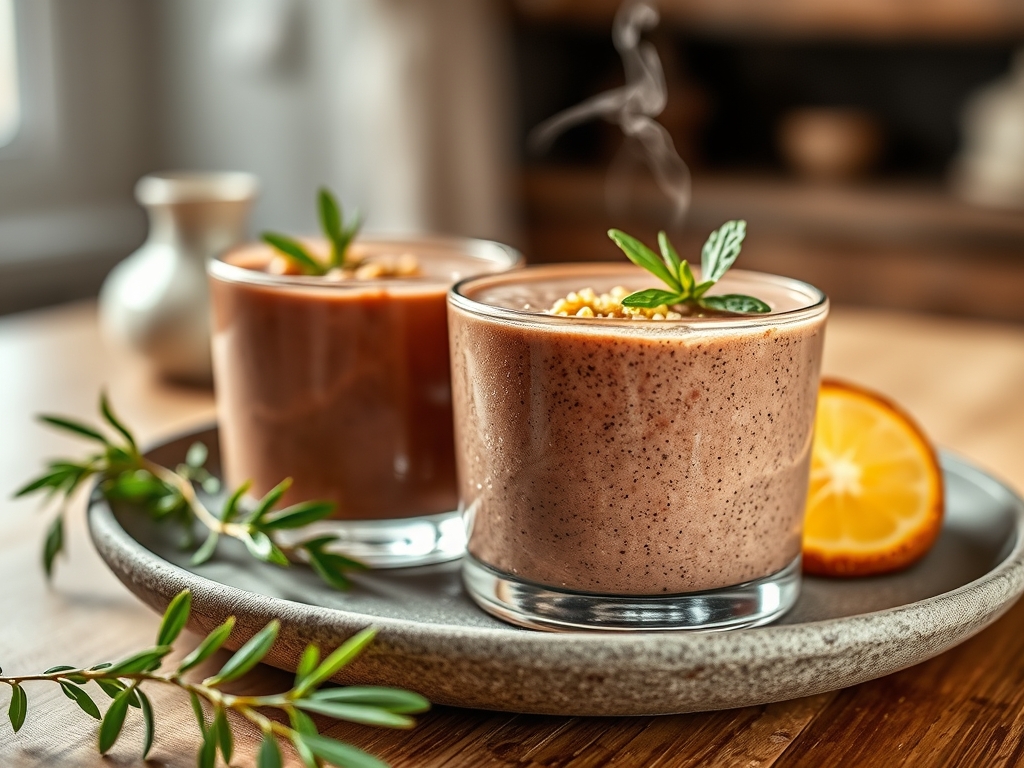
Examine the image above. Note the thick, stable "crema" layer on top of the liquid. If your Night Shift Coffee looks dark and translucent rather than opaque and creamy, your emulsion is weak. This usually happens if the blender speed was too low or the ratio of fats was insufficient. If you see white flecks, the butter has not fully integrated; this suggests the coffee was not hot enough to melt the lipids during the shear process. The color should be a consistent "biscotti" tan. If you see uneven browning or "oil eyes" floating on top, the proteins in the butter have not properly encapsulated the oil droplets. Ensure you are using a high-speed setting to achieve that uniform, velvet-like visual profile.
THE DEEP DIVE
Macro Nutrition Profile:
A single serving of this protocol contains approximately 220 calories, 25g of total fat (mostly saturated and medium-chain triglycerides), 0g of carbohydrates, and 1g of protein. It is a metabolic sledgehammer designed for fat-oxidation.
Dietary Swaps:
- Vegan: Substitute the grass-fed butter with an equal amount of raw cacao butter or high-fat cashew cream to maintain the viscous texture.
- Keto: This recipe is natively keto-compliant. Avoid adding honey or sugar which would trigger an insulin response and negate the steady-state energy.
- GF: Naturally gluten-free, but ensure your vanilla extract is not grain-alcohol based if you have extreme sensitivities.
Meal Prep & Reheating Science:
You cannot "meal prep" an emulsion of this nature for more than two hours. The molecular bonds will eventually succumb to entropy and separate. However, you can pre-measure your "fat-pucks" (butter, oil, and cinnamon) in a silicone mold. When the shift gets heavy, simply drop a puck into fresh hot coffee and use a portable milk frother to re-emulsify on the fly. Never reheat in a microwave; the uneven radiation will break the emulsion and leave you with a greasy mess.
THE KITCHEN TABLE
Why is my coffee bitter even with butter?
Bitterness is usually a result of over-extraction or water that is too hot. If the beans are roasted too dark, the carbonization becomes the dominant flavor. Try a medium roast and check your water temperature with a probe.
Can I use a regular spoon to mix this?
Negative. A spoon lacks the mechanical force required to create a stable emulsion. Without a blender or frother, the oil will simply float on top, leading to a poor mouthfeel and potential digestive upset from un-emulsified fats.
How long will the energy boost last?
Due to the lipid-delayed absorption, most users report a sustained "plateau" of alertness lasting 4 to 6 hours. This avoids the "caffeine crash" typically seen 90 minutes after consuming standard black coffee or energy drinks.
Does the cinnamon serve a purpose beyond flavor?
Yes. Cinnamon is a piquant aromatic that can help stabilize blood sugar levels. For shift workers, managing glucose sensitivity is vital for avoiding the 4 AM mental fog and sugar cravings.