The sensory profile of a high octane kitchen usually smells of scorched garlic and heavy cream; however, there is a cleaner, sharper vector for cognitive clarity currently disrupting the morning routine. Forget the jitters of over-extracted beans. We are pivoting to the Peppermint Tea Shift. This is not your grandmother's sleepy chamomile ritual. This is a high-velocity, thermal extraction designed to aerate the senses and infuse the bloodstream with menthol-based alertness. When executed with precision, the volatile oils in fresh Mentha piperita act as a piquant wake-up call to the central nervous system. As an auditor of culinary infrastructure, I have seen too many professionals ruin this simple chemistry through thermal negligence. We are here to calibrate your process. We are treating your mug like a laboratory beaker and your kettle like a precision instrument. The goal is a brew so crisp it feels like a cold snap in a desert; a liquid catalyst that forces your synapses to fire without the subsequent caffeine crash.
THE DATA MATRIX
| Metric | Specification |
|---|---|
| Prep Time | 2 Minutes |
| Execution Time | 5 Minutes |
| Yield | 1 Serving (350ml) |
| Complexity (1-10) | 3 |
| Estimated Cost per Serving | $0.45 |
THE GATHERS
Ingredient Protocol:
- 350ml / 1.5 cups Filtered Water (pH balanced)
- 5g / 2 tbsp Fresh Peppermint Leaves (bruised)
- 2g / 1 tsp Dried Peppermint (high-menthol grade)
- 10ml / 2 tsp Raw Honey or Agave (optional glycemic fuel)
- 1 thin slice / 5g Fresh Ginger (for thermal depth)
Section A: Ingredient Quality Audit:
Sub-par raw materials are the primary cause of a failed Peppermint Tea Shift. If your dried leaves smell like dusty hay rather than a sharp antiseptic, the essential oils have oxidized. Technical Fix: Always store dried botanicals in airtight, opaque glass containers away from UV light. If using fresh mint that appears wilted, perform a cold-water shock by submerging the stems in ice water for ten minutes to restore turgor pressure. If your water source is "hard" (high mineral content), the calcium will bind to the polyphenols, resulting in a dull, metallic taste. Use a carbon-filter pitcher to ensure a neutral canvas for the menthol.
THE MASTERCLASS
1. Thermal Calibration of the Vessel
Begin by pre-heating your ceramic mug or borosilicate glass server. Pour a small amount of boiling water into the vessel, swirl, and discard. This prevents a "thermal shock" where the vessel leaches heat from the infusion, dropping the temperature below the optimal extraction window.
Pro Tip: Use a digital infrared thermometer to ensure the vessel walls reach at least 60 degrees Celsius. Maintaining a consistent temperature ensures the viscous oils remain suspended in the liquid rather than clinging to the sides of the cup.
2. Mechanical Bruising of the Botanicals
Place your fresh mint leaves on a clean surface. Use a stainless steel bench scraper or the flat side of a chef's knife to gently press down on the leaves until they appear bruised but not shredded. You are aiming to rupture the trichomes (microscopic oil glands) without releasing excess chlorophyll, which can introduce bitterness.
Pro Tip: The science here is cellular disruption. By using a bench scraper, you apply even pressure that maximizes the surface area for the water to penetrate, ensuring a more piquant final profile.
3. Precision Water Deployment
Place the bruised leaves and dried mint into a fine-mesh infuser. Heat your water in a gooseneck kettle to exactly 94 degrees Celsius. Pour the water in a slow, circular motion to aerate the leaves as the vessel fills.
Pro Tip: Never use rolling boiling water (100 degrees Celsius) for a delicate Peppermint Tea Shift. Excessive heat can render the delicate aromatic compounds inert, leaving you with a flat, scorched flavor profile. A digital scale placed under the mug ensures you hit your 350ml target exactly.
4. The Sealed Extraction Phase
Cover the vessel immediately with a lid or a small saucer. Let the infusion sit for exactly five minutes. This containment is critical to prevent the steam from carrying away the volatile menthol vapors.
Pro Tip: Use a digital stopwatch to track the duration. Over-steeping beyond six minutes begins to extract tannins from the stems, which will compromise the clean, refreshing finish you are auditing for.
Section B: Prep & Timing Fault-Lines:
The most common human error is the "set and forget" mentality. If the water temperature drops below 80 degrees Celsius during the steep, the extraction of menthone (the alertness compound) stalls. Conversely, if you agitate the tea bag or infuser too violently, you release particulate matter that clouds the liquid. Control your variables; use a timer and a lid to maintain the thermal envelope.
THE VISUAL SPECTRUM
Section C: Thermal & Visual Troubleshooting:
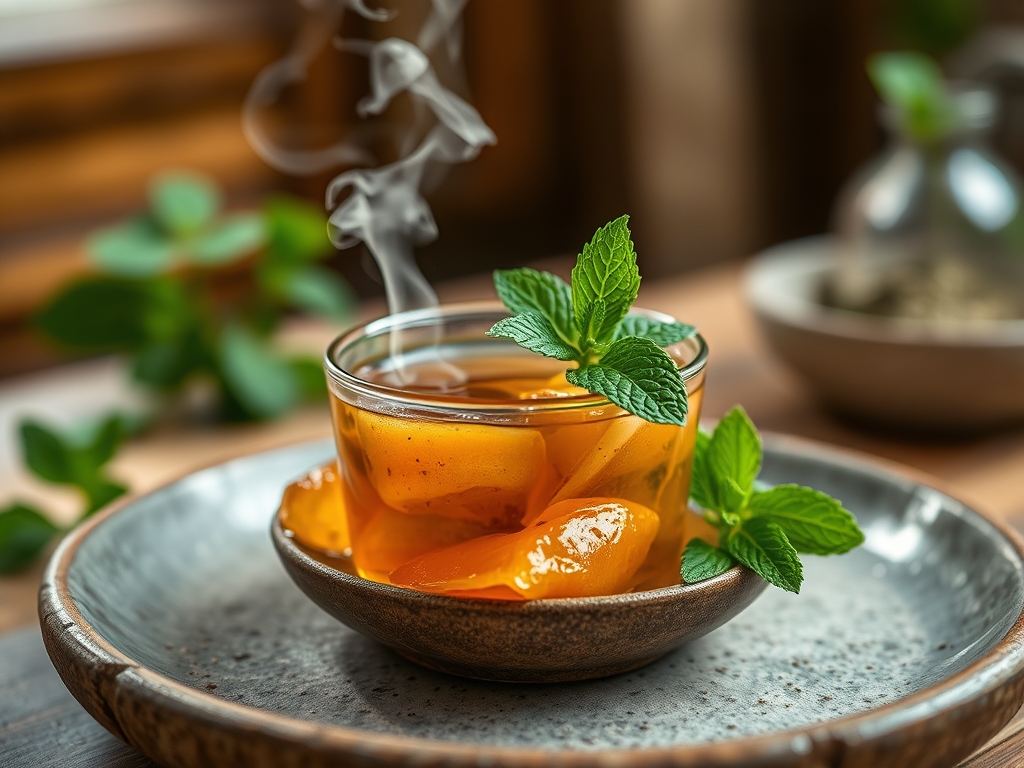
Look at the Masterclass photo above. Notice the clarity of the liquid; it should be a pale, vibrant gold with a slight green tint, not a murky brown. If your tea looks dull or "muddy," you likely used tap water with high iron content or over-steeped the dried components. If you see tiny oil droplets shimmering on the surface, congratulations; you have successfully achieved a high-yield Peppermint Tea Shift. This "oil slick" is actually the concentrated menthol and eucalyptol. If the color is too faint, your leaves were likely old and lacked the potency to render a proper infusion.
THE DEEP DIVE
Macro Nutrition Profile:
A standard infusion contains negligible calories (approx. 2 kcal), zero fats, and zero proteins. Its value lies entirely in the bioactive compounds: menthol, menthone, and limonene. These phytochemicals cross the blood-brain barrier to increase oxygen saturation and cognitive focus.
Dietary Swaps:
- Vegan/Keto: Substitute honey with a drop of liquid stevia or monk fruit.
- GF: Naturally gluten-free, but ensure your dried mint source is not processed in a facility that handles malt or barley.
Meal Prep & Reheating Science:
To maintain the molecular structure for later consumption, do not reheat on a stovetop, as this will further deglaze the volatile aromatics into the air. Instead, brew a concentrated batch and flash-chill it over ice. This locks the menthol into a stable cold-state, allowing for a refreshing "iced shift" later in the day without the loss of potency.
THE KITCHEN TABLE
Why does my peppermint tea taste like soap?
This usually indicates an over-extraction of the leaves or the use of dish soap residue in the mug. Ensure a thorough rinse of your equipment and limit steeping to five minutes to avoid soapy-tasting saponins.
Can I use peppermint essential oil instead?
Negative. Essential oils are too concentrated for direct ingestion without a carrier and lack the complex polyphenol profile of a whole-leaf infusion. Stick to the botanical "Gathers" listed above for a safe, effective Peppermint Tea Shift.
How do I get that "zing" I see in professional cafes?
The secret is the ginger slice. The gingerol compounds act as a thermal bridge, enhancing the cooling sensation of the menthol. It creates a sensory contrast that mimics a "high-definition" flavor profile.
Is fresh mint always better than dried?
Not necessarily. Dried mint provides a concentrated "base note" of menthol, while fresh mint provides the "top notes" of green, herbaceous aroma. A hybrid approach using both ensures a full-spectrum technical audit of the flavor.